
Why Are Exosomes Trending in Dermatology Clinics?
PAGE
By PAGE Editor
Something new is happening inside dermatology clinics, and it goes far deeper than surface-level skincare. Exosomes are redefining how skin heals and renews itself by working through cellular communication rather than temporary fixes. This evidence-based method is becoming the norm for visible signs of aging and post-procedure recovery, with companies such as Calecim Professional setting the standard.
Table of Contents
What Are Exosomes and Why Are They Trending?
How Calecim Professional Fits Into Exosome-Inspired Skincare
Cellular Communication and Skin Repair Explained
Calecim’s Regenerative Skincare Philosophy
Understanding PTT-6 Technology by Calecim Professional
Benefits of Calecim-Based Regenerative Support
When Dermatology Clinics Use Calecim Products
Frequently Asked Questions About Calecim and Exosomes
Conclusion: The Future of Regenerative Skincare with Calecim
What Are Exosomes and Why Are They Trending?
Exosomes are microscopic extracellular vesicles released by cells. They act as messengers, carrying proteins, lipids, and signaling molecules that help cells communicate and coordinate repair processes.
Interest in exosomes has grown because research suggests they play a role in wound healing, inflammation regulation, and tissue regeneration.
Clinics are increasingly exploring exosome skincare because it aligns with a broader movement toward regenerative dermatology, where treatments aim to improve how skin functions, not just how it looks.
How Calecim Professional Fits Into Exosome-Inspired Skincare
Dermatology clinics are seeing a rise in patients concerned with aging, slow healing, and thinning hair. These concerns are closely linked to biological changes in the skin over time.
Collagen production, for example, decreases by about 1% per year after early adulthood, contributing to wrinkles and loss of elasticity, according to research referenced by dermatology experts.
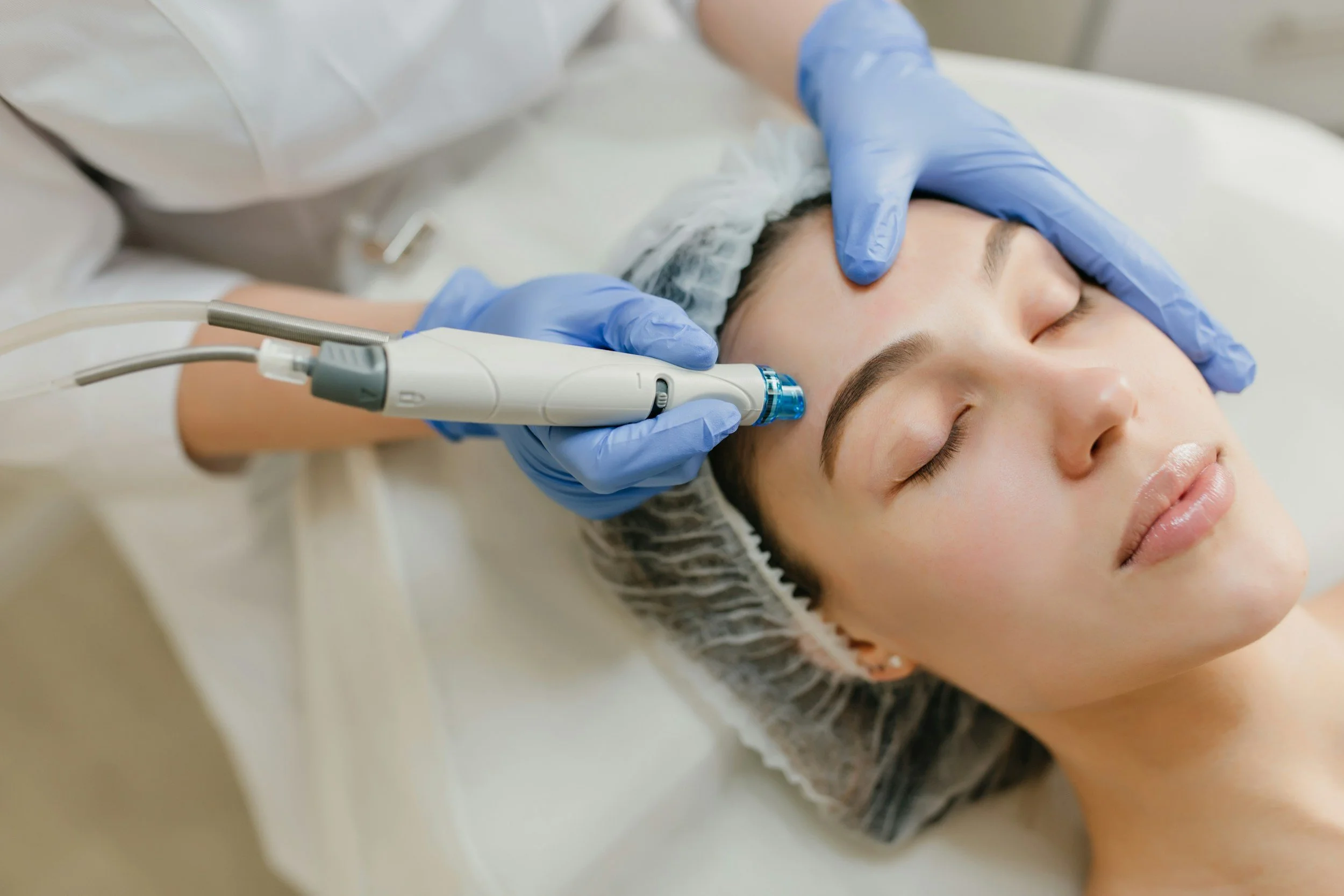
As a result, treatments such as microneedling and laser resurfacing have become more common. These procedures stimulate the skin, but recovery plays a critical role in outcomes.
This is where exosome skincare and regenerative formulations like Calecim Professional come into focus. Instead of acting as standalone treatments, they are used to support the skin’s healing response at a deeper level.
Cellular Communication and Skin Repair Explained
Skin repair depends heavily on how well cells communicate with each other. Aging, environmental stress, and inflammation can disrupt this signaling process.
Exosomes help restore this communication by delivering bioactive molecules between cells, coordinating processes like repair, inflammation control, and tissue regeneration.
These include:
Proteins
Lipids
Growth factors
RNA and signaling molecules
Research suggests that these signaling pathways are essential for wound healing and tissue remodeling.
In simple terms, exosome skincare works by helping skin cells “talk” to each other more effectively, which may improve how the skin repairs itself after damage.
Calecim’s Regenerative Skincare Philosophy
As regenerative aesthetics evolves, some professional skincare lines are focusing on biologically active ingredients rather than purely cosmetic ones. Calecim Professional Serum is one example.
Its approach is based on stem cell-conditioned media, which contain a rich mix of signaling molecules. These formulations are designed to support the skin’s natural repair mechanisms, particularly after in-clinic procedures.
Rather than replacing traditional skincare, this philosophy complements it by addressing what happens beneath the surface. The goal is to enhance recovery, improve skin quality, and support long-term resilience.
Understanding PTT-6 Technology by Calecim Professional
Calecim Professional formulations are built around a proprietary blend known as PTT-6 technology. This complex contains multiple bioactive components derived from stem cell-conditioned media.
These include:
Growth factors that support collagen production
Cytokines that help regulate inflammation
Exosomes that promote cell-to-cell communication and regenerative signaling
Proteins involved in tissue repair
The concept behind this technology is to mimic the natural signals that healthy skin uses to maintain itself. By reinforcing these signals, the skin may respond more effectively to treatments and environmental stress.
Benefits of Calecim-Based Regenerative Support
While research on exosomes continues to evolve, clinical use and early studies suggest several practical benefits when used in dermatology settings:
Faster post-procedure recovery
Supporting the skin barrier after treatments like microneedling or lasers can reduce downtime and improve comfort.Improved skin texture and tone
Enhanced cellular turnover may contribute to smoother, more even-looking skin.Support for collagen production
Growth factor signaling plays a role in maintaining firmness and elasticity.Scalp and hair support
Emerging research is exploring how regenerative signaling may influence hair follicle health.
When used alongside professional treatments, regenerative products often yield the most benefits.
When Dermatology Clinics Use Calecim Products
In clinical practice, regenerative formulations like Calecim Professional are typically used as part of a treatment protocol.
Common scenarios include:
After laser resurfacing or microneedling to support healing
Post-hair transplant procedures to aid scalp recovery
Early signs of aging, such as fine lines and reduced elasticity
Hormonal skin changes, including menopause-related thinning
Studies indexed in MDPI suggest that combining procedural treatments with regenerative support can enhance overall outcomes.
Frequently Asked Questions About Calecim and Exosomes
What exactly are exosomes in skincare?
Exosomes are tiny vesicles that transfer signaling molecules between cells. In skincare, they are used to support repair and regeneration by improving cellular communication.
Are exosomes the same as stem cells?
No. They are particles released by cells that carry beneficial proteins and signaling factors, but they cannot replicate or form new tissue.
Is exosome skincare safe?
When formulated and used appropriately in clinical settings, exosome-based treatments are generally considered safe. They should always be administered or recommended by qualified professionals.
How soon can results be seen?
Some patients notice improved hydration and glow within weeks. Structural improvements, such as texture and firmness, may take longer depending on the treatment.
Can exosomes replace traditional skincare?
No. They are designed to complement, not replace, essential skincare steps like cleansing, moisturizing, and sun protection.
Are stem cell-derived skincare products effective?
They may provide regenerative support, particularly in post-procedure care. Results depend on formulation quality and consistent use.
Conclusion: The Future of Regenerative Skincare with Calecim
Exosomes are becoming more prominent as skincare innovation advances because they reflect a better understanding of how skin functions. Instead of focusing solely on visible symptoms, regenerative approaches seek to support the biological processes that maintain skin health.
While research is ongoing, early evidence and clinical adoption suggest that exosome skincare and technologies like those used in Calecim Professional are shaping the future of dermatology. They offer a more integrated way to enhance treatment outcomes, particularly when combined with established in-clinic procedures.
As with any advanced treatment, informed decisions and professional guidance remain essential.
HOW DO YOU FEEL ABOUT FASHION?
COMMENT OR TAKE OUR PAGE READER SURVEY
Featured




For many people, the end of the workday does not always mean the beginning of recovery.