
Why Product Presentation Matters When Building a Private-Label Optics Brand
PAGE
By PAGE Editor
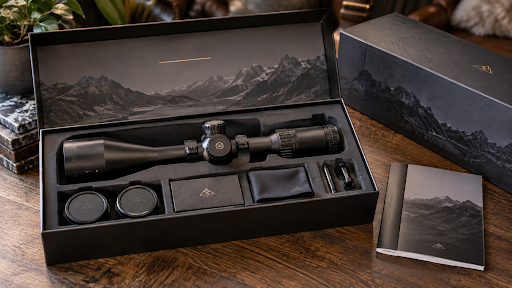
A customer often begins forming an opinion about a product before actually using it. The box, logo, product layout, included information, accessories, and overall presentation can all influence that first impression. For private-label optics brands, these details can be especially important because customers may be discovering the company for the first time.
This is why product presentation should be considered during development rather than left until the final stage. Businesses exploring custom scopes and sights can think about the complete customer experience, from the moment a package is seen to the point when the product becomes part of a larger brand relationship.
The Product Experience Starts With the Box
Packaging has a practical purpose because it protects the product during storage, transport, and delivery. However, it also has a branding purpose.
Customers may see the box before they see the optic itself. A clean and organized package can immediately communicate that care has gone into the product.
The packaging does not need to be complicated or expensive to make a good impression. What matters is that it feels appropriate for the product and brand.
A simple product can still have professional packaging. Clear branding, readable information, secure internal protection, and an organized layout can create a positive experience without unnecessary decoration.
A premium product may require a more refined presentation, but the same principle applies: the package should support the position of the product rather than distract from it.
Make Branding Easy to Recognize
Strong branding works best when customers can recognize it across different parts of the product experience.
The logo on the product, box, instruction materials, and other included items should follow a consistent style.
Using different logo sizes, colors, fonts, or visual styles without a clear reason can make a product line feel disconnected.
Consistency helps create familiarity.
A customer who sees the brand online should ideally recognize the same visual identity when the package arrives. If they later see another product from the same company, familiar branding can help them make the connection.
This becomes increasingly important as a business introduces more products.
A clear visual system gives every new model a foundation to follow.
Keep the Outside of the Package Clear
A package can quickly become crowded if too much information is added.
Brands may want to display every feature, specification, claim, and visual element on the box, but too much content can make important information harder to notice.
A cleaner approach is usually better.
The front of the package can focus on the product name, brand identity, and a clear description of what is inside. Other relevant details can be organized on the sides or back.
Good packaging should help customers understand the product rather than force them to search through unnecessary information.
Businesses should also consider how the package will look both online and on a physical shelf.
Simple, clear presentation can work well in both environments.
Think About the Inside Experience
The outside of the box creates the first impression, but the inside continues that experience.
When customers open the package, the product and included items should feel organized.
Accessories, documents, protective materials, and the main product should each have a clear place.
A poorly organized box can create confusion even if the product itself is good.
For example, customers may wonder whether a small accessory is missing if there is no clear information about what should be included.
An organized layout makes the product easier to understand and can help reduce unnecessary questions.
This is where a simple contents list can also be useful.
It tells the customer exactly what should be inside the package.
Instructions Are Part of the Brand
Instruction materials are often treated as a minor requirement, but they can strongly affect the customer experience.
A clear guide can make a product feel easier to understand, while confusing or poorly written instructions can create frustration.
For private-label brands, instructions should be written in clear language and match the product that the customer receives.
They should also use consistent branding.
This does not mean every manual needs to be long. In many cases, customers benefit more from concise and clearly organized information.
Important sections can be separated with headings, simple diagrams where appropriate, basic care information, warranty details, and contact information.
The goal is to make the customer feel supported rather than overwhelmed.
Product Naming Should Match the Packaging
The name shown online should match the name printed on the box, manual, and product materials.
Small naming inconsistencies can create unnecessary confusion.
For example, if an online listing uses one model name while the packaging uses a slightly different version, a customer may wonder whether the correct product was delivered.
Brands can avoid this by creating a simple naming system before finalizing packaging.
Each model should have one approved name or model number.
That same reference can then be used across packaging, product pages, inventory systems, instructions, and future marketing materials.
This becomes increasingly valuable as the product range grows.
Labels and Product Information Need Planning
Private-label products often require more than a logo and product name.
Depending on where and how they are sold, brands may also need barcodes, model numbers, SKU information, company details, compliance-related information, or other labels.
These elements should be planned early so they can be integrated neatly into the packaging.
Adding them at the last moment may create a less professional appearance.
It is also helpful to keep accurate records of approved label files.
If a product is reordered later, the business should be able to identify which version was previously used.
Good file organization may seem like a small operational detail, but it can prevent errors across repeated production runs.
Accessories Should Feel Intentional
If accessories are included with a product, they should support the overall presentation rather than feel like random additions.
The business should know exactly what will be included and how each item will be presented.
A clear accessory list can also help with inventory and quality checks.
Before production, businesses may want to confirm that all included items match the approved sample and packaging plan.
This helps reduce situations where customers receive missing or unexpected contents.
The principle is simple: every item inside the box should have a reason to be there.
A cleaner and more intentional package can often create a stronger impression than one filled with unnecessary extras.
Design for the Way the Product Will Be Sold
Packaging should also reflect the sales channel.
A product sold mainly through an online store has different needs from one displayed in a physical retail environment.
Online customers may first see photographs of the package and product. In this case, clear branding and a clean visual design can help create consistency between the online listing and the delivered item.
Retail products may need to communicate more information directly from the shelf.
The package may also need to fit certain display or storage requirements.
Businesses that work with distributors may have additional labeling, carton, or inventory needs.
Thinking about the sales channel early makes it easier to create packaging that supports the actual way the product will reach customers.
Consistency Matters Across Repeat Orders
One successful production run is only the beginning for a growing brand.
If customers respond well to the product, repeat orders may follow.
The next batch should ideally maintain the same general presentation as the first.
This means businesses should keep approved files for logos, packaging artwork, model information, instructions, labels, and other important materials.
It is also useful to keep a final approved sample or detailed product record.
These references make future orders easier to manage.
Without them, small changes can begin appearing over time.
A logo may move slightly, a box may use a different font, or an accessory arrangement may change.
Individually, these differences may seem minor, but repeated inconsistencies can weaken the identity of a product line.
Use Presentation to Connect Different Products
Packaging can also help connect different models within the same brand.
Products do not need identical boxes, but they can share recognizable elements.
The same logo position, general layout, typography, naming style, or design approach can create a family resemblance.
Different models can then use subtle changes to help customers tell them apart.
This balance is useful for growing companies.
It allows each product to have its own identity while still clearly belonging to the same brand.
Businesses developing custom scopes and sights can therefore think beyond individual product specifications and consider how presentation will connect one model with the next.
Presentation Can Affect Customer Trust
Customers often use small details to judge whether a company feels professional.
Clear packaging, accurate labels, organized contents, readable instructions, and consistent branding can all contribute to trust.
None of these elements can replace a good product.
However, weak presentation can reduce the positive impression created by the product itself.
Imagine receiving a well-made item in damaged, confusing, or poorly branded packaging. The experience may immediately feel less professional.
The opposite is also true.
Thoughtful presentation can make it easier for customers to understand what they purchased and who produced it.
This is especially important for newer brands that are still building recognition.
Do Not Overdesign the Experience
There is a difference between thoughtful presentation and unnecessary complexity.
Some brands may feel pressure to create elaborate packaging in order to look premium.
That is not always necessary.
Customers often appreciate simplicity when it is done well.
A strong package should protect the product, explain what it is, represent the brand, organize the contents, and provide the necessary information.
Everything beyond that should have a clear purpose.
Removing unnecessary elements can also help control costs and make the package easier to reproduce consistently.
The strongest presentation is often the one that feels natural for the product rather than overly designed.
Build Presentation Into the Product Plan
Packaging and branding should be discussed alongside the product itself.
Waiting until production is nearly complete can limit options and create rushed decisions.
Instead, businesses can include packaging requirements in the original product brief.
This might cover the visual direction, logo placement, model name, included accessories, instruction materials, labels, internal protection, and sales-channel requirements.
When these decisions are made early, the finished product can feel much more complete.
For businesses researching ways to develop a more unified private-label optics range, billingsoptics.com can be reviewed as part of the process of exploring customization and brand presentation possibilities.
A strong optics brand is built through many connected details. The product itself remains central, but the box, branding, instructions, labels, accessories, and overall presentation shape how customers experience it. When those elements are planned together, businesses can create a product that not only looks more professional but also feels more consistent from the first impression to future repeat purchases.
HOW DO YOU FEEL ABOUT FASHION?
COMMENT OR TAKE OUR PAGE READER SURVEY
Featured




Deep clean, seal, and protect your tile & grout in Oceanside, CA. Bring the original shine back to your floors. Request a quote today!