
Advanced Roofing Solutions and Roof Replacement Strategies for Maximizing Property Protection and Reducing Long-Term Maintenance Costs
PAGE
By PAGE Editor
Introduction
A roof is one of the most critical structural elements of any building because it protects the entire property from environmental damage, supports energy efficiency, and contributes to overall comfort and safety. Over time, every roofing system experiences natural wear due to exposure to sunlight, rain, wind, temperature changes, and seasonal stress. When these issues become severe or frequent, professional roof replacement becomes necessary to restore the building’s strength and prevent further damage. A well-planned roofing upgrade not only improves structural integrity but also enhances property value, reduces long-term maintenance costs, and increases energy efficiency. Modern roofing systems are designed using advanced materials and techniques that provide better durability and longer lifespan compared to older roofing methods. Understanding how roofing systems work and when replacement is needed helps property owners make informed decisions that protect their investment for years.
Importance of Roof Replacement for Long-Term Protection
A roofing system plays a vital role in protecting a building from external environmental forces. When a roof becomes weak or damaged, it can allow water intrusion, heat loss, and structural deterioration. This is why timely roof replacement is essential for maintaining safety and preventing expensive repairs in the future. A damaged roof can lead to issues such as mold growth, weakened insulation, ceiling stains, and electrical hazards, all of which compromise the livability and safety of a property. Replacing an old roof ensures that the entire structure is reinforced with modern materials designed to withstand harsh conditions. Another important benefit of roof replacement is improved energy efficiency because modern roofing systems are built with better insulation and reflective materials that regulate indoor temperature more effectively. This reduces energy consumption and lowers electricity bills throughout the year while maintaining a comfortable indoor environment.
Signs That Indicate Roof Replacement Is Needed
Recognizing early warning signs of roof deterioration is important for preventing major structural damage. One of the most common indicators is frequent leaks that appear in multiple areas of the property. These leaks often suggest that the roofing system has lost its ability to protect against moisture penetration. Another sign is missing, cracked, or curling shingles, which indicate aging and reduced durability of roofing materials. Sagging areas on the roof surface may point to structural weakness in the underlying support system, which requires immediate attention. Water stains on ceilings and walls, along with mold or mildew growth, also indicate hidden moisture problems that may require roof replacement instead of minor repairs. Increasing energy bills can also be a sign of roofing inefficiency because damaged insulation and poor ventilation force heating and cooling systems to work harder. When multiple issues appear simultaneously, replacing the roof becomes a more practical and cost-effective solution than repeated repairs.
Roofing Materials Used in Modern Replacement Systems
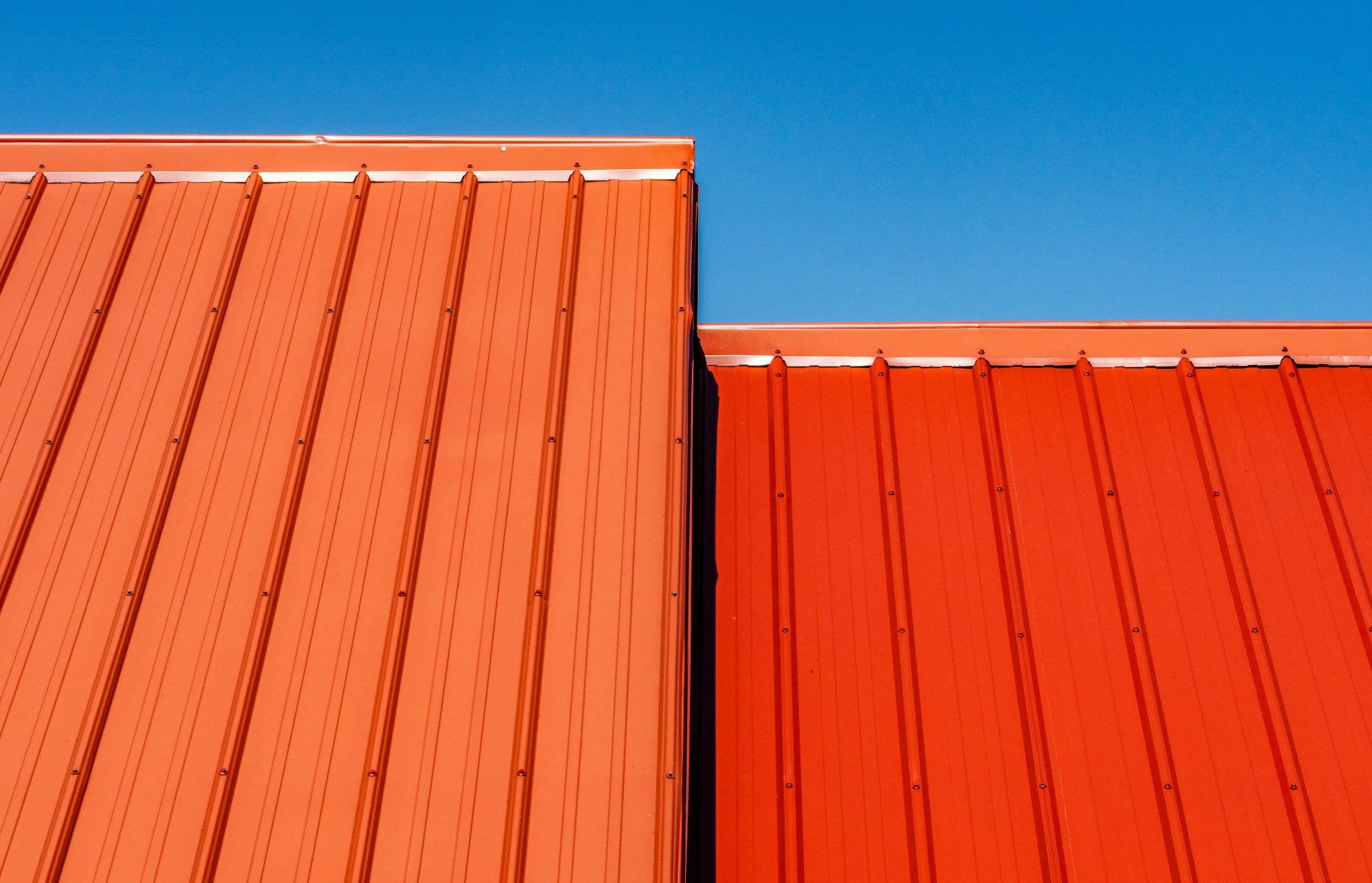
Choosing the right material is one of the most important aspects of any roofing project because it directly affects durability, appearance, and long-term performance. Asphalt shingles are widely used due to their affordability, versatility, and ease of installation. They are suitable for many residential properties and come in various colors and designs. Metal roofing is another popular option because of its strength, long lifespan, and excellent energy efficiency. It reflects heat and helps reduce cooling costs during warm weather. Tile roofing, made from clay or concrete, provides exceptional durability and a classic architectural look, making it ideal for long-term installations. Slate roofing is considered a premium option due to its natural appearance and extremely long lifespan, although it requires strong structural support. Wood shingles offer a natural aesthetic but require regular maintenance to prevent moisture damage. Each material offers different advantages, and selecting the right one depends on climate conditions, budget, and architectural design requirements.
Step-by-Step Roof Replacement Process
A successful roofing project follows a structured process to ensure durability and proper installation. The first step is a detailed inspection of the existing roof to assess damage, identify weak areas, and determine whether full replacement is necessary. After inspection, materials are selected based on performance needs, budget, and environmental conditions. Once planning is complete, the old roofing system is carefully removed to expose the roof deck underneath. This step is essential because it allows contractors to inspect the structural base for hidden damage such as rot or moisture deterioration. Any damaged sections are repaired or replaced before continuing. After preparation, a waterproof underlayment is installed to provide an extra protective layer against water infiltration. Flashing is then added around chimneys, vents, skylights, and edges to prevent leaks in vulnerable areas. Finally, the selected roofing materials are installed with precision, ensuring proper alignment and secure fastening for maximum durability. A final inspection is conducted to confirm that the entire system meets safety and quality standards.
Benefits of Professional Roofing Services
Hiring professional roofing experts ensures that the work is completed safely, efficiently, and according to industry standards. Skilled contractors have the experience required to handle complex roofing systems and identify potential issues that may not be visible to untrained individuals. One major benefit of professional roof replacement is high-quality workmanship, which reduces the risk of leaks, structural failures, and premature wear. Professionals also use advanced tools and equipment that improve installation accuracy and efficiency. Another advantage is access to premium roofing materials that offer better durability and performance compared to low-quality alternatives. Roofing experts also ensure compliance with building regulations and safety standards, which protects property owners from legal and structural issues. Additionally, most professional services include warranties that cover both materials and labor, providing long-term peace of mind and financial protection.
Energy Efficiency and Modern Roofing Technology
Modern roofing systems are designed with energy efficiency in mind, helping property owners reduce energy consumption and improve indoor comfort. Reflective roofing materials are used to minimize heat absorption, which keeps indoor spaces cooler during hot weather. Proper insulation helps maintain stable indoor temperatures by reducing heat transfer between the interior and exterior environment. Advanced ventilation systems also play a major role in improving airflow and preventing moisture buildup in attic spaces. Some modern roofing systems also include solar integration, allowing buildings to generate renewable energy while maintaining structural protection. These technologies not only reduce electricity costs but also support environmentally friendly construction practices. As energy efficiency becomes more important, modern roofing solutions continue to evolve with improved materials and innovative designs.
Common Roofing Problems and Preventive Measures
Roofing systems can develop several issues over time due to environmental exposure and aging. One of the most common problems is water leakage caused by damaged shingles, cracked flashing, or blocked drainage systems. If not addressed quickly, leaks can lead to structural damage and mold growth. Poor ventilation is another common issue that traps heat and moisture inside the attic, reducing energy efficiency and damaging insulation. Missing or broken shingles caused by storms or aging materials can expose the roof to further deterioration. Flat roofs may experience ponding water if drainage systems are not properly maintained, which increases the risk of leaks. Regular maintenance is essential to prevent these issues, including routine inspections, gutter cleaning, debris removal, and timely repairs. Preventive care ensures that small problems do not turn into expensive repairs or full roof replacement situations.
Maintenance Tips for Extending Roof Lifespan
Proper maintenance plays a key role in extending the life of any roofing system and reducing long-term costs. Regular inspections help identify minor issues before they become major structural problems. Cleaning gutters and drainage systems ensures that water flows properly and does not accumulate on the roof surface. Removing leaves, branches, and other debris prevents moisture buildup and surface damage. Trimming nearby trees reduces the risk of falling branches damaging the roof during storms. Addressing repairs immediately is also essential because delaying fixes can lead to larger and more expensive issues. A well-maintained roof performs better, lasts longer, and reduces the need for frequent repairs or early replacement.
Choosing the Right Roofing Contractor
Selecting the right contractor is one of the most important decisions in any roofing project because the quality of installation directly impacts performance and durability. Property owners should choose licensed and insured professionals with experience handling different roofing materials and systems. Checking reviews, references, and past project history helps evaluate the contractor’s reliability. Clear communication is also important because professional contractors provide detailed estimates, explain the entire process, and answer questions transparently. Comparing multiple contractors helps ensure the best balance between cost, quality, and long-term value. A skilled contractor ensures that the roof replacement process is completed safely, efficiently, and according to industry standards.
Long-Term Value of Roof Replacement
Investing in a new roof provides significant long-term benefits for property owners. A high-quality roofing system improves structural safety, enhances energy efficiency, and reduces maintenance expenses. It also increases property value and improves curb appeal, making the building more attractive to potential buyers. Modern roofing materials are designed for durability and weather resistance, reducing the need for frequent repairs. Over time, the savings from lower energy bills and reduced maintenance costs make roof replacement a financially smart decision. A professionally installed roof provides peace of mind by ensuring reliable protection against environmental damage.
Conclusion
A strong and well-maintained roof is essential for protecting any property from environmental damage while ensuring comfort, safety, and energy efficiency. Over time, roofing systems naturally degrade due to weather exposure and aging, making professional roof replacement necessary to maintain structural integrity. From selecting durable materials to following proper installation procedures, every stage of the roofing process plays a crucial role in long-term performance. Modern roofing technologies offer improved durability, energy savings, and environmental benefits, making them a valuable investment for homeowners and businesses. By working with experienced professionals and maintaining regular care, property owners can ensure their roofing system remains reliable, efficient, and long-lasting for many years.
HOW DO YOU FEEL ABOUT FASHION?
COMMENT OR TAKE OUR PAGE READER SURVEY
Featured



Better With Age’s FW26 “STOLEN ART” collection expands its circular design philosophy into refined tailoring and limited-edition eyewear, transforming vintage textiles and antique silver flatware into contemporary pieces with a distinct sense of history.