
Modern Outdoor Living Design and Construction Guide for Durable and Stylish Spaces
PAGE
By PAGE Editor
Introduction
Outdoor living spaces have become an essential part of modern homes and commercial properties because they provide comfort, functionality, and aesthetic value beyond the interior structure. A well-designed outdoor area enhances relaxation, improves lifestyle quality, and increases overall property value. One of the most popular features in outdoor design is a Patio, which serves as a versatile space for dining, entertaining, and leisure activities. A properly planned and constructed outdoor area not only improves usability but also ensures long-term durability against weather conditions such as rain, sunlight, and temperature changes. Homeowners and property developers increasingly invest in professional outdoor construction because it transforms unused space into a functional and visually appealing environment. Understanding how outdoor structures are designed, built, and maintained helps property owners make better decisions that lead to long-lasting results and improved property value.
Importance of Outdoor Living Spaces in Modern Properties
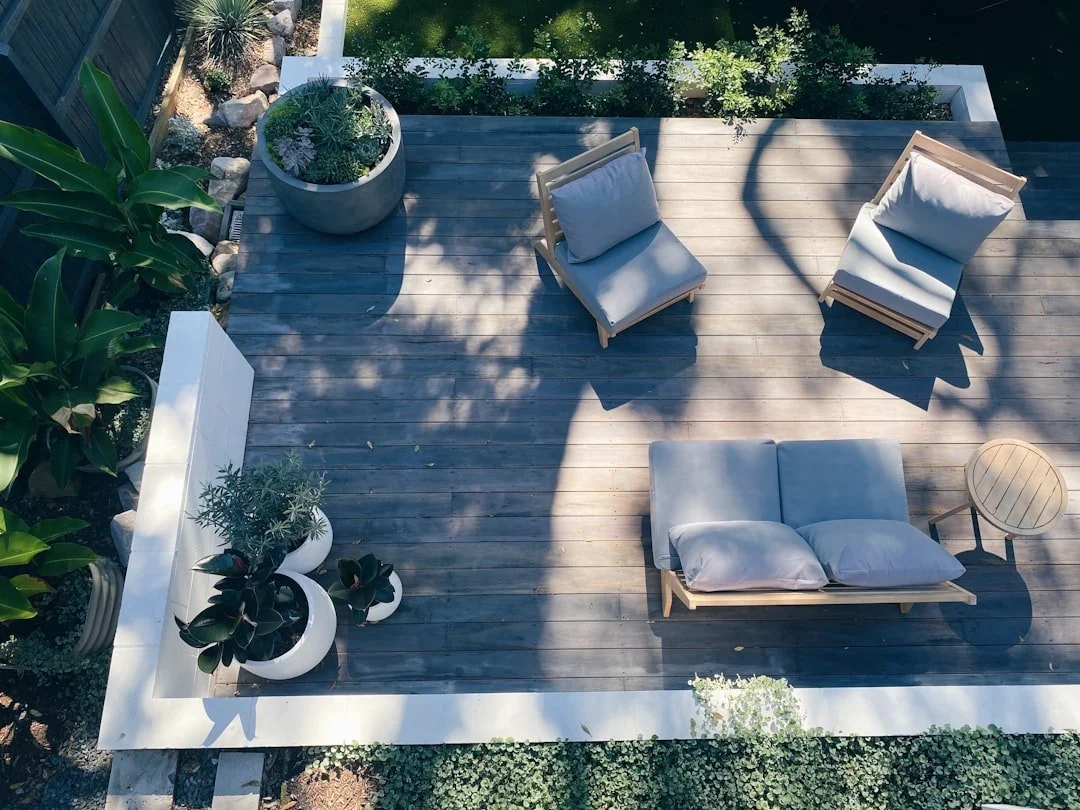
Outdoor areas have evolved from simple open spaces into well-designed extensions of indoor living environments. A thoughtfully constructed space allows people to enjoy fresh air, natural surroundings, and social gatherings without leaving their property. A Patio plays a central role in this transformation because it provides a stable and attractive surface for various outdoor activities. It creates a seamless connection between indoor and outdoor spaces, improving both functionality and design flow. In addition to lifestyle benefits, outdoor living spaces also increase property value because buyers are often attracted to homes with well-designed exterior areas. A high-quality outdoor space can significantly improve curb appeal and create a lasting impression on visitors. These areas also provide flexibility for customization, allowing homeowners to incorporate seating, lighting, landscaping, and decorative features that match their personal style. Proper planning and construction ensure that these spaces remain durable, safe, and visually appealing over time.
Design Principles for Functional Outdoor Spaces
Creating a functional outdoor space requires careful planning and attention to detail because every element must work together to provide comfort and usability. The design process begins with evaluating available space, sunlight exposure, and intended usage. A Patio is often designed as the central feature of outdoor layouts because it provides a solid foundation for furniture, gatherings, and decorative elements. Proper layout design ensures smooth movement, balanced aesthetics, and efficient use of space. Material selection is another important factor because different materials offer varying levels of durability, maintenance requirements, and visual appeal. Natural stone, concrete, brick, and composite materials are commonly used in outdoor construction due to their strength and weather resistance. Drainage planning is also essential to prevent water accumulation and surface damage over time. A well-designed outdoor space should balance beauty and functionality while ensuring long-term performance under different environmental conditions.
Materials Used in Outdoor Construction
Selecting the right materials is crucial for building durable and attractive outdoor spaces. Concrete is one of the most widely used materials because of its strength, affordability, and versatility. It can be shaped and finished in various styles to match different design preferences. Natural stone is another popular option because of its elegant appearance and long-lasting durability, although it may require higher installation costs. Brick is commonly used for traditional designs due to its classic look and structural reliability. Composite materials are also gaining popularity because they are low-maintenance and resistant to weather damage. A well-constructed Patio often uses a combination of these materials to achieve both durability and visual appeal. Wooden elements may also be incorporated into outdoor spaces to add warmth and natural aesthetics, although they require regular maintenance to prevent moisture damage and decay. Choosing the right material depends on budget, climate conditions, and design preferences.
Construction Process of Outdoor Spaces
The construction of outdoor living areas involves several important steps that ensure durability and long-term performance. The first step is planning and design, where the layout, size, and purpose of the space are determined. This includes deciding where features such as seating areas, pathways, and decorative elements will be placed. Once planning is complete, the site is prepared by clearing debris and leveling the ground. Proper foundation work is essential because it provides stability and prevents future structural issues. After preparation, base materials such as gravel or sand are installed to create a stable foundation layer. The main surface is then constructed using selected materials such as stone, brick, or concrete. A Patio is carefully installed to ensure even surface alignment and proper drainage. Finishing touches such as sealing, edging, and decorative enhancements are added to improve appearance and durability. Each step in the process requires precision and expertise to ensure long-lasting results.
Benefits of Professionally Built Outdoor Spaces
Hiring professionals for outdoor construction offers several advantages because experienced builders understand design principles, structural requirements, and material performance. One of the main benefits is quality workmanship because professionals ensure that every component is installed correctly and securely. This reduces the risk of cracks, uneven surfaces, and structural instability. Another advantage is design expertise because professionals can create customized layouts that maximize space efficiency and aesthetic appeal. A professionally constructed Patio is built to withstand environmental conditions and heavy usage without losing its structural integrity. Professionals also use advanced tools and techniques that improve construction accuracy and efficiency. In addition, they ensure compliance with safety standards and building guidelines, which helps prevent future issues. Many professional services also provide warranties, giving property owners peace of mind and long-term protection.
Common Problems in Outdoor Areas and Their Solutions
Outdoor spaces can develop various issues over time due to weather exposure, usage, and lack of maintenance. One common problem is surface cracking caused by temperature changes and ground movement. Poor drainage can also lead to water accumulation, which weakens materials and creates uneven surfaces. Fading and discoloration may occur due to prolonged sunlight exposure, especially in certain materials. Loose or shifting surfaces can create safety hazards if not repaired promptly. A well-constructed Patio reduces these risks when properly maintained, but regular inspection is still necessary. Cleaning surfaces, sealing materials, and repairing minor damage early helps extend the lifespan of outdoor structures. Proper maintenance ensures that the space remains safe, functional, and visually appealing over time.
Modern Trends in Outdoor Design
Outdoor design trends continue to evolve as homeowners seek more functional and stylish living spaces. Multi-functional layouts are becoming popular because they allow different activities such as dining, relaxing, and entertaining in one space. Minimalist designs with clean lines and natural tones are widely preferred because they create a calm and elegant atmosphere. Integrated lighting systems are also commonly used to enhance nighttime usability and improve safety. Built-in seating and fire features are additional trends that increase comfort and usability. A modern Patio often incorporates these design elements to create a balanced and attractive outdoor environment. Sustainable materials and eco-friendly designs are also gaining popularity as environmental awareness increases.
Sustainability and Environmental Considerations
Sustainability has become an important aspect of outdoor construction because many property owners now prefer eco-friendly solutions. Recycled materials and environmentally responsible construction practices help reduce environmental impact while maintaining durability and performance. Permeable surfaces are also used in modern outdoor design to improve water drainage and reduce flooding risks. A sustainable Patio can be designed using recycled concrete, reclaimed stone, or eco-friendly composite materials. These solutions not only benefit the environment but also reduce long-term maintenance costs. Landscaping integration with native plants and natural elements further enhances sustainability while improving visual appeal.
Maintenance Tips for Long-Lasting Outdoor Spaces
Proper maintenance is essential for preserving the quality and appearance of outdoor living areas. Regular cleaning helps prevent dirt buildup, stains, and surface damage. Sealing materials protects against moisture penetration and weather-related wear. Inspecting surfaces for cracks or damage allows early repairs before problems become more serious. Removing debris such as leaves and dirt helps maintain cleanliness and prevents surface deterioration. A well-maintained Patio remains strong, attractive, and functional for many years. Seasonal maintenance routines are recommended to ensure long-term durability and performance.
Choosing the Right Outdoor Construction Specialist
Selecting the right professional is important for achieving high-quality results in outdoor construction projects. Experienced contractors understand design principles, material behavior, and structural requirements. Reviewing past projects and customer feedback helps evaluate reliability and craftsmanship. Clear communication is also essential because professionals provide detailed planning, cost estimates, and design recommendations. Comparing multiple service providers ensures better decision-making based on quality, experience, and long-term value. A skilled contractor ensures that the entire project is completed efficiently and according to industry standards.
Long-Term Value of Outdoor Living Investments
Investing in well-designed outdoor spaces provides long-term benefits for property owners. A professionally constructed outdoor area increases property value, improves lifestyle quality, and enhances visual appeal. A durable Patio offers functional space for entertainment, relaxation, and social activities while requiring minimal maintenance when built correctly. Over time, the investment in quality materials and professional construction pays off through improved durability and reduced repair costs. Outdoor living spaces also create a stronger connection between indoor comfort and outdoor enjoyment, making properties more attractive and functional.
Conclusion
Outdoor living spaces have become an essential part of modern property design because they improve functionality, aesthetics, and overall lifestyle quality. A well-constructed Patio serves as the centerpiece of these spaces, providing durability, comfort, and versatility for various activities. Proper planning, quality materials, and professional construction ensure long-lasting performance and reduced maintenance needs. Modern outdoor design continues to evolve with new trends, sustainable materials, and improved construction techniques that enhance both beauty and functionality. By investing in professional expertise and regular maintenance, property owners can create durable, stylish, and valuable outdoor spaces that remain functional for many years.
HOW DO YOU FEEL ABOUT FASHION?
COMMENT OR TAKE OUR PAGE READER SURVEY
Featured




Online research supply markets have expanded, giving laboratories and independent researchers more ways to explore specialized materials.