
Art Basel Miami Beach Sharpens Its Focus For 2026 With 272 Exhibitors And A Reconfigured Show Floor
PAGE
By PAGE Editor
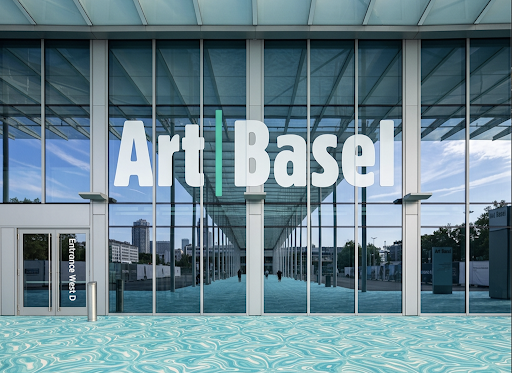
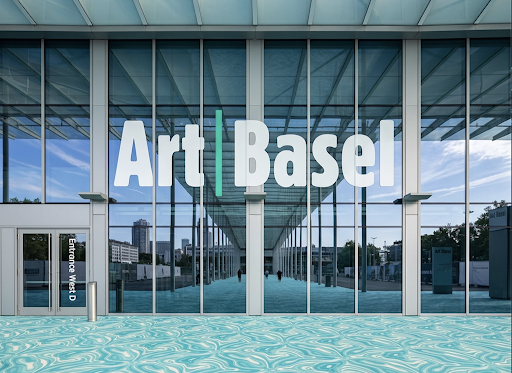
When Art Basel Miami Beach opens its doors this December, collectors will find a fair that has deliberately chosen to be smaller. The 2026 edition, which runs December 4 to 6 at the Miami Beach Convention Center with invitation-only VIP Days on December 2 and 3, will bring together 272 exhibitors from more than 40 countries and territories, presented across a show floor that has been substantially redesigned.
The change is most visible in the Galleries sector, the fair’s commercial core, which has been reduced from 226 exhibitors last year to 204. The overall footprint within the convention center will shrink by around 12 percent, and the fair has been organized around four hospitality plazas rather than five. Rather than grouping the most established names in a single high-traffic zone, the new layout disperses blue-chip galleries across the floor, a decision intended to ease the congestion of previous editions and encourage visitors to move through the entire fair.
For Bridget Finn, who has directed Art Basel Miami Beach since 2024 and is the first director of the fair to have previously exhibited there herself, the redesign is a matter of refinement rather than contraction. Speaking about the new configuration, she explained that the reduced footprint is meant to give every booth more presence: “Each presentation will have room to command attention.”
That focus extends across the fair’s four sectors. Kabinett brings together 28 curated presentations within exhibitors’ booths, while Nova features 20 galleries showing new work by up to three artists. Positions dedicates a dozen solo projects to emerging artists, and Survey gathers 16 historically focused presentations from 18 galleries. For the 2026 edition, Survey, Nova and Positions will be grouped together near the east entrance, creating a dedicated zone for discovery alongside the main Galleries floor. Zero 10, the digital art platform the fair introduced last year, returns as part of the program.
The exhibitor list reflects Miami’s position between markets. Major secondary-market dealers including Acquavella Galleries, Gray and Skarstedt bring depth in Modern and postwar art, while Miami-based galleries such as David Castillo, Nina Johnson and Fredric Snitzer Gallery anchor the fair in its home city. International participants range from Pearl Lam Galleries in Shanghai and Hong Kong to von Bartha in Basel and Copenhagen, and El Apartamento, with spaces in Havana, Madrid and Miami. The City of Miami Beach will also continue its acquisition program for the eighth consecutive year, adding a work from an exhibiting gallery to its public art collection through a public vote.
Beyond the convention center, Miami Art Week unfolds from November 30 to December 6 across Miami Beach, Wynwood, the Design District and Downtown Miami. NADA Miami, which has built its reputation as a platform for emerging galleries, has announced 135 exhibitors for its December edition, while Design Miami, Untitled Art and more than a dozen satellite fairs extend the week’s program in every direction. Miami’s institutions traditionally time their most significant openings to coincide with the week. The Pérez Art Museum Miami will present Zoë Buckman: Show Me Your Bruises, Then, on view from November 5, 2026, through May 2027, while the Rubell Museum in Allapattah continues its tradition of unveiling its annual new-acquisitions exhibition during Art Week.
For the international collectors, advisors and curators who make the journey each year, Miami Art Week has long been as much about the city as the fair. Days spent between booths give way to private dinners in Miami Beach, gallery receptions in Wynwood and evenings at hotels that double as informal headquarters for the art world. Preparing for that week has become a ritual of its own, from securing accommodation near Collins Avenue to coordinating appointments across a schedule where every hour is spoken for. For guests arriving from Europe, the United Kingdom, Japan, Australia and other Visa Waiver Program countries, that preparation also includes an approved ESTA, required before boarding any flight to the United States. Settled well in advance, it is one less detail standing between a transatlantic flight and the first morning of the VIP Days.
Now in its 24th year, Art Basel Miami Beach remains the most significant commercial moment in the American art market calendar. Its 2026 edition suggests a fair less interested in growth for its own sake than in the quality of the encounter between artwork and audience. In a market that has spent the past few years recalibrating, a more focused Miami Beach may prove to be exactly what collectors are looking for when they arrive in December.
HOW DO YOU FEEL ABOUT FASHION?
COMMENT OR TAKE OUR PAGE READER SURVEY
Featured



Learn what to consider when buying flowers in Singapore, from occasion and flower choice to freshness, delivery timing and ordering details.