
Avoid These Video Translator Mistakes Before You Publish Abroad
PAGE
By PAGE Editor
Translating a video looks simple from the outside. You upload a file, pick a language and wait for the result. Yet many teams publish translated videos that quietly underperform, and the cause is rarely the technology itself. It is usually a handful of avoidable habits that creep in when people are in a hurry to reach a new market.
A translated video carries more risk than a translated article. Viewers hear the voice, notice the timing and judge the brand within seconds. A wrong term, an unnatural pause or a mismatched tone can make a polished company feel careless in a market where it hopes to build trust.
This article lists the most common mistakes people make and shows how to fix each one. Whether you are localizing a product demo, a lesson or a campaign, these checks will help you publish with confidence and avoid the costly step of pulling a video back after launch.
Mistake One: Starting With Poor Source Audio
Every translation depends on the quality of what the system hears first. If the original recording has loud music, crosstalk or room echo, the transcript will contain errors, and those errors will be carried into the new language. Fixing the problem at the source is much cheaper than correcting it later.
Before you upload anything, listen to the first minute with headphones. If you struggle to understand a sentence, so will the software. A good video translator can handle ordinary variation, but it cannot invent clarity that was never recorded. Where possible, use a version of the video without background music and add the music back after translation.
Mistake Two: Skipping the Transcript Review
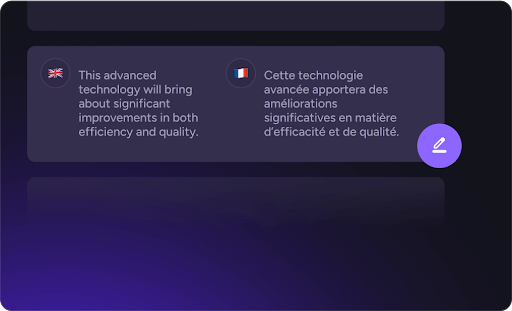
Automatic translation is fast, which tempts people to publish immediately. The problem is that brand names, product features and industry jargon often come out slightly wrong. A single mistranslated term in a pricing explanation or a safety instruction can confuse viewers or change the meaning entirely.
Make the transcript review a fixed step in your routine. Read the translated text line by line and mark anything that sounds odd. If you maintain a short glossary of approved terms, share it with every reviewer so decisions stay consistent across videos. Tools like AKOOL include an editing stage designed for this, so use it instead of treating the first draft as final.
Mistake Three: Ignoring Cultural Context
Literal accuracy does not guarantee that a message will land well. Jokes, idioms, sports references and even colors in on-screen graphics carry different meanings across regions. A phrase that sounds friendly in one language can sound pushy or childish in another.
Adapt References, Not Just Words
When a line relies on a local reference, replace it with an equivalent that your new audience will recognize. If no equivalent exists, simplify the line so the core idea stays clear. This is where a native speaker adds the most value, because they notice tone problems that software cannot flag.
Watch the Visuals Too
On-screen text, slides and captions inside the video may still be in the original language. Viewers notice that mismatch immediately. Plan to update or overlay those elements so the visual story matches the spoken one.
Mistake Four: Letting Timing Drift
Some languages need more words than others to express the same idea. If you simply drop the translated speech over the original footage, the voice may run past the scene it describes or race to keep up. Both feel unnatural and tire the viewer.
The fix is to review timing section by section. Where the translation is too long, shorten the sentence while keeping the meaning. Where it is too short, add a natural pause instead of padding it with filler. A quick check is to mute the video and watch only the pictures, then compare where the key moments occur with where the translated speech mentions them.
Mistake Five: Publishing Without a Real Listener
Teams often rely on their own judgment, even when nobody on the team speaks the target language well. The safest habit is to ask a fluent listener to watch the video before it goes public. Give them a short checklist so their feedback is specific:
Does the voice sound natural for this kind of content?
Are any terms awkward or unfamiliar to local viewers?
Does the pacing match what is shown on screen?
Would you trust the person speaking?
Even one review round can prevent most public corrections. Keep the notes and fold them into your glossary, so each new video starts from a better baseline than the last.
Building a Safer Routine
Avoiding these mistakes does not require a large team. It requires a short, repeatable checklist applied to every video: clean audio, reviewed transcript, cultural check, timing pass and a fluent listener. Pin it where your team works and treat it as part of publishing, not an optional extra.
Publish Translated Videos With Confidence
Most translation problems are predictable, which means they are preventable. Poor audio, unchecked transcripts, cultural blind spots, drifting timing and missing feedback account for the majority of embarrassing results. Address those five areas and your translated videos will feel intentional rather than rushed.
Start by applying the checklist to your next upcoming release. Note what you catch, refine your glossary and repeat. Over time the process becomes quick, and your international audience will see content that respects their language as much as their time.
HOW DO YOU FEEL ABOUT FASHION?
COMMENT OR TAKE OUR PAGE READER SURVEY
Featured



Reju Inc. is expanding its digital wellness platform with a Learning Management System and integrated Wellness Journal, bringing education, mental health resources, and personal development together in a more comprehensive technology ecosystem.