
Before You Reach for the Plunger: The First Hour of a Blocked Drain in Melbourne
PAGE
By PAGE Editor
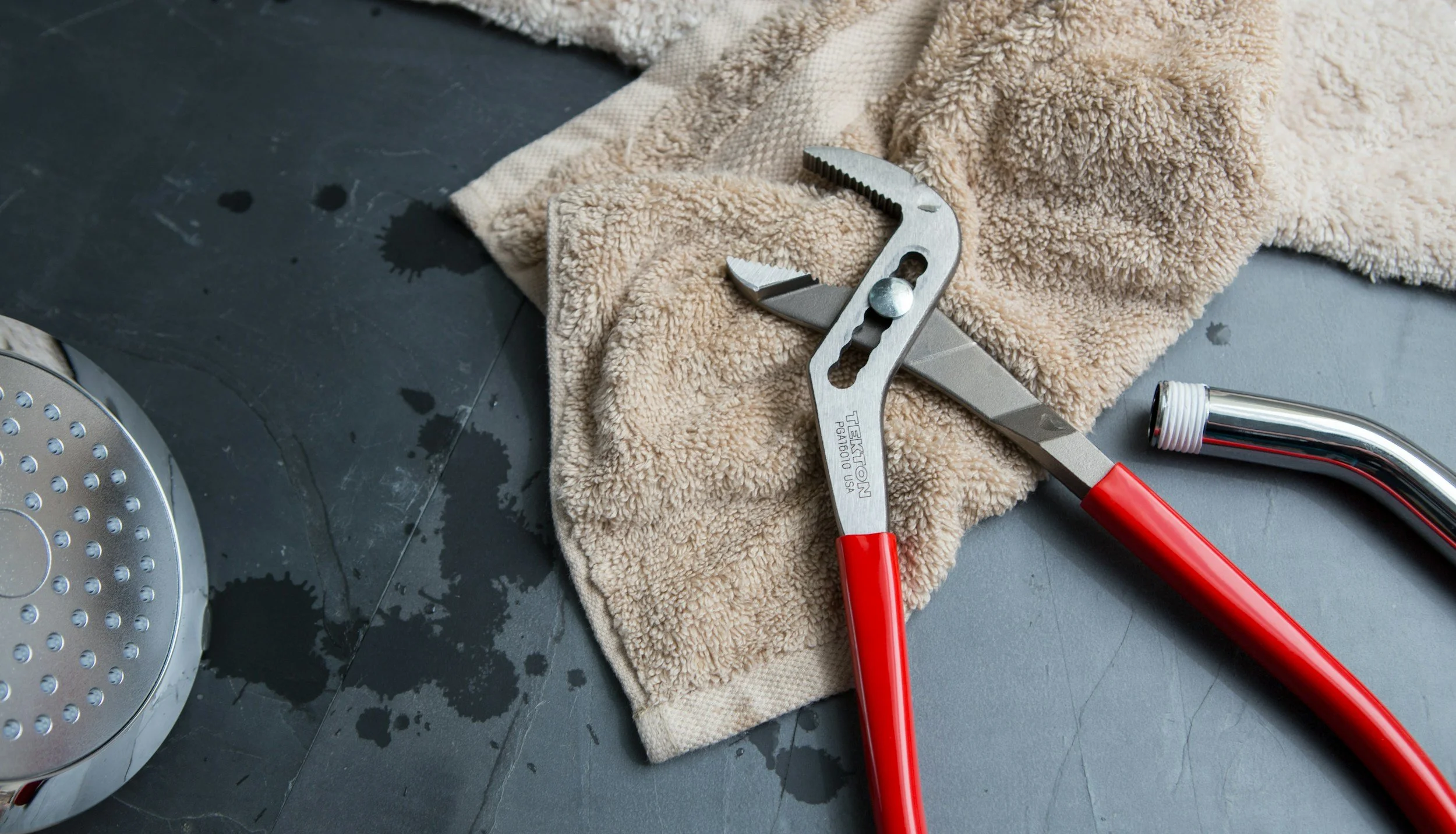
Water seeping through the shower floor at seven in the morning is an alarm call for a very specific kind of panic. In Melbourne, the problems with the blocked drain tend to occur when they least need to be addressed. The actions taken in the first hour may determine how complicated and costly the entire situation will turn out to be. What drain is blocked, whose pipe is it and what could be attempted to fix it without calling anyone to sort the thing out? Three fast questions are enough to transform the household crisis into a simple plumbing repair.
First Question: Sewer or Stormwater?
Melbourne dwellings have two distinct drainage systems that get people thoroughly confused all too often. The sewer takes the waste from toilets, kitchen, bathroom and laundry to treatment facilities. Stormwater takes rain from roofs and driveways and flows unprocessed to creeks and the bay. The two are owned by different parties, have distinct risks involved and require different solutions altogether.
The blockage of a toilet, slow flow in the shower or the overflow of a gully trap clearly indicate the sewer system problem behind most block drain Melbourne callouts. The pooling of water around the downpipes or the flooding of the yard during rain probably means that the stormwater system is blocked. Knowing which one of the two it is will help the plumber come prepared.
Second Question: Who Owns the Blocked Pipe?
The maintenance of sewer pipes is shared, and the boundary is usually a surprise for most homeowners. Melbourne water authorities normally manage the sewer branch to the point where it connects to the dwelling or one metre from the main pipe, whichever of the two is shorter. From that point to the dwelling, it is the owner’s responsibility to maintain the pipe and cover any costs.
The stormwater system maintenance follows the same principle, and the owners are responsible for maintaining the pipes until the legal point of discharge. The councils manage pipes, pits, kerbs and channels in road reserves and drainage easements. The blocked council pit on the property is an issue to report to the council.
What Really Is Safe to Try at Home?
A plunger is probably the safest go-to tool for dealing with a single blocked sink, shower or toilet. In most cases, simply removing and cleaning the trap under a kitchen sink will clear up blockages caused by food scraps and grease. And if a shower grate is clogged with hair, you can often clear it all up without even needing any tools; it’s a quick and simple fix.
But don’t even get started on using harsh chemical drain cleaners; they can do all sorts of damage to your pipes and local waterways. Pouring any chemicals into a fully blocked drain is just a recipe for disaster; you’ll end up with corrosive water sitting where some poor plumber is going to have to work. And as for boiling water, it can actually soften some plastic pipes, so it’s best to stick with warm water instead.
When to Just Give Up and Call a Plumber?
Some signs are just a dead giveaway that the blockage is way deeper than any household tool can reach:
Sewage overflow is bad news for your health, so keep the kids and pets away and avoid running any more water. And turn off the washing machine and dishwasher to prevent extra water piling onto the blockage.
What a Good Plumber Will Do When They Get to You?
A licensed plumber will probably start out by taking a look inside the pipe with a camera to figure out exactly what the problem is. Grease, wipes, tree roots and broken pipe sections each need a different way of dealing with them. High-pressure jetting will usually clear most soft blockages, while damaged pipes may need to be relined or replaced. And it never hurts to ask to see the camera footage; good plumbers will show it to you without you having to ask.
In some older suburbs where tree roots are a recurring problem, the issue is often with the clay sewer lines themselves. In those cases, it’s a deeper problem that needs to be sorted out.
Small Habits That’ll Save You from the Next Emergency
Most household blockages start with things that seem harmless going down the sink or toilet, but can actually cause big problems later on. Cooking oil and fat can cool inside pipes, coating the walls and trapping whatever else comes along. And don’t even get me started on wet wipes; they just refuse to break down like toilet paper, and the packaging is a blatant lie when it says they’re flushable. Cotton buds, dental floss and sanitary products all add to the problem pretty quickly as well.
HOW DO YOU FEEL ABOUT FASHION?
COMMENT OR TAKE OUR PAGE READER SURVEY
Featured




Reju Inc. is expanding its digital wellness platform with a Learning Management System and integrated Wellness Journal, bringing education, mental health resources, and personal development together in a more comprehensive technology ecosystem.