
Beyond the Mountains: Discovering Nepal Through Its Great Trekking Routes
PAGE
By PAGE Editor
Most people arrive in Nepal with a picture already in their head. Snow ridges, prayer flags snapping in the wind, a lone trekker silhouetted against Machapuchare at sunrise — that kind of thing. And Nepal does deliver those moments, generously so. But anyone who has actually spent two or three weeks walking through the hills will tell you the postcard image is only the cover of the book, not the story itself. What sticks with you afterward is rarely the summit photo. It's the smell of woodsmoke from a lodge kitchen, or a kid herding goats past you on a narrow stone path, completely unbothered by the fact that you're gasping for breath at 4,000 metres.
Annapurna Circuit trek is one of the better examples of this. It isn't a single dramatic push toward one viewpoint — it's a long, shifting journey through several different Nepals, one after another, connected by a trail that keeps changing under your feet. That's really the point of trekking here: the value sits in the space between the famous lookout points, not just at them. And because the terrain, the weather, and even the local dialect can shift every couple of days, the trail rarely lets you get bored or complacent.
What makes trekking in Nepal different? It combines Himalayan scenery with living mountain communities, shifting ecosystems, centuries-old trails, and everyday local life — not just mountain views from a distance.
What Nepal's Great Trekking Routes Actually Show You
The Landscape Changes Faster Than You Expect
Start low on most routes and you're walking through warm, almost subtropical valleys — banana leaves, rice terraces cut into hillsides, rivers running fast and brown after rain. Climb a bit further and the terracing gives way to pine forest, then rhododendron, which in spring turns entire hillsides red and pink. Keep going and the trees thin out, the air gets sharp, and you're suddenly in dry, wind-scoured valleys that look more like Tibet than anything you'd associate with Nepal. Around the higher passes, it's rock, scree, and not much else. This isn't unique to one trek, but it's especially pronounced on the Annapurna region routes, where you can genuinely feel four or five different climates in under two weeks of walking.
The Villages Are Part of the Trek, Not Just Overnight Stops
Tea houses get treated like a logistical detail in a lot of trip write-ups — somewhere to sleep, somewhere to eat dal bhat. But they're really where the trek happens on a human level. You end up sharing a table with strangers who become familiar faces by day five, swapping stories with a guide about his village, or watching a lodge owner patch a roof before the evening cold sets in. Add in the prayer wheels, the chortens marking a village entrance, the low stone houses with wood stacked on the roof for winter — all of it tells you more about mountain life in Nepal than any single viewpoint could.
Annapurna Circuit Trekking: A Route That Keeps Changing
If there's one trek that captures this constant shifting best, it's Annapurna Circuit Trekking. The route moves through farmland, forest, high desert, and alpine terrain, and along with the landscape, the culture shifts too — from Hindu lowland villages to the more Tibetan-influenced settlements higher up. By the time you reach Manang, you're in a completely different world from where you started: flat-roofed stone houses, dry mountain air, and a pace of life shaped by altitude and isolation rather than farming seasons.
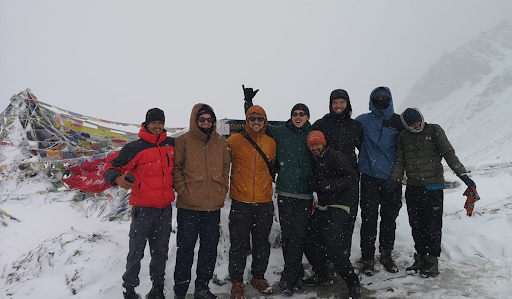
Then comes Thorong La Pass, sitting above 5,000 metres, and it tends to dominate conversation among trekkers weeks before they even get there. It's the physical high point of the trek, sure, but it's just as much a mental one — the early starts, the cold, the slow climb in thin air, and then the relief of the long descent toward Muktinath, a site sacred to both Hindus and Buddhists. What's easy to miss, though, is that the pass isn't really the whole story. The gradual transformation getting there — and the equally striking change in scenery coming down the other side into Mustang's drier, more desert-like terrain — is arguably what makes the circuit worth doing in the first place. Roads have crept into parts of the traditional route over the past decade, which has changed how some sections are walked, but the smaller side valleys and older trails still reward anyone willing to take the slower path rather than the jeep track.
Why is the Annapurna Circuit so popular? Because it packs unusually varied Himalayan scenery and cultural environments into one long trek — lower subtropical valleys, high mountain desert, traditional settlements, and the demanding crossing at Thorong La.
Beyond Annapurna: Nepal's Other Great Trails Tell Different Stories
Everest Region — Walking Into the High Himalaya
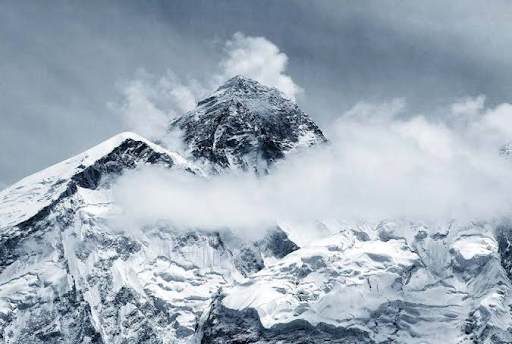
The trek toward Everest has its own character entirely, shaped heavily by Sherpa culture. Namche Bazaar functions almost like a mountain capital — bustling, full of gear shops and bakeries, a strange but welcome contrast to the quiet trail leading up to it. Further on, Tengboche's monastery sits with some of the most dramatic mountain backdrops anywhere in the world. There's something different about approaching Everest on foot, step by step, rather than flying straight into the shadow of it — the scale of the mountain builds gradually, and somehow that makes it feel bigger, not smaller.
Manaslu — A More Remote Mountain Journey
Manaslu doesn't get anywhere near the foot traffic of Everest or Annapurna, and that's exactly its appeal. It requires a restricted-area permit and a registered guide, which keeps numbers low and villages feeling less shaped by tourism. Trekkers who've done both routes often describe Manaslu as what the Annapurna Circuit might have felt like decades ago — quieter trails, more traditional villages, and a stronger sense of genuinely passing through somewhere rather than along a well-worn tourist corridor.
Langtang — Close to Kathmandu, Yet Culturally Distinct
Langtang sits surprisingly close to Kathmandu, which makes it a practical option for travelers short on time, but it doesn't feel like a lesser trek because of that. The valley is home to Tamang communities, with their own distinct customs and architecture, and the trail moves through dense forest before opening into wide glacial valleys. It has a different rhythm from Everest or Annapurna — shorter, but no less immersive.
Put these routes side by side and it becomes obvious that trekking in Nepal isn't one experience wearing different names. Each region has its own personality, its own pace, its own reasons for existing on a trekker's list.
The Part You Remember Later Is Often Not the Summit
Ask someone a year after their trek what they actually remember, and it's rarely the viewpoint photo everyone takes. It's more likely to be the early morning cold before the sun hits the valley, or a lodge owner refilling your tea without being asked. Maybe it's a porter humming to himself under a heavy load, or kids walking to school along the same trail you're struggling up. Prayer wheels spinning by the path. The particular silence of a high valley once the wind drops. Watching a village shrink behind you as the trail climbs higher, until it's just a scatter of rooftops and then nothing at all.
None of this shows up well in a highlight reel, but it's what actually stays with people. A trek measured only by its summit photos misses most of what made it worth doing.
What Experience Teaches You About Trekking in Nepal
Altitude Changes the Rules
Altitude doesn't care how fit you are. Gradual ascent matters more than almost anything else on a high trek, and acclimatization days — even when they feel like wasted time — often make the difference between a manageable trek and a miserable one. Headaches, unusual fatigue, nausea, trouble sleeping — these aren't things to push through quietly. They're signals worth mentioning to your guide sooner rather than later.
Fitness Is Useful, But Pacing Matters More Than Ego
You don't need to be an elite athlete to trek in Nepal, but some walking preparation beforehand genuinely helps. What matters more day to day is pacing — going slower than feels natural, especially above 3,000 metres, drinking enough water, eating properly even when appetite drops off, and accepting that weather or trail conditions might rearrange your plans. Ego tends to be the thing that gets people into trouble on the trail, not fitness.
How to Experience the Trail Responsibly
Respecting local customs at monasteries and religious sites goes a long way, as does cutting down on plastic waste where possible — carrying a reusable bottle or filter instead of buying bottled water at every lodge, for instance. Sticking to established accommodation and waste systems helps keep fragile mountain environments from being overwhelmed, and it's worth being thoughtful about photographing people, asking rather than assuming. Paying guides and porters fairly, and choosing locally owned lodges and services where you can, puts trekking income directly into the communities the trail passes through. Companies like Nepal Eco Adventure are among those travelers sometimes come across while researching operators that lean into this kind of responsible approach — worth knowing exists as you weigh your options. None of this is complicated, but it's the difference between trekking through a place and trekking on top of it.
Planning the Right Nepal Trek for Your Travel Style
If changing landscapes and a long journey through contrasting environments appeal to you, Annapurna Circuit Trekking is hard to beat. If Sherpa culture and the pull of Everest itself are the main draw, the Khumbu region makes more sense. Want something quieter and less touristed — Manaslu fits that brief. Short on time but still want a proper Himalayan experience with strong cultural texture — Langtang is worth a serious look. Beyond personal interest, the right route also comes down to how much time you have, your fitness and altitude tolerance, the season, and how much high-altitude trekking you've done before.
Beyond the Mountains, Nepal Is the Journey Between Them
Nepal's trekking routes were never really just corridors leading to a mountain view. The actual experience builds slowly, through changing landscapes, small conversations, shifting altitude, unpredictable weather, and the everyday rhythm of villages you pass through. Annapurna Circuit Trekking captures this particularly well, precisely because the journey keeps evolving — climbing through one world, crossing into another at the pass, then descending into something entirely different again. The mountains might be what draws you to Nepal in the first place. It's the trail that ends up teaching you what the country actually feels like.
Frequently Asked Questions About Trekking in Nepal
Is Annapurna Circuit Trekking difficult?
It depends heavily on your itinerary, the weather you hit, your fitness, and how seriously you take acclimatization. The crossing at Thorong La is the most demanding section for most trekkers, but a well-paced itinerary makes the rest of the trek manageable for people with reasonable hiking experience.
How high is the Annapurna Circuit's highest point?
Thorong La Pass sits at roughly 5,416 metres (17,769 feet). The number itself matters less than what it means practically — thin air, cold temperatures, and the need for proper acclimatization before you attempt it.
How many days do you need for the Annapurna Circuit?
There's no single fixed answer here. It depends on where you start and finish, how much road transport you use, how many acclimatization or side-trip days you build in, and your own pace. Itineraries vary quite a bit between trekkers.
Is trekking in Nepal suitable for first-time trekkers?
Some routes are genuinely accessible to beginners, but anything at high altitude demands preparation and sensible pacing regardless of experience level. First-timers are usually better off choosing a route and itinerary that matches their fitness and comfort level rather than jumping straight into the longest or highest option.
What makes the Annapurna Circuit different from other Nepal treks?
Mostly its range — the ecological transitions, the mix of communities along the way, the high mountain terrain, and the crossing at Thorong La all combine in a way that few other single routes manage.
HOW DO YOU FEEL ABOUT FASHION?
COMMENT OR TAKE OUR PAGE READER SURVEY
Featured





For many people, the end of the workday does not always mean the beginning of recovery.