
Can a Solar Generator Replace a Gas Generator?
PAGE
By Finixio DIgital
A solar generator can replace a gas generator for many common uses, especially home backup for essentials, RV travel, camping, tailgating, and short emergency outages. It offers silent or near-silent operation, simple setup, and no need to store fuel. However, replacement only works when the solar generator’s battery capacity, inverter output, and recharging options match the appliances you want to run. Gas generators still hold an advantage for very high wattage loads and long runtimes without sunlight. The better choice comes down to how much power you need, how long you need it, and whether convenience, noise, or fuel access matters most.
How Do Solar Generators and Gas Generators Work Differently?
Solar Energy Storage and Battery-Based Power Generation
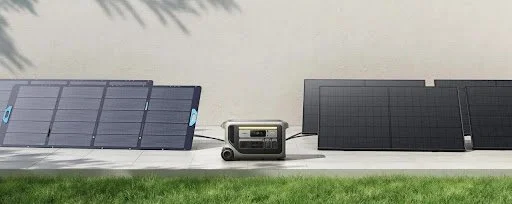
A solar generator does not create electricity by burning fuel. Instead, portable solar panels collect sunlight, a charge controller regulates incoming energy, and the battery stores that power for later use. When you plug in devices, an inverter converts stored DC electricity into usable AC power. This design makes solar generators clean, quiet, and easy to use indoors or in enclosed spaces where fumes would be dangerous. Performance depends on battery size, inverter rating, and solar input speed. For example, the Anker SOLIX F3000 supports quiet backup use and delivers whisper-quiet performance at just 35 dB under 1,800W, making nighttime operation far less disruptive than traditional fuel-powered equipment.
Fuel-Based Operation and Continuous Power Production
A gas generator works by burning gasoline to drive an engine connected to an alternator. That mechanical process produces electricity continuously as long as the machine has fuel and proper ventilation. Because power comes from combustion rather than stored battery energy, a gas generator can often support longer operation without waiting for recharge time. Refueling is usually faster than recharging a battery, which is a major advantage during extended outages or at job sites with heavy loads. However, fuel-based operation also brings exhaust, engine noise, vibration, and regular maintenance. Oil changes, spark plug checks, fuel stabilizer, and safe gasoline storage all become part of the real ownership experience.
Comparing Performance, Convenience, and Reliability Factors
Runtime, Power Output, and Different Energy Demands
Runtime is where the biggest practical difference appears. A solar generator runs until its battery is depleted, and then it must recharge from solar panels, wall power, or another input source. That makes it excellent for phones, laptops, lights, routers, portable fridges, CPAP machines, and some kitchen devices, but more limiting for whole-home HVAC systems, large well pumps, or power-hungry tools. Gas generators usually offer higher sustained output for demanding equipment and can keep going with additional fuel. For moderate household backup, a properly sized solar generator can cover essentials comfortably. For heavy startup loads or several large appliances at once, gas remains the stronger option for most users.
Noise, Maintenance, and Environmental Considerations
For convenience, solar generators have clear advantages. They start instantly, require little routine maintenance, and produce no exhaust during operation. That makes them easier to use in garages, campsites, cabins, and homes during emergencies, provided ventilation and electrical safety rules are followed. They are also far quieter than engine-driven models, which matters for sleep, neighbors, and campground rules. Gas generators demand more attention: refueling, engine upkeep, periodic test runs, and weather-aware fuel storage. They also release emissions and create more noise pollution. If you value simple operation, cleaner energy, and low-disruption backup, a solar generator usually delivers a noticeably better day-to-day user experience overall.
When a Solar Generator Can Be a Better Alternative
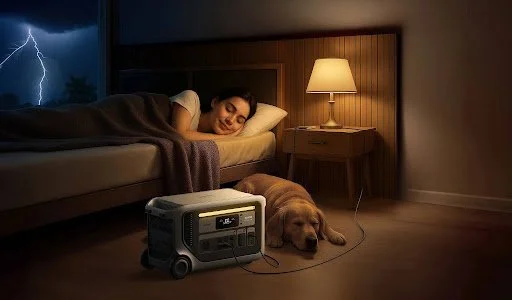
A solar generator is often the better alternative when you need portable, low-maintenance power for essential devices rather than maximum output. It works especially well for apartment dwellers, campers, RV users, remote workers, and homeowners who want backup for lights, communications, medical devices, fans, and refrigeration during shorter outages. It also fits situations where indoor-safe operation, quiet performance, and freedom from fuel storage are important. For overnight use, low noise can be a major advantage. If your goal is to keep key electronics and household basics running without engine fumes, refueling trips, or constant mechanical upkeep, a solar generator can replace a gas unit effectively and more comfortably.
Situations Where a Gas Generator May Still Be Needed
A gas generator may still be necessary when your power demands are great, constant, or difficult to predict. Homes that need to run central air conditioning, electric water heaters, sump pumps during storms, workshop tools, or multiple large appliances for extended periods often require the higher sustained wattage that fuel generators provide. They are also useful when sunlight is limited for days and recharging a battery bank would take too long. In remote disaster scenarios, stored fuel can support immediate continuous output if managed safely. If your backup plan centers on whole-home coverage or heavy-duty equipment rather than selective essential loads, gas power remains the more capable solution.
Conclusion
A solar generator can replace a gas generator for many people, but not for every power scenario. It is the better fit for quiet, clean, low-maintenance backup of essential devices, especially for camping, RV use, apartments, and shorter home outages. Gas generators still make more sense for heavy loads, whole-home backup, and long runtimes when sunlight or recharge access is limited. The smartest choice is to match the generator to your real energy needs instead of assuming one type suits every situation. If you prioritize convenience, quiet operation, and cleaner power, a solar generator is often the stronger replacement.
HOW DO YOU FEEL ABOUT FASHION?
COMMENT OR TAKE OUR PAGE READER SURVEY
Featured




Arizona has one of the more active networks of down payment assistance programs in the western United States.