
Power Station Runtime Comparison: What Matters Most?
PAGE
By Finixio DIgital
Power station runtime depends on more than the battery size printed on the box. To compare models accurately, you need to look at usable battery capacity, inverter efficiency, device power draw, charging speed, and battery chemistry. These factors determine how long a unit can run appliances, how quickly it recovers between outages or trips, and how well it performs over years of use. A smart runtime comparison focuses on real operating conditions rather than headline numbers alone. That approach helps buyers choose a backup solution that fits home needs, outdoor use, and emergency preparedness with fewer compromises.
Compare Battery Capacity and Energy Efficiency for Runtime
Why Battery Capacity Directly Affects Operating Time
Battery capacity is the starting point for any power station runtime comparison because it defines how much stored energy is available before recharging. Capacity is usually measured in watt-hours, and higher watt-hours generally mean longer operating time for the same device load. For example, a 500-watt appliance will run much longer on a larger-capacity unit than on a compact model. This is why runtime estimates should always connect battery size to the actual power draw of the devices you plan to run. Capacity also matters more when you need backup for several appliances at once, overnight use, or repeated operation during outages rather than occasional short bursts.
How Energy Conversion Efficiency Changes Real-World Runtime
Real-world runtime is always lower than the simple battery-capacity-divided-by-device-wattage formula because energy conversion introduces losses. Power stations use inverters and internal electronics to deliver usable AC or DC output, and those systems consume part of the stored energy. A more efficient design leaves more power available for appliances and extends runtime under the same load. This becomes especially noticeable with long-running devices such as refrigerators, fans, communication equipment, and lights. For buyers comparing options, usable energy matters more than theoretical capacity alone. Look beyond headline numbers and focus on how efficiently the unit delivers power in everyday operation, especially if backup duration is your top priority.
Evaluate Power Consumption for Different Devices and Scenarios
Continuous Loads vs. Short-Term High Power Demands
Device behavior matters as much as battery size when estimating runtime. Continuous loads, such as routers, CPAP machines, fans, and small refrigerators, draw power steadily over long periods, so their energy use is easier to calculate. Short-term high power demands work differently. Appliances with motors, compressors, or heating elements can pull a large surge at startup or during brief operation, even if their average energy use stays moderate. A power station must handle both the surge and the ongoing draw. When comparing runtime, separate steady loads from intermittent ones and total their expected wattage realistically. This gives a clearer picture of how long the system will run under actual household, campsite, or emergency conditions.
Matching Runtime Expectations With Home, Outdoor, and Emergency Uses
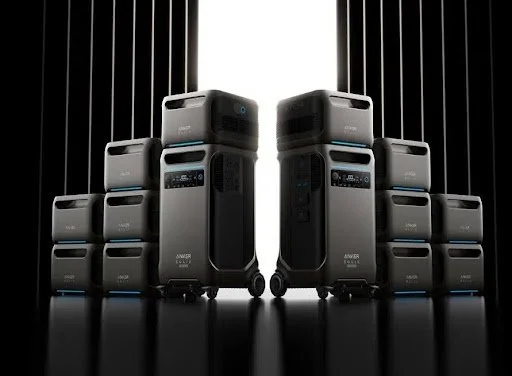
Runtime needs change by use case, so comparisons should reflect where and how the power station will be used. For home backup, users often prioritize longer runtimes for essentials such as refrigerators, lighting, internet equipment, and medical devices. Outdoor users may care more about powering coolers, cooking gear, cameras, or charging multiple electronics over a weekend. Emergency planning usually demands a balance between runtime, output, and recharge flexibility. In this context, the Anker SOLIX F3800 Plus Portable Power Station uses EV-Class LFP batteries rated for 3,000 cycles, which supports repeated backup use over time. Matching the unit to realistic device lists and usage hours leads to a far more accurate runtime expectation.

Other Factors That Influence Long-Term Power Station Performance
Charging Methods and Recovery Time Between Uses
Runtime is only part of the comparison; recovery time matters too. A power station that takes too long to recharge may leave you underprepared for the next outage, work shift, or day outdoors. Fast AC charging helps restore capacity quickly at home, while solar charging adds flexibility for off-grid use and extended emergencies. Car charging can also be useful during travel, though it is usually slower. The best choice depends on how often the unit is used and how quickly you need it ready again. When comparing models, look at supported charging methods, expected recharge times, and whether the system can maintain practical use across back-to-back days without long downtime.
Battery Technology and Maintenance for Consistent Runtime
Battery chemistry strongly affects long-term runtime consistency. Lithium iron phosphate, or LFP, is widely valued for durability, thermal stability, and slower capacity loss over repeated charge cycles. That makes it a strong choice for users who expect frequent use, backup duty, or long service life. Over time, all batteries experience some decline, but higher-quality chemistry and a good battery management system help preserve usable runtime longer. Maintenance also plays a role. Proper storage temperature, regular charging within recommended ranges, and avoiding unnecessary deep depletion can support better long-term performance. When comparing power stations, buyers should consider not just day-one runtime but how reliably that runtime can hold up after years of ownership.
Conclusion
The most important factor in any power station runtime comparison is usable energy, not the headline number alone. Battery capacity sets the foundation, but efficiency, device power draw, charging speed, and battery chemistry determine what you actually get in practice. Strong runtime planning also requires matching the unit to the way it will be used at home, outdoors, or during emergencies. Buyers who compare these factors together make better choices and avoid unrealistic expectations. A reliable power station is one that delivers enough power for your essential devices, recharges fast enough for repeated use, and maintains dependable performance over the long term.
HOW DO YOU FEEL ABOUT FASHION?
COMMENT OR TAKE OUR PAGE READER SURVEY
Featured




Digital rewards strengthen luxury through practical service, selective access, and thoughtful personalization that keeps each purchase valuable for longer.