
Essential Outdoor Watering Tips for Flowers, Shrubs, and Lawn Care
PAGE
By PAGE Editor
Watering is key to a healthy garden. Good watering practices lead to good root growth and a healthy garden throughout the summer. Good watering practices lead to good root growth and a healthy garden throughout the summer. It provides access to plants without having to enter the bed.
Use the correct watering system.
Nestled outside plants should be watered in the morning. Soils may absorb the water before temperatures get high. Less water evaporates. When watering, be sure to do so at a period of the day when temperatures are lower. Mistakes can be made, for example, by watering in the evening, which will cause the leaves to remain wet for a lot longer. This can make it more likely that some plant diseases occur.
Outdoor Watering Tips
Water Plants Early in the Morning
Check Soil Moisture
Water Flower Beds Gently
Choose the Best Watering Wand
Water Shrubs Deeply
Follow Proper Lawn Watering
Care for Hanging Baskets
Save Water in the Garden
Test the soil before applying water.
Avoid watering when it appears dry on the surface of the soil. Examine the soil first. Insert a finger about 1 inch into the soil close to the plant. If dry, it can require watering. For larger plants, dig around the base. Sand is a rapidly draining soil.
Carefully water flower beds.
Plants with varying water requirements are frequently grown in flower beds. There are some flowers that require moist soil. Others do well in somewhat dry conditions. Place water close to the roots of each plant. This will enable roots to take in water. It will also keep water off flowers and foliage. Gently spray with water if the flowers are small. With a watering wand, this can be done more easily.
Select the Watering Tools Appropriately
You're not wasting time or effort if you have the right equipment. It also controls the water flow. A garden hose nozzle is a useful hose tool for all outdoor applications. Has several spray patterns for a variety of plants. Apply a soft spray to flowers and seedlings. A stronger setting is to be used only when suitable for cleaning a dirty surface. If you're looking for the best watering wand, you can check these features out:
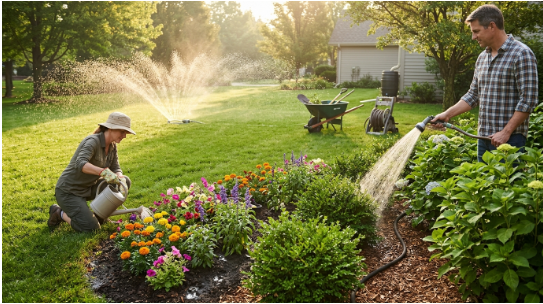
Comfortable to hold with an easy-grip handle.
Lightly misted flowers.
A tall structure for tall plants and hanging flower baskets.
A lightweight body for daily use.
A secure connection to the garden hose.
Plant trees in full sun and water thoroughly.
Water trees deeply and slowly. Usually, sufficient water is needed close to the base of shrubs. Short-duration splashing may not get to the bottom. Slowly close water near the shrub's bottom. Allow it to absorb into the soil. Avoid watering trunks. For people who water numerous plants, the garden hose wands are a nice thing to have.
Water Lawns Wisely
Lawns need sufficient water supplies to promote good root health. Rather frequent, shallow watering may lead to shallow roots. Thoroughly water as needed. Water in between sessions so that the soil can absorb water. Variety of grass, soil, and local weather conditions have an effect on the schedule. Please be aware of water stress indicators. Grass that is dull or imprinted might need to be maintained.
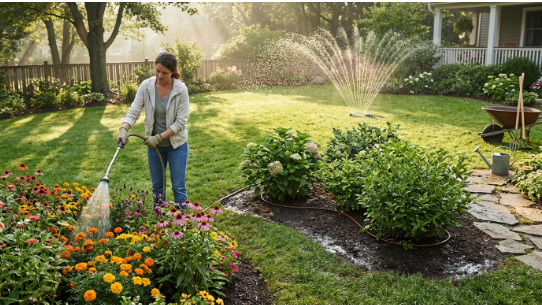
Use of potted plants and containers.
It is possible for hanging baskets to dry out before garden beds. The soil in their pots doesn’t retain water as well. NEVER leave pots in water for longer than needed. If there is a height setting on the garden watering wand, use it to water hanging baskets safely with a long wand. It can also aid in the watering of plants in close quarters. Stable step platform or a lower basket for watering very high baskets. Don't overextend with a hose.
Simple Water-Saving Methods
Minor changes can minimize water loss.
Mulch around plants and bushes.
Fix any damaged hoses and connections.
Put plants of similar watering needs together.
Catch rainwater (as permitted by local regulations).
Use a suitable flow control hose nozzle or watering wand.
Look in the water garden and see if there are any areas that might be dry.
These steps will help maintain the health of the garden and are steps toward being water efficient.
Conclusion
Look at the soil and water at appropriately timed intervals and employ appropriate equipment. There are a number of flower beds that should be gently cared for, a few shrubs that need slow watering, and a few lawns that need a proper watering program.
HOW DO YOU FEEL ABOUT FASHION?
COMMENT OR TAKE OUR PAGE READER SURVEY
Featured




You wipe down the kitchen counters, wash the dishes, and put everything away before going to bed.