
How Digital Fashion Is Changing Personal Style and Creative Expression

PAGE
By PAGE Editor
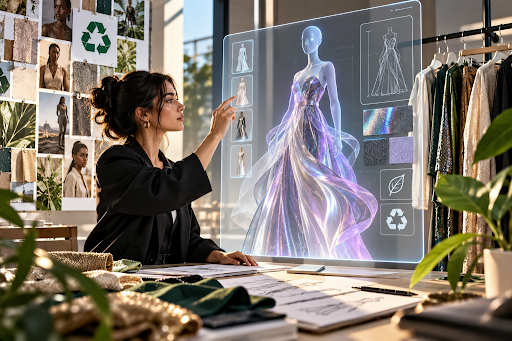
A designer creates a flowing metallic dress that changes color with every movement. The fabric looks realistic, the silhouette follows the body, and the finished garment can be photographed, shared and worn by a digital avatar. Yet no physical fabric has been cut, no sewing machine has been used, and the dress exists entirely within a virtual environment. What once sounded like science fiction is now part of an emerging creative movement connecting fashion, technology and personal identity.
Digital fashion is changing how designers experiment with clothing and how people express themselves online. From virtual fitting rooms to inclusive avatar customization, new technologies are challenging traditional ideas about what fashion should look like, who it should represent and how clothing can be created. These developments also raise important questions about sustainability, accessibility and the future of personal style.
Why Digital Fashion Has Become So Influential
Fashion has always evolved alongside technology. Industrial manufacturing transformed clothing production, photography changed how collections reached audiences, and social media made personal style visible to millions of people. Digital fashion represents another stage in this evolution, allowing clothing to exist independently of physical materials.
Designers can now create garments using three-dimensional modeling software, experiment with unusual silhouettes and visualize different materials before producing physical samples. Digital environments also allow them to explore concepts that would be impractical in traditional manufacturing, such as animated fabrics, changing textures and garments that respond to movement.
The growing influence of virtual fashion reflects a wider transformation in digital culture. People increasingly express their identities through online profiles, avatars and interactive platforms, making visual presentation an important part of the digital experience. This emphasis on appearance extends across different entertainment environments, from virtual fashion spaces and video games to online platforms such as richard casino, where interface design and visual branding contribute to the overall user experience. Although these platforms serve different purposes, they illustrate how digital aesthetics influence the way people interact with online services.
The Different Forms of Digital Fashion
Digital fashion includes several approaches to designing, presenting and experiencing clothing. Some technologies support traditional fashion production, while others create entirely virtual garments intended for online environments. The most common categories include:
Virtual clothing: Garments created digitally for avatars, photographs or online environments without requiring physical production.
Digital fashion sampling: Three-dimensional prototypes that allow designers to evaluate garment shapes, proportions and construction before creating physical samples.
Virtual fitting rooms: Technologies that help shoppers visualize how clothing might look on their bodies before purchasing.
Inclusive avatar fashion: Customizable digital clothing designed to represent different body shapes, identities and personal styles.
Digital couture: Experimental fashion designs featuring unconventional materials, animated textures and silhouettes that may be impossible to reproduce physically.
These categories demonstrate that digital fashion is not a single technology or trend. It includes practical tools for improving existing fashion processes alongside creative experiments that challenge conventional clothing design. Their value depends on how effectively they address real needs, whether reducing unnecessary production, improving accessibility or expanding opportunities for personal expression.
Three Ways Digital Fashion Is Transforming the Industry
Digital fashion is influencing the industry through three interconnected developments. Virtual design tools are changing how clothing is created, inclusive technologies are expanding opportunities for representation, and interactive environments are introducing new ways to experience personal style. Each development offers possibilities while presenting challenges that designers and consumers must consider.
Sustainable Design: Reducing the Need for Physical Samples
Traditional fashion development often requires several physical samples before a garment reaches its final form. Digital design tools allow teams to test shapes, colors and proportions virtually, potentially reducing material waste and unnecessary production.
However, digital fashion is not automatically sustainable. Rendering garments and operating virtual platforms require electricity, so environmental benefits depend on whether these technologies genuinely replace resource-intensive processes.
Inclusive Fashion: Expanding Representation and Personal Expression
Traditional fashion has often been criticized for limited representation of different body shapes and identities. Digital fashion offers greater flexibility through customizable avatars and garments that can adapt to a wider range of proportions.
Virtual environments also encourage experimentation beyond conventional beauty standards and gender categories. However, meaningful inclusivity requires accessible platforms and customization options that reflect diverse users.
Virtual Experiences: Connecting Fashion With Digital Culture
Virtual exhibitions, interactive showrooms and gaming collaborations allow designers to present collections beyond traditional runway events. These experiences connect fashion with audiences who already use digital environments for entertainment and self-expression.
Balenciaga’s 2021 collaboration with Fortnite demonstrated this connection by introducing digital outfits alongside physical clothing, showing how virtual and traditional fashion can complement each other.
How Technology Is Changing Fashion Consumption
Online shopping has made clothing more accessible, but choosing the right size and fit remains challenging. Virtual fitting rooms attempt to address this by allowing consumers to preview garments using digital models or augmented reality.
These technologies may support more informed purchasing decisions and potentially reduce returns. However, virtual previews cannot always reproduce the comfort, texture or movement of physical clothing.
Digital wardrobes also allow people to experiment with different styles without purchasing physical garments. While this creates opportunities for creative expression, limited-edition virtual collections can still encourage unnecessary consumption.
Making Digital Fashion More Accessible
Digital fashion can remove certain barriers to creative expression, but access to specialized software and powerful devices remains a challenge. Independent designers may struggle with the cost of technology and the skills required to use it.
Consumer platforms must also consider accessibility. Clear interfaces, diverse avatar options and compatibility with different devices can help more people participate in virtual fashion experiences.
Inclusive design means offering clothing and customization options that reflect different body shapes, identities and abilities. Without these considerations, digital fashion risks repeating the limitations of traditional retail.
Comparing the Main Digital Fashion Innovations
Digital fashion technologies serve different purposes, from reducing physical sampling to expanding personal expression. The table below compares their main applications and potential benefits.
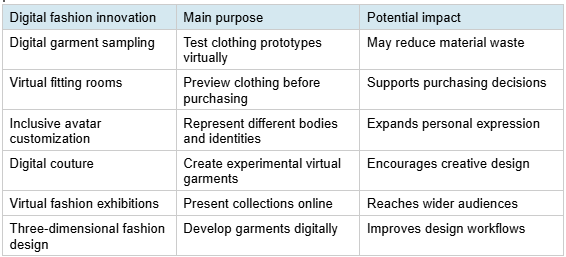
Not every technology will become a permanent part of the fashion industry. Its long-term value will depend on accessibility, affordability and whether it provides meaningful benefits for designers and consumers.
The Bottom Line
Digital fashion is changing how clothing is designed, presented and experienced. Virtual garments, three-dimensional design and interactive environments offer new opportunities for creativity while potentially reducing unnecessary physical production.
Its future depends on balancing innovation with sustainability and inclusivity. The most valuable technologies will be those that make fashion more accessible, encourage diverse forms of expression and support responsible design practices.
FAQ
Can digital fashion help make the clothing industry more sustainable?
Yes, digital tools can reduce the need for physical samples and unnecessary material use. However, their environmental benefits depend on energy consumption and whether they replace traditional production processes.
How does digital fashion support inclusivity?
Digital fashion allows users to customize avatars and clothing to represent different body shapes, identities and personal styles. Accessible platforms and diverse customization options are essential.
What is the difference between digital fashion and traditional fashion?
Traditional fashion involves physical garments, while digital fashion uses virtual tools to design, visualize or display clothing. Some digital designs support physical production, while others exist only online.
What are virtual fitting rooms in fashion?
Virtual fitting rooms use digital models or augmented reality to help shoppers preview clothing before purchasing, providing an approximation of how garments might look or fit.
HOW DO YOU FEEL ABOUT FASHION?
COMMENT OR TAKE OUR PAGE READER SURVEY
Featured





A designer creates a flowing metallic dress that changes color with every movement.