
How Himalayan Salt Became the Ingredient That Clean Beauty Could No Longer Ignore
PAGE
By PAGE Editor
Key Takeaways
Clean beauty's shift toward mineral-rich, single-origin ingredients made Himalayan salt a natural fit
Its mineral profile including iron, magnesium, and calcium gives it a functional advantage over standard sea salt or table salt
Most brands sell it without any documentation proving it came from the Khewra Salt Mine in Pakistan
The wellness industry has the same sourcing transparency problem that fashion has been forced to fix
Verified origin and third-party lab testing are now becoming brand credibility requirements, not optional extras
Ten years ago Himalayan salt was in your kitchen. Today it is in your bath ritual, your face scrub, your body polish, and your bedroom in the form of a glowing lamp. The clean beauty movement did not plan for this. But the more it built its principles around natural ingredients, traceable sources, and minimal processing, the more Himalayan salt fit every standard it was writing.
This is not a trend that arrived suddenly. It is a slow accumulation of values that finally caught up to an ingredient that was always there.
What Did the Clean Beauty Movement Actually Change?
Clean beauty started as a reaction to synthetic chemicals. The first wave of clean brands removed parabens, sulfates, and artificial fragrances from their formulations. The second wave asked harder questions. Not just what is in this product but where did it come from, how was it processed, and what is its mineral composition. That second shift is where Himalayan salt became relevant in a new way.
It is not a manufactured ingredient. It does not come from a factory. It comes from the Khewra Salt Mine in Punjab, Pakistan, a geological site that has been actively mined since the 13th century. For a movement built entirely on traceability and natural origin, that story is difficult to ignore.
The shift also changed what consumers expected from bath and body products. Mineral-rich bath soaks, exfoliating scrubs, and restorative body treatments became a serious category rather than a niche one. The quality of salt used in those products started to matter. Working with a verified bath salts manufacturer who can provide documented mineral content became the difference between a product with a real claim and one with just marketing language on the label.
What Makes Himalayan Salt Different From Other Salts?
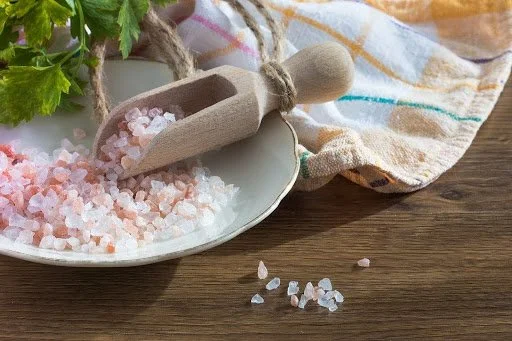
Standard table salt is sodium chloride with anti-caking agents added. Sea salt is closer to natural but carries a growing contamination concern because of microplastics in ocean water. Himalayan pink salt contains trace minerals including iron, calcium, magnesium, and potassium. The iron content is what produces the distinctive pink color.
For skincare and bath applications, those minerals have real functional roles. Magnesium supports skin barrier repair. Calcium helps regulate skin cell renewal. These are not invented marketing benefits. They are the documented properties of the mineral composition found in authenticated Himalayan salt.
The clean beauty consumer already knows this. They are reading ingredient labels and asking what those ingredients actually do. A brand using verified mineral-grade Himalayan salt can answer that question clearly. A brand using generic bulk salt with no documentation cannot.
Why Is Sourcing Suddenly the Real Problem?
The global demand for Himalayan salt products grew faster than sourcing standards could keep up. As PAGE has covered in its reporting on supply chain transparency in the wellness space, the gap between what brands claim and what their supply chain can actually prove has become a defining issue.
Most products sold under the Himalayan pink salt name carry no documentation linking them to the Khewra Mine. Some reach the market through distributors who import bulk salt and repackage it without disclosing its actual origin or providing mineral analysis results.
Reputable Himalayan salt exporters provide certificates of analysis from independent labs, documentation of mine origin, and verified mineral content data with every order. Most brands buying through unverified channels receive none of that. They are selling provenance without proof.
This is the same problem that fashion has been fighting for years. The difference is that several markets now legally require fashion brands to prove their material claims. Wellness brands face no equivalent requirement yet. But consumer behavior is moving ahead of regulation, as it usually does.
What Does This Mean for Brands Going Forward?
As PAGE explored in its coverage of how sustainability is reshaping industry standards, the brands that lead the next phase are not necessarily the ones with the most complex products. They are the ones that can document their supply chain and stand behind what is on the label.
Himalayan salt is a useful test case for this because it is simple. There are no complex chemical processes involved. The ingredient either came from a verified source with proper mineral documentation, or it did not. That clarity is rare in the ingredient world and it is exactly what clean beauty consumers are starting to demand.
The brands that answer that question early will be in a better position than the ones who wait for it to become a regulatory requirement.
FAQs
What minerals does Himalayan pink salt contain?
Himalayan pink salt contains trace minerals including iron, magnesium, calcium, and potassium. The iron content is responsible for the pink color and is the key marker used to differentiate it from standard sea salt or table salt.
Is all Himalayan pink salt from the same source?
No. Authentic Himalayan pink salt comes exclusively from the Khewra Salt Mine in Punjab, Pakistan. Products sold without origin documentation may come from other sources and do not carry the same verified mineral profile.
How do wellness brands verify the quality of Himalayan salt?
Reputable manufacturers provide a certificate of analysis from a third-party lab with every batch. This document shows the sodium chloride percentage, moisture content, mineral trace levels, and heavy metal screening results. Brands should request this before placing any order.
Why does sourcing matter for clean beauty products?
Clean beauty is built on the principle that ingredients should be traceable, natural, and free of unnecessary processing. Sourcing documentation proves that the ingredient in the product matches the claim on the label. Without it, natural marketing language is unverifiable.
What should wellness brands look for in a salt supplier?
Brands should look for a supplier who provides third-party certificates of analysis, documented mine origin for Himalayan salt specifically, clear processing information showing no artificial additives, and export compliance documentation for the destination market.
HOW DO YOU FEEL ABOUT FASHION?
COMMENT OR TAKE OUR PAGE READER SURVEY
Featured




Finding the right job in human resources or recruitment can take time, especially when you're searching online.