
How Major Weight Loss Can Change the Way We Dress, Move and See Our Bodies
PAGE
By PAGE Editor
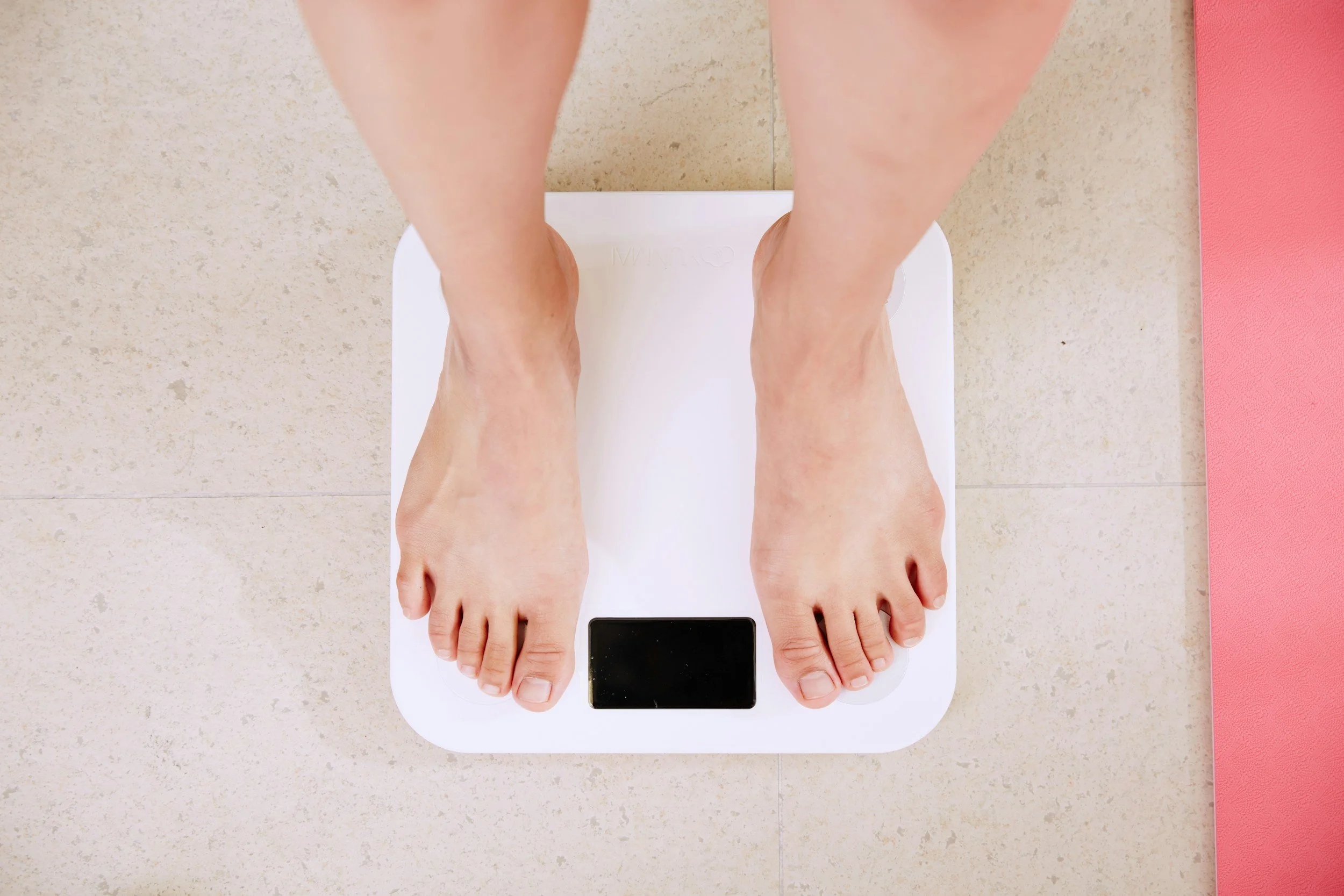
Weight loss is usually discussed in numbers: pounds lost, BMI changes or inches disappearing from the waist. But anyone who has experienced a major physical transformation knows that the changes can extend far beyond the scale.
Clothing fits differently. Movement feels different. Personal style may change. And after substantial weight loss, the body itself may not necessarily look the way someone expected.
When Weight Loss Becomes a Major Transformation
There are many paths to losing weight. Nutrition, physical activity and behavioral changes remain fundamental, while modern medicine has expanded the options available to people living with obesity.
For some individuals who meet appropriate medical criteria, sleeve gastrectomy as a weight-loss option may become part of a broader treatment plan that continues well beyond the operation itself.
During sleeve gastrectomy, the size of the stomach is reduced. The procedure is used as part of the treatment of obesity, but surgery itself is only one stage of a longer process.
Nutrition, physical activity, new eating habits and ongoing medical follow-up remain important afterward. For many people, the bigger adjustment begins when their body starts changing rapidly.
Your Wardrobe May Change Before Your Self-Image Does
Losing a significant amount of weight creates an unusual fashion problem: your existing wardrobe may suddenly belong to a body you no longer have.
At first, replacing clothes can feel exciting. Sizes change, silhouettes that once felt uncomfortable become possible and shopping may offer an entirely new experience.
Yet adjusting mentally to a changing body can take longer.
Someone who has spent years choosing clothes primarily to conceal certain areas may continue doing so even after losing substantial weight. Developing a different personal style can therefore become part of the transformation.
There is also a practical challenge. Weight does not necessarily disappear evenly, and body proportions may continue changing for months. Buying an entirely new wardrobe too early can mean replacing those clothes again later.
The Part of Weight Loss We Rarely See
Transformation photographs often focus on dramatic differences in body size, but they don't always show another common consequence of substantial weight loss: loose skin.
Skin stretches as the body grows, but it does not always completely contract when body size decreases.
The abdomen, arms, thighs and breasts are common areas where loose tissue may remain. Age, genetics, the amount of weight lost, previous pregnancies and the length of time someone carried additional weight can all influence the result.
Exercise can improve strength, fitness and muscle definition. However, it cannot necessarily eliminate significantly stretched skin.
For some people, that comes as a surprise. They may have reached their weight goal while discovering that their body still doesn't look or feel the way they imagined it would.
When Loose Skin Affects Everyday Comfort
For many people, loose skin is simply another feature of their new body and does not require treatment.
For others, it becomes uncomfortable.
Large abdominal folds can create friction, make certain clothing difficult to wear and interfere with exercise or everyday activities. Moisture trapped between skin folds may also contribute to recurring irritation.
When these problems become significant, removing excess skin after major weight loss is one option people may discuss with a surgeon, particularly when loose abdominal tissue interferes with movement, clothing or everyday comfort.
One procedure used in appropriate cases is panniculectomy, which removes excess hanging skin and tissue from the lower abdomen.
It should not automatically be confused with a tummy tuck. While the procedures can involve the same general area of the body, their goals and the extent of surgery can be different.
Clothing Can Feel Different After Weight Loss
Loose skin can also influence fashion choices in ways people may not anticipate.
A person may technically fit into a smaller size but find that certain cuts still feel uncomfortable. High-waisted clothing, compression garments, structured fabrics or different silhouettes may suddenly become more appealing.
This doesn't mean someone needs to hide their body.
Instead, it can be an opportunity to rethink what comfort and personal style actually mean.
The number printed on a clothing label becomes less important than finding pieces that work with the body someone has today.
Body Confidence Isn't About Perfection
It is easy to imagine that losing weight automatically creates confidence. Real life tends to be more complicated.
Someone can be proud of losing 50, 80 or 100 pounds while simultaneously feeling uncomfortable about loose skin. Another person may decide that their excess skin doesn't bother them enough to consider surgery.
Both reactions are completely personal.
There is no requirement that someone pursue another physical transformation simply because they have changed their weight.
The same applies to clothing. Some people become more adventurous with fashion after weight loss, while others discover that comfort matters more to them than following trends.
Give the Body Time to Adjust
Major physical changes rarely happen all at once.
Weight may continue fluctuating, skin can change over time and muscle development can further alter body proportions. This is one reason people who have recently lost substantial weight may benefit from allowing their body to stabilize before making major decisions about clothing or elective procedures.
The emotional adjustment can take time as well.
Seeing a different reflection in the mirror doesn't instantly erase years of habits or perceptions about one's body.
Style Can Become Part of the Next Chapter
Fashion can play an interesting role after a major physical transformation.
Instead of dressing according to old assumptions about what they "should" wear, people may begin experimenting with fit, proportion, texture and styles they previously avoided.
Others discover that they care less about size labels than they once did.
The most useful shift may simply be realizing that clothing should adapt to the person—not the other way around.
Major weight loss can change health, movement, clothing and self-perception simultaneously. Adjusting to those changes takes time.
Ultimately, transformation isn't about achieving a theoretically perfect body. It is about finding a healthier, more comfortable and more personal way to live in the one you have.
HOW DO YOU FEEL ABOUT FASHION?
COMMENT OR TAKE OUR PAGE READER SURVEY
Featured



Celebrating its 10th anniversary, Brooklyn-based FABSCRAP is demonstrating how textile recycling, material reuse, and a community of more than 11,000 participants can help fashion move toward a more circular future.