
How Neurocosmetic Products Are Redefining the Future of Skincare
PAGE
By PAGE Editor
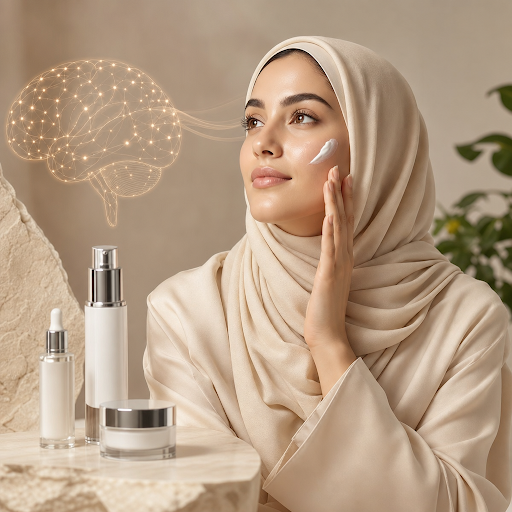
Skincare has always been about more than surface-level results. From ancient botanical remedies to today's lab-engineered formulas, the pursuit of healthy, radiant skin has consistently pushed the boundaries of science and self-care. But a new frontier is emerging — one that goes deeper than the dermis and taps into the intricate relationship between the skin and the nervous system. Welcome to the age of neurocosmetics, where beauty meets neuroscience in ways that are fundamentally changing how we understand skin health.
The Science Behind Skin and the Nervous System
The skin is not merely a passive barrier. It is a highly active, sensory organ densely populated with nerve endings, neuropeptides, and receptors that communicate directly with the brain. When you feel stress, your skin often reflects it — through breakouts, redness, or increased sensitivity. This bidirectional communication between the skin and the central nervous system is what neurocosmetics seeks to harness and optimize.
Neuropeptides such as substance P and calcitonin gene-related peptide (CGRP) play a significant role in skin inflammation and aging. When the nervous system is overstimulated — whether by environmental stressors, emotional tension, or poor sleep — these peptides can trigger inflammatory cascades that accelerate visible aging. Neurocosmetic formulations are designed to interrupt these pathways, calming the skin at a neurological level rather than simply masking symptoms.
What Makes a Product "Neurocosmetic"?
A product earns the neurocosmetic designation when its active ingredients are specifically chosen to interact with the skin's neurological infrastructure. This includes ingredients that modulate neuropeptide release, reduce sensory nerve excitability, or stimulate the production of feel-good neurotransmitters like serotonin and endorphins within the skin itself. The result is not just skin that looks better — it is skin that genuinely feels calmer, more resilient, and less reactive over time.
Common neurocosmetic actives include acetyl hexapeptide-3 (a muscle-relaxing peptide), palmitoyl tripeptide-5 (which supports collagen synthesis through neurological signaling), and various plant-derived adaptogens that help the skin adapt to stress. These are not gimmicks — they are backed by peer-reviewed research and increasingly validated through clinical trials.
Why Stress Is the Skin's Biggest Enemy
Modern life is relentless. Chronic stress has become one of the most underestimated contributors to premature skin aging, persistent inflammation, and compromised barrier function. Cortisol, the body's primary stress hormone, breaks down collagen, disrupts the skin microbiome, and impairs the skin's ability to retain moisture. Traditional skincare addresses these outcomes after the fact. Neurocosmetics aims to prevent them from occurring in the first place.
This is a paradigm shift. Rather than treating the symptom — a wrinkle, a breakout, a patch of dryness — neurocosmetic science asks a more fundamental question: why is the skin behaving this way, and what neurological signals are driving that behavior? By addressing root causes at the neuro-cutaneous level, these formulations offer a more intelligent and lasting approach to skin wellness.
The Role of Sensory Experience in Skincare Efficacy
There is growing evidence that the sensory experience of applying skincare — the texture, scent, temperature, and ritual — has measurable effects on the skin's neurological state. When a product feels luxurious and calming, it can trigger the release of endorphins and reduce cortisol levels, creating a physiological environment more conducive to skin repair and regeneration. This is why neurocosmetics pays as much attention to sensory design as it does to active ingredient profiles.
Cross-Cultural Perspectives on Skin Wellness
The global conversation around skincare is becoming increasingly nuanced, with different cultural traditions offering valuable insights into holistic skin health. Eastern skincare philosophies, for instance, have long emphasized the connection between internal balance and external radiance — a perspective that aligns naturally with neurocosmetic principles. As brands from diverse backgrounds enter Western markets, they bring with them formulation philosophies that complement and enrich the neurocosmetic approach. For a deeper look at how this cultural exchange is shaping modern skincare, this thoughtful analysis of cross-cultural skincare innovation offers compelling context on where the industry is heading.
Building a Neurocosmetic Routine That Works
Incorporating neurocosmetic principles into your daily routine does not require a complete overhaul. It begins with understanding your skin's stress triggers and selecting products that address neurological sensitivity alongside conventional concerns like hydration and sun protection. Layering a neuropeptide-rich serum beneath a barrier-supporting moisturizer, for example, creates a dual-action approach that works on both the structural and neurological dimensions of skin health.
Consistency is essential. Neurocosmetic ingredients work through cumulative neurological adaptation — the skin's nerve pathways gradually recalibrate in response to regular exposure to calming actives. This means results may be subtle at first but become increasingly pronounced over weeks and months of dedicated use. Patience, in this context, is not just a virtue — it is a scientific necessity.
For those looking to build a comprehensive, evidence-based routine, these expert-backed skincare tips provide a strong foundation that pairs well with neurocosmetic principles, covering everything from cleansing technique to the importance of SPF.
Spotlight: Bonjil's Approach to Neurocosmetic Innovation
Among the brands leading this charge, Bonjil has distinguished itself through a commitment to formulation integrity and scientific rigor. Their collection is built around the premise that true skin transformation requires engaging the skin's neurological systems, not just its surface layers. Each product in their lineup is developed with a clear understanding of neuro-cutaneous biology, resulting in formulas that are both clinically purposeful and genuinely pleasurable to use. The brand's philosophy reflects a broader shift in the industry — away from superficial fixes and toward a more intelligent, systems-based understanding of skin health.
The Context Paragraph: Where Neurocosmetics Meets Consumer Awareness
As consumer awareness of the skin-brain connection grows, demand for products that address this relationship is accelerating. Shoppers are no longer satisfied with vague claims about "calming" or "soothing" — they want to understand the mechanism. This is precisely where neurocosmetic products distinguish themselves from conventional alternatives: by offering transparent, science-backed explanations for how and why their formulations work at a neurological level, they build a level of trust that traditional beauty marketing rarely achieves.
Conclusion: A Smarter Way to Care for Your Skin
Neurocosmetics represents one of the most intellectually honest evolutions in modern skincare. By acknowledging that the skin is a neurologically active organ — one that responds to stress, emotion, and environmental input in measurable ways — this discipline offers a more complete and compassionate framework for skin health. Whether you are dealing with chronic sensitivity, stress-induced breakouts, or the gradual signs of aging, approaching your skincare through a neurocosmetic lens invites a deeper, more effective conversation between you and your skin. The future of beauty is not just about looking good. It is about feeling well, from the inside out.
HOW DO YOU FEEL ABOUT FASHION?
COMMENT OR TAKE OUR PAGE READER SURVEY
Featured





Finding the right job in human resources or recruitment can take time, especially when you're searching online.