
How to Design a Living Room for Everyday Life, Entertaining, and Relaxation
PAGE
By PAGE Editor
A living room often has to do more than one job. It may be where the family gathers after work, where guests sit during a visit, and where someone curls up with a book on a quiet afternoon. Designing a space that supports all of these activities requires more than choosing attractive pieces. The room needs to be comfortable, practical, and easy to adapt to different situations.
The most successful living rooms are usually designed around the people who use them rather than around a single decorating style. By considering daily routines first and making furniture decisions around those habits, it becomes easier to create a space that works for both ordinary days and occasional gatherings.
Start by Understanding How the Room Is Used
Before selecting furniture or deciding on a layout, consider what happens in the living room on a typical day. Does the household watch television together? Do children play in the space? Is it primarily used for conversation, reading, or hosting visitors?
The answers influence almost every design decision. A room centered around conversation may benefit from chairs facing one another, while a family media room may need seating oriented toward a television. In many homes, the same space needs to accommodate both.
It can be helpful to list the room's two or three most common uses and design around those priorities. Trying to accommodate every possible activity can result in a crowded space with furniture that rarely gets used.
Choose a Layout Before Choosing Individual Pieces
Furniture should work with the dimensions and natural pathways of the room. Start by identifying entrances, windows, focal points, and areas where people need to walk. These details help determine where larger pieces can reasonably be placed.
A sofa may serve as the foundation of the layout, but its position should not block access to other parts of the home. In larger rooms, floating furniture away from the walls can create more defined seating areas. Smaller rooms may require a simpler arrangement with fewer pieces.
When comparing living room furniture, it is useful to have room measurements available. Looking at dimensions before making a decision can help avoid choosing seating or tables that are too large for the available space.
Create Comfortable Seating for Different Situations
Seating is usually the most important part of a living room because it affects how people experience the space every day. The right arrangement depends on household size, room dimensions, and the types of activities that take place there.
Everyday Comfort Comes First
A sofa should be comfortable enough for regular use, not just visually appealing. Consider seat depth, back support, and how many people typically use the room at one time.
For a household that spends evenings together, a sectional or larger sofa may provide enough room for everyone. In a smaller household, a sofa combined with one or two chairs can offer comfortable seating without filling the entire room.
Make Conversation Easy When Guests Visit
Entertaining does not always require a formal seating arrangement. The key is to allow people to sit comfortably and interact without feeling separated across the room.
Chairs can be particularly useful because they are easier to reposition when additional seating is needed. If space is limited, occasional chairs or ottomans may provide flexibility without becoming permanent obstacles.
Add Tables Where They Serve a Purpose
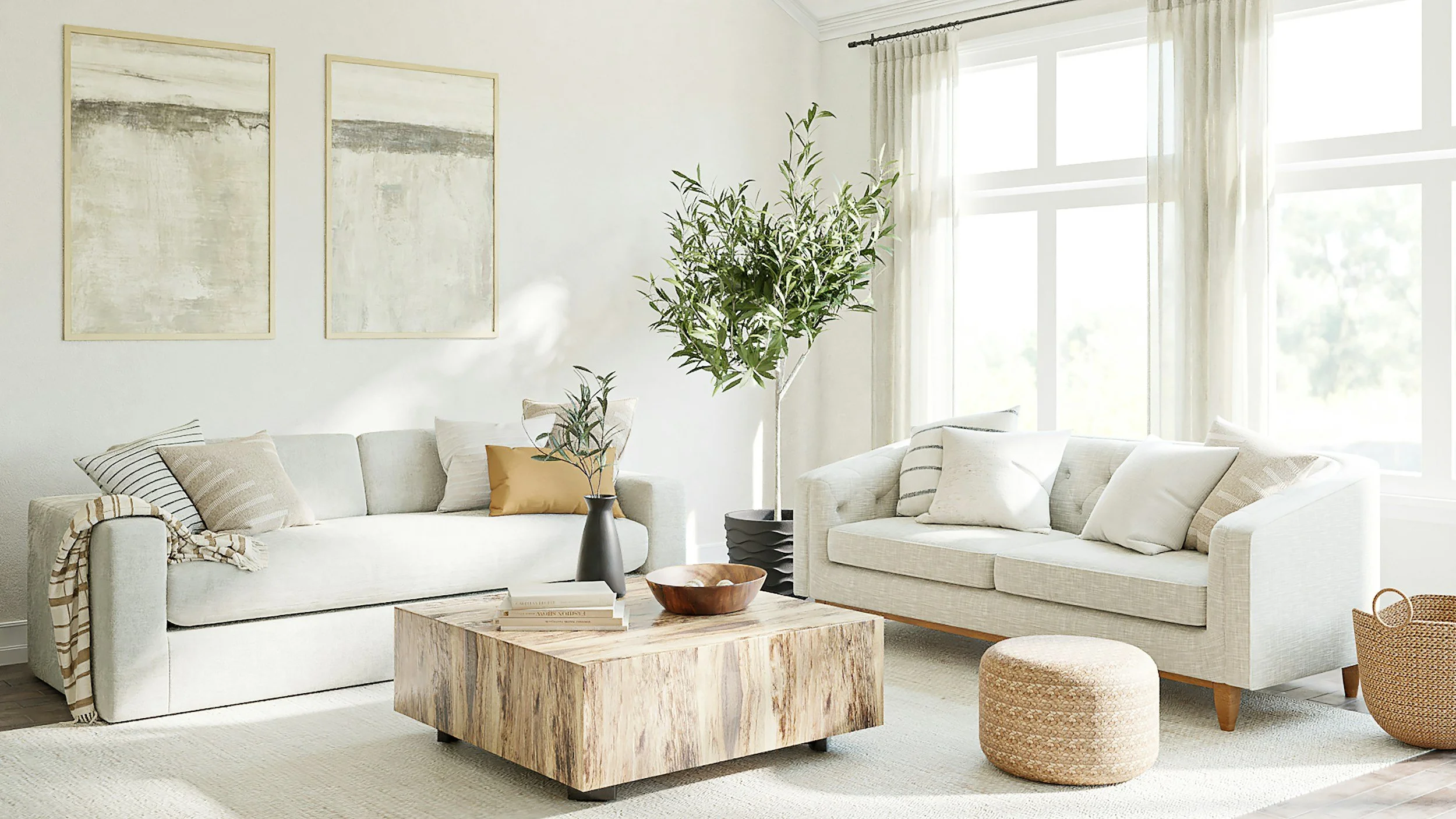
Coffee tables and side tables should make the room easier to use. They provide places for drinks, books, remote controls, and other items that would otherwise end up on the floor or sofa.
The size of a coffee table should relate to the seating around it. A table that is too large can restrict movement, while one that is too small may not be convenient for the people using the space.
Side tables can be especially helpful near chairs and at the ends of a sofa. However, not every seat needs its own table. Adding too many small pieces can make a room feel busy and reduce available walking space.
Plan for Relaxation Through Comfort and Visual Balance
A relaxing room is not necessarily an empty or minimalist one. It is a space where the furniture arrangement feels easy to use and the visual environment does not create unnecessary distraction.
Soft textures, comfortable seating, and appropriate lighting can contribute to a calmer atmosphere. Natural light may be an important part of the room during the day, while layered lighting can make the space more comfortable in the evening.
Use Lighting for Different Activities
A single overhead fixture may not provide the right light for every situation. Floor lamps, table lamps, and other secondary lighting can support reading, conversation, and quiet evenings.
Consider where people sit and what they do in those areas. A reading chair may need direct light, while a conversation area may benefit from softer illumination.
Include Storage Without Overfilling the Room
Living rooms often collect everyday items, from books and blankets to electronics and children's belongings. Some storage can help maintain a comfortable environment, but large cabinets and shelves should only be added when they serve a genuine purpose.
Entertainment consoles, bookcases, storage ottomans, and cabinets can all provide useful organization. The best option depends on what needs to be stored and how visible those items should be.
A room does not need to contain every available storage solution. Leaving some open space can make the furniture arrangement feel more balanced and easier to navigate.
Balance Style With the Reality of Daily Life
A living room should reflect personal preferences, but practical needs deserve equal consideration. Materials that require extensive care may not be ideal for a room used heavily by children or pets. Likewise, delicate furniture may not suit a space that regularly hosts large gatherings.
This does not mean practical furniture has to be plain. The goal is simply to choose materials and finishes that fit the household's routines.
It can also be helpful to build the room gradually. Starting with major pieces and living with them for a while can reveal what the space still needs. An additional chair or storage piece may become clearly useful, while another planned purchase may no longer seem necessary.
Common Questions About Living Room Design
How much furniture should a living room have?
There is no fixed number of pieces. A room needs enough seating and surfaces to support the people who use it, along with appropriate storage if necessary. Beyond that, additional furniture should have a clear purpose.
Should all the furniture match?
Matching furniture is optional. A room can feel coordinated through shared colors, materials, or proportions without using identical pieces. Combining complementary styles can also make the space feel more personal.
How can a small living room accommodate guests?
Flexible seating can help. Lightweight chairs, ottomans, or movable stools can be brought into the room when needed. Keeping pathways clear also makes a small room feel more comfortable when several people are present.
What is the most important piece of furniture in a living room?
For most homes, primary seating has the greatest influence on comfort and layout. Once the sofa or main seating arrangement is established, it is easier to select tables, storage, and additional chairs that fit the remaining space.
Design for the Life That Happens in the Room
A living room does not need to be designed around a single purpose. With a thoughtful layout, comfortable seating, practical surfaces, and enough flexibility, one space can support quiet evenings and lively gatherings equally well.
The most useful design choices are often the ones that respond to everyday habits. By focusing on how the room is actually used and allowing the furniture to support those routines, homeowners can create a living space that remains comfortable whether it is occupied by one person or filled with guests.
HOW DO YOU FEEL ABOUT FASHION?
COMMENT OR TAKE OUR PAGE READER SURVEY
Featured





Albert Kriemler’s latest Akris collection translates Martha Jungwirth’s emotionally charged paintings into fluid tailoring, expressive textiles and deeply personal details that explore clothing as an intuitive record of memory, movement and human gesture.