
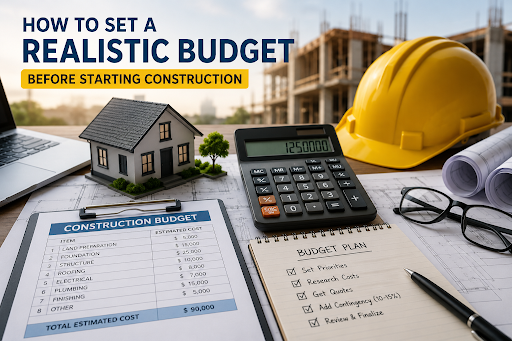
How to Set a Realistic Budget Before Starting Construction
PAGE
By PAGE Editor
Introduction
Starting a construction project is an exciting milestone, whether you are building a new home, expanding a commercial property, or renovating an existing structure. However, one of the biggest challenges property owners face is managing costs effectively. Many projects experience delays, unexpected expenses, and financial stress because the budget was not properly planned before construction began.
A realistic construction budget serves as the foundation of a successful project. It helps you understand the total investment required, allocate resources wisely, and avoid costly surprises during the building process. Without a clear financial plan, even a well-designed project can face significant setbacks.
This guide explains how to set a realistic budget before starting construction, ensuring that your project remains financially manageable from planning to completion.
Understand the Scope of the Project
Before creating a budget, it is essential to define the full scope of the construction project. The scope includes all work to be completed, materials to be used, labor requirements, and any special features you want to include. Many property owners and developers rely on building estimating services at this stage to gain a clearer understanding of potential costs and to ensure accurate budget planning from the outset.
Ask yourself the following questions:
What type of construction project is being planned?
How large will the building be?
What level of quality is expected?
Are there any custom design elements?
What is the desired completion timeline?
A clearly defined scope helps prevent changes during construction, which are often responsible for budget overruns. The more detailed the planning stage is, the more accurate your budget will be.
Research Current Construction Costs
Construction costs can vary significantly depending on location, labor availability, material prices, and market conditions. Conducting thorough research before establishing a budget helps you gain a realistic understanding of current industry rates.
Important cost categories include:
Building materials
Skilled labor
Equipment rentals
Site preparation
Utility connections
Transportation costs
Permits and inspections
Gathering updated pricing information from local suppliers, contractors, and industry sources allows you to build a budget based on actual market conditions rather than assumptions.
Evaluate the Construction Site
Every construction site presents unique challenges that can impact the overall budget. A site that appears simple may require extensive preparation before construction can begin. Working with a professional construction estimating company can help identify potential site-related costs, evaluate project requirements, and provide accurate estimates to support better financial planning before construction begins.
Factors to consider include:
Soil Conditions
Poor soil quality may require additional excavation, grading, or foundation reinforcement.
Site Accessibility
Remote locations can increase transportation and labor costs.
Utility Availability
Connecting water, electricity, gas, and sewer systems can add significant expenses.
Environmental Conditions
Flood zones, wetlands, or protected areas may require special permits and additional compliance measures.
Conducting a site assessment early helps identify potential expenses before construction starts.
Include Design and Planning Costs
Many people focus primarily on construction expenses while overlooking the costs associated with planning and design.
These costs may include:
Architectural services
Engineering consultations
Structural design
Interior design planning
Land surveys
Project management fees
Professional planning services contribute to a more organized construction process and can help prevent costly mistakes later in the project.
Account for Permits and Regulatory Fees
Construction projects often require various permits and approvals from local authorities. These expenses should be included in the budget from the beginning.
Common permit-related costs include:
Building permits
Zoning approvals
Environmental permits
Utility permits
Inspection fees
Failure to budget for these requirements can create unexpected financial burdens and delay project timelines.
Estimate Material Costs Carefully
Materials typically represent a large portion of any construction budget. Prices can fluctuate due to market demand, supply chain disruptions, and economic conditions.
To estimate material costs accurately:
Create a detailed material list.
Obtain multiple supplier quotes.
Compare quality and pricing options.
Consider potential price increases.
Include delivery charges.
Avoid selecting materials solely based on the lowest price. Low-cost materials may lead to higher maintenance and replacement costs in the future.
Calculate Labor Expenses
Labor is another major component of construction costs. The size and complexity of the project will determine the number of workers and specialists required.
Labor costs may include:
General contractors
Construction workers
Electricians
Plumbers
HVAC technicians
Roofers
Painters
Finish carpenters
Obtaining detailed labor estimates from experienced professionals can help create a more reliable budget.
Consider Equipment and Machinery Costs
Construction projects often require specialized equipment to complete various tasks efficiently.
Examples include:
Excavators
Bulldozers
Cranes
Concrete mixers
Scaffolding
Lifting equipment
Depending on the project, equipment may be rented or purchased. Equipment-related expenses should be included in the overall financial plan to avoid budget shortfalls.
Plan for Utility Installation Costs
Utility installation is frequently underestimated during budget planning. Connecting essential services to a building can be expensive, especially in undeveloped areas.
Potential utility costs include:
Water connections
Sewer systems
Electrical installation
Gas lines
Internet infrastructure
Drainage systems
Obtaining estimates from utility providers early in the planning process can improve budgeting accuracy.
Create a Detailed Cost Breakdown
A detailed cost breakdown provides a clear view of where project funds will be allocated. Rather than using a single overall figure, divide the budget into categories.
Typical budget categories include:
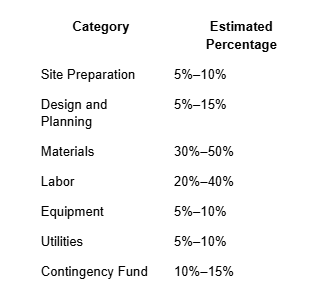
This structure makes it easier to monitor expenses throughout the project.
Establish a Contingency Fund
One of the most important aspects of construction budgeting is creating a contingency reserve. Unexpected costs are common in construction and can arise from:
Material price increases
Weather delays
Design changes
Site complications
Labor shortages
Regulatory requirements
Many construction professionals recommend setting aside 10% to 15% of the total budget as a contingency fund. This reserve provides financial protection when unforeseen expenses occur.
Obtain Multiple Contractor Quotes
Comparing estimates from several contractors helps ensure you receive competitive pricing and realistic cost projections.
When reviewing contractor proposals, consider:
Experience level
Project timeline
Scope of work
Included services
Warranty coverage
Reputation and references
Avoid selecting a contractor solely based on the lowest bid. Extremely low estimates may indicate hidden costs or reduced quality standards.
Prioritize Essential Features
Budget limitations may require balancing desired features with available resources. Establishing priorities before construction begins can help control costs.
Separate project elements into three categories:
Must-Have Features
These are critical components required for the project's functionality and safety.
Preferred Features
These additions improve comfort, efficiency, or appearance but are not essential.
Optional Features
These upgrades can be added later if additional funds become available.
Prioritizing features allows you to make informed decisions if adjustments become necessary during construction.
Monitor Inflation and Market Trends
Construction costs can change significantly over time due to inflation and market conditions. Long-term projects are particularly vulnerable to price increases.
To minimize financial risk:
Lock in supplier pricing when possible.
Purchase key materials early.
Monitor market trends regularly.
Review budgets periodically.
Planning for potential cost increases can help maintain financial stability throughout the project.
Avoid Frequent Design Changes
Design modifications after construction begins often lead to additional expenses. Even small changes can affect labor schedules, material orders, and project timelines.
Common consequences of change orders include:
Increased labor costs
Material waste
Delayed completion dates
Administrative fees
Finalizing the design before construction starts is one of the most effective ways to protect your budget.
Use Professional Cost Estimation Services
Professional construction estimators can provide detailed cost projections based on project specifications, local pricing, and industry standards.
Benefits of professional cost estimating include:
Greater budgeting accuracy
Improved financial planning
Better risk management
Reduced likelihood of overruns
Enhanced decision-making
Accurate estimates help property owners establish realistic expectations and avoid financial surprises during construction.
Track Expenses Throughout the Project
Budget planning does not end when construction begins. Continuous monitoring is necessary to ensure spending remains under control.
Effective tracking methods include:
Reviewing invoices regularly
Comparing actual costs to estimates
Monitoring contractor payments
Updating financial reports
Identifying variances early
Regular financial oversight allows project owners to address issues before they become major problems.
Learn From Previous Projects
If you have completed construction projects in the past, review the financial performance of those projects.
Analyze:
Areas where costs exceeded expectations
Successful cost-saving strategies
Common budget challenges
Timeline-related expenses
Past experience can provide valuable insights that improve budgeting accuracy for future projects.
Conclusion
Setting a realistic budget before starting construction is one of the most important steps in ensuring project success. A well-planned budget provides financial clarity, reduces risk, and helps keep the project on schedule from start to finish.
By carefully defining the project scope, researching current construction costs, evaluating site conditions, estimating labor and material expenses, and establishing a contingency fund, property owners can create a solid financial framework for their construction projects.
Construction budgeting is not simply about limiting spending—it is about making informed decisions that support quality, efficiency, and long-term value. With proper planning and ongoing financial management, construction projects can be completed successfully while staying within budget and achieving desired goals.
HOW DO YOU FEEL ABOUT FASHION?
COMMENT OR TAKE OUR PAGE READER SURVEY
Featured




Better With Age’s FW26 “STOLEN ART” collection expands its circular design philosophy into refined tailoring and limited-edition eyewear, transforming vintage textiles and antique silver flatware into contemporary pieces with a distinct sense of history.