
Lawn Care Explained in Detail: Best Practices, Maintenance Tips, and Proven Methods for a Strong and Healthy Lawn
PAGE
By PAGE Editor
Introduction
A healthy and well-maintained lawn is one of the most important elements of a beautiful outdoor space because it enhances the overall appearance of a property, improves environmental quality, and provides a comfortable area for relaxation and recreation, and achieving this level of quality requires consistent attention, proper techniques, and a clear understanding of how grass, soil, water, and nutrients work together, which is why lawn care is considered an essential part of landscape maintenance for residential, commercial, and public spaces, and when done correctly it ensures strong root development, even growth, and resistance to weeds, pests, and environmental stress, making the lawn not only visually appealing but also durable and sustainable throughout the year.
Understanding Lawn Care
Lawn care refers to the ongoing process of maintaining grass health through a combination of practices such as mowing, watering, fertilizing, aeration, weed control, and pest management, and each of these tasks plays a specific role in supporting the overall condition of the lawn, and proper lawn care ensures that grass receives adequate nutrients, moisture, and sunlight while maintaining balanced soil conditions that encourage deep root growth, and without proper care lawns can quickly become patchy, dry, or overrun with weeds, making consistent maintenance essential for long-term health and appearance.
Importance of Lawn Care
The importance of lawn care extends beyond simple aesthetics because a well-maintained lawn contributes significantly to environmental health, property value, and outdoor usability, and a green and healthy lawn improves air quality by absorbing carbon dioxide and releasing oxygen, while also reducing heat and preventing soil erosion, and from a visual perspective it enhances curb appeal and creates a welcoming atmosphere for visitors and residents, and regular lawn care also prevents weed infestation and pest problems that can damage grass structure, making it a vital practice for maintaining both beauty and functionality in outdoor spaces.
Mowing Techniques for Lawn Care
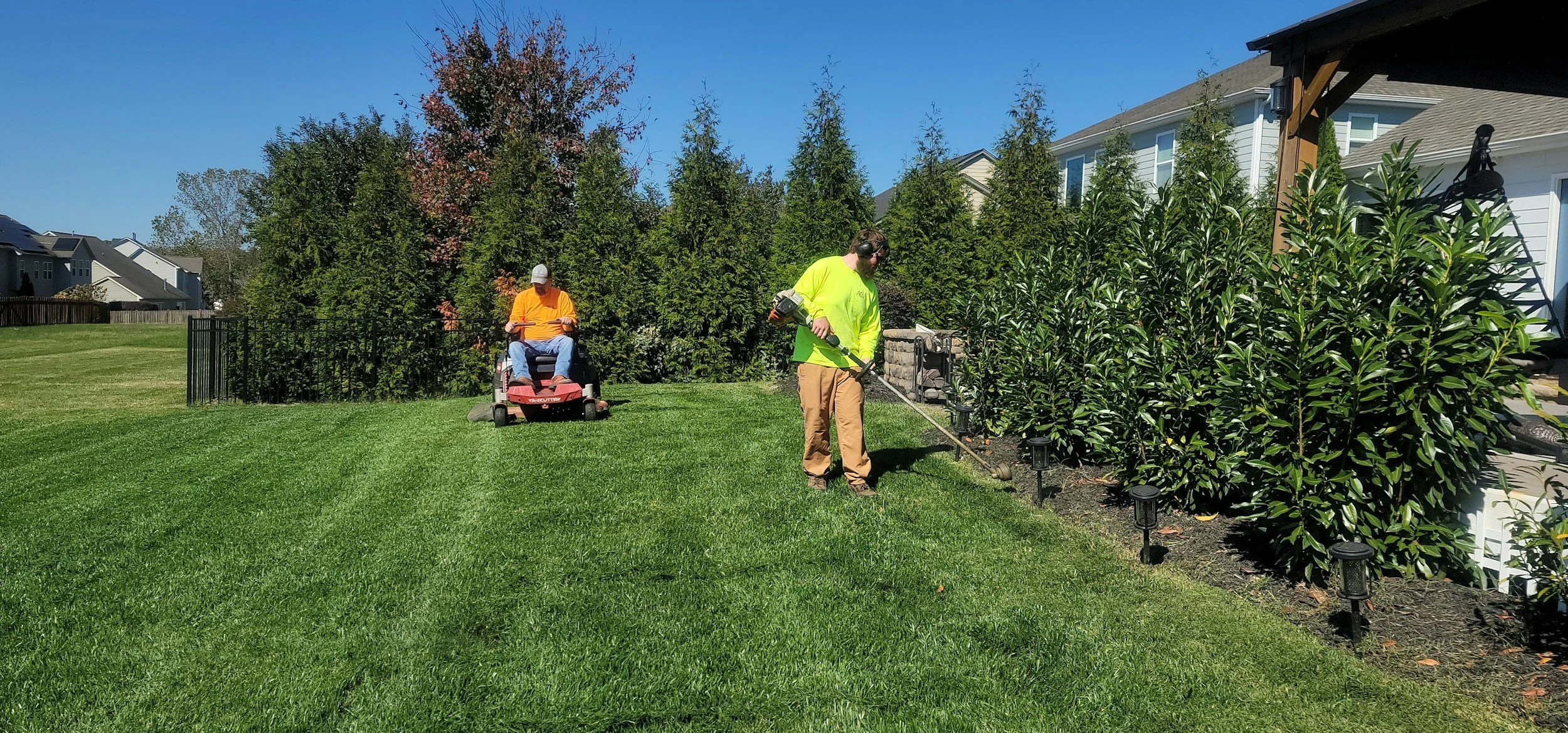
Mowing is one of the most important practices in lawn care because it directly influences grass growth, density, and appearance, and cutting grass at the proper height encourages strong root development and prevents weed growth, while cutting it too short can weaken the grass and make it more vulnerable to damage and disease, and regular mowing helps maintain a uniform appearance and promotes healthy regrowth, and using sharp mower blades is essential to avoid tearing the grass, which can lead to brown tips and uneven surfaces, making proper mowing techniques a key factor in achieving a strong and healthy lawn.
Watering Practices in Lawn Care
Proper watering is essential for effective lawn care because grass needs consistent moisture to grow strong and maintain its green color, and deep watering at regular intervals is more effective than frequent shallow watering because it encourages deeper root growth and improves drought resistance, and early morning is considered the best time for watering because it reduces evaporation and allows water to penetrate the soil efficiently, while overwatering should be avoided as it can lead to root rot, fungal growth, and weak grass structure, making balanced irrigation a crucial part of lawn maintenance.
Fertilization and Soil Nutrition
Fertilization is a key component of lawn care because it supplies essential nutrients such as nitrogen, phosphorus, and potassium that support grass growth, root strength, and overall health, and applying fertilizer at the right time and in the correct amount ensures optimal development and prevents nutrient imbalance, and both organic and synthetic fertilizers can be used depending on soil conditions and maintenance goals, and proper fertilization helps maintain vibrant green color, strong root systems, and improved resistance to environmental stress, making it essential for long-term lawn success.
Weed Control Methods in Lawn Care
Weed control is an important part of lawn care because weeds compete with grass for nutrients, water, and sunlight, often resulting in weak and uneven lawns if not managed properly, and effective weed control includes maintaining healthy grass density, applying pre-emergent treatments, and manually removing weeds when necessary, and a thick, healthy lawn naturally suppresses weed growth by reducing space and resources available for unwanted plants, making consistent care and maintenance the most effective long-term solution for weed prevention.
Aeration and Soil Improvement
Aeration is an important lawn care practice that involves creating small holes in the soil to improve air circulation, water absorption, and nutrient penetration, and over time soil becomes compacted due to foot traffic and environmental conditions, restricting root growth and reducing lawn health, and aeration helps loosen the soil structure, allowing roots to grow deeper and access nutrients more effectively, and this process improves overall lawn resilience, especially in high-traffic areas, making it a vital part of long-term lawn maintenance.
Pest and Disease Management
Pest and disease control is essential in lawn care because insects and fungal infections can quickly damage grass and cause thinning, discoloration, and patchy growth, and pests often feed on roots and blades, weakening the lawn structure, while diseases develop due to excess moisture, poor drainage, or lack of sunlight, and effective management includes regular inspection, proper watering practices, and timely treatment when issues are detected, ensuring the lawn remains healthy, green, and resistant to damage.
Seasonal Lawn Care Practices
Lawn care varies throughout the year because grass growth and environmental conditions change with seasons, and during warmer months lawns require more frequent mowing and watering, while cooler months slow down growth and reduce maintenance needs, and seasonal fertilization, overseeding, and weed control help maintain lawn health throughout the year, and adjusting care routines based on seasonal conditions ensures consistent growth, color, and strength in all weather conditions.
Tools and Equipment for Lawn Care
Proper tools are essential for effective lawn care because they improve efficiency, accuracy, and overall results, and common tools include lawn mowers for cutting grass evenly, trimmers for edges, aerators for soil improvement, sprinklers for irrigation, and rakes for debris removal, and using the right equipment ensures better maintenance quality while reducing effort and time, making lawn care easier and more effective for long-term upkeep.
Common Lawn Care Problems
Lawn care can face several challenges such as uneven growth, weed infestation, pest attacks, poor soil conditions, and weather-related damage, and improper mowing or watering practices can also weaken grass and create patchy areas, while environmental stress such as drought or heavy rainfall can further affect lawn health, and addressing these challenges requires consistent maintenance, proper techniques, and timely corrective actions to restore lawn balance and strength.
Benefits of Lawn Care
Proper lawn care provides numerous benefits including improved property appearance, better outdoor usability, enhanced environmental quality, and increased property value, and a well-maintained lawn creates a clean and attractive outdoor space that can be used for relaxation and recreation, while also contributing to ecological balance by improving air quality and reducing heat, making it an essential practice for maintaining healthy and beautiful landscapes.
Long-Term Lawn Maintenance
Long-term lawn care requires consistent effort and planning, including regular mowing, watering, fertilizing, aeration, and pest control, along with seasonal adjustments to maintain optimal growth conditions, and maintaining a long-term care routine ensures that the lawn remains green, strong, and resistant to damage, providing lasting beauty and functionality for outdoor spaces.
Conclusion
Lawn care is a continuous and essential process that ensures the health, strength, and beauty of grassy outdoor areas, and by applying proper mowing, watering, fertilization, weed control, and maintenance techniques, property owners can achieve a lush, green, and well-maintained lawn that enhances both visual appeal and environmental quality, making lawn care a valuable long-term investment for any outdoor space that requires durability, functionality, and natural beauty.
HOW DO YOU FEEL ABOUT FASHION?
COMMENT OR TAKE OUR PAGE READER SURVEY
Featured




Online research supply markets have expanded, giving laboratories and independent researchers more ways to explore specialized materials.