
LED Barn Lights: Energy-Efficient Lighting for Farms & Buildings
PAGE
By Finixio Digital
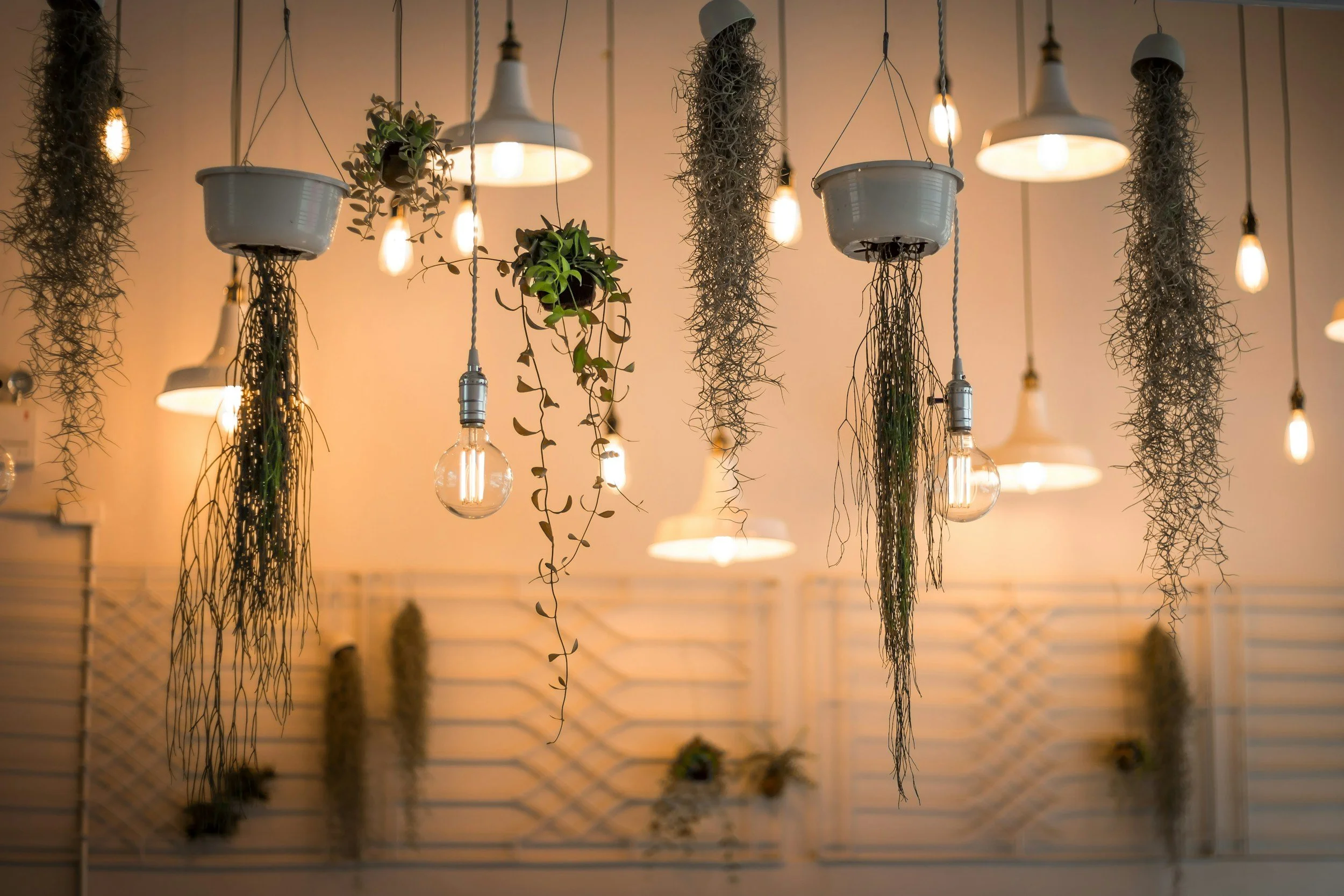
LED barn lights provide broad outdoor illumination from a wall-mounted position. They are commonly used around barns, farms, workshops, warehouses, garages, driveways, and other buildings.
Modern LED technology also offers lower energy use, long operating life, and automatic lighting controls. ENERGY STAR reports that LED lighting products can use up to 90% less energy than incandescent lighting. They can also last much longer than traditional incandescent sources.
What Are LED Barn Lights?
An LED barn light is an outdoor wall-mounted fixture designed to spread light downward and outward.
The traditional design uses a dome or shade. This shape helps direct light toward the ground. It also limits unnecessary upward light.
Modern versions replace older light sources with LED technology. Some models include built-in photocells. Others offer selectable color temperatures, different wattages, and arm-mount options.
According to LED Light Expert, barn-style fixtures are commonly suited to mounting heights around 8 to 16 feet. Typical models range from smaller 35W fixtures to higher-output options.
This makes them useful when a single wall-mounted fixture needs to cover an entrance, yard, loading space, or equipment area.
Why Use LED Barn Lights?
Lower Energy Consumption
Energy use is one of the biggest reasons to replace older outdoor lighting.
LED technology produces light more efficiently than incandescent lighting. ENERGY STAR states that LED products can provide comparable lighting while using up to 90% less energy than incandescent bulbs.
The savings become more important when an outdoor light operates every night.
For example, a 100W fixture running for 12 hours each night uses about 438 kWh per year.
A 40W fixture operating for the same amount of time uses about 175 kWh.
The actual savings depend on the fixture, operating schedule, and electricity rate. Still, reducing wattage can make a noticeable difference over time.
Long Operating Life
Outdoor fixtures are not always easy to reach.
A light mounted above a barn entrance may require a ladder or lift for maintenance. Frequent lamp replacement can therefore become a labor problem.
The U.S. Department of Energy notes that quality white LED lighting products commonly have useful lives of 30,000 to 50,000 hours or longer.
LEDs also do not usually fail like incandescent lamps. Instead, their light output gradually decreases through a process called lumen depreciation.
That can reduce maintenance work and make LEDs a practical choice for hard-to-reach exterior locations.
Instant-On Performance
Older high-intensity discharge lighting can require warm-up time.
LEDs turn on quickly.
This matters around farms and commercial properties where outdoor lighting may be needed immediately. A worker walking outside should not have to wait for a lamp to reach full brightness.
The Department of Energy identifies instant-on performance as one of the useful characteristics of LED lighting.
Common Applications for LED Barn Lights
The name may suggest agricultural buildings, but the application is much broader.
Farms and Agricultural Buildings
Barn entrances, equipment sheds, livestock areas, and storage buildings often need dependable exterior lighting.
A wall-mounted fixture can illuminate the area directly below and in front of the building.
Agricultural locations can also expose lighting equipment to dust, moisture, and temperature changes. For these conditions, the fixture's outdoor rating and construction should be checked carefully before installation.
Workshops and Garages
Workshops often need exterior light around doors and loading areas.
A barn-style fixture can provide enough general illumination to help people move between indoor and outdoor work areas.
It can also improve visibility around vehicle entrances and equipment storage.
Warehouses and Commercial Buildings
Small warehouses and commercial buildings may need lighting around rear doors, loading areas, and service entrances.
A broad outdoor distribution can cover these areas without installing a separate pole for every location.
For larger commercial sites, however, a photometric plan may be needed to determine fixture spacing and light levels.
Homes and Outbuildings
Barn-style fixtures can also work around detached garages, sheds, driveways, and rural homes.
Warm color temperatures can provide a softer appearance. Cooler color temperatures can provide a brighter, more task-oriented appearance.
Choosing the Right Wattage
Wattage alone does not tell you how much usable light a fixture provides.
Look at lumens first.
Lumens measure the amount of light produced. Wattage measures electrical power.
A modern LED fixture can produce substantial light with relatively low wattage.
LED Light Expert lists examples ranging from 35W models producing about 4,200 lumens to higher-output 70W and 120W models. Some models also provide selectable 3000K, 4000K, and 5000K color temperatures.
For a small doorway, a lower-output fixture may be enough.
A large equipment yard may need more light or several fixtures.
Do not simply choose the highest wattage available. Too much light can create glare, wasted energy, and poor visual comfort.
Selecting the Right Color Temperature
Color temperature changes the appearance of outdoor lighting.
Common options include:
3000K: Warm and softer.
4000K: Neutral and balanced.
5000K: Cool and bright-looking.
A 3000K fixture can work well around homes, restaurants, and properties where appearance matters.
A 4000K option provides a neutral appearance for many commercial applications.
A 5000K fixture can be useful when clear visibility is the priority.
The best choice depends on the property and the task being performed.
Photocells Make Nightly Operation Easier
A photocell can automatically turn an outdoor fixture on when daylight fades.
It then turns the light off when daylight returns.
This is useful for barns, yards, driveways, and commercial properties where manually switching the light every evening is inconvenient.
Many modern barn-style fixtures include photocell options. LED Light Expert's current product selection includes models with photocells and color-selectable configurations.
Automatic controls can also prevent lights from being left on during the day.
For sites where lighting is only needed when people are present, motion sensors may be another option.
LED Barn Lights vs. Wall Pack Lights
Barn lights and wall packs can both provide exterior building lighting. Their light distribution is different.
A barn light generally spreads light downward and outward.
A wall pack typically pushes light forward from the building wall using more controlled optics.
Choose a barn-style fixture when broad area illumination is the main goal.
Choose a wall pack when you need more controlled illumination along a building perimeter, walkway, or parking area.
The building layout should determine the fixture type.
What to Check Before Buying
Before selecting an outdoor LED fixture, check these specifications:
Lumens
Make sure the fixture produces enough light for the area.
Wattage
Lower wattage can reduce energy consumption, but it should not come at the expense of required illumination.
Mounting Height
Mounting height affects coverage and light levels.
A fixture mounted higher generally covers a larger area but may provide less illumination directly below it.
Beam and Distribution
Check how the fixture spreads light.
Broad distribution is useful for yards and entrances.
Controlled distribution may be better near property boundaries.
Photocell
A built-in photocell can provide automatic dusk-to-dawn operation.
Color Temperature
Select 3000K, 4000K, or 5000K based on the property's appearance and visibility requirements.
Outdoor Rating
The fixture should be designed for its installation environment.
Look for appropriate ingress protection and weather-resistant construction, especially when the fixture will be directly exposed to rain and dust.
Final Thoughts
LED barn lights are a practical option for outdoor areas that need dependable wall-mounted illumination. They combine broad light distribution with the efficiency and long useful life of LED technology.
The right fixture depends on more than wattage. Consider lumens, mounting height, distribution, color temperature, outdoor rating, and automatic controls.
For small entrances, workshops, farms, and larger equipment areas, choosing the fixture based on the actual lighting requirement can improve visibility while controlling energy and maintenance costs.
So, is it time to replace your old outdoor light with a more efficient LED solution?
HOW DO YOU FEEL ABOUT FASHION?
COMMENT OR TAKE OUR PAGE READER SURVEY
Featured


Preparing a home for overnight guests creates different priorities from ordinary weekly upkeep.