
OTB’s 2025 Sustainability Report Signals A Fashion Group Betting On Accountability As Competitive Advantage
PAGE
By PAGE Editor
At a moment when luxury fashion continues to navigate economic uncertainty, regulatory shifts, and mounting consumer scrutiny around environmental responsibility, the OTB Group is positioning sustainability not as a parallel initiative, but as a structural component of long-term business resilience. Through its newly released 2025 Sustainability Report, the parent company behind Diesel, Maison Margiela, Marni, Jil Sander and Viktor&Rolf presents measurable progress across emissions reduction, renewable energy adoption, material innovation, workforce development, and social impact—an increasingly important benchmark in an industry under pressure to prove its commitments beyond campaign language.
Under the Group’s “Be Responsible. Be Brave.” framework, OTB has surpassed several of its 2025 targets ahead of schedule. The company confirmed that 100% of electricity used across its European operations now comes from renewable sources, while its global renewable electricity share has reached 81%, exceeding the threshold validated by the Science Based Targets initiative. Direct Scope 1 and Scope 2 emissions have also been reduced by 50% compared to 2019 levels, signaling a substantial operational shift across the Group’s infrastructure and logistics systems.
What distinguishes the report is its emphasis on integrating sustainability directly into product development rather than isolating it as corporate reporting. OTB disclosed that 29% of all materials used across its collections are now certified and/or lower-impact materials, surpassing The Fashion Pact’s collective 2025 target of 25%. Preferred cotton sourcing—including organic, regenerative, and recycled alternatives—increased by 39% year-over-year, while 43% of the leather used by the Group now comes from Leather Working Group-certified tanneries.
Several of the Group’s brands are becoming case studies for how sustainability can coexist with luxury positioning and commercial desirability. Diesel, in particular, has accelerated its material transition, with 42% of its cotton procurement now sourced through lower-impact alternatives and more than 85% of garments in its Denim SS26 collection incorporating preferred materials. The brand also continued expanding its Diesel Rehab Denim initiative, developed alongside supplier Tejidos Royo under the United Nations Industrial Development Organization-backed SwitchMed programme, reinforcing circular production through recycled cotton, reduced water usage, and lower chemical consumption.
At the same time, OTB continues to frame circularity as both a creative and operational strategy. Upcycling projects developed by Diesel and Marni repurpose archived materials and unsold inventory into new products, while Viktor&Rolf has extended educational initiatives in Amsterdam focused on introducing younger generations to upcycling methodologies and responsible design thinking.
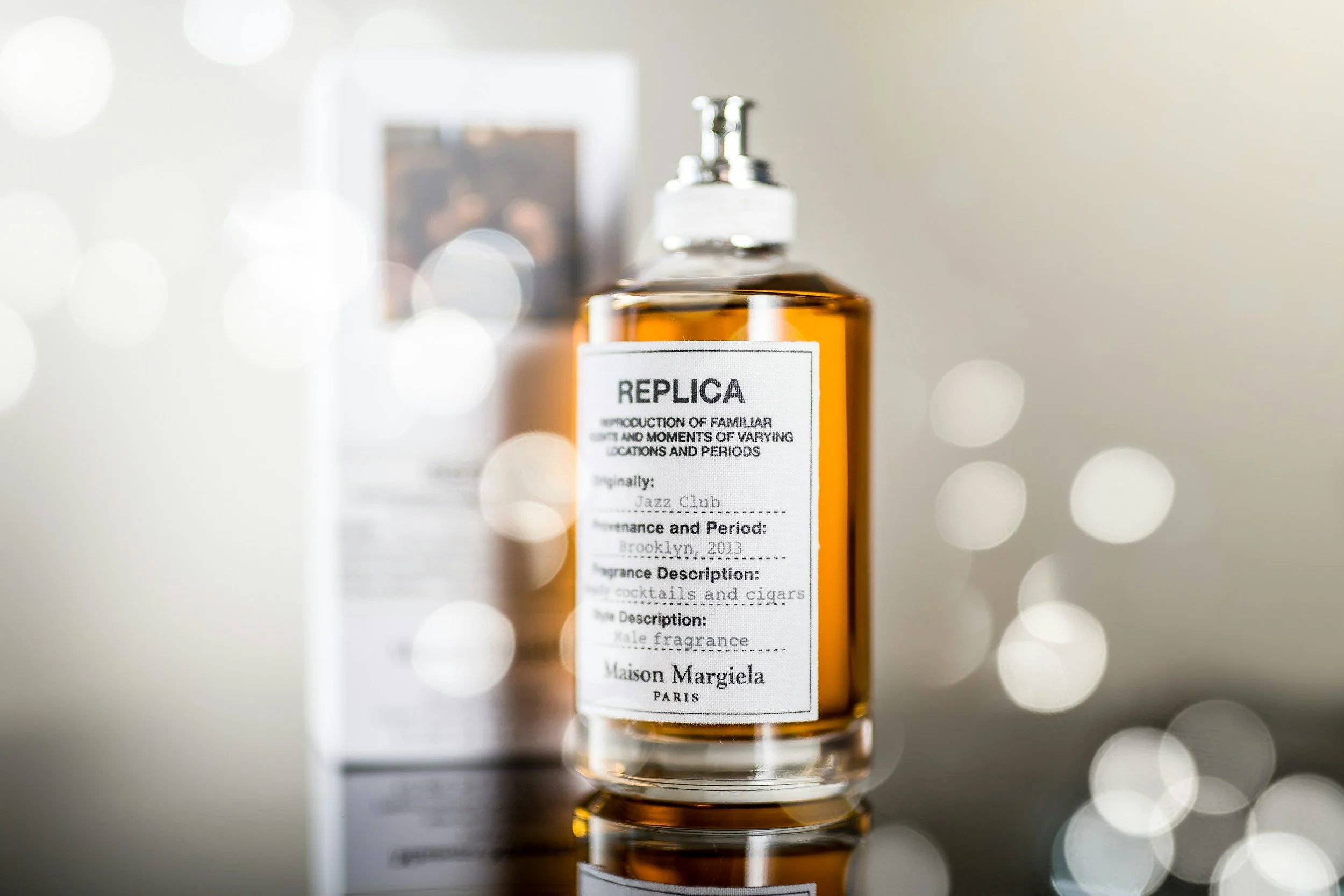
Technology is also emerging as a central pillar of OTB’s sustainability infrastructure. Through its ongoing partnership with the Aura Blockchain Consortium—alongside industry players including LVMH, Prada Group, and Richemont—the Group has issued more than three million blockchain-backed digital certificates of authenticity for products from Maison Margiela, Jil Sander, and Marni. OTB has additionally previewed a Digital Product Passport initiative integrating blockchain and NFC technology, a move that anticipates forthcoming European regulatory requirements around traceability and transparency.
For Chairman and Founder Renzo Rosso, the report reinforces the notion that sustainability must function as a strategic operating philosophy rather than a cyclical trend.
“Today more than ever, sustainability must be a state of mind, a cultural and strategic approach that guides every decision,” Rosso stated within the report. “Alongside creativity and technology, sustainability is a fundamental lever in shaping and delivering a contemporary, solid and resilient business model.”
Beyond environmental metrics, OTB continues investing heavily in workforce development and the preservation of Italian craftsmanship. The Group’s “Scuola dei Mestieri” initiative—which enters its fifth edition in 2026—has now trained more than 50 young professionals, with over 80% currently employed within OTB companies. The program has become increasingly important as the luxury sector faces mounting concerns around succession planning within artisanal manufacturing and the preservation of Made in Italy production expertise.
Internally, OTB also reported that women now represent 54% of managerial roles across the Group, while both OTB and Diesel secured gender equality certification for the third consecutive year. Sustainability education has additionally expanded through executive programs developed alongside SDA Bocconi School of Management, aimed at integrating environmental and social accountability into managerial decision-making across the company’s global operations.
Meanwhile, the OTB Foundation continues to broaden the Group’s social impact footprint beyond fashion itself. Since its founding in 2006, the Foundation has supported more than 380 projects impacting over 380,000 individuals globally. Recent initiatives include partnerships addressing bullying and gender-based violence in Italian schools, support for Médecins Sans Frontières’s inflatable hospitals project deployed between Chad, Sudan, and Gaza, and new fertility preservation initiatives supporting women across the Group’s workforce.
As sustainability reporting increasingly evolves from reputational exercise to operational accountability, OTB’s latest report reflects a broader industry shift: one where environmental performance, traceability, craftsmanship preservation, and social impact are becoming intertwined with the future valuation of luxury businesses themselves. For a fashion group built under the name “Only The Brave,” the next stage may not simply be about creative disruption, but about proving that scale, responsibility, and cultural relevance can coexist within the same business model.
One-sentence summary:
OTB’s 2025 Sustainability Report underscores how the luxury fashion group is embedding renewable energy adoption, circular design, material innovation, workforce development, and social impact into a long-term strategy designed to future-proof both its brands and its business model.
HOW DO YOU FEEL ABOUT FASHION?
COMMENT OR TAKE OUR PAGE READER SURVEY
Featured
Better With Age’s FW26 “STOLEN ART” collection expands its circular design philosophy into refined tailoring and limited-edition eyewear, transforming vintage textiles and antique silver flatware into contemporary pieces with a distinct sense of history.