
Louis Vuitton’s Cruise 2027 Collection Turns New York Into A Living Dialogue Between Memory, Movement And Modern Luxury
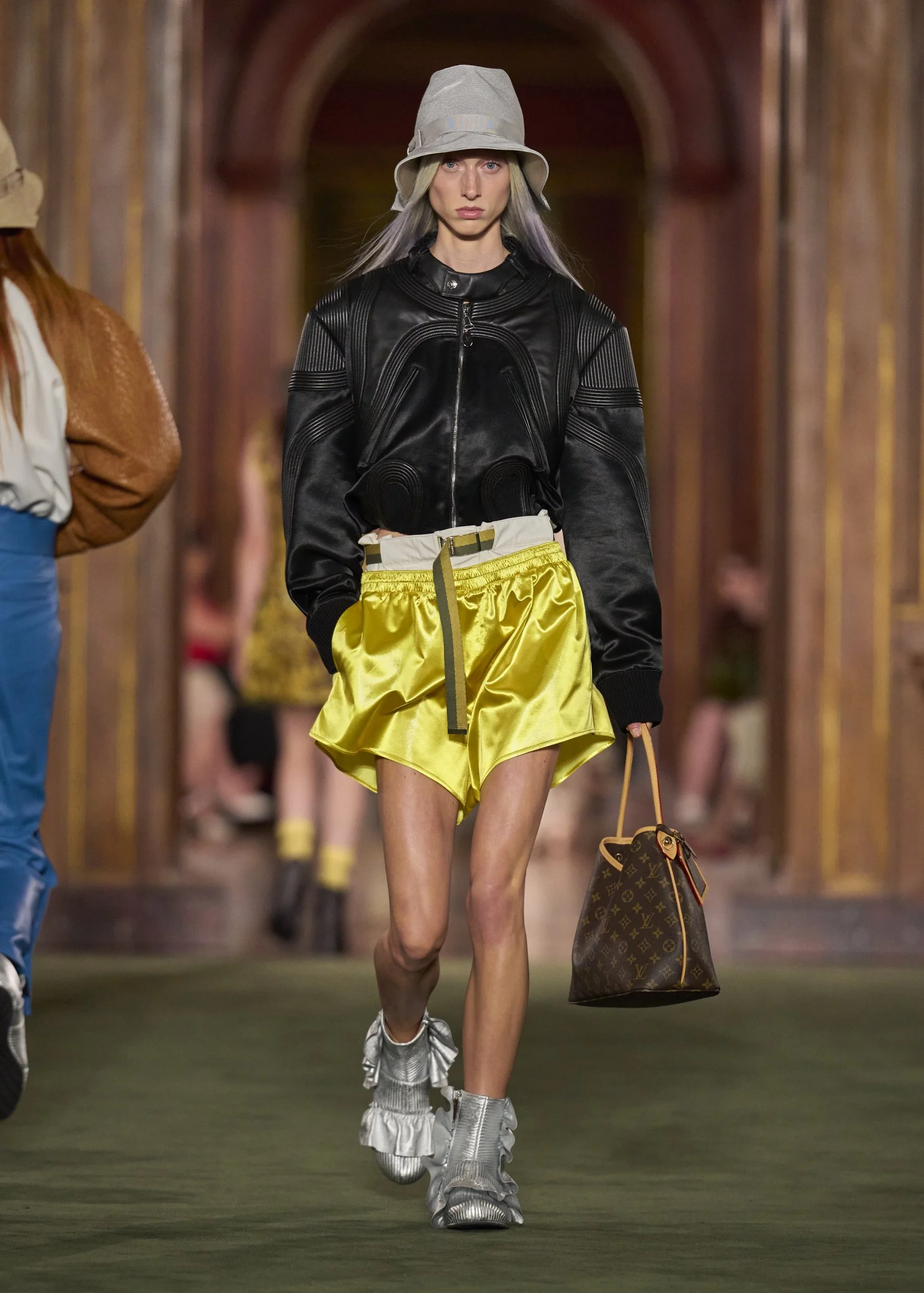
PAGE
By PAGE Editor
For decades, Louis Vuitton has understood travel not merely as movement across geography, but as movement across identity. With the Cruise 2027 collection, Artistic Director Nicolas Ghesquière expands that philosophy into something more layered: a meditation on New York as both mythology and material reality. Presented within the storied interiors of The Frick Collection, the collection became less a traditional runway and more an architectural conversation between Parisian craftsmanship and the fragmented, exhilarating contradictions of New York City itself.
Ghesquière has long approached fashion as cultural archaeology, excavating references from disparate eras and collapsing them into singular silhouettes. Here, however, the exercise felt unusually intimate. Cruise 2027 examined New York not through cliché, but through tension: uptown refinement and downtown rebellion, old money and emerging culture, permanence and velocity. The collection understood that New York’s greatest defining characteristic is its refusal to be singular.
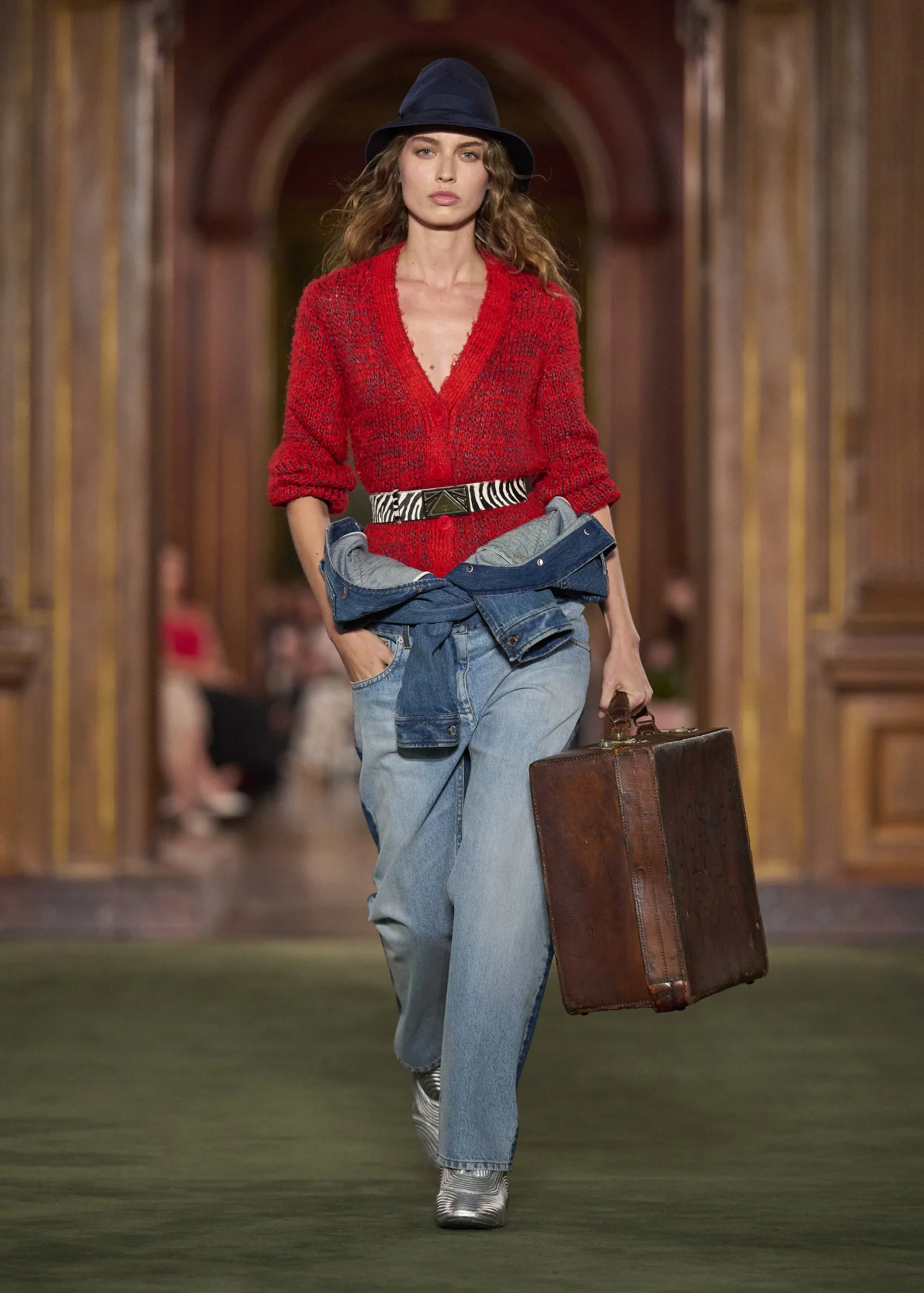
That duality informed every aspect of the presentation. Inside the Frick’s historically charged environment, garments moved like contemporary interruptions against the weight of European decorative tradition. It was a deliberate juxtaposition. The setting itself—an American institution built upon admiration for French artistry—mirrored the collection’s larger thesis: that fashion’s most compelling ideas emerge through exchange rather than imitation.
The result was a wardrobe that translated distinctly American codes through the lens of French savoir-faire. Denim appeared sharpened and elevated. Leather carried both toughness and polish. Jersey fabrics, historically associated with utility and athleticism, were reconstructed with sculptural precision. Rather than romanticizing Americana, Ghesquière reframed it, examining how everyday garments become cultural artifacts when filtered through luxury craftsmanship.
The collection’s most resonant dialogue, however, emerged through its engagement with the work of Keith Haring. The discovery of a 1930s Louis Vuitton leather suitcase reworked by Haring became both symbolic and foundational—a rare intersection between heritage luxury and democratic artistic expression. Haring’s visual language, rooted in accessibility and public space, disrupted the traditional exclusivity associated with luxury fashion. His graphics appeared across garments and accessories not as nostalgic reproductions, but as living extensions of the collection’s broader narrative about visibility, universality, and cultural participation.
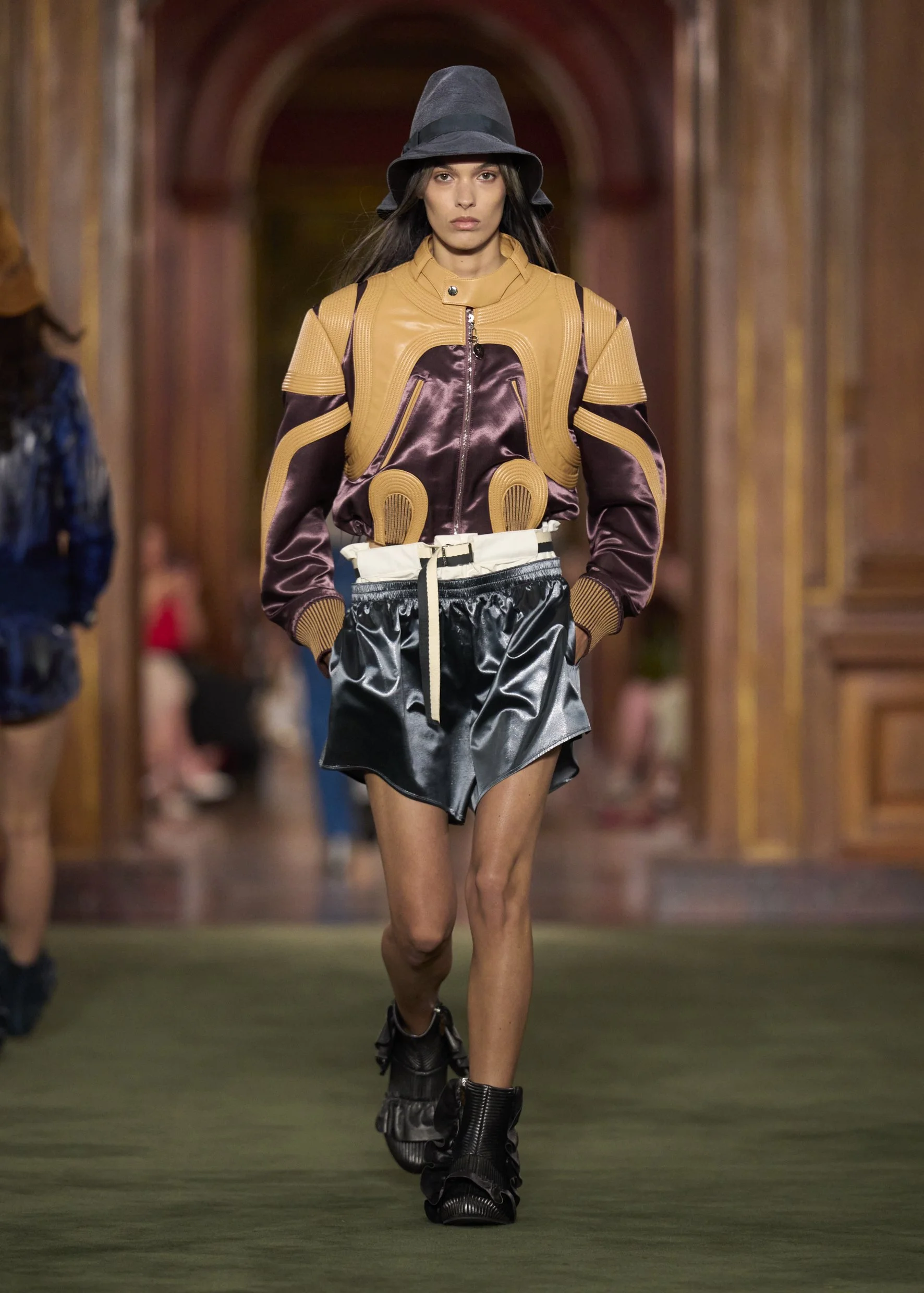
That tension between “pop” and prestige has become increasingly central to luxury fashion’s evolution. Yet Ghesquière approached it with nuance. Rather than reducing New York culture into spectacle, the collection acknowledged the city’s layered visual ecosystem: graffiti, automotive references, slot machines, Gilded Age ornamentation, passementerie, sequined embroidery. Symbols of excess and symbols of rebellion existed simultaneously, much like the city itself.
Color played a particularly important role in articulating that energy. Vibrant tones punctuated the collection with optimism and movement, recalling the visual overstimulation of New York streets while counterbalancing the stately interiors of the Frick. The garments carried an almost cinematic quality—as though fragments of multiple decades were colliding in real time.
What ultimately distinguished Cruise 2027 was its refusal to flatten cultural references into trend-driven shorthand. Instead, Ghesquière treated New York as a living archive. The collection proposed that identity itself is constructed through contradiction: European heritage and American immediacy, grand masters and pop art, refinement and disruption. In doing so, Louis Vuitton presented luxury not as escape from reality, but as a framework for understanding contemporary life more deeply.
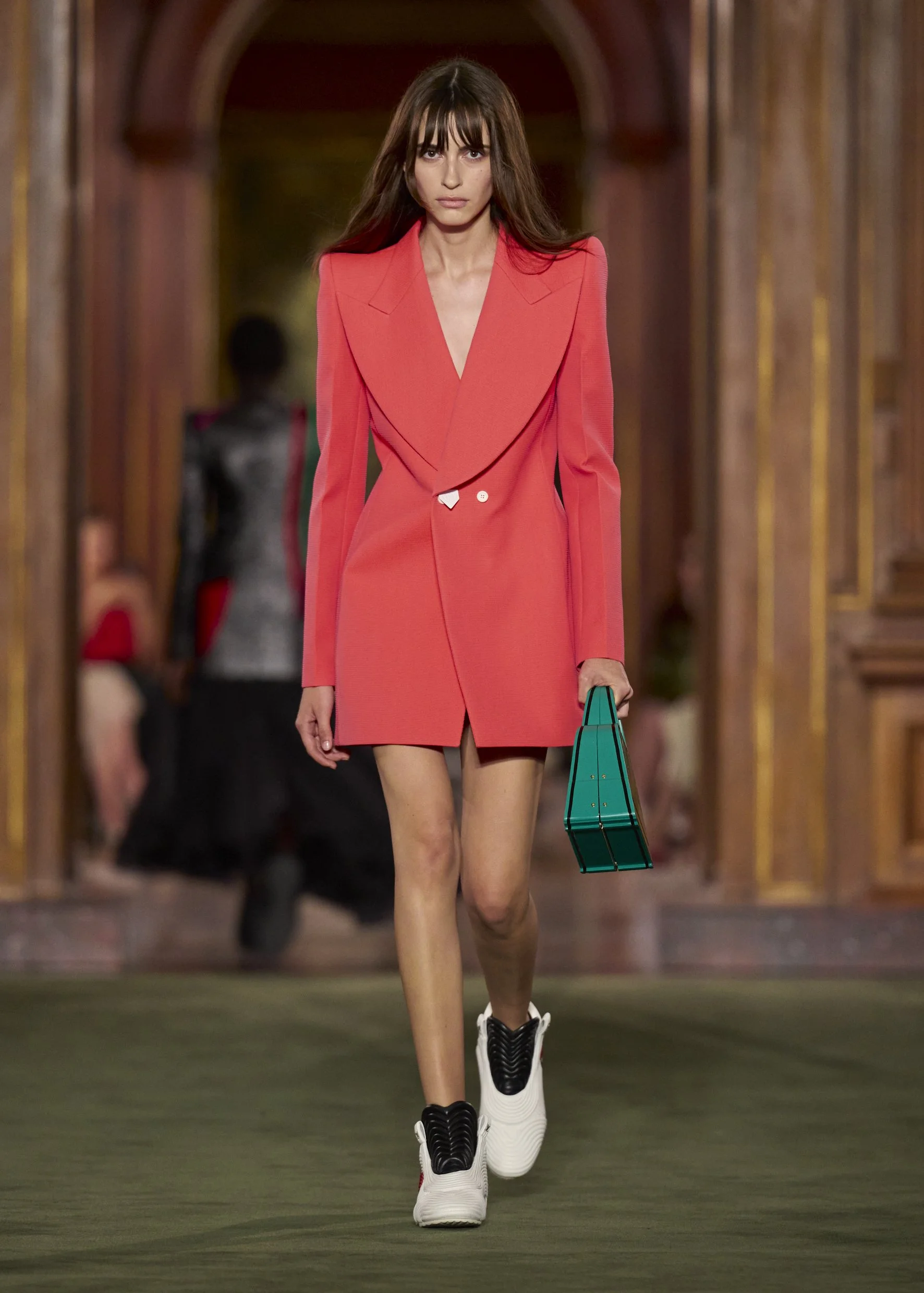
At a moment when fashion increasingly searches for authenticity amid algorithmic sameness, Cruise 2027 succeeded because it embraced complexity. It recognized New York as a city perpetually negotiating its own reinvention, and fashion as one of the few mediums capable of holding those opposing forces together at once.
See full runway from NYC:
HOW DO YOU FEEL ABOUT FASHION?
COMMENT OR TAKE OUR PAGE READER SURVEY
Featured
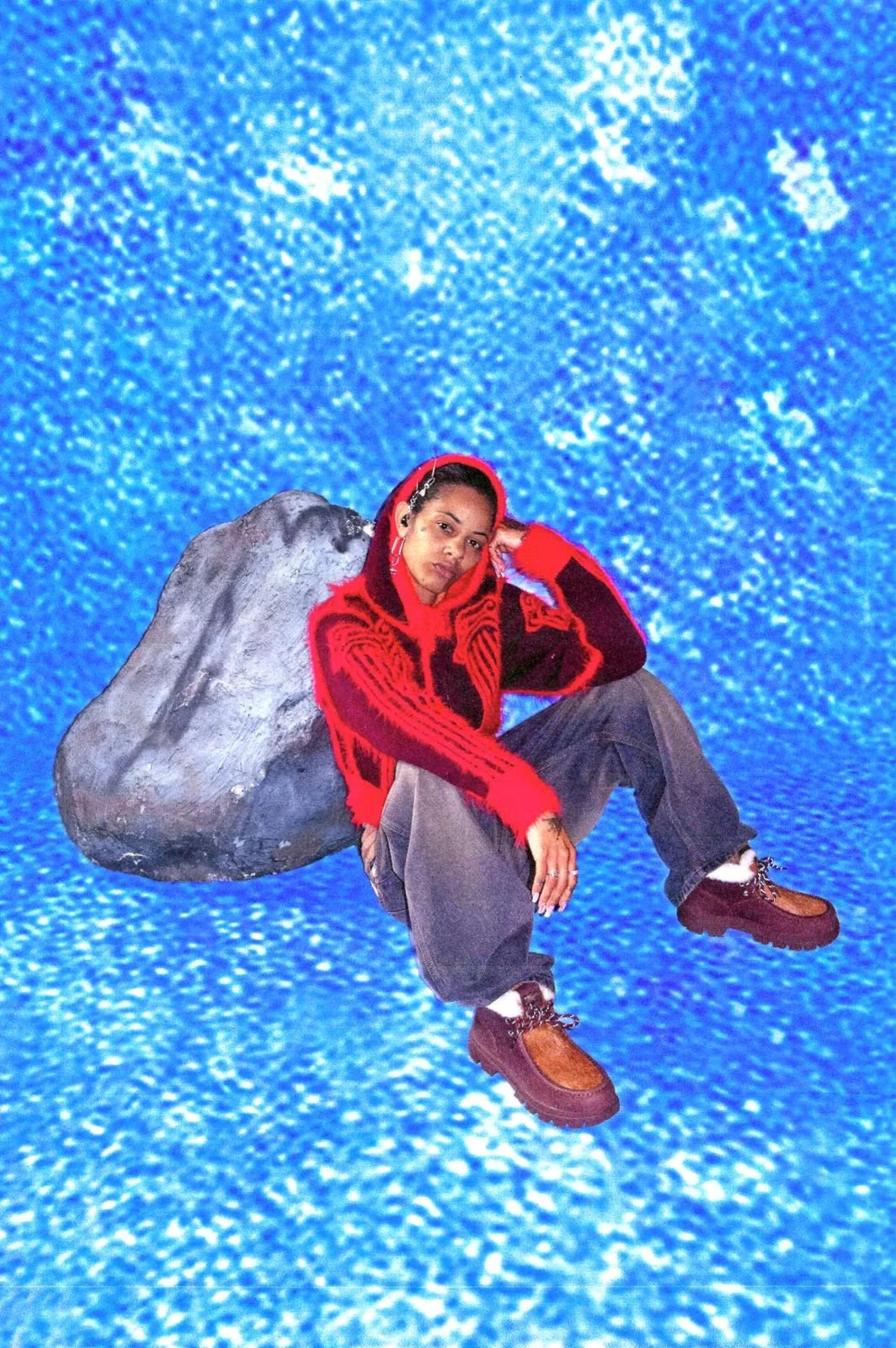
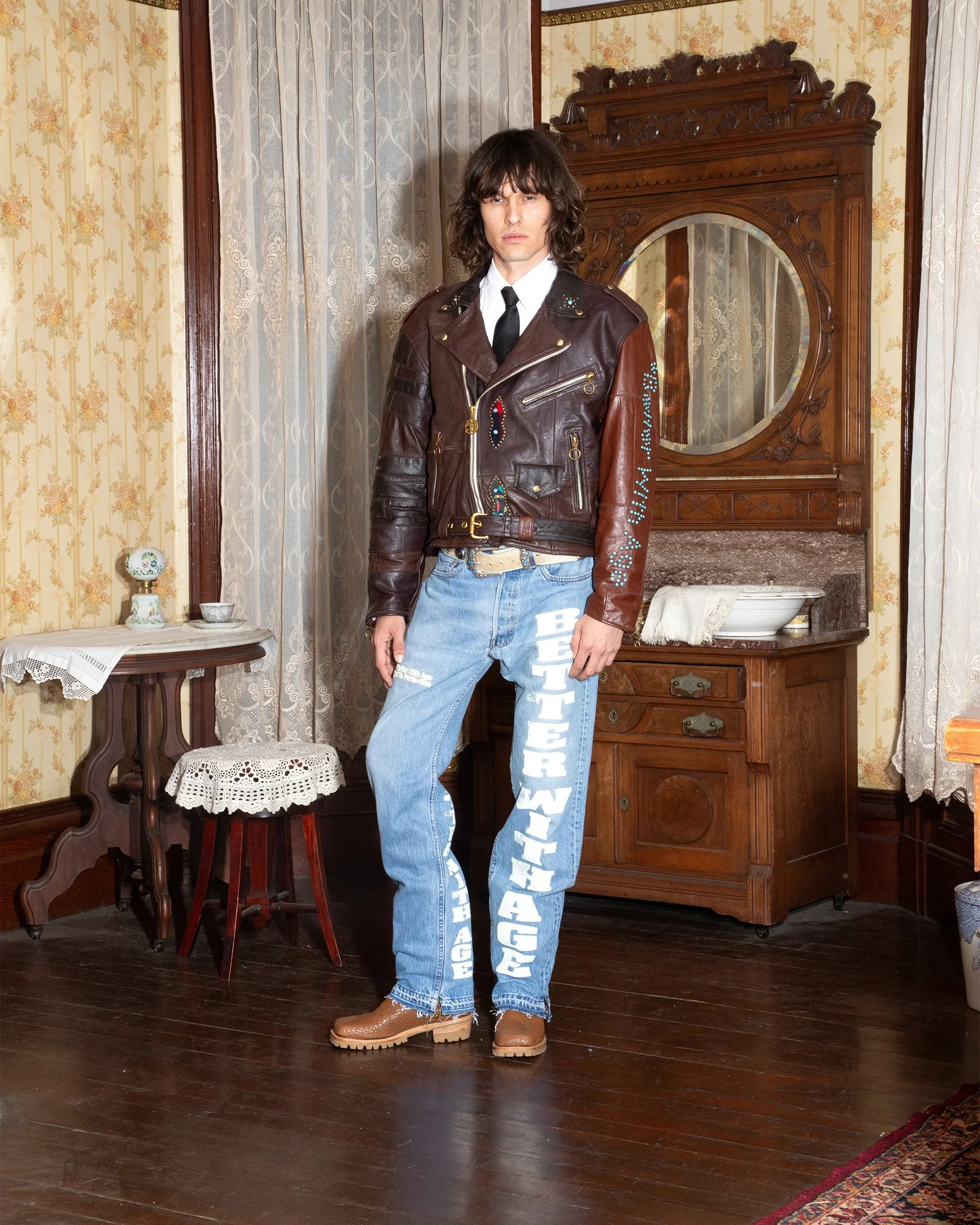
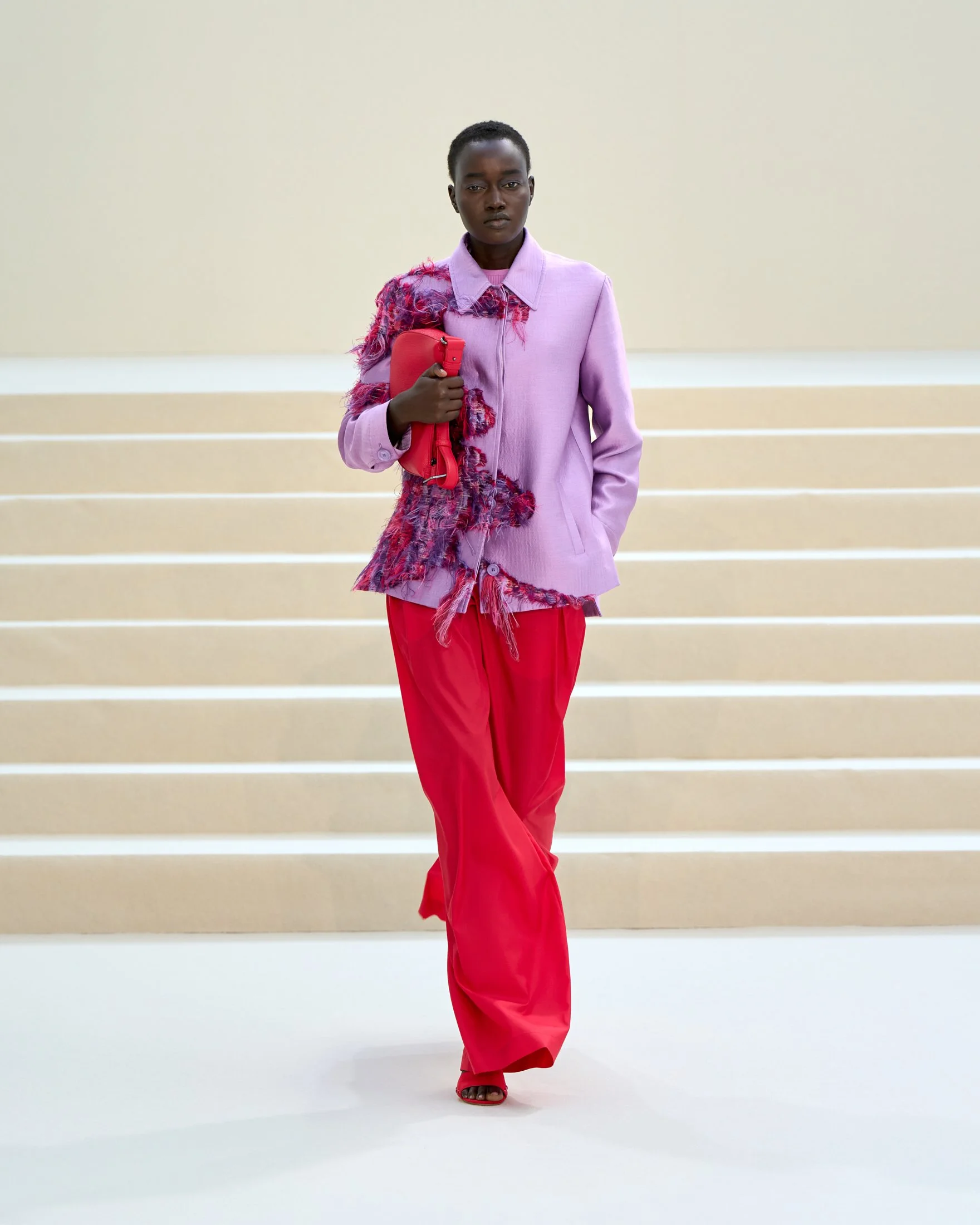
Telfar's SS2027 collection transforms the sample sale into a runway, using inside-out tailoring, manipulated materials, New York street references and a Brooklyn-to-Paris spectacle to question who gets to define fashion—and where it actually happens.