
Vivobarefoot’s “Free Your Feet” Is Less About Footwear—And More About Reclaiming Sensory Agency
PAGE
By PAGE Editor
In an industry historically defined by excess—more cushioning, more control, more intervention—Vivobarefoot’s latest global campaign, Free Your Feet, lands with a deliberate sense of restraint. It doesn’t attempt to outpace “big shoe” culture; instead, it quietly questions its premise.
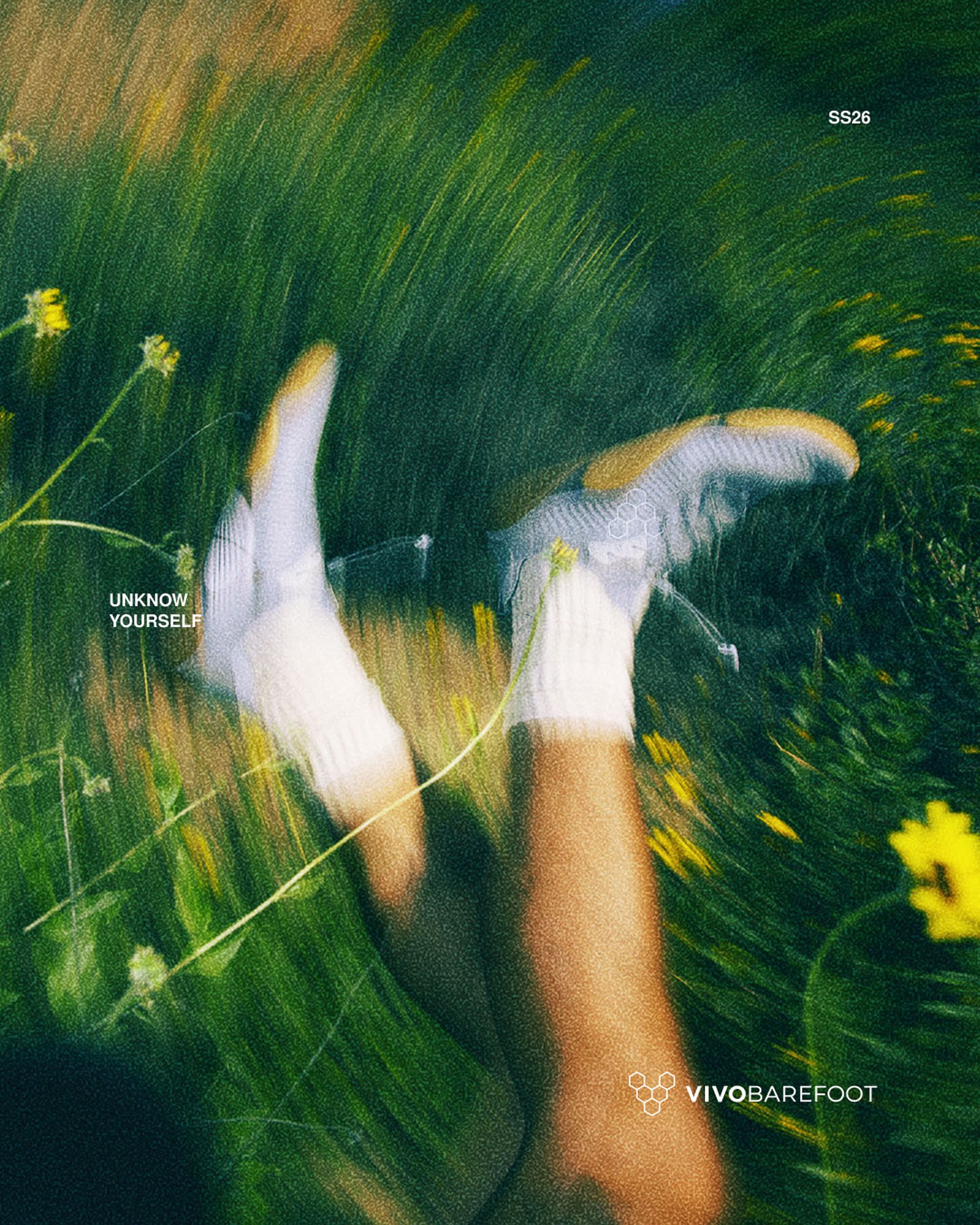
The campaign’s provocation is disarmingly simple: “If you can’t feel the ground, how do you know where you stand?” But beneath that rhetorical clarity is a broader recalibration—one that reframes footwear not as performance enhancement, but as a mediator of human experience.
At a time when conversations around wellness increasingly intersect with ideas of intentional living, sensory awareness, and environmental reciprocity, Free Your Feet feels less like marketing and more like cultural alignment.
A Collective Built On Lived Experience
Rather than relying on aspirational abstraction, Vivobarefoot grounds the campaign in a cross-disciplinary collective: Mack Hollins, John John Florence, Eva Zu Beck, Tati Gabrielle, Gerald Demolsky, Ross Edgley, Laura Crane, and Daisuke Ichimiya.
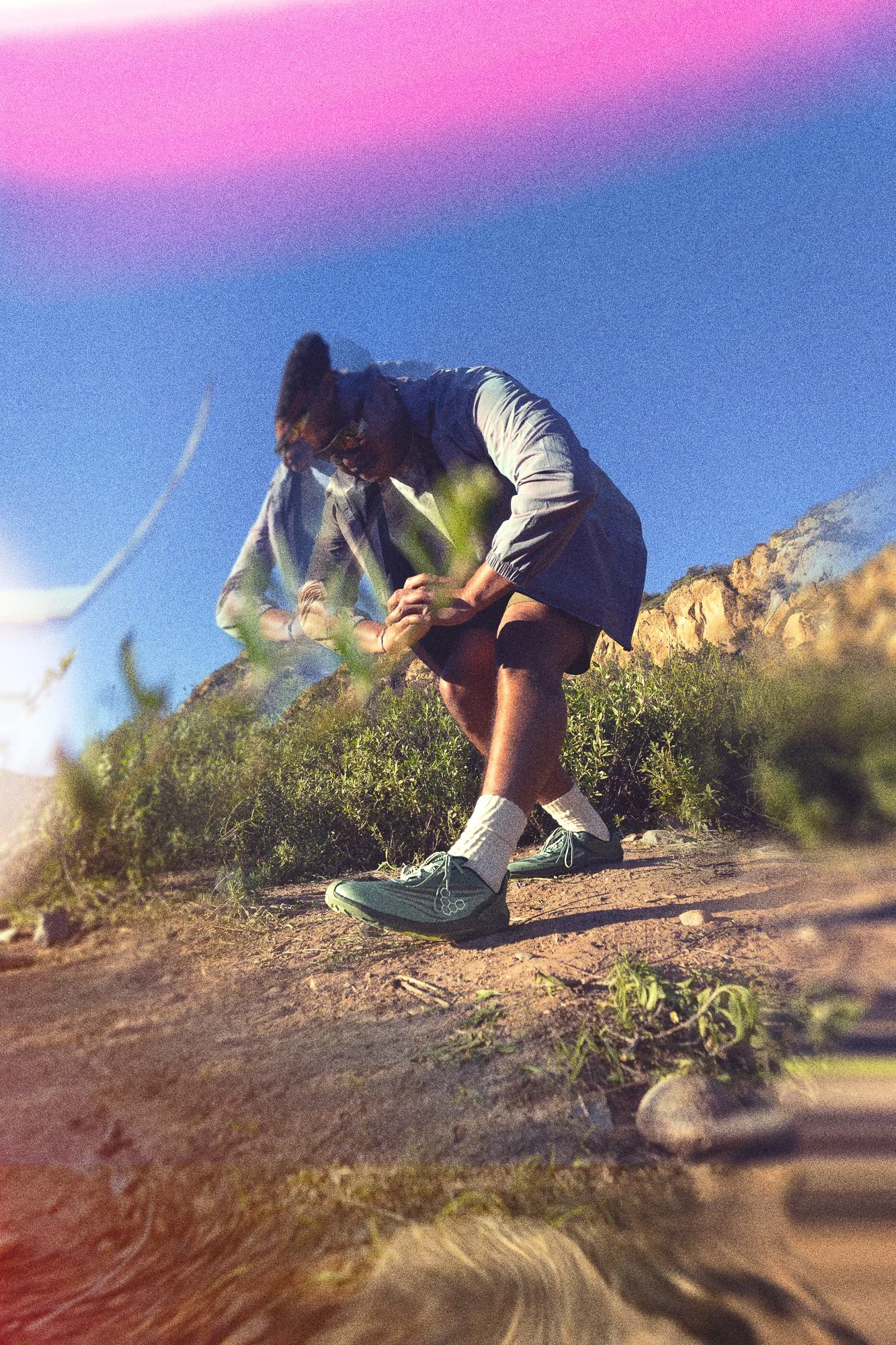
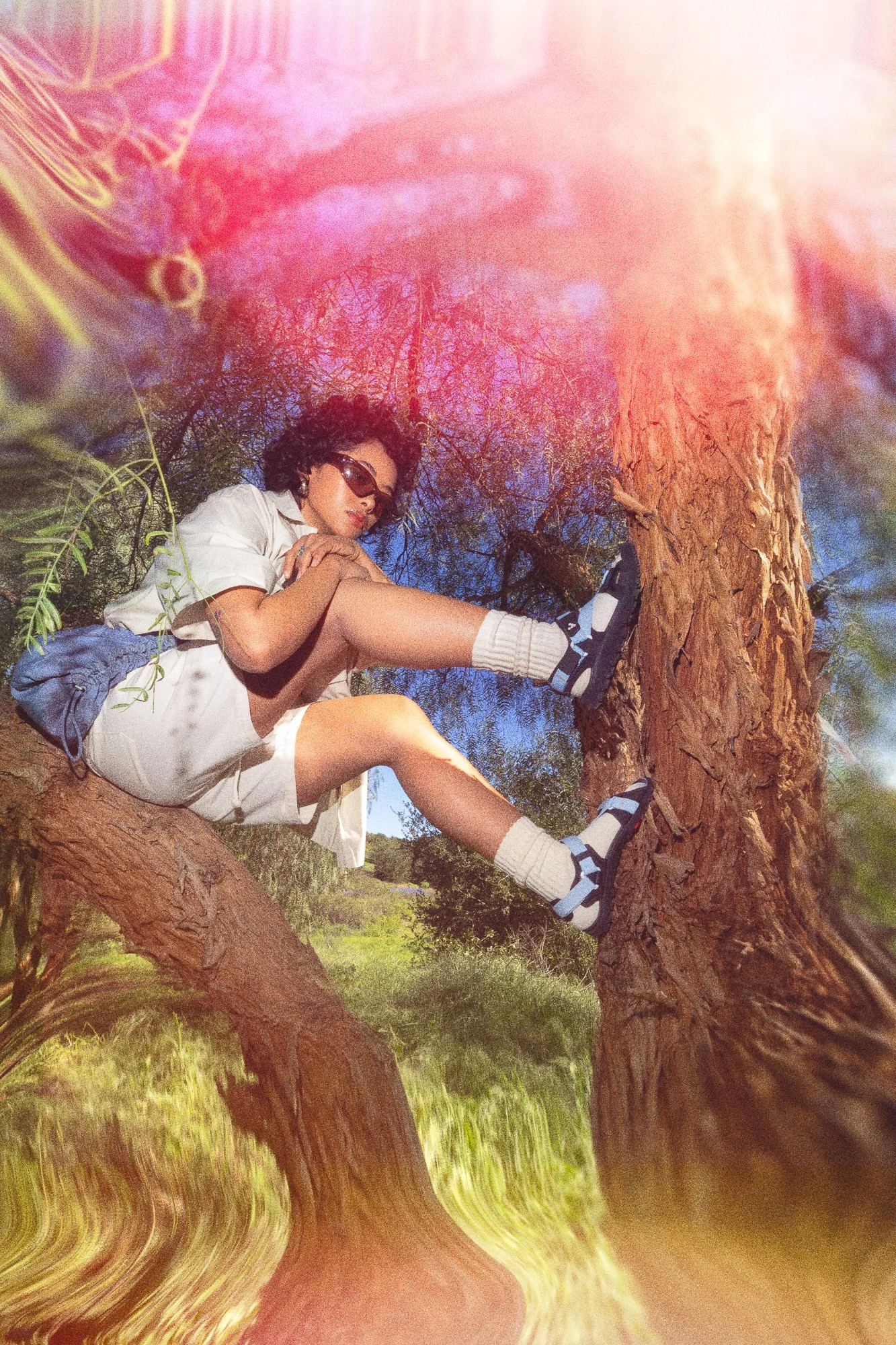
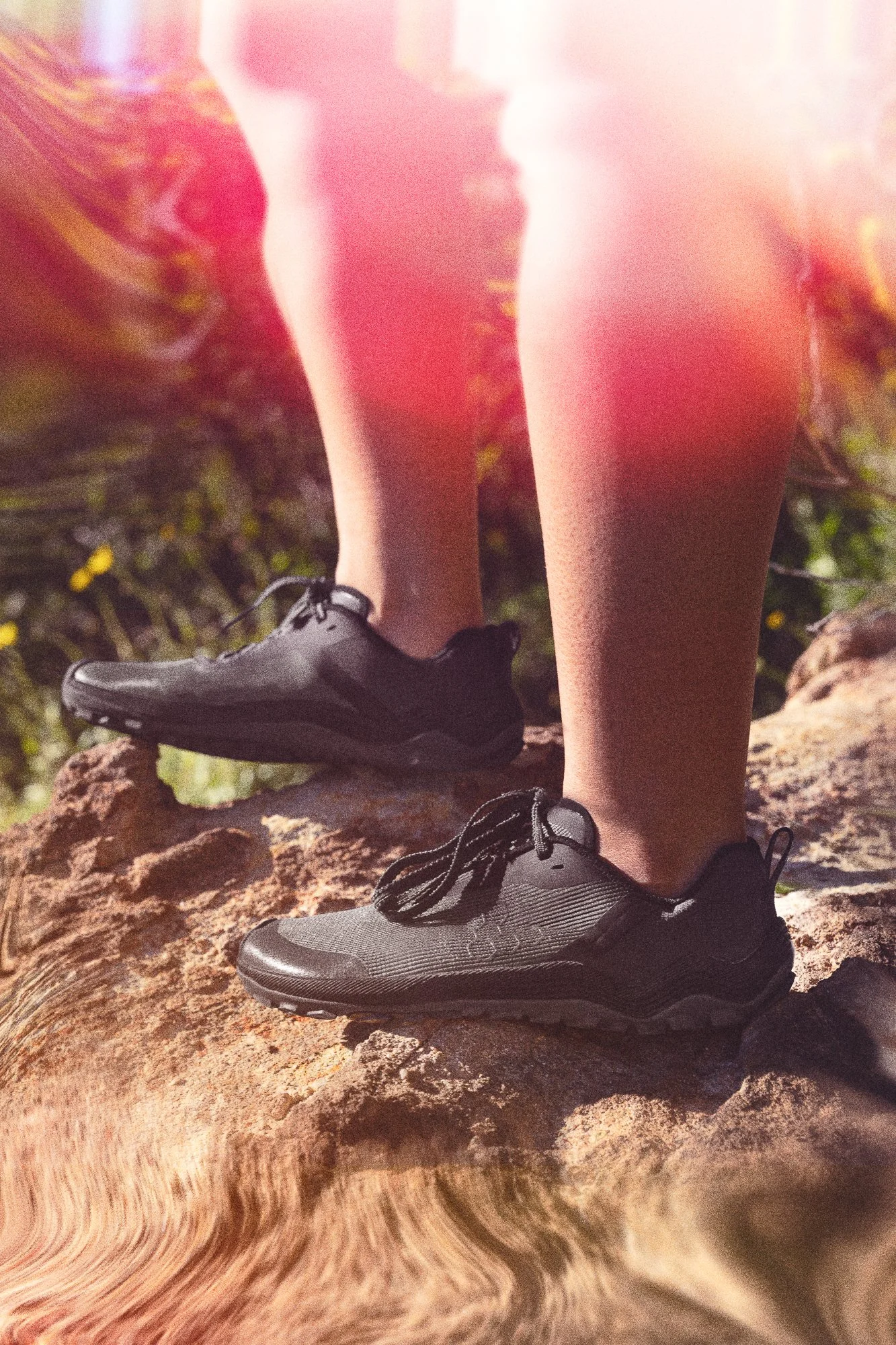
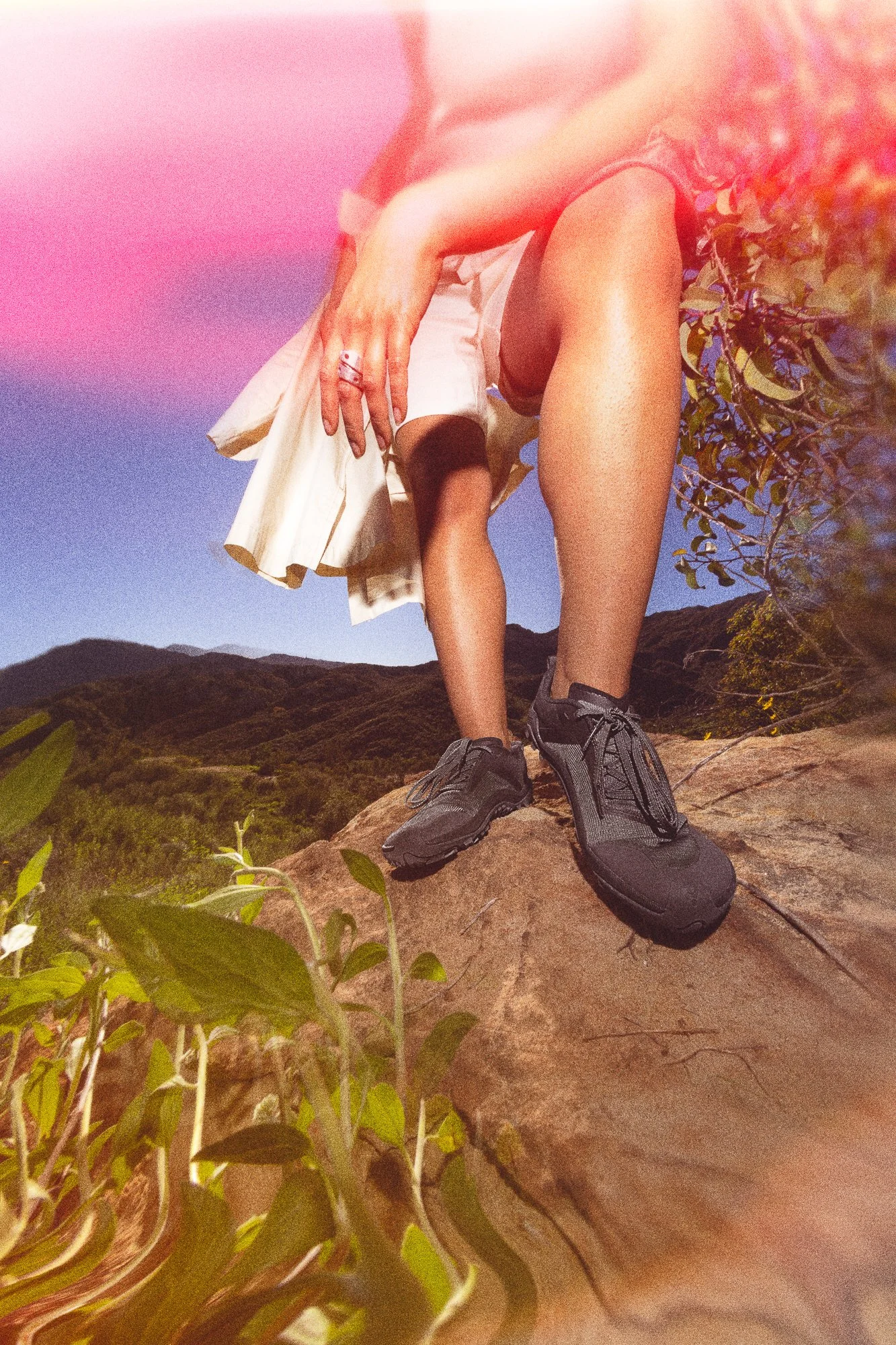
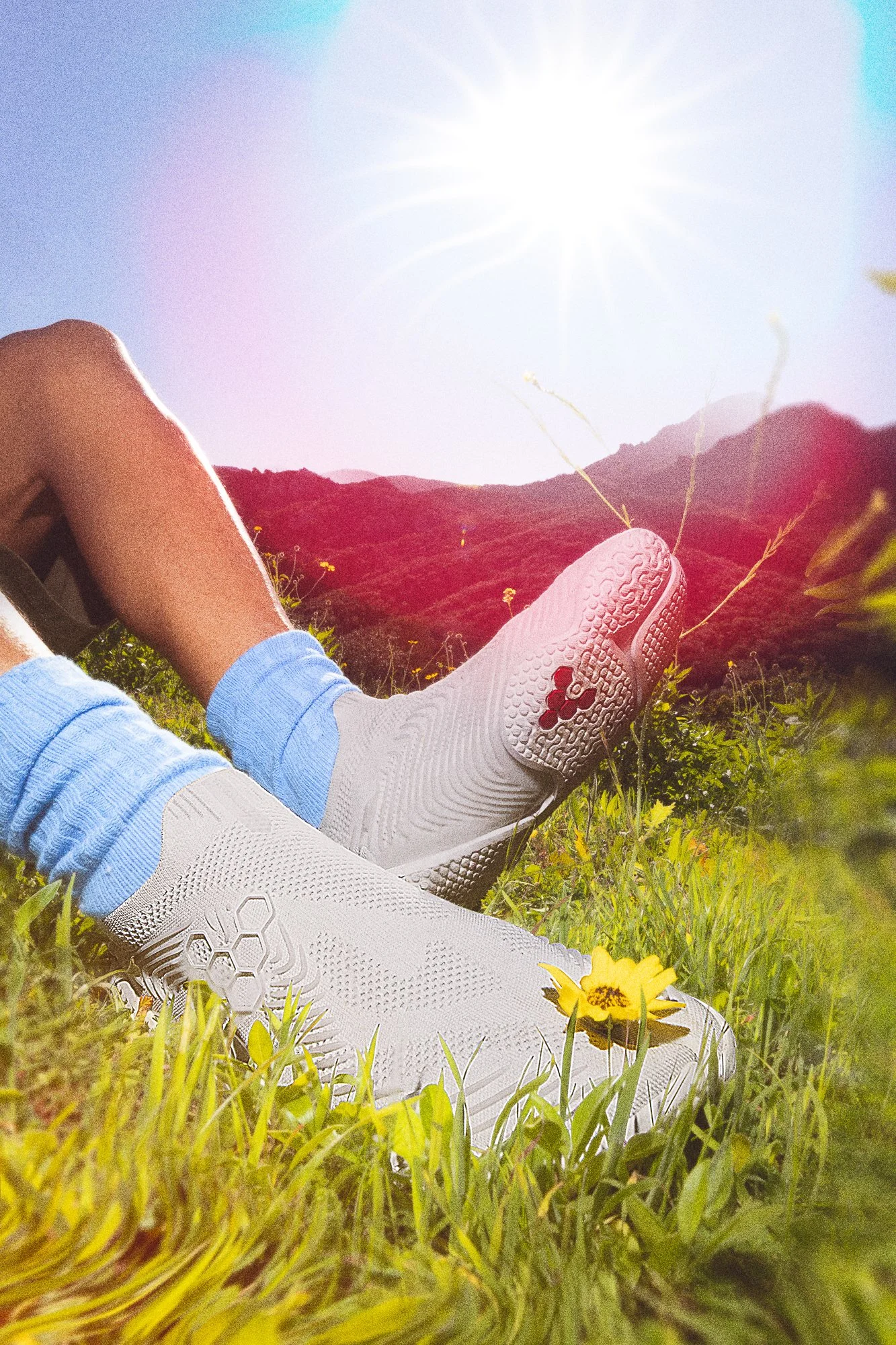
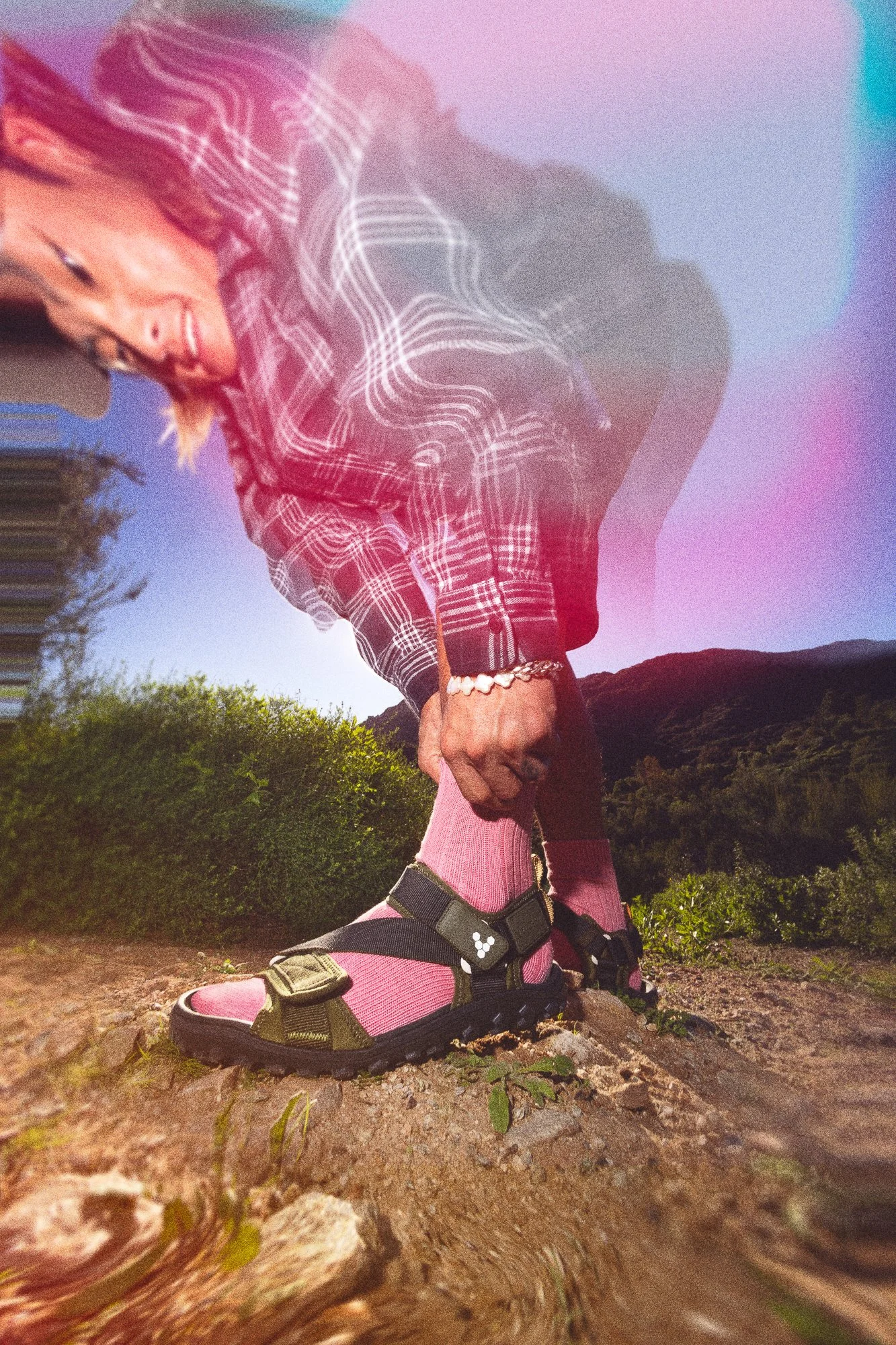
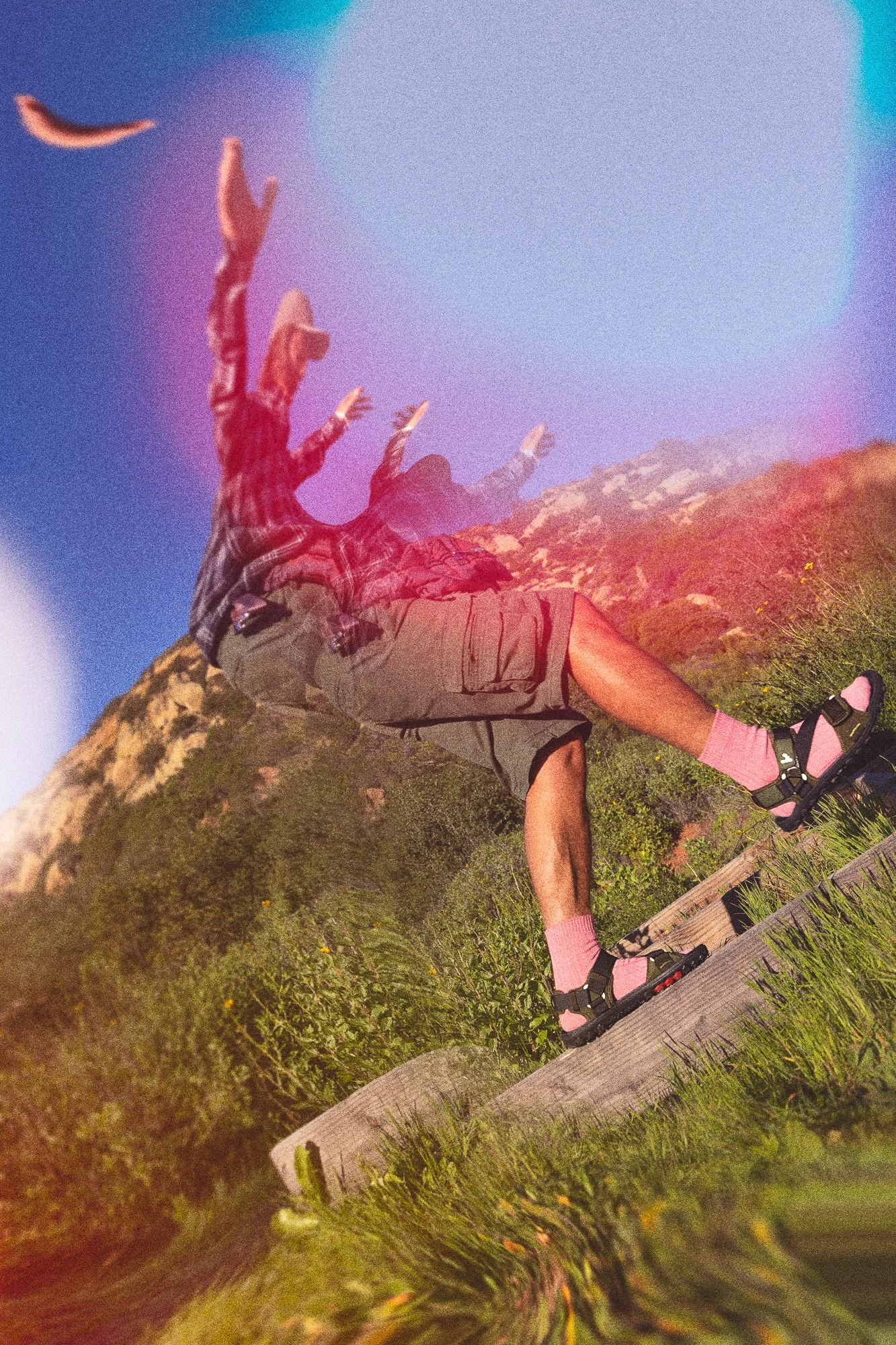
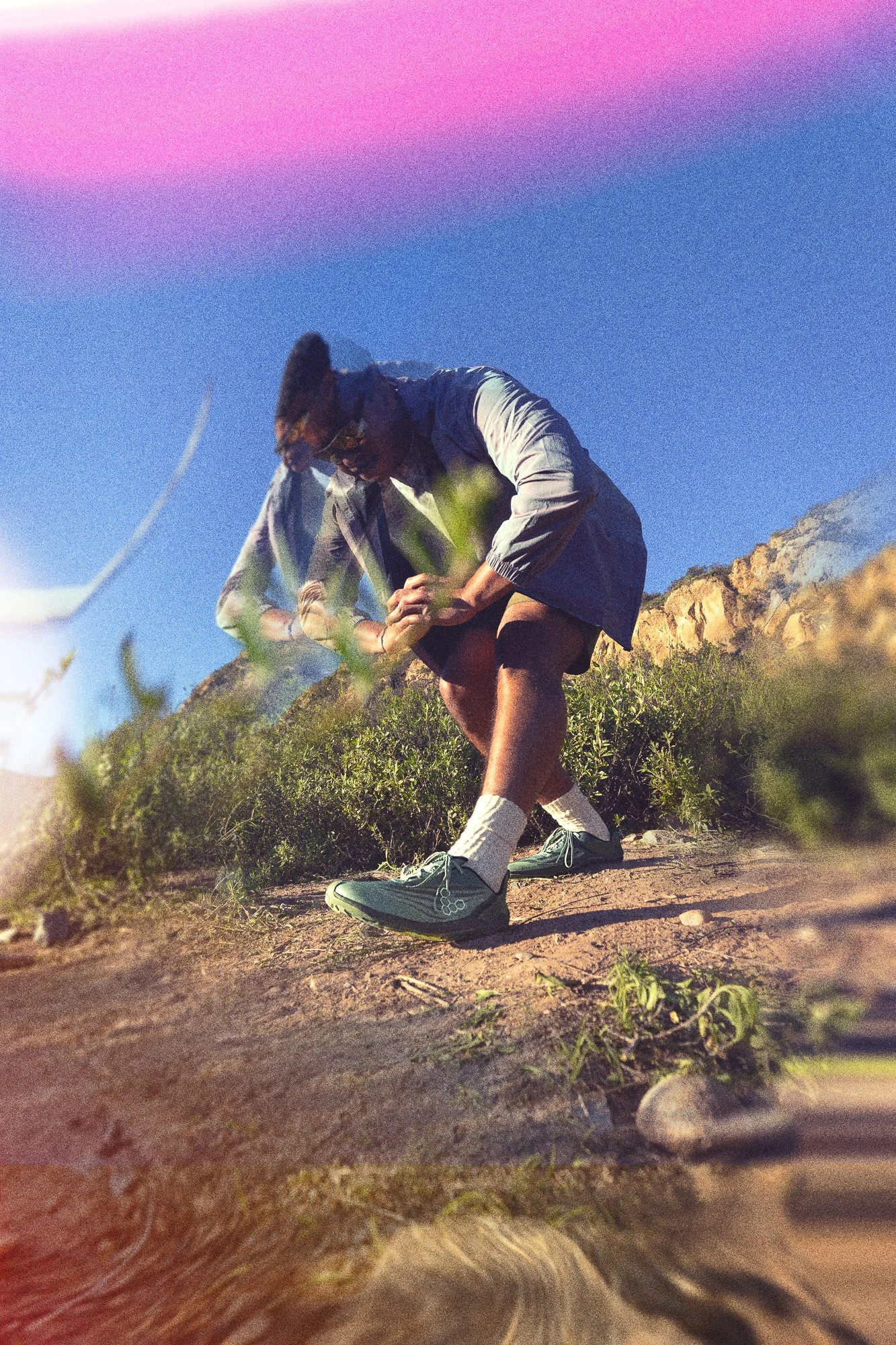
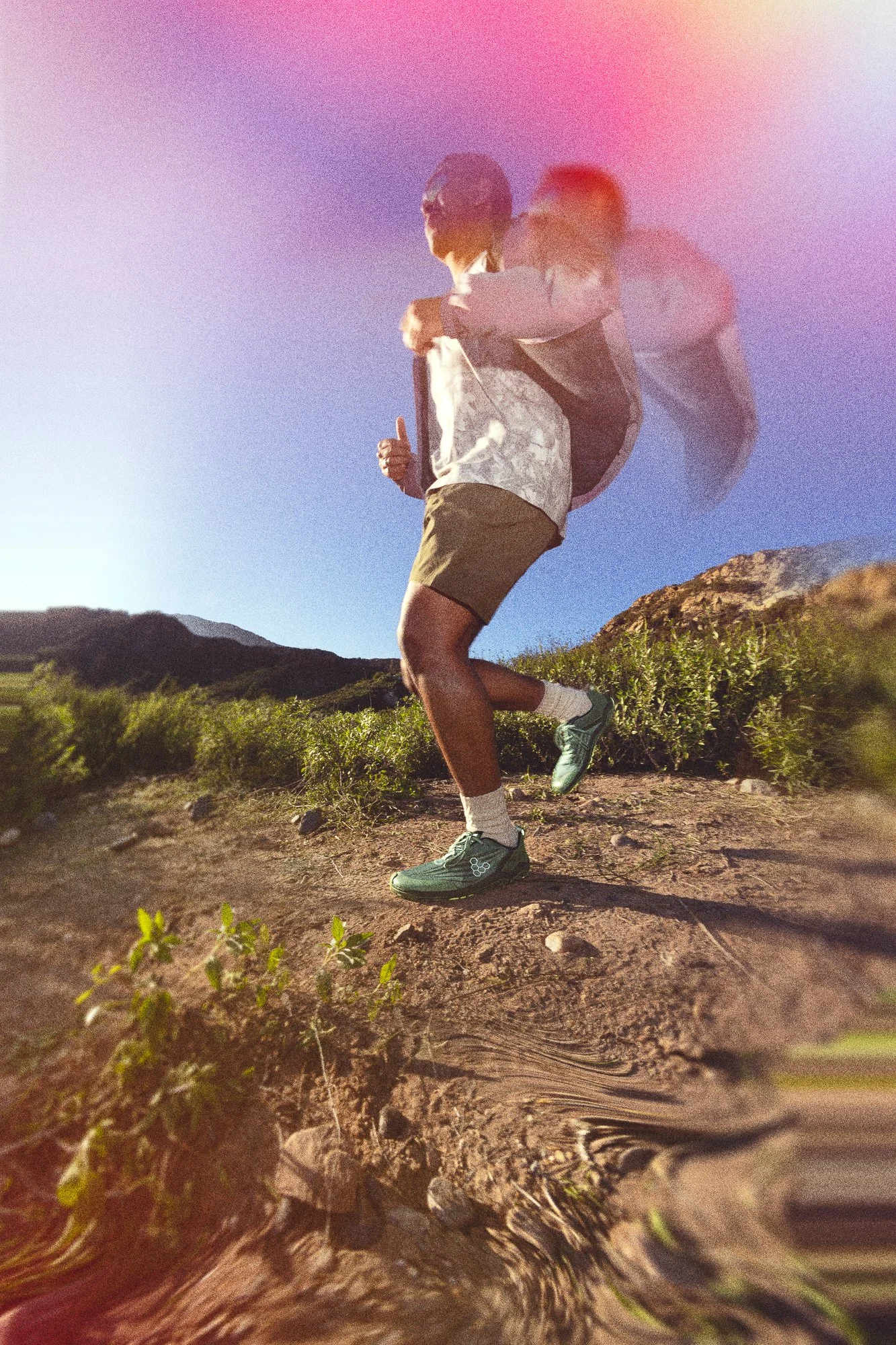
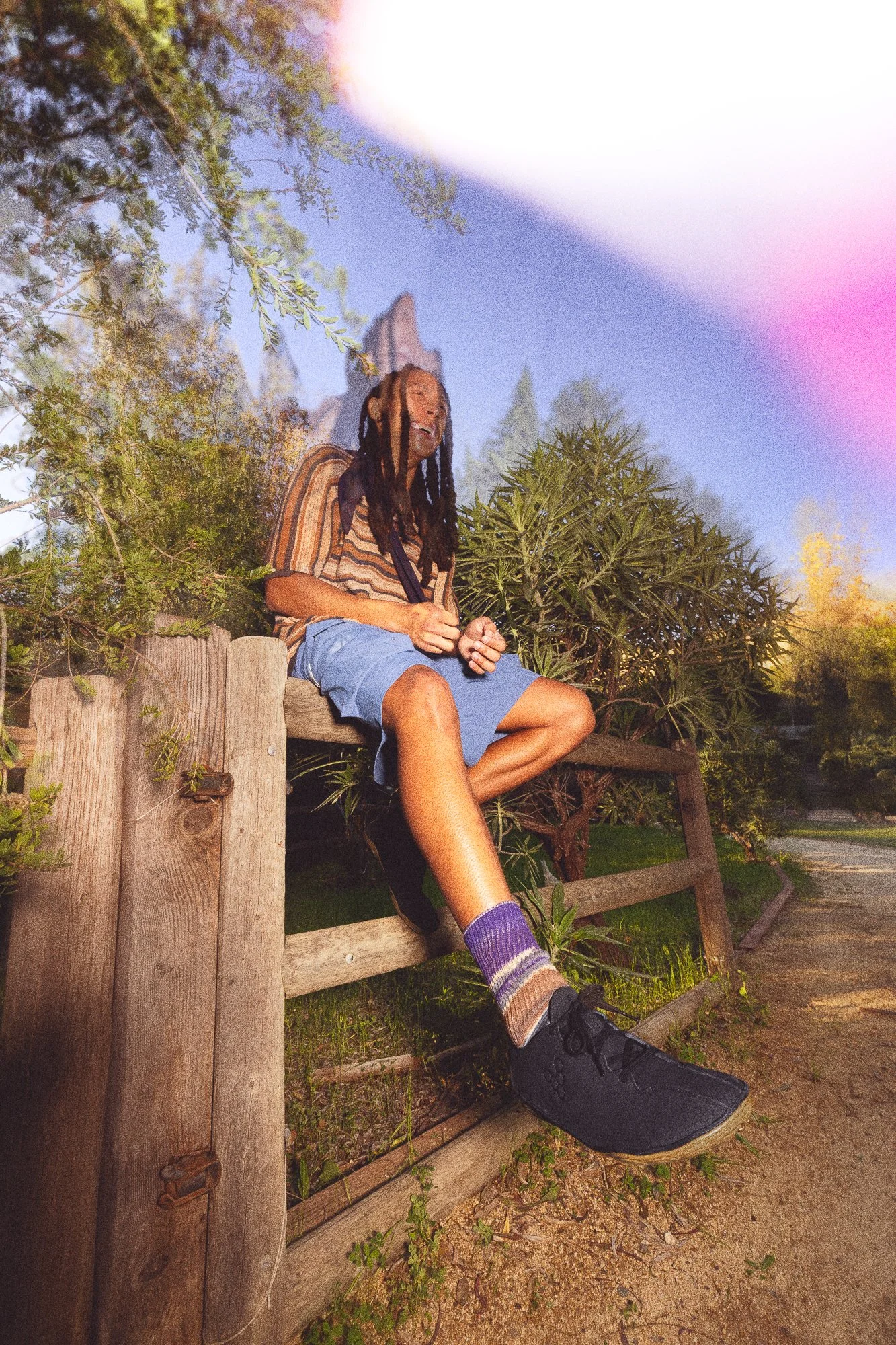
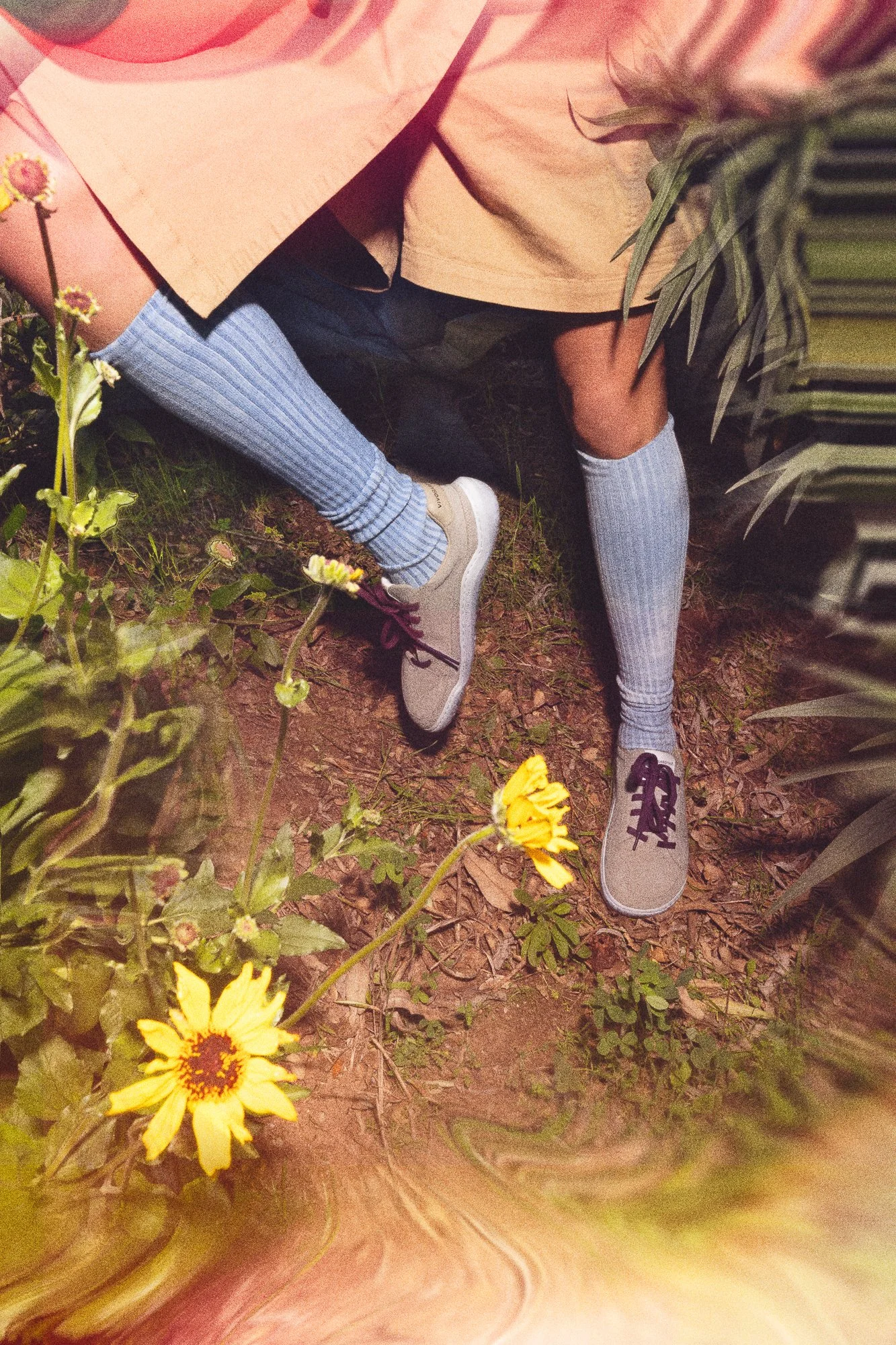
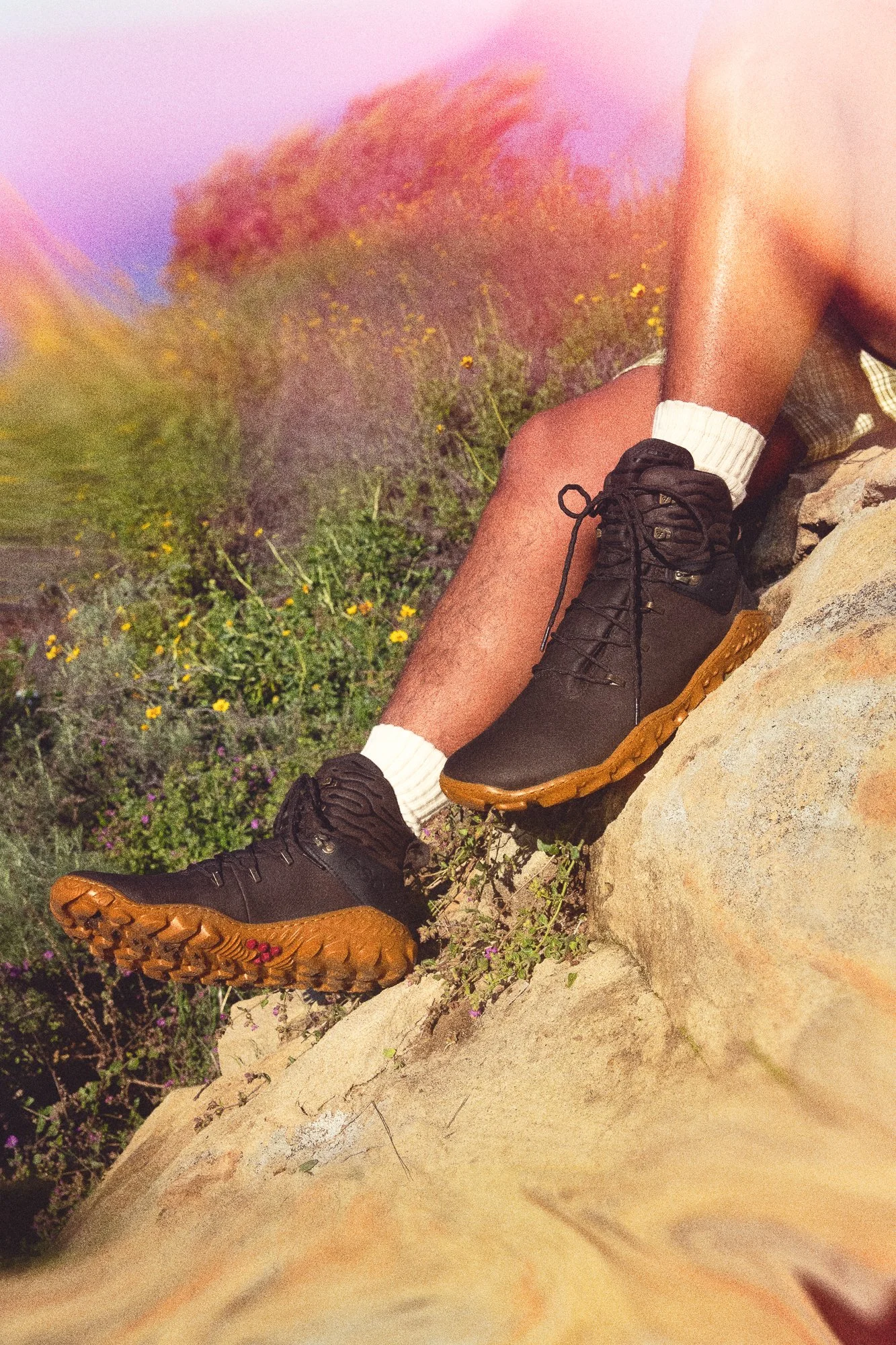
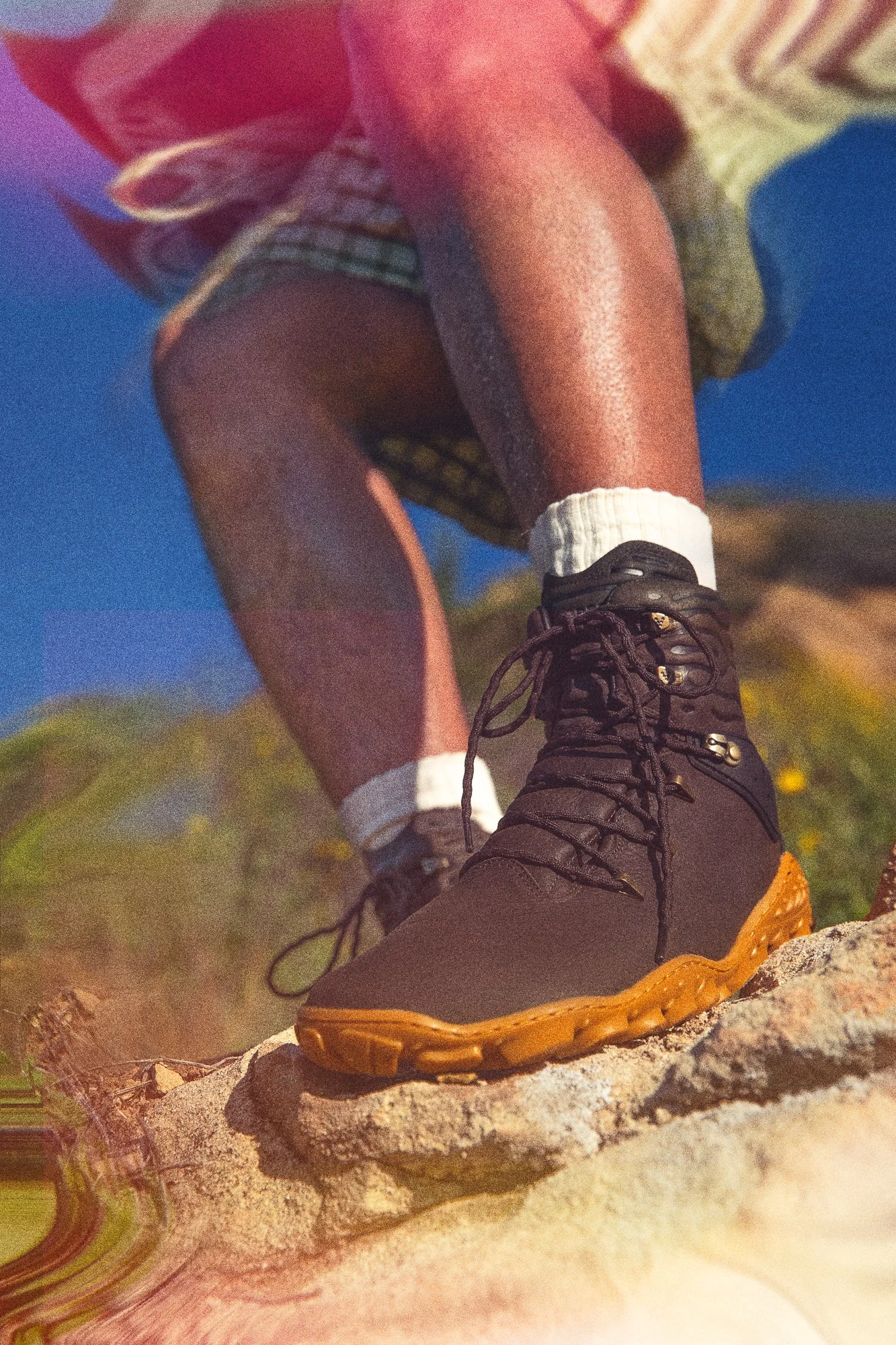
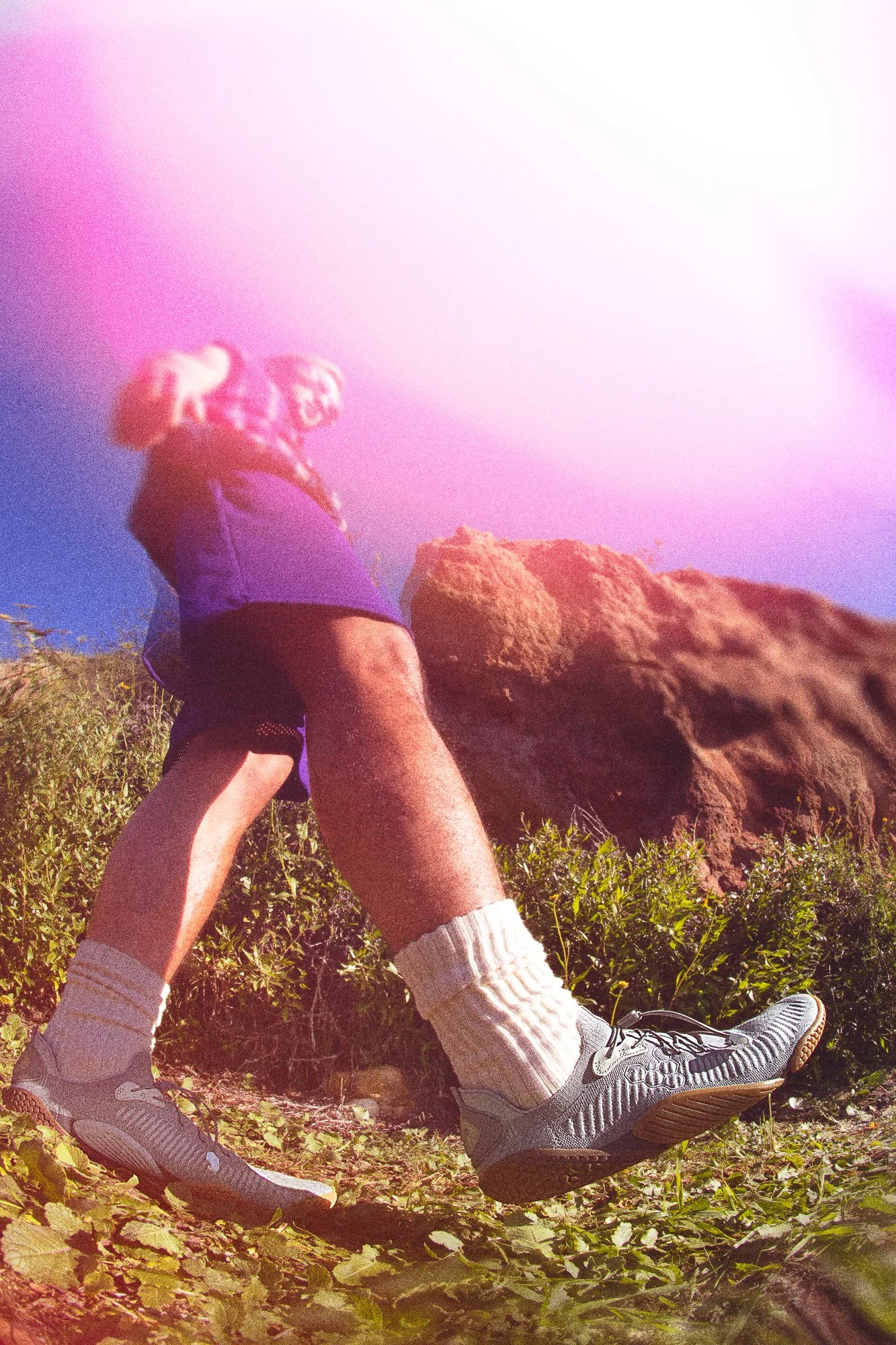
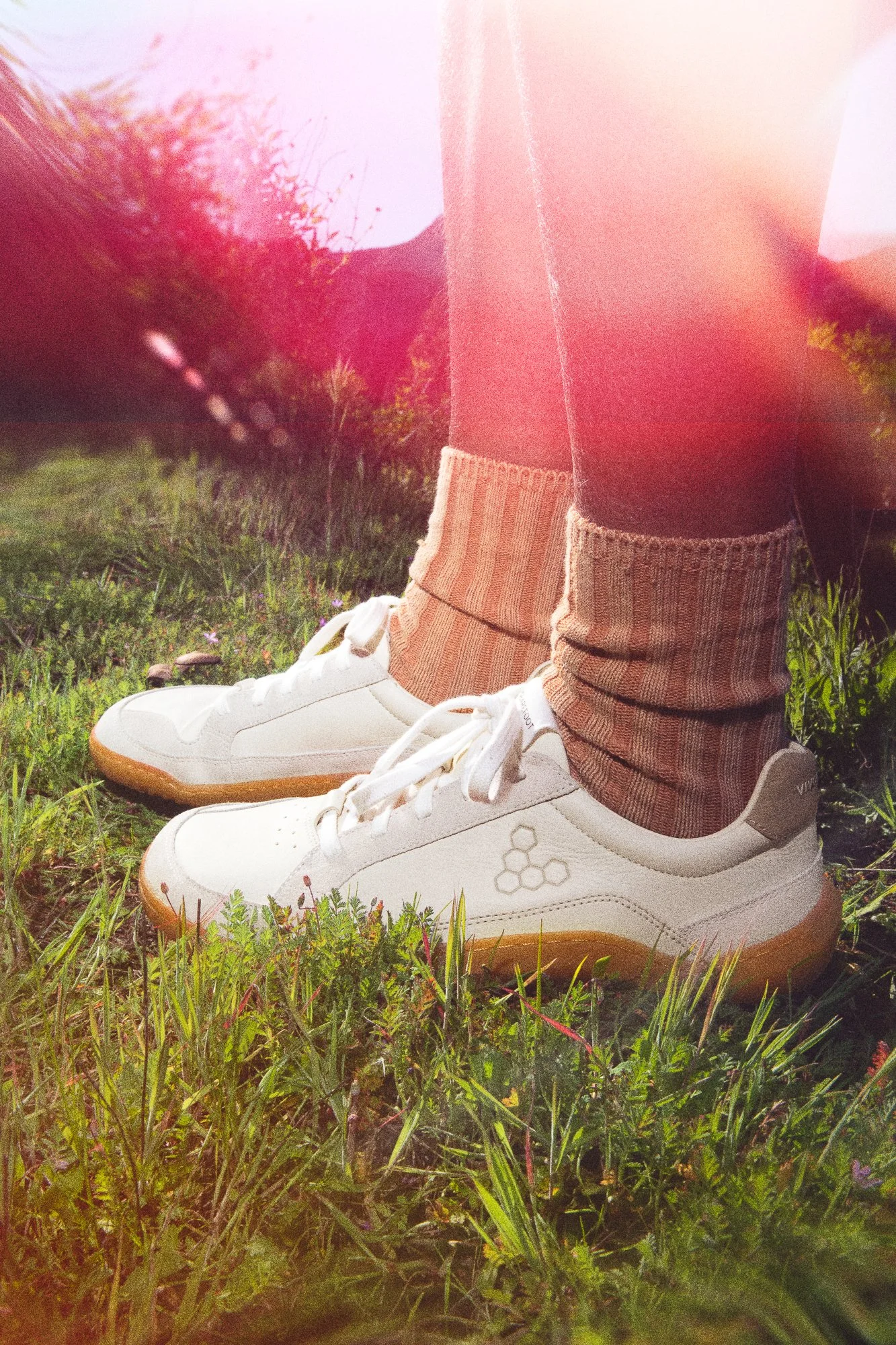
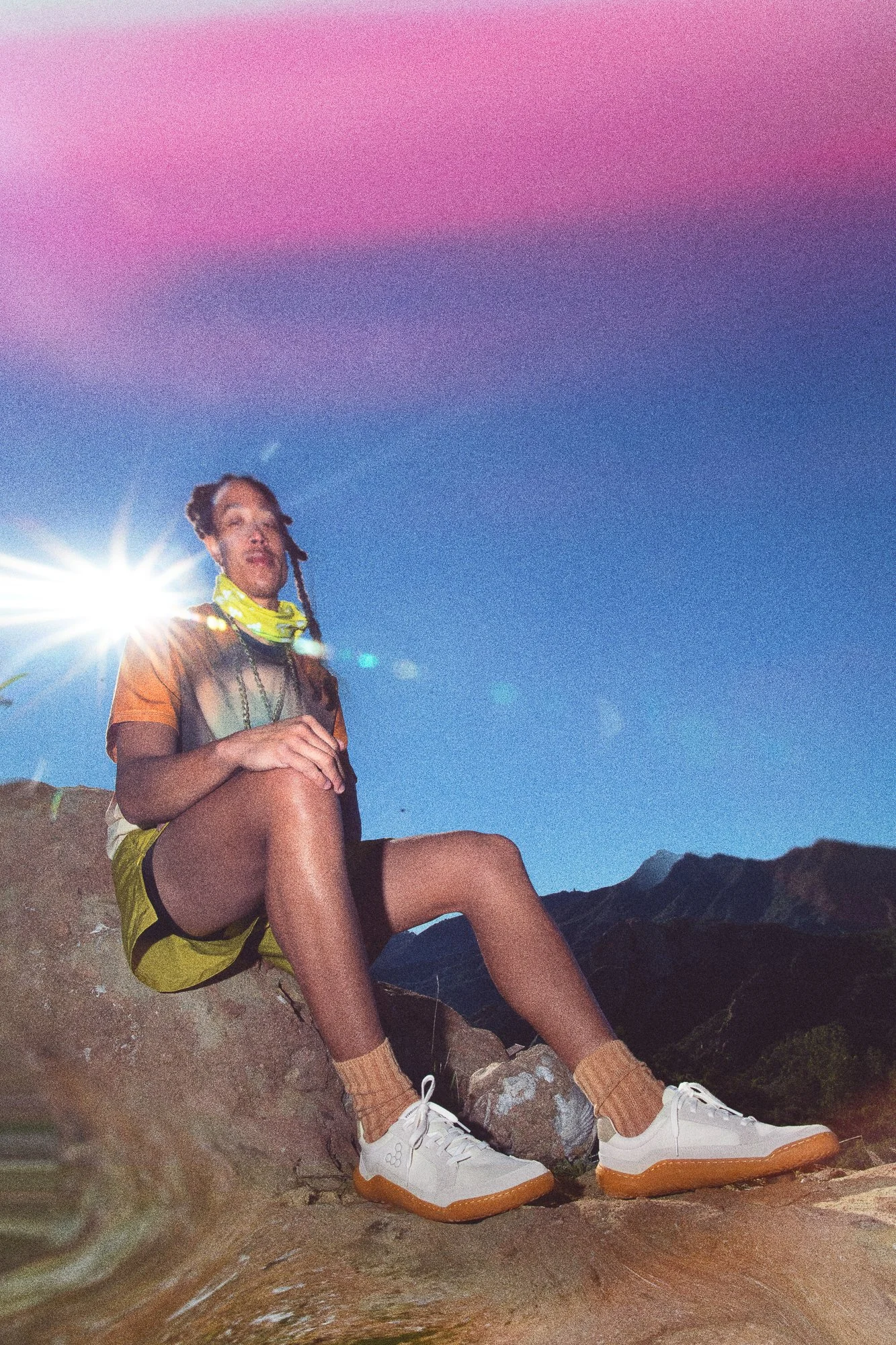
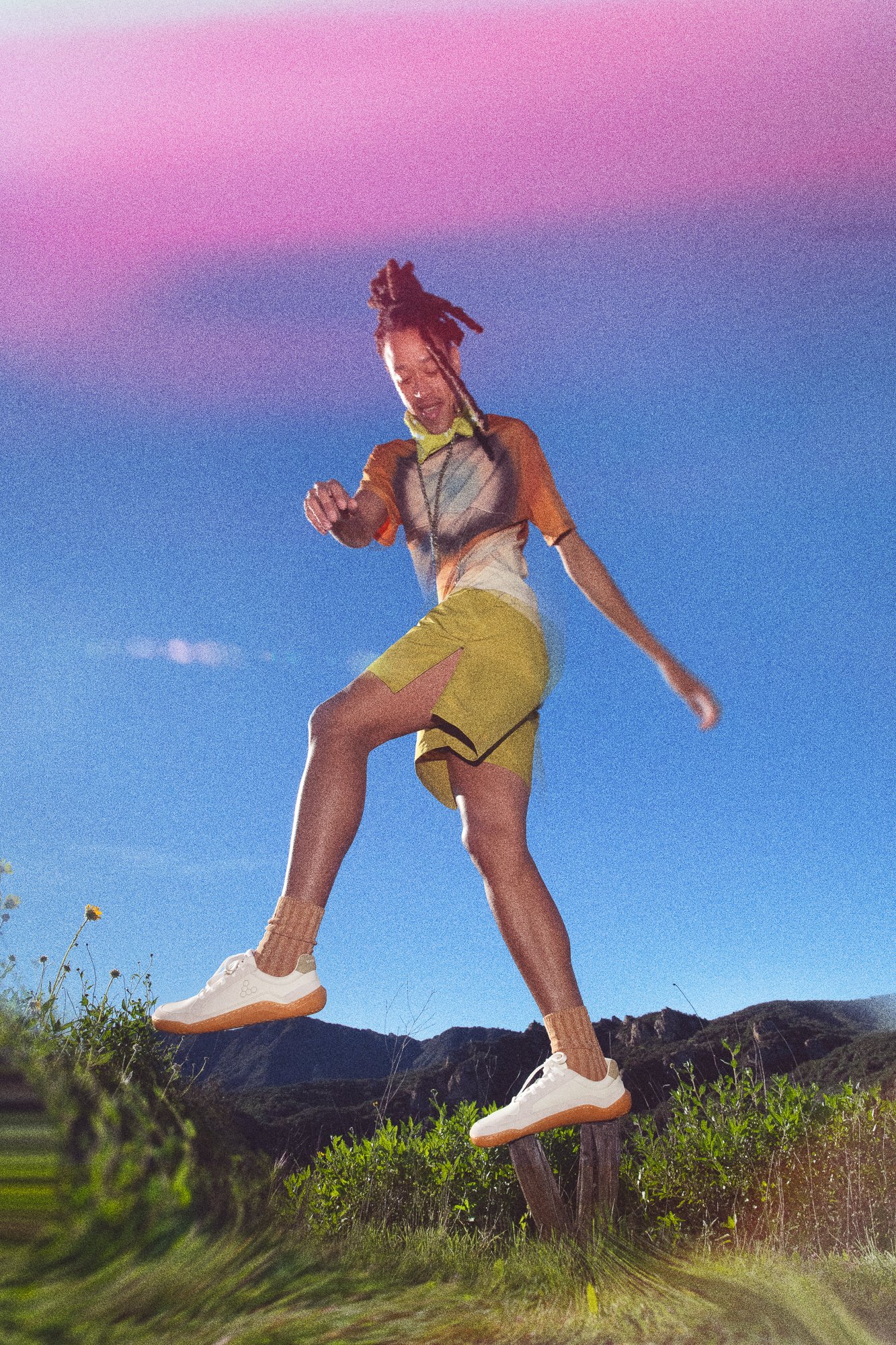
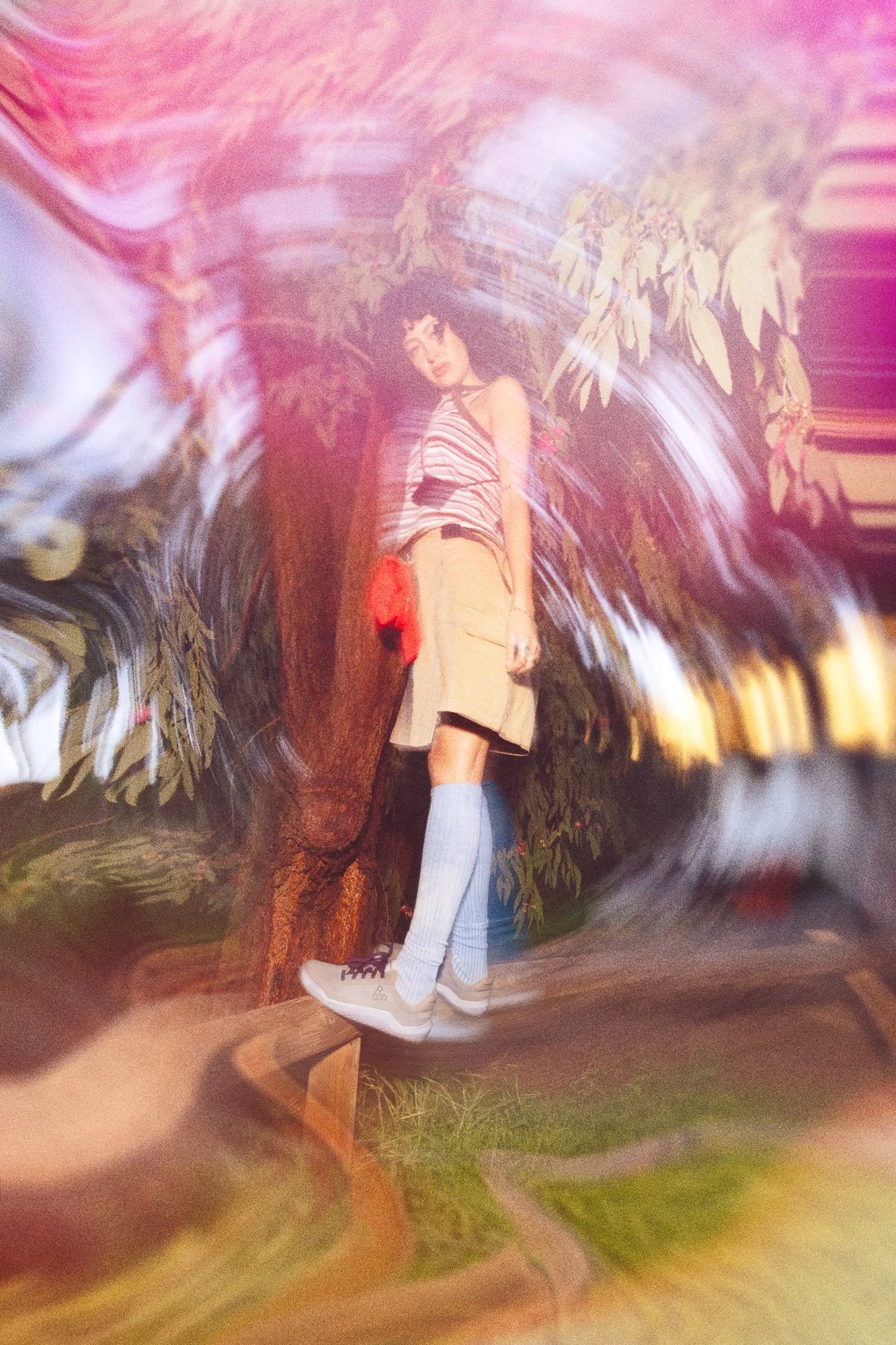
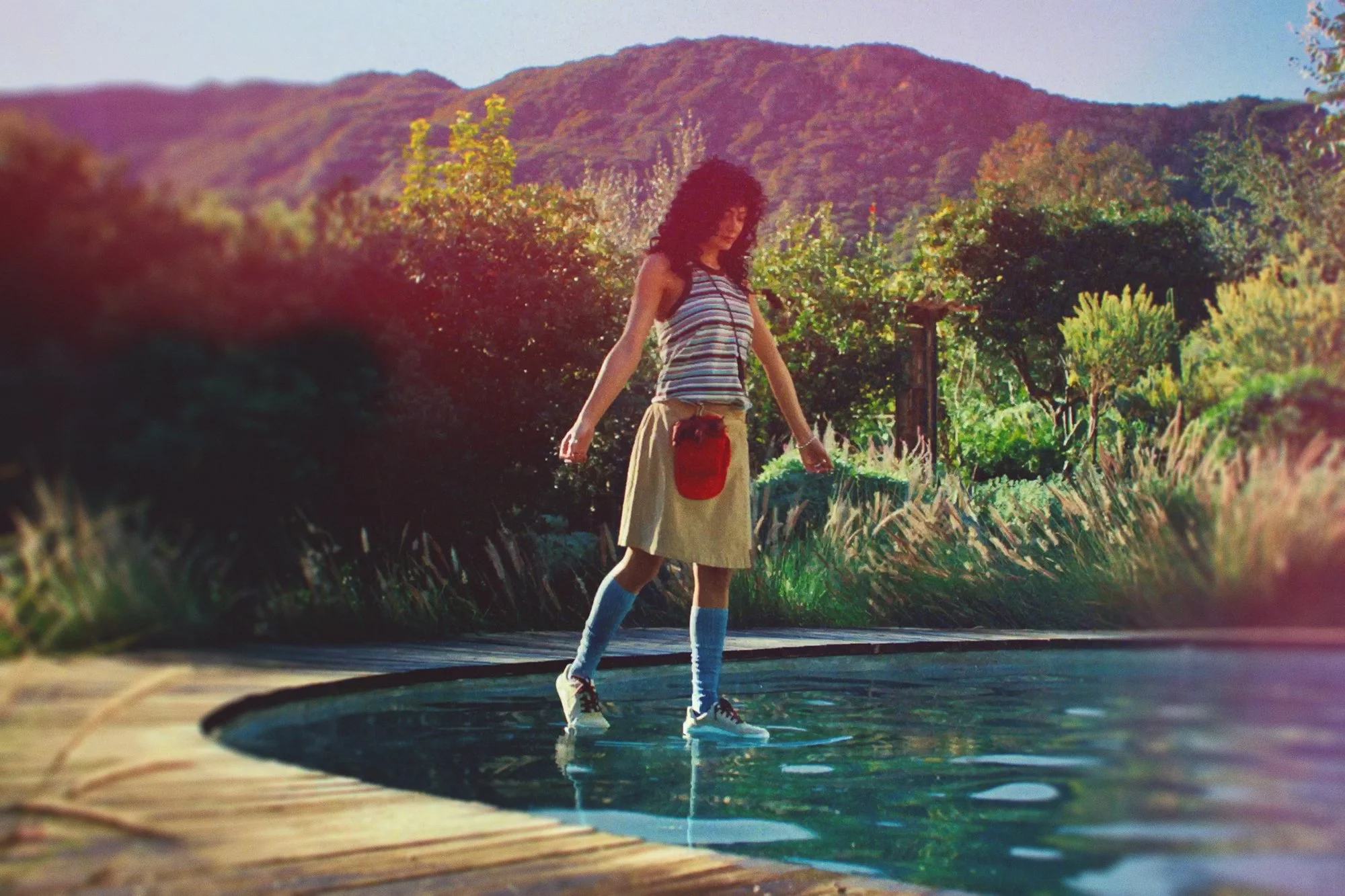
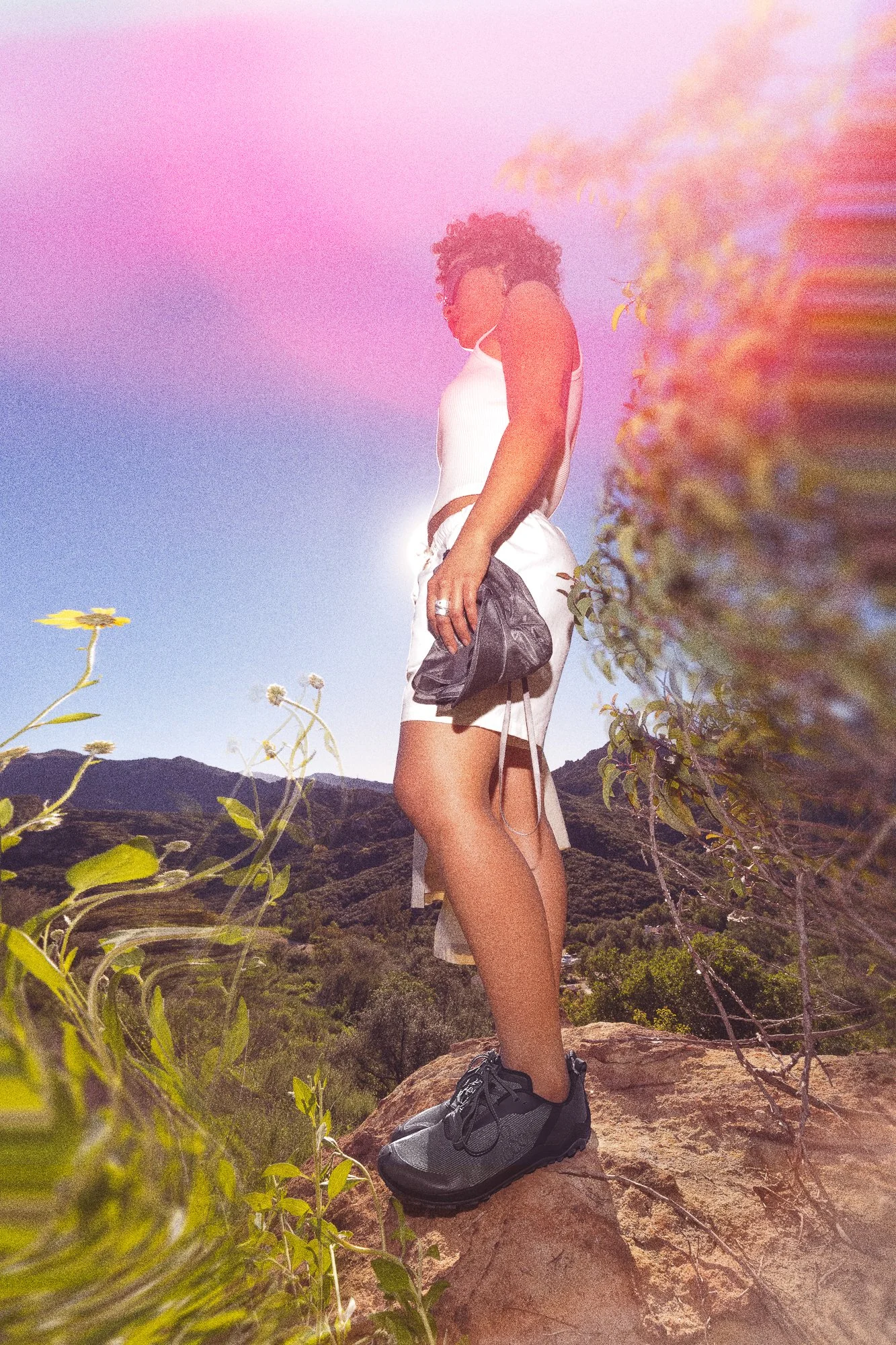
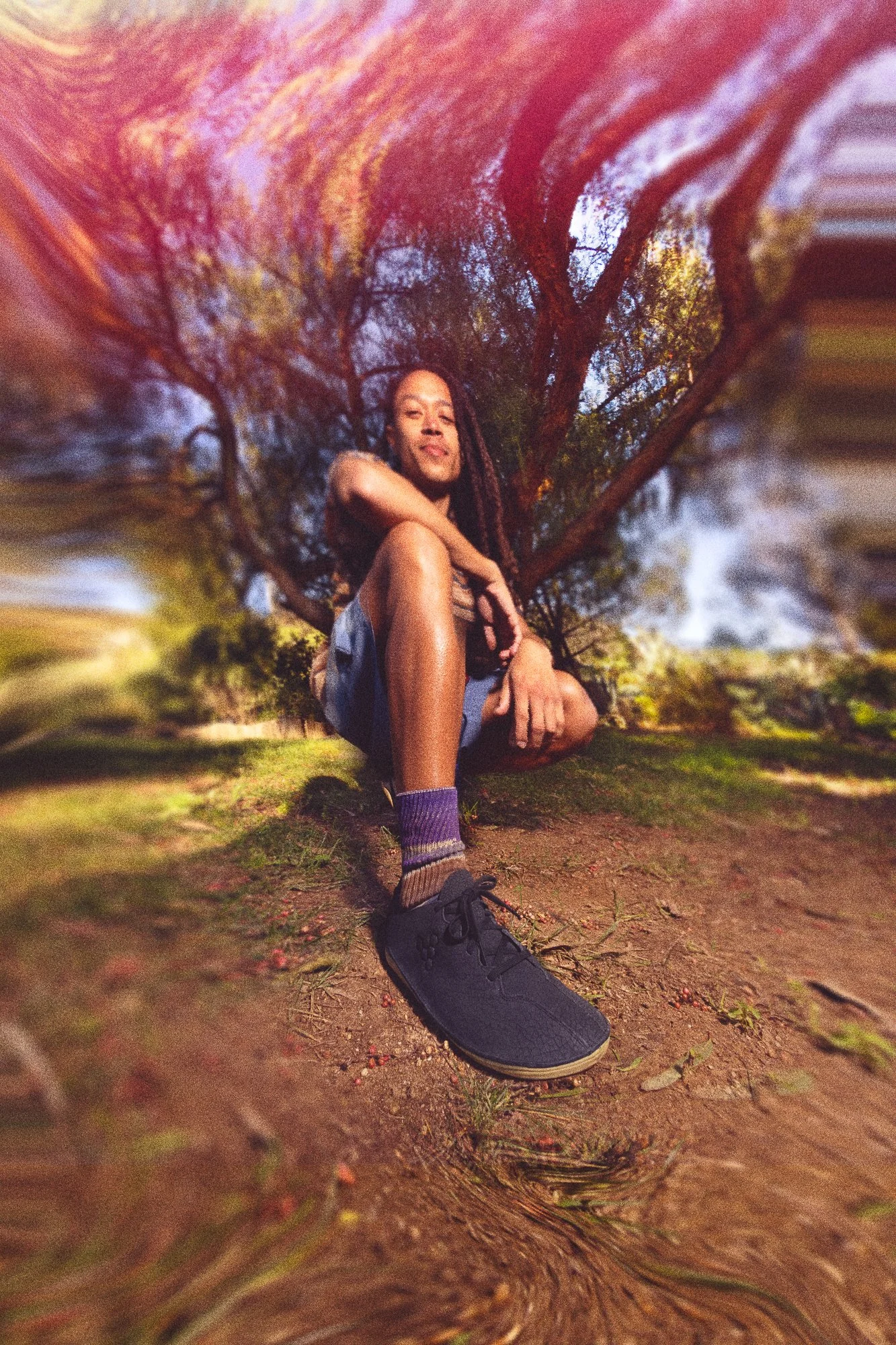
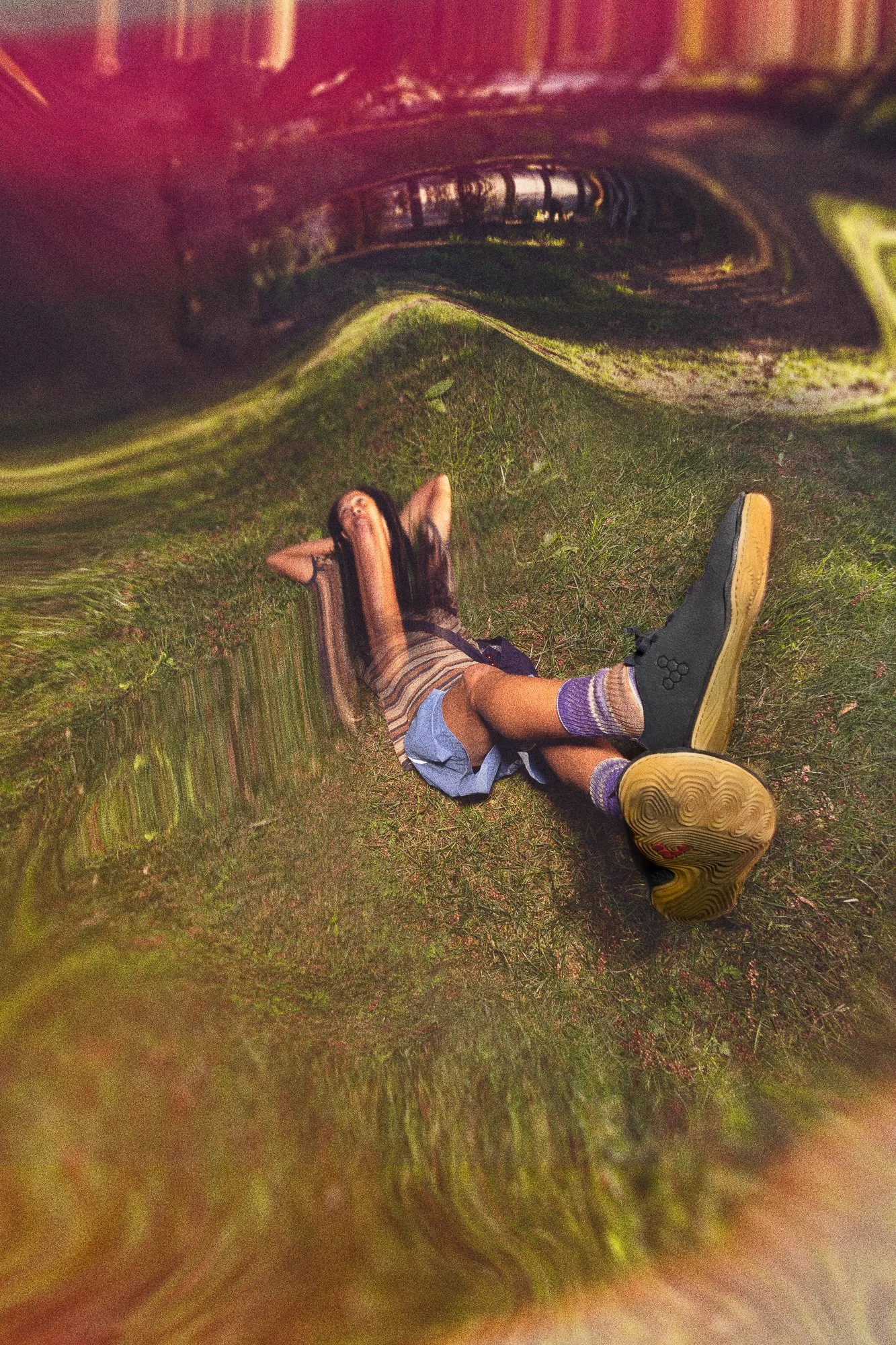
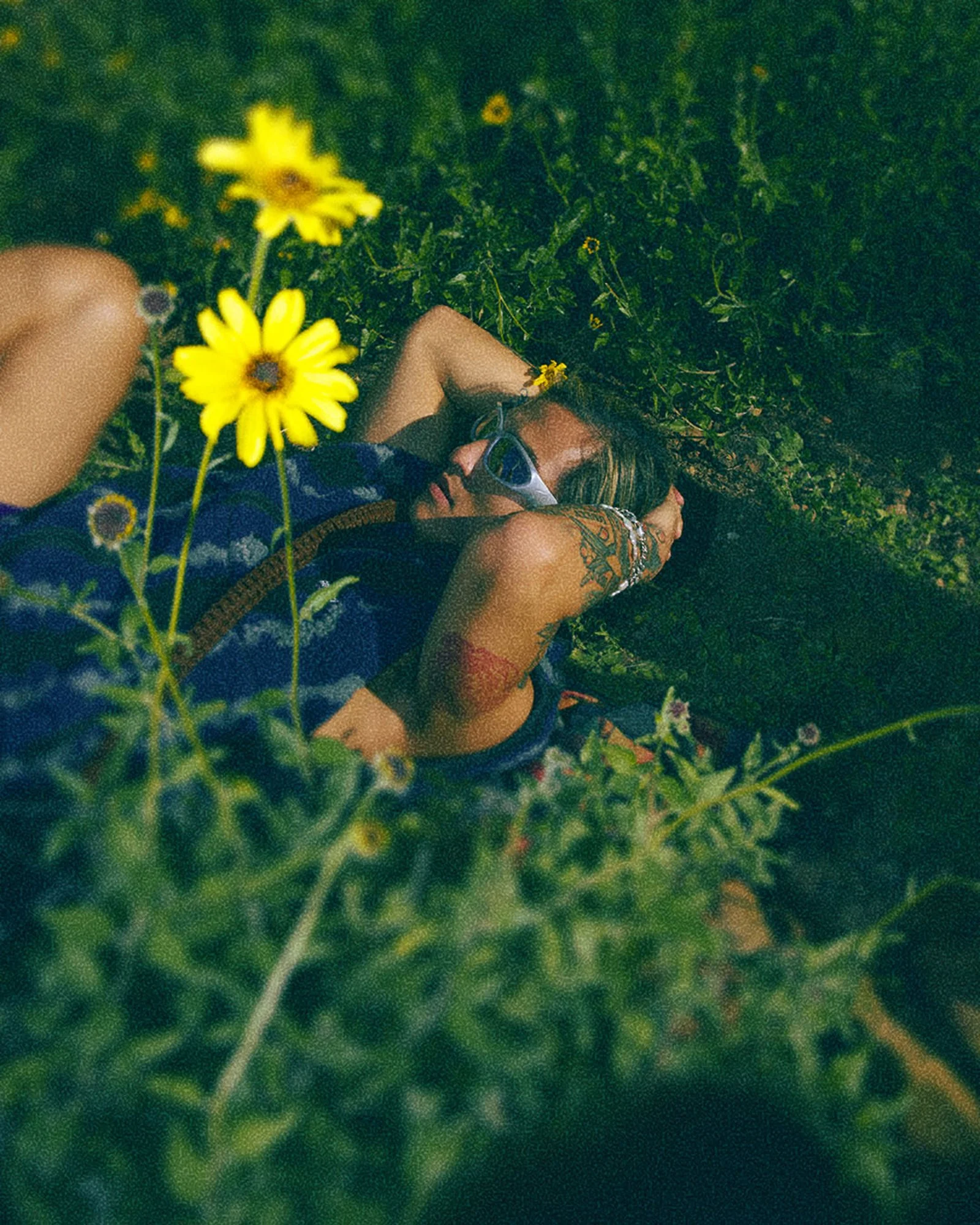
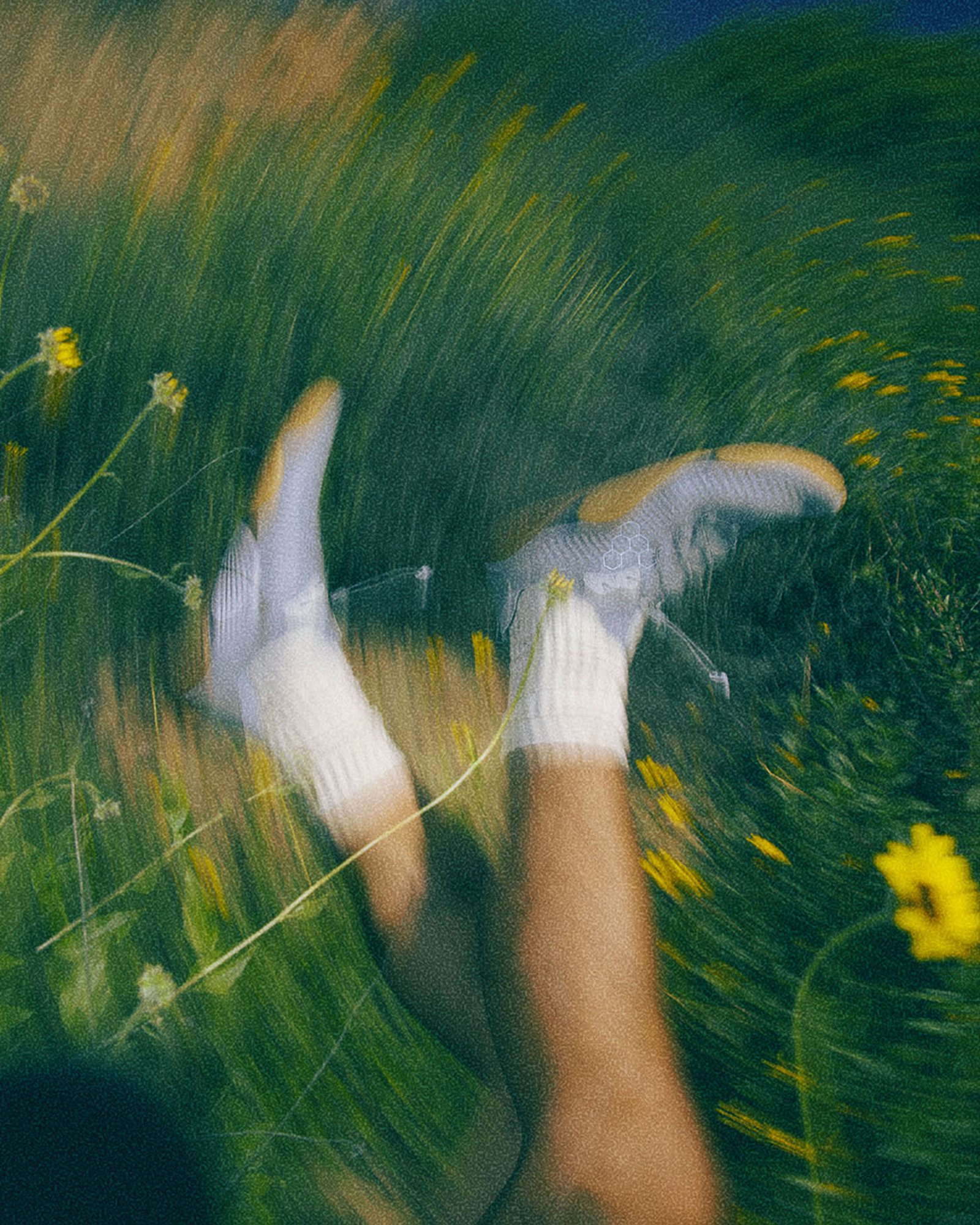
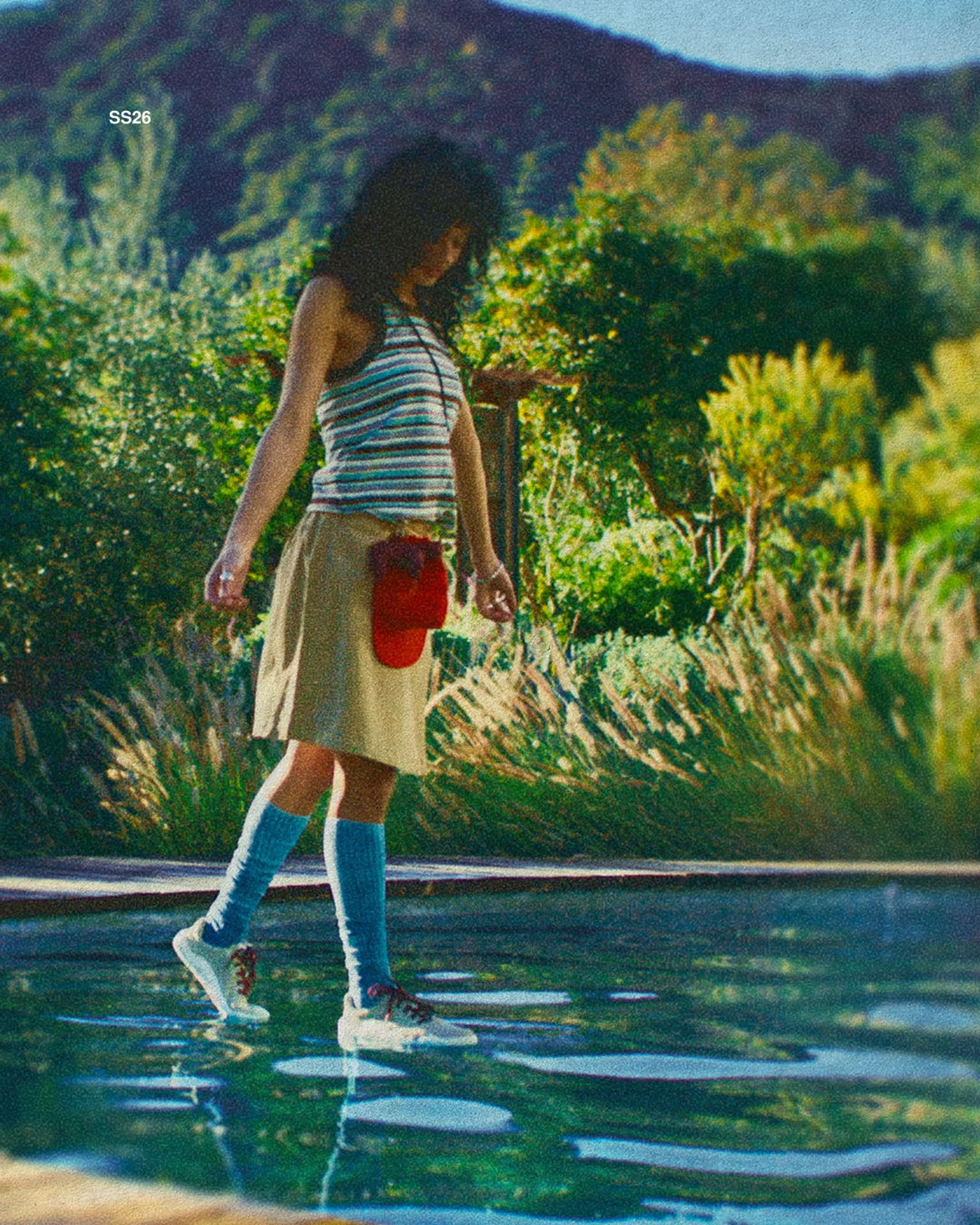
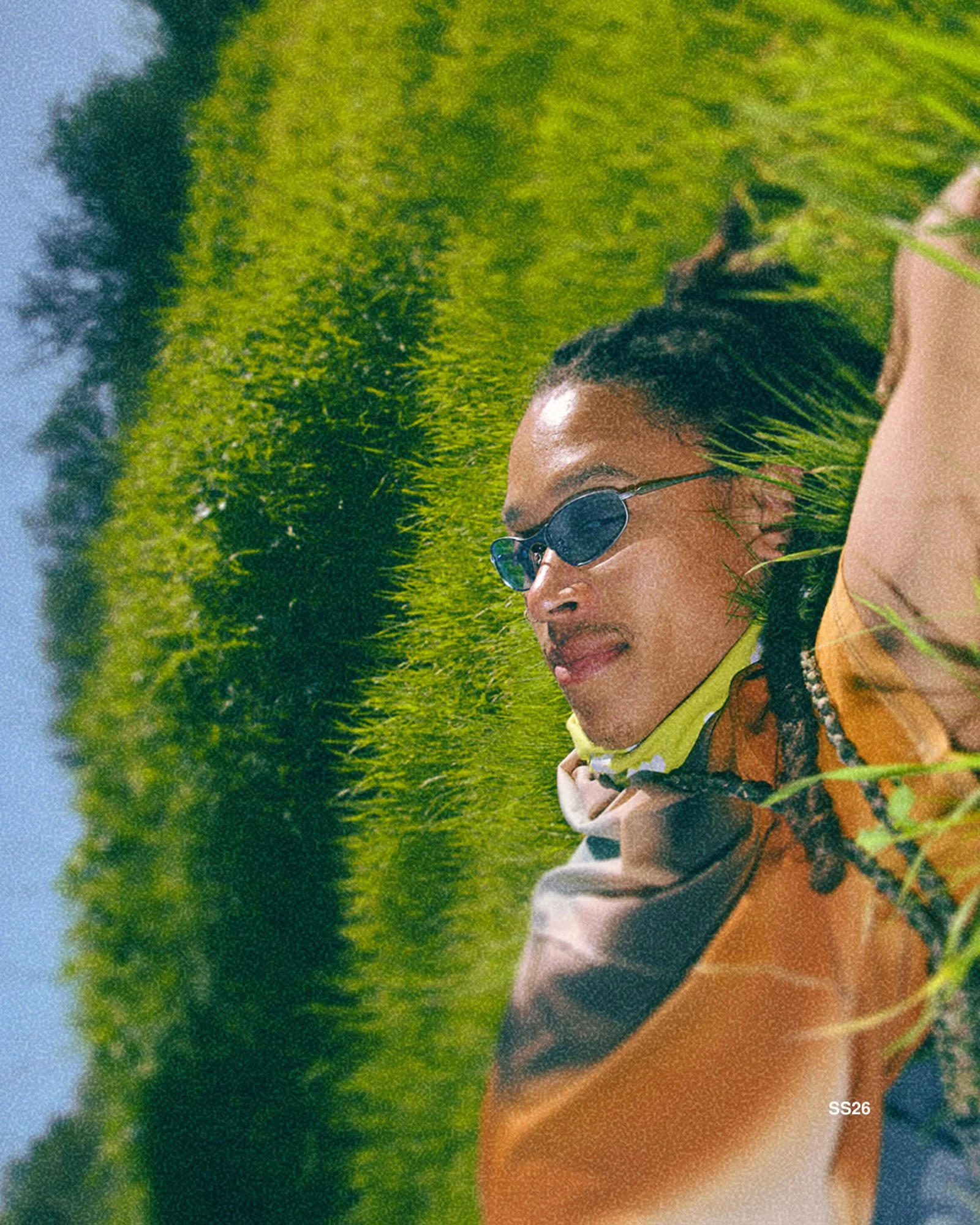
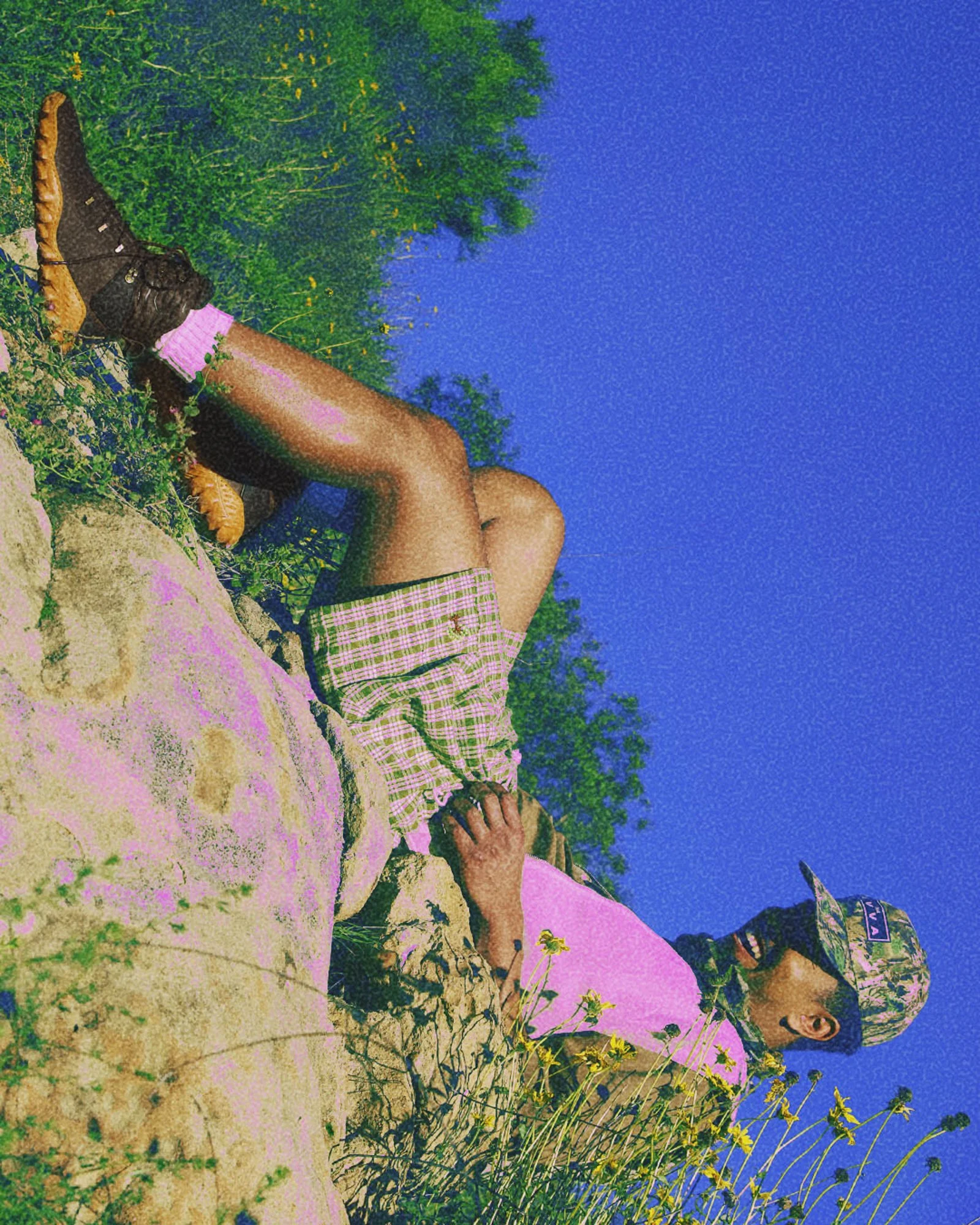
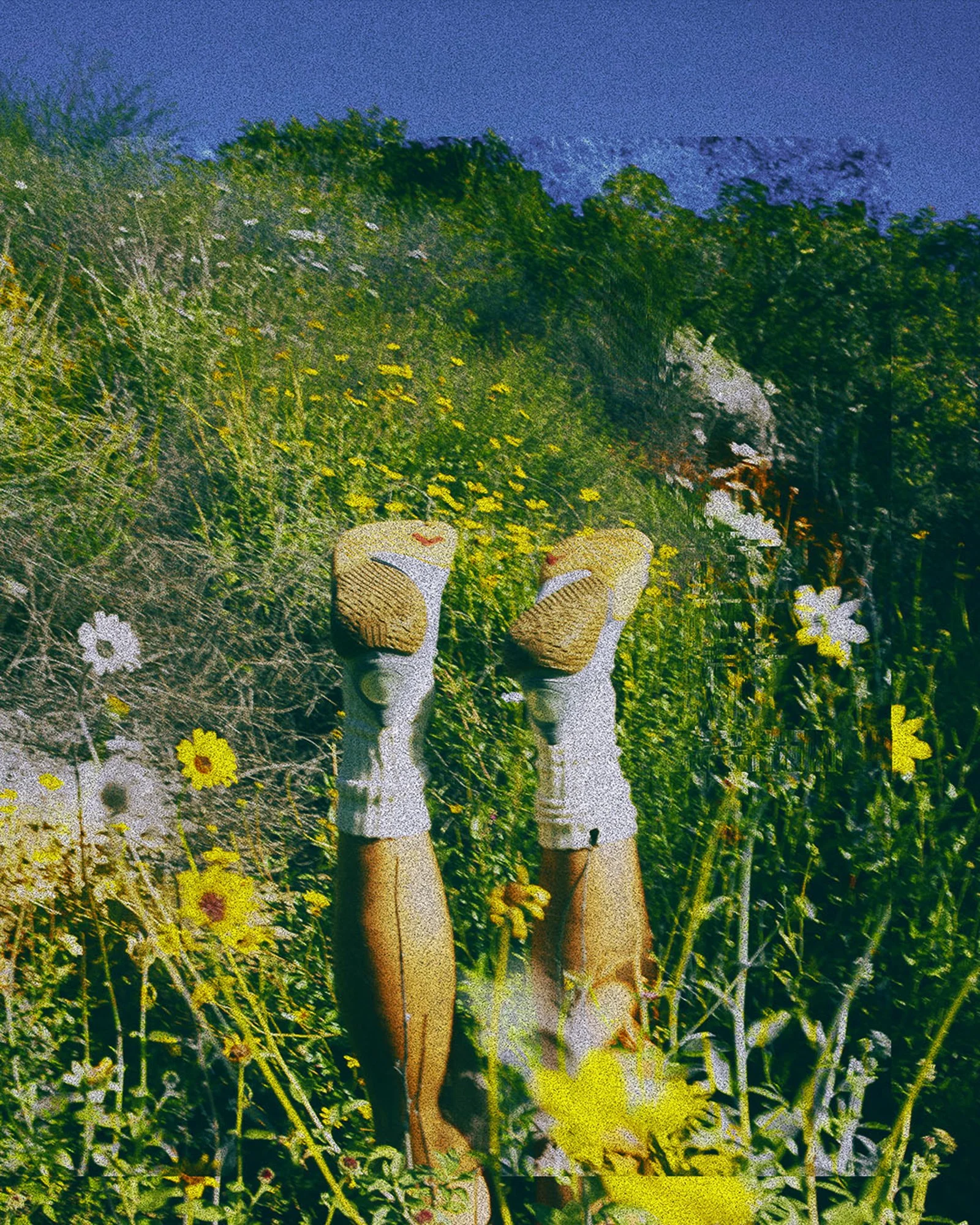
Each arrives from a distinct discipline—sport, exploration, culture—but converges on a shared thesis: that reconnection begins at the point of contact. Their environments—wind-swept coastlines, dense wilderness, open terrain—aren’t styled backdrops; they’re extensions of the message itself.
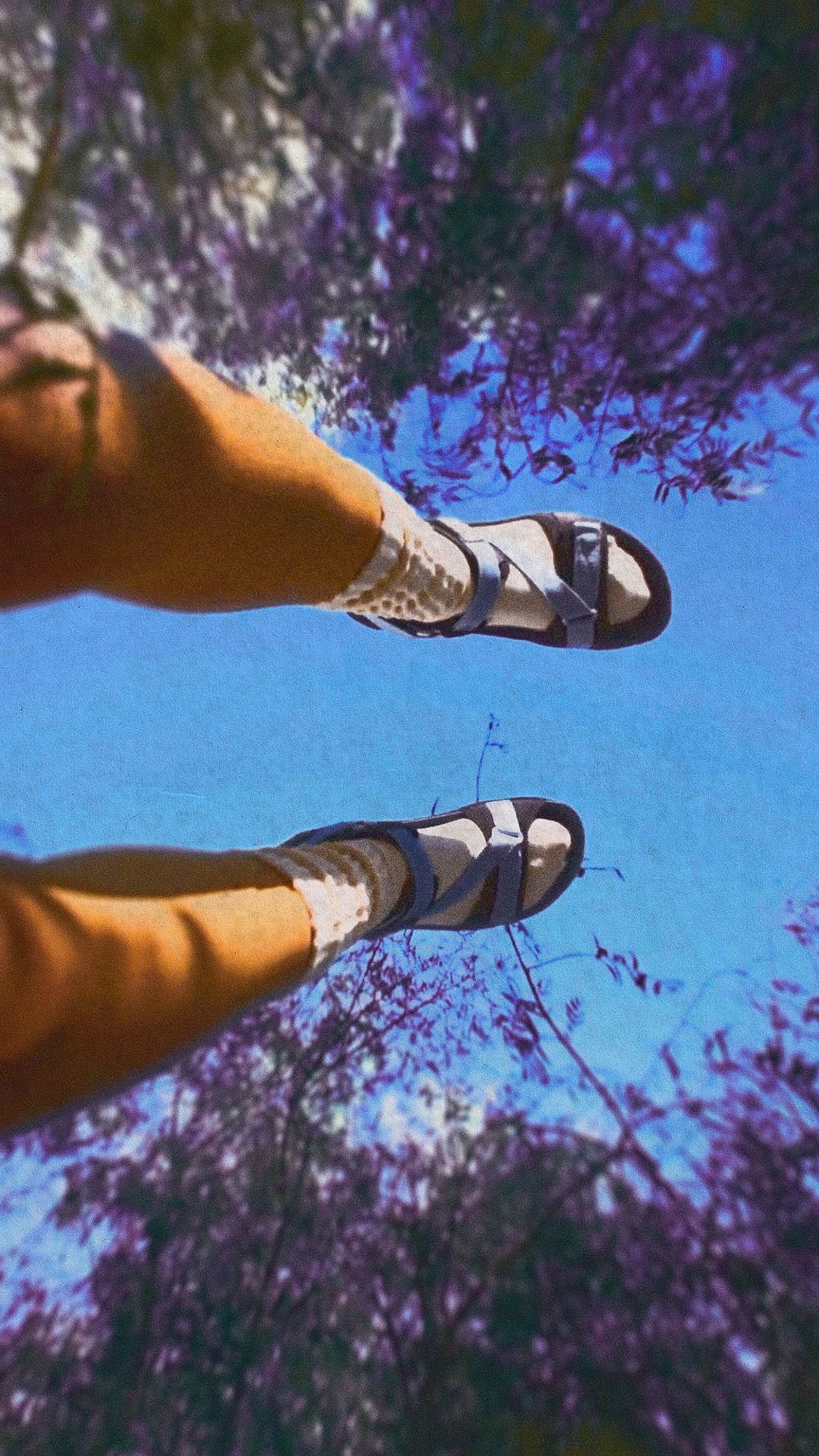
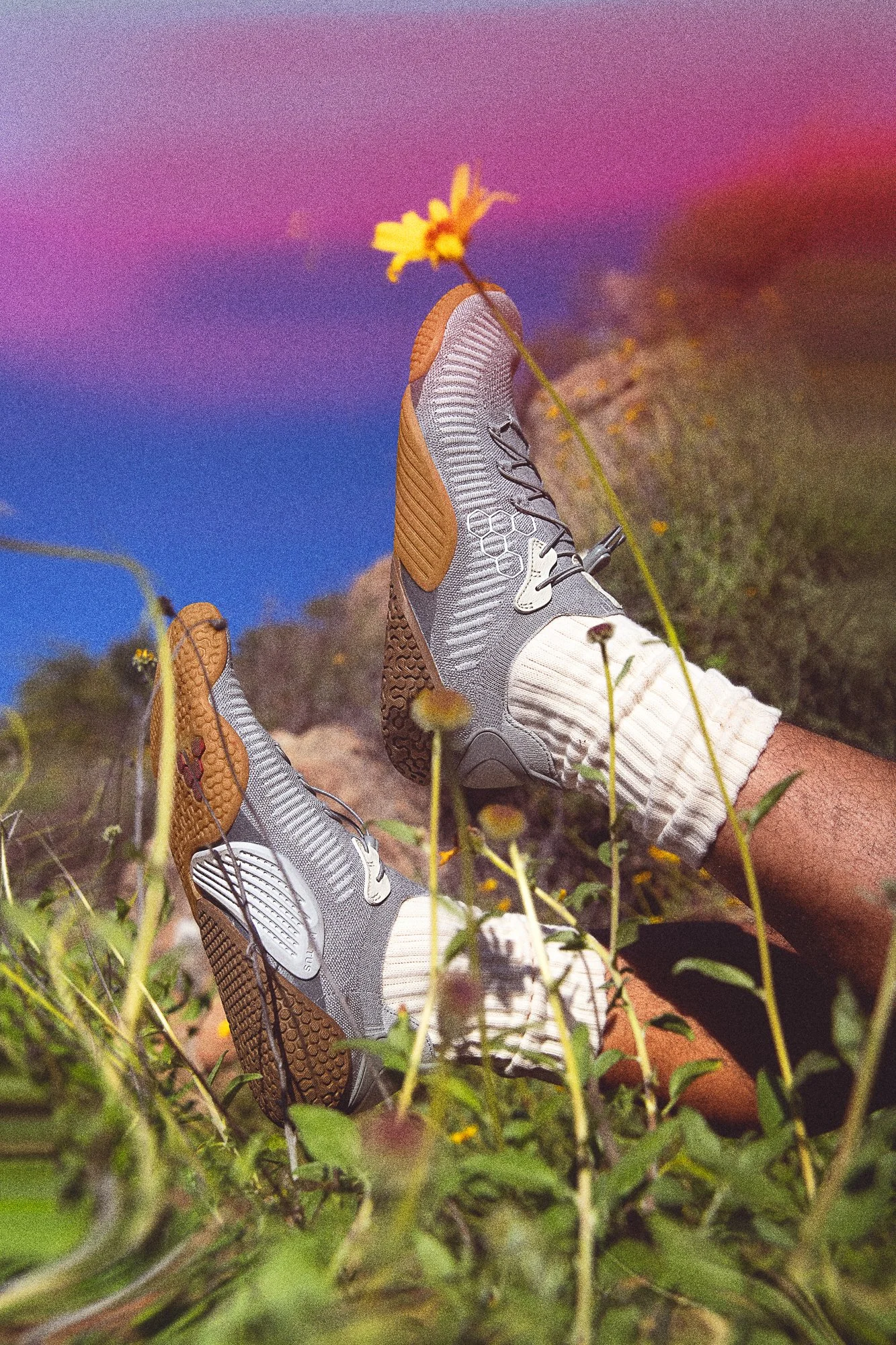
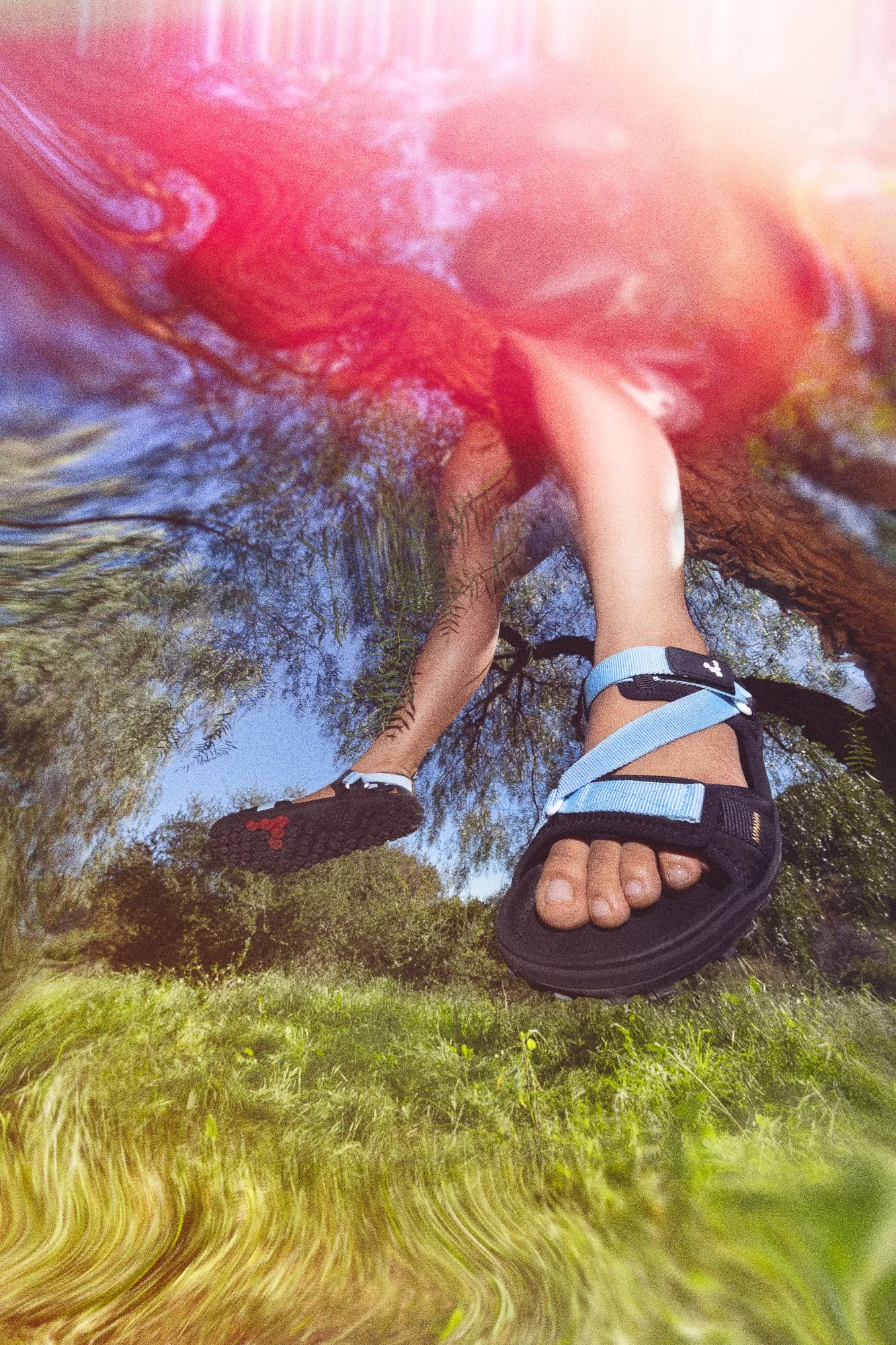
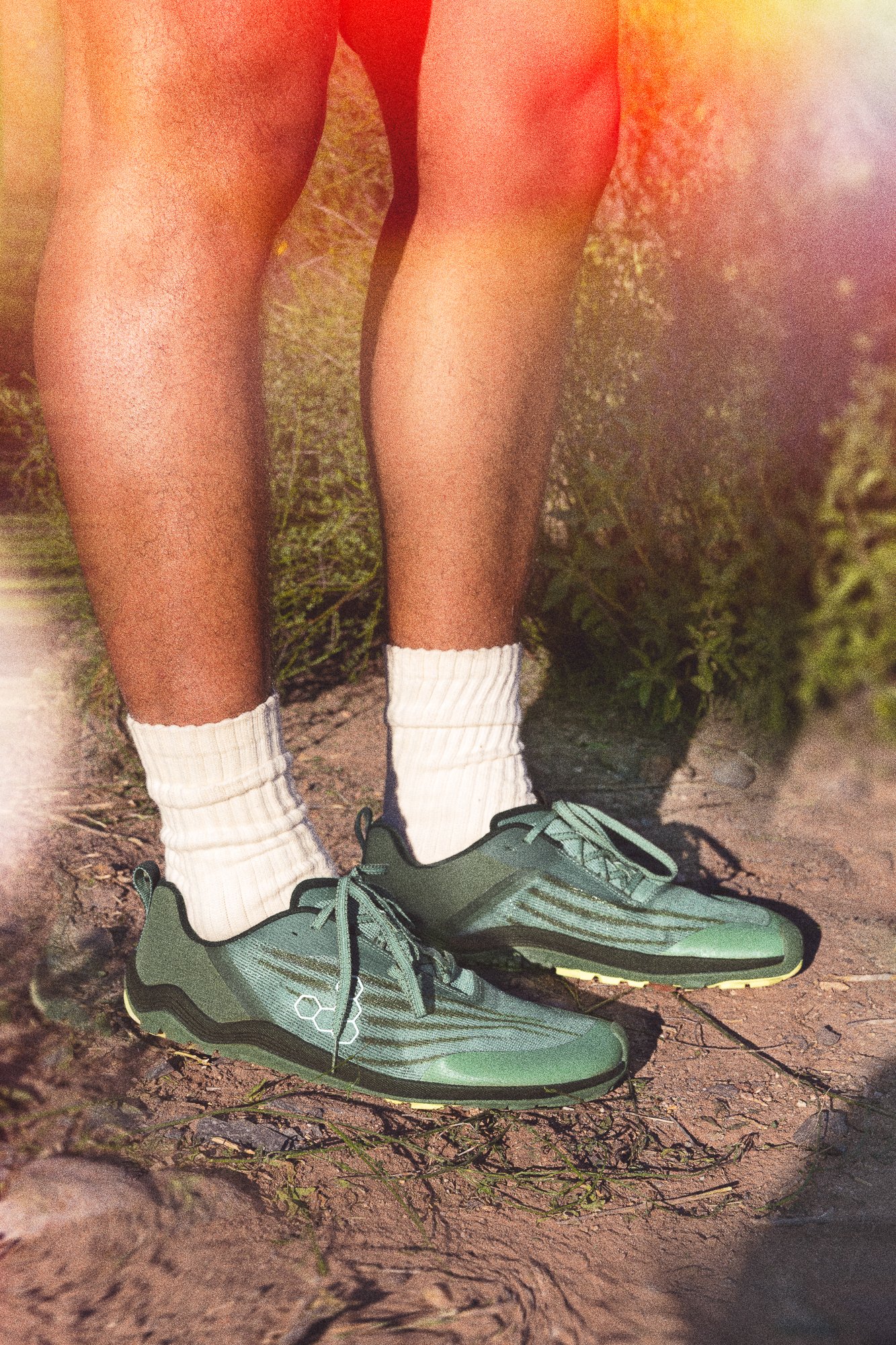
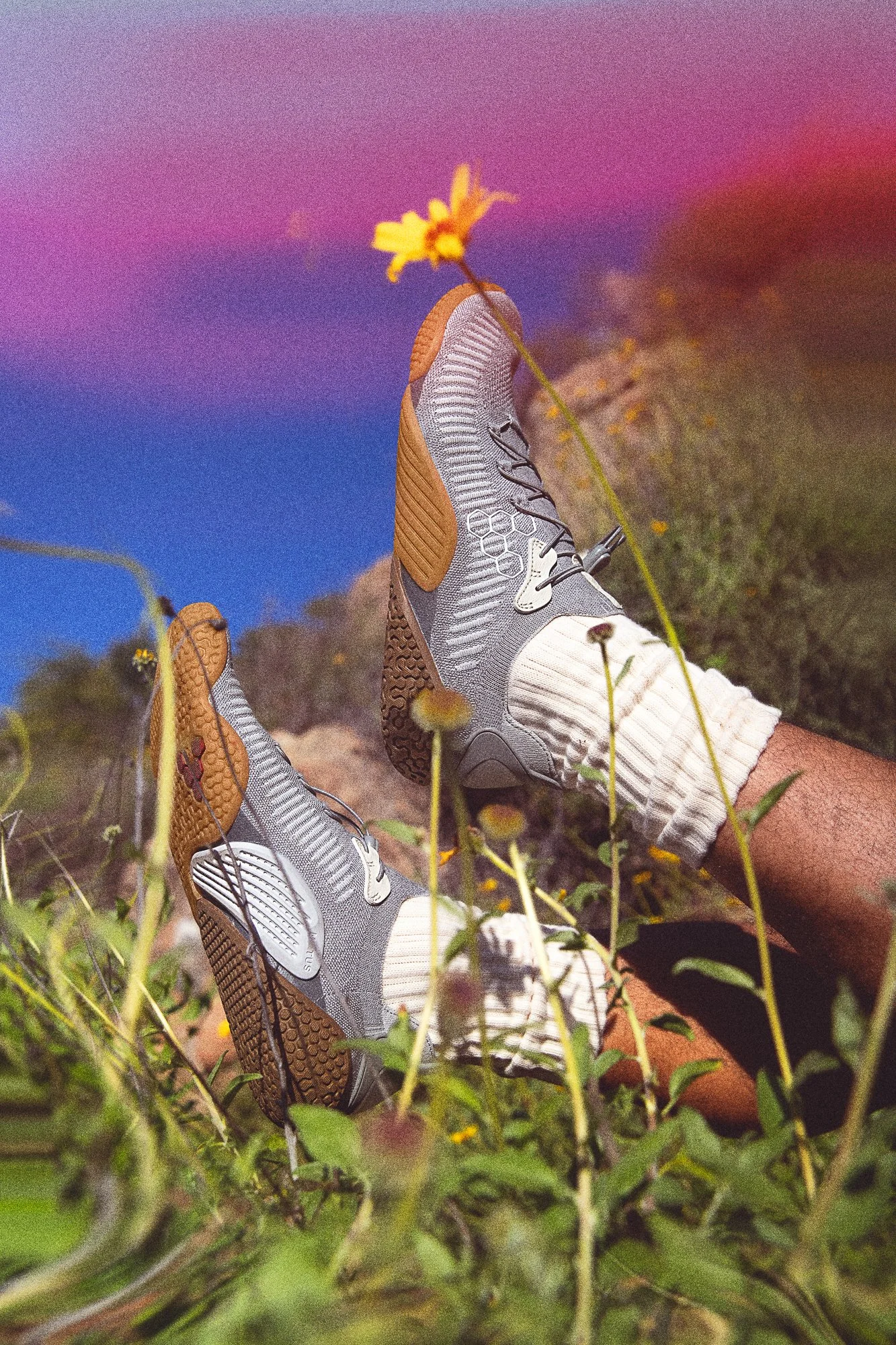
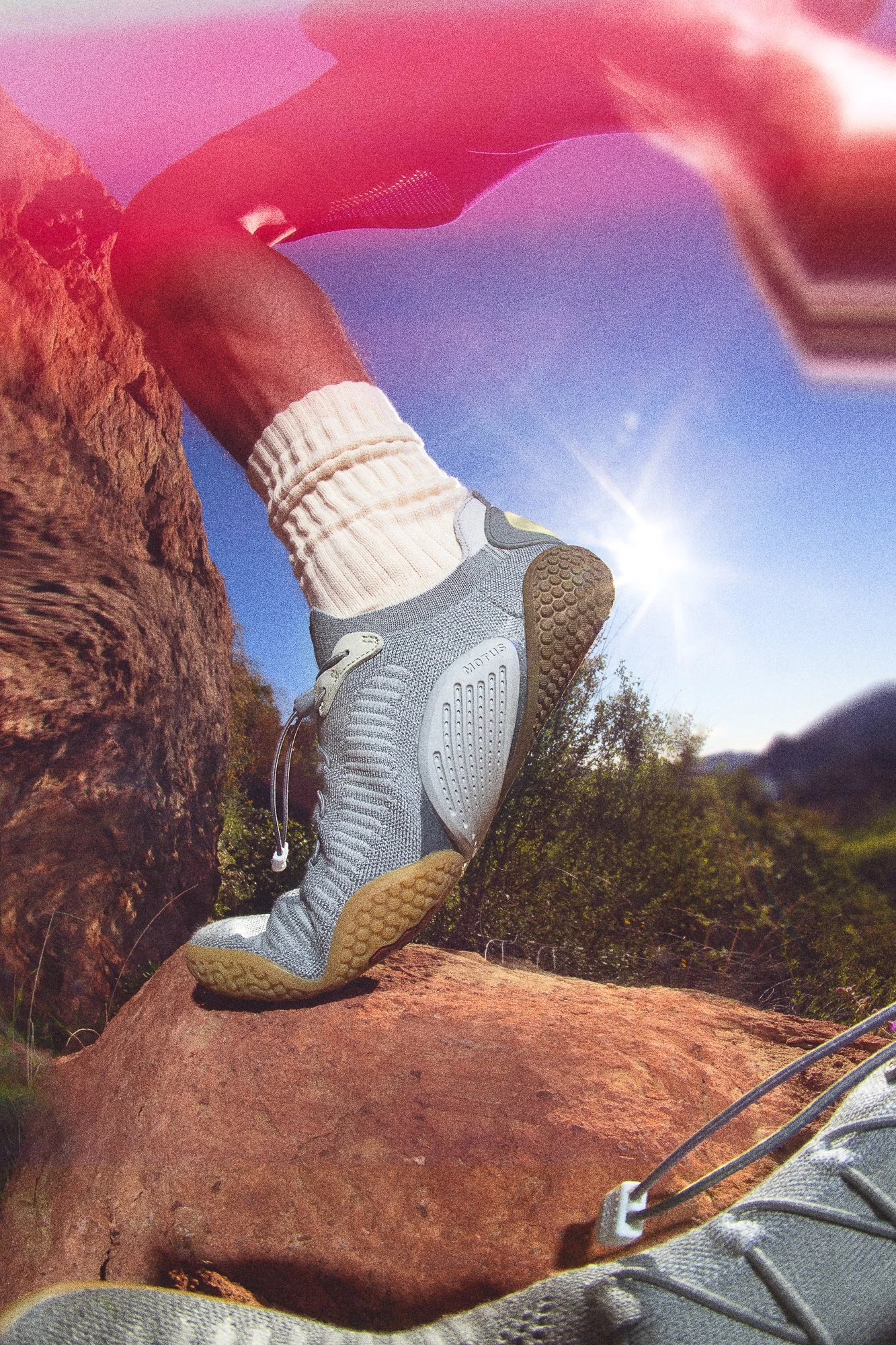
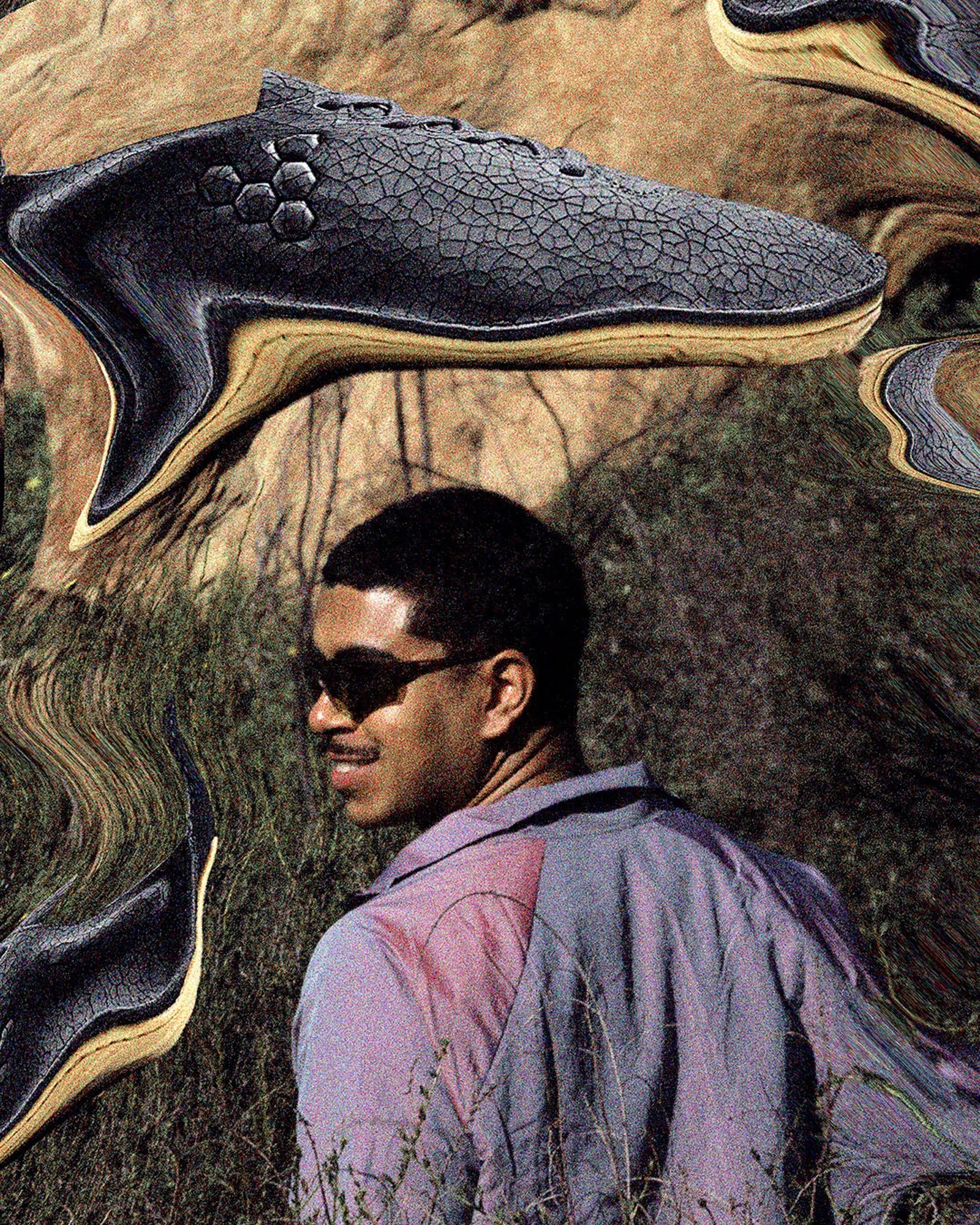
There’s a notable absence of spectacle here. Instead, the visuals strip movement down to its most elemental form, positioning the foot not as something to be protected from the world, but as a mechanism designed to interpret it.
The Quiet Rebellion Against “Big Shoe”
Vivobarefoot’s critique of over-engineered footwear isn’t new—but Free Your Feet sharpens its delivery. Where traditional performance narratives emphasize support and correction, this campaign leans into subtraction: less cushioning, less interference, less imposed structure.
It’s a philosophy that aligns with a growing skepticism toward hyper-optimization across categories—from food systems to digital life. In that sense, barefoot footwear becomes less about product differentiation and more about ideological positioning.
Founder Galahad Clark has long articulated the brand’s ambition to build a regenerative business—one that not only minimizes harm but actively restores connection between people and planet. Here, that ambition is distilled into something tactile: the act of feeling.
Tati Gabrielle And The Politics Of Grounding
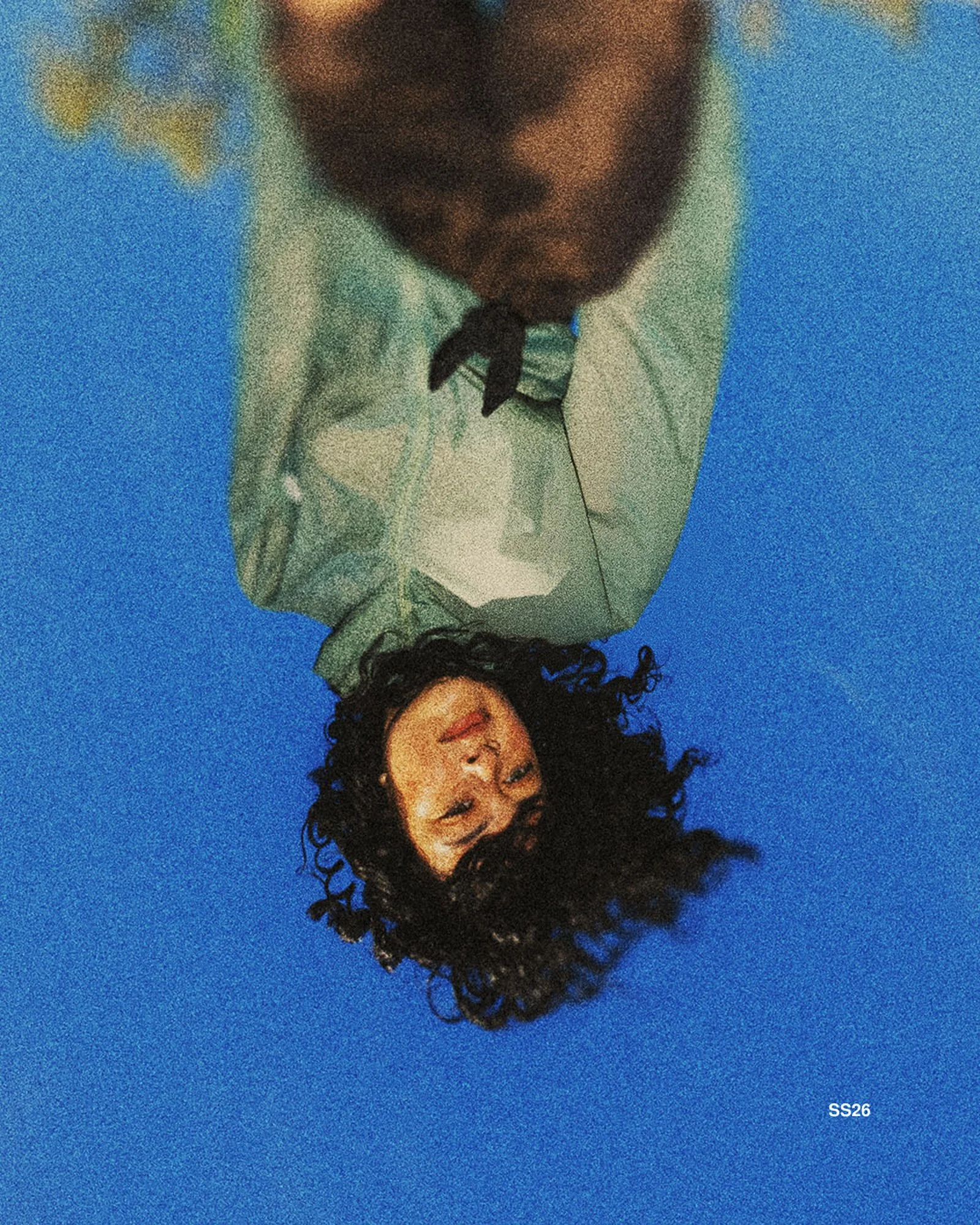
If the campaign has an emotional center, it’s articulated through Tati Gabrielle’s reflection on freedom—not as abstraction, but as a condition shaped by context.
Her framing introduces a necessary tension. While barefoot movement is positioned as a return to self, Gabrielle expands the definition of grounding to include stability, safety, and dignity—privileges not universally accessible. It’s a reminder that even the most personal rituals of wellness exist within broader global realities.
In doing so, the campaign avoids the insularity that often defines lifestyle branding. It acknowledges that “feeling the ground” is as much metaphor as it is physical sensation.
From Product To Perspective
What Free Your Feet ultimately achieves is a subtle but significant repositioning: barefoot footwear as a conduit for awareness rather than performance alone.
In a market saturated with innovation narratives, Vivobarefoot’s restraint reads as intentional clarity. The brand isn’t asking consumers to move faster or go further—it’s asking them to notice.
And in that shift—from acceleration to attention—lies its cultural relevance.
HOW DO YOU FEEL ABOUT FASHION?
COMMENT OR TAKE OUR PAGE READER SURVEY
Featured
Celebrating its 10th anniversary, Brooklyn-based FABSCRAP is demonstrating how textile recycling, material reuse, and a community of more than 11,000 participants can help fashion move toward a more circular future.