
Canali CAre: Reframing Italian Luxury Through Measurable Responsibility

PAGE
By PAGE Editor
In an industry often defined by heritage narratives and seasonal reinvention, Canali is making a quieter, more structural statement—one rooted not in spectacle, but in systems. Through its CAre project, the Italian menswear house is translating sustainability from a marketing pillar into an operational doctrine, embedding environmental, social, and cultural responsibility directly into its value chain.
At its core, CAre is less a campaign than a framework—an articulation of how a legacy brand evolves without compromising the integrity of its origins. For Canali, whose identity is deeply tied to Italian manufacturing excellence, sustainability is not a pivot; it is an extension of its longstanding ethos of craftsmanship, precision, and stewardship.
This philosophy is formalized within the company’s 2030 Sustainability Strategic Plan, where ESG considerations function as a decision-making lens rather than a reporting afterthought. It is a notable distinction in luxury, where sustainability efforts often remain siloed or symbolic. Here, the ambition is integration—aligning innovation with accountability at every stage of production.
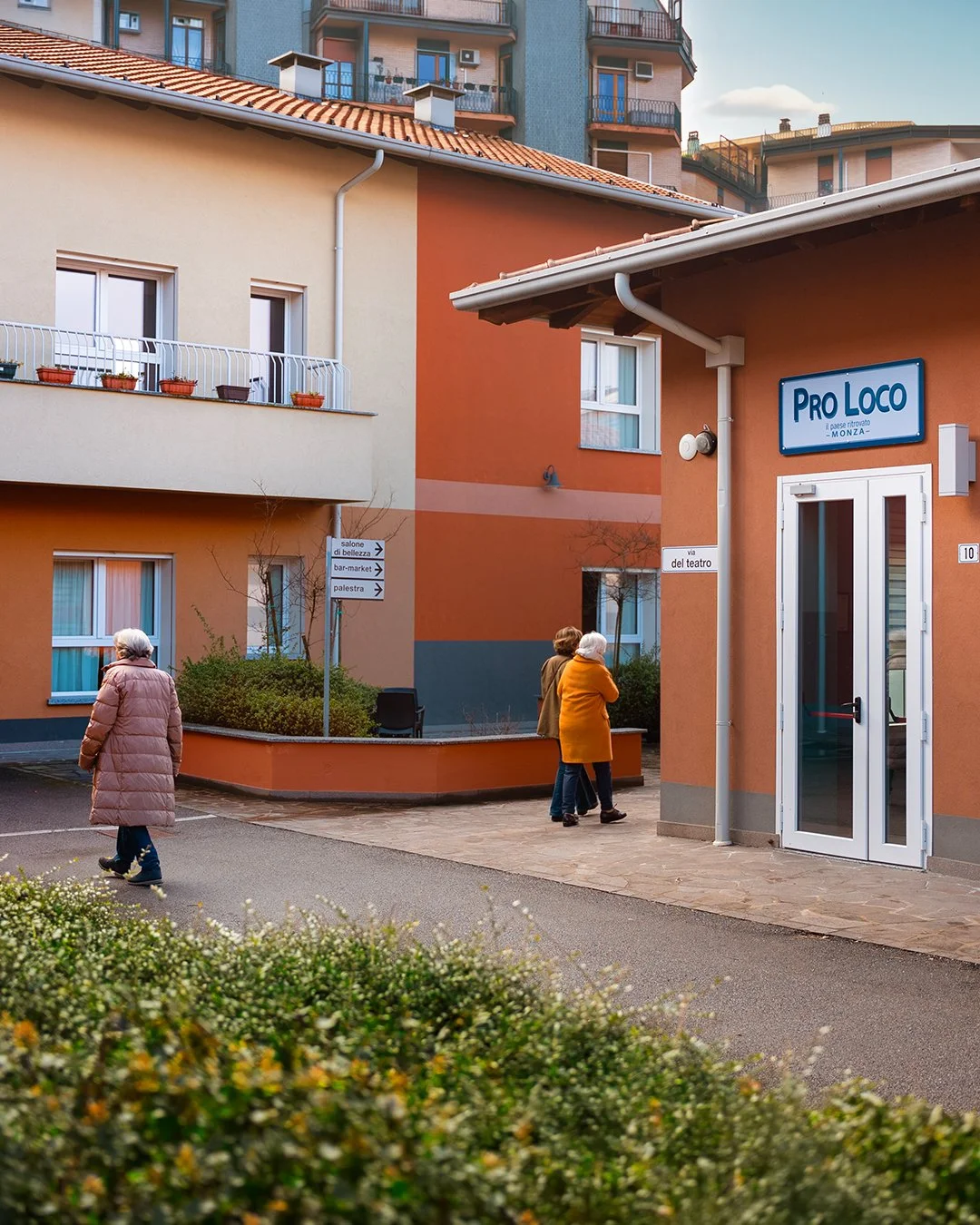
A critical benchmark in this strategy is Canali’s alignment with the Science Based Targets initiative (SBTi), a globally recognized body that validates corporate climate targets against scientific standards. The approval of Canali’s emissions reduction goals signals more than compliance; it reflects a commitment to measurable progress within a framework that prioritizes transparency and rigor.
Specifically, the company has pledged to reduce absolute Scope 1 and Scope 2 emissions by 42% by 2030, using 2023 as its baseline. This includes investments in energy efficiency, expanded use of renewable energy, and the development of self-generation systems—initiatives that speak to operational accountability rather than aspirational messaging. Equally significant is its commitment to reducing Scope 3 emissions by 25%, a more complex undertaking that extends responsibility beyond its immediate operations into its global supply chain.
In practice, this means fostering deeper collaboration with suppliers, integrating environmental criteria into procurement decisions, and redefining what accountability looks like in a decentralized production ecosystem. It is a recognition that sustainability, particularly in luxury, cannot be achieved in isolation.
Yet CAre’s scope extends beyond carbon metrics. The project’s social dimension underscores a broader understanding of sustainability—one that places human capital and cultural continuity at its center. Through initiatives like the Workplace Health Promotion (WHP) program, Canali is investing in employee wellbeing, encouraging a holistic approach to health that spans physical activity, prevention, and mental resilience.
Education, too, emerges as a critical pillar. In partnership with Fondazione Altagamma and institutions such as Istituto Secoli, Canali is actively contributing to the preservation and evolution of technical craftsmanship. These collaborations are not merely philanthropic; they are strategic—designed to address the skills gap within the fashion industry while reestablishing the relevance of sartorial professions for younger generations.
Programs like the IEFP initiative in the Marche region further reinforce this commitment, blending academic learning with hands-on experience inside Canali’s production environments. The result is a pipeline of talent that is both technically proficient and culturally attuned—a necessary condition for sustaining the brand’s manufacturing legacy.
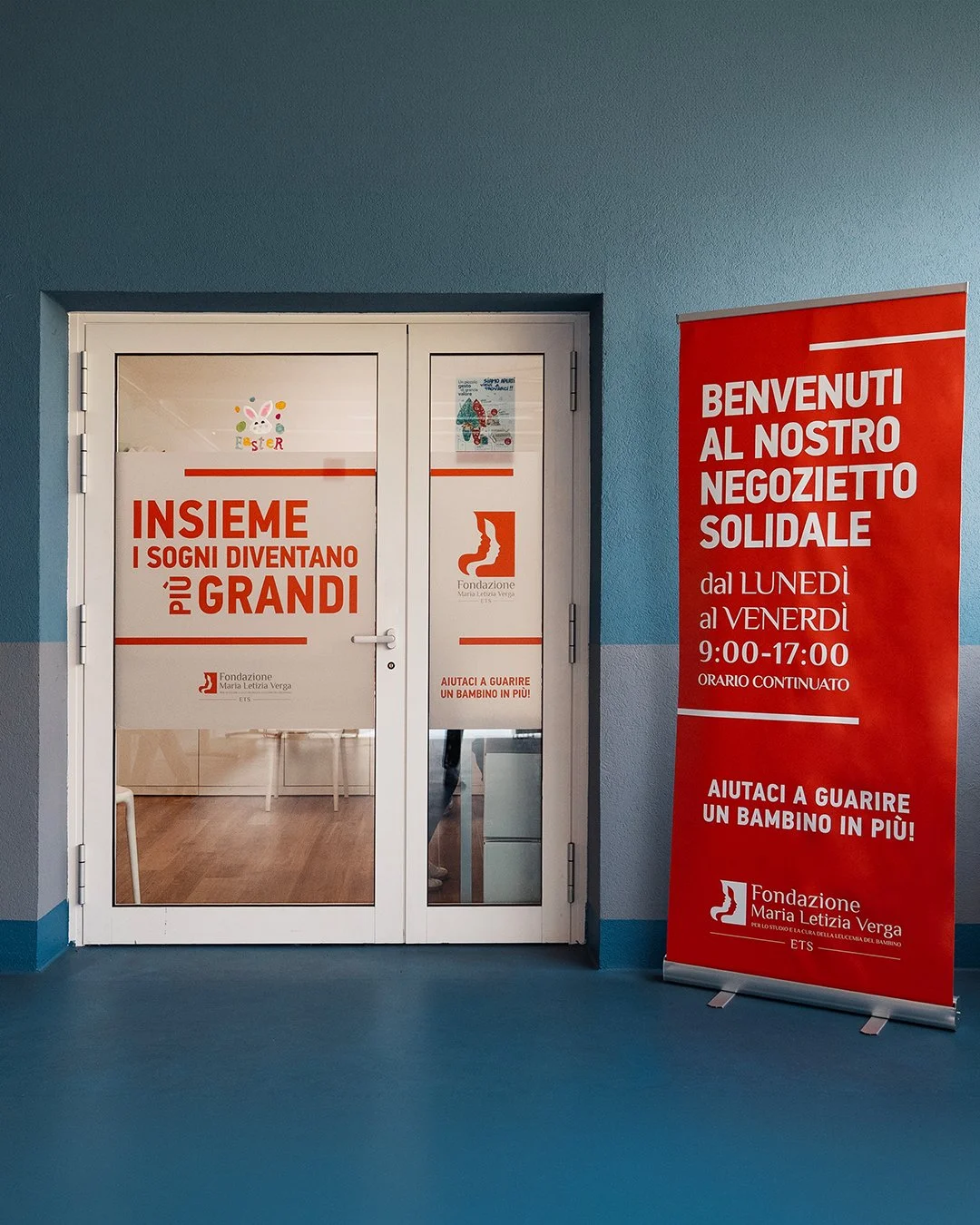
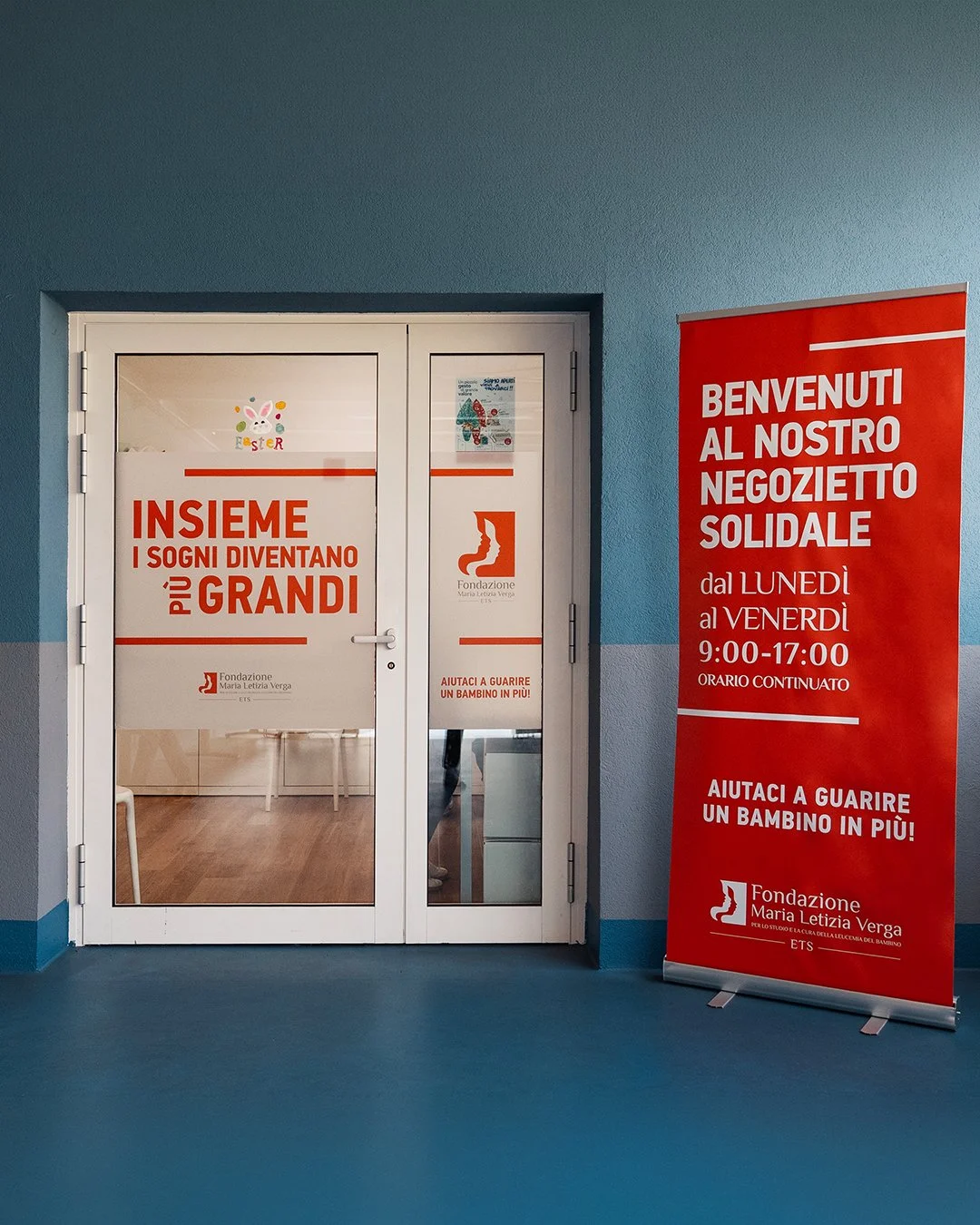
Beyond the factory floor, Canali’s corporate volunteering program introduces another layer of engagement, allowing employees to dedicate working hours to social and environmental causes. Collaborations with organizations such as Cooperativa La Meridiana and Fondazione Maria Letizia Verga demonstrate how corporate responsibility can be operationalized at a human level, fostering a culture of participation rather than passive support.

What emerges from CAre is a model of luxury that is less about consumption and more about continuity—of craft, of community, and of environmental stewardship. It is a recalibration of value, where excellence is measured not only by product, but by process.
In a market increasingly shaped by conscious consumers and regulatory scrutiny, Canali’s approach offers a blueprint for legacy brands navigating the complexities of modern sustainability. It suggests that the future of luxury will not be defined by who adapts fastest, but by who integrates most authentically.
And in that regard, CAre is not just a project—it is a proposition: that responsibility, when embedded deeply enough, becomes indistinguishable from identity.

HOW DO YOU FEEL ABOUT FASHION?
COMMENT OR TAKE OUR PAGE READER SURVEY
Featured


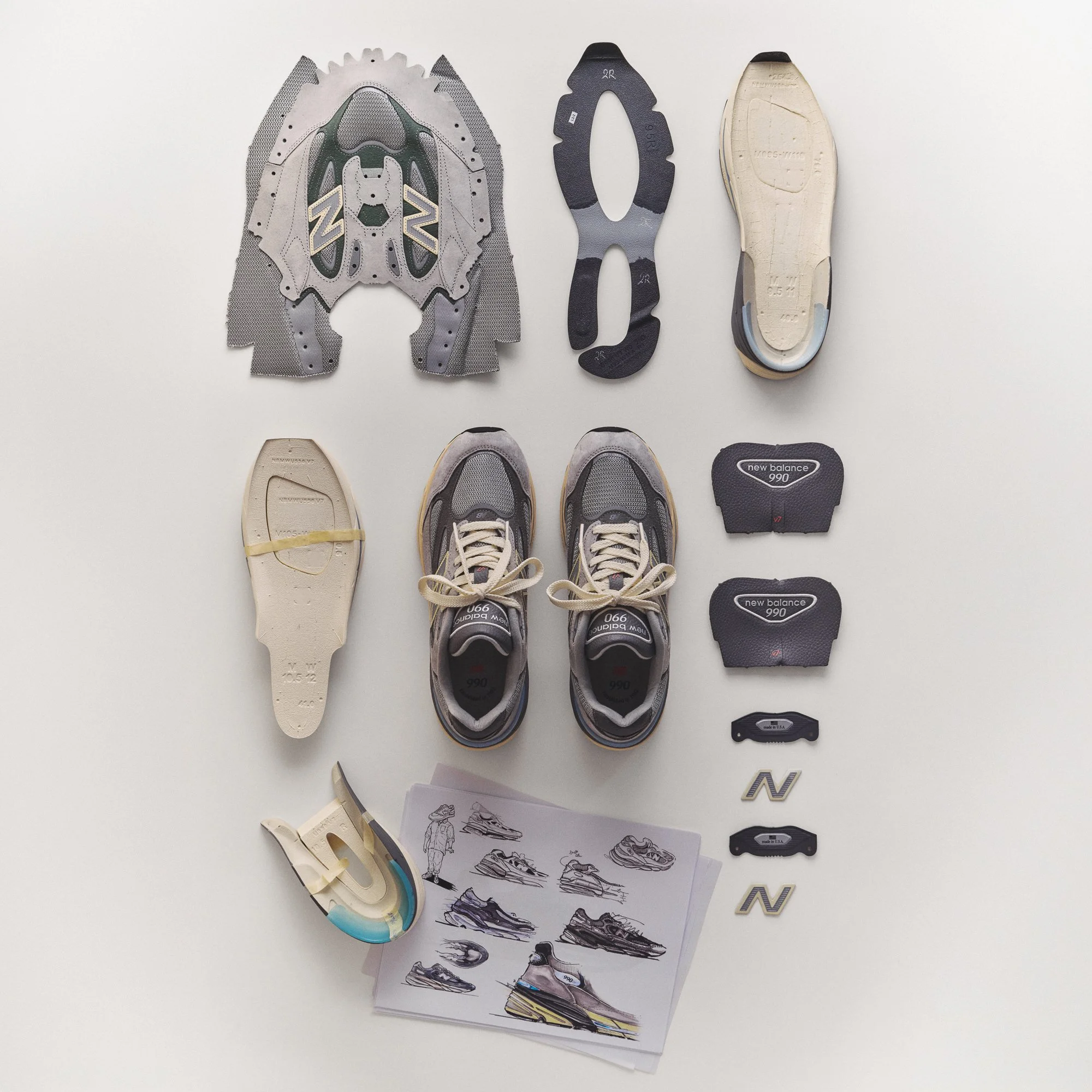

Wale joins CapSole as Chief Creative Officer and equity partner, bringing his influence in sneaker culture to a business focused on preservation, sustainability, and extending the life of collectible footwear.