
What to Expect Before and After Undergoing Otoplasty Ear Surgery
PAGE
By PAGE Editor
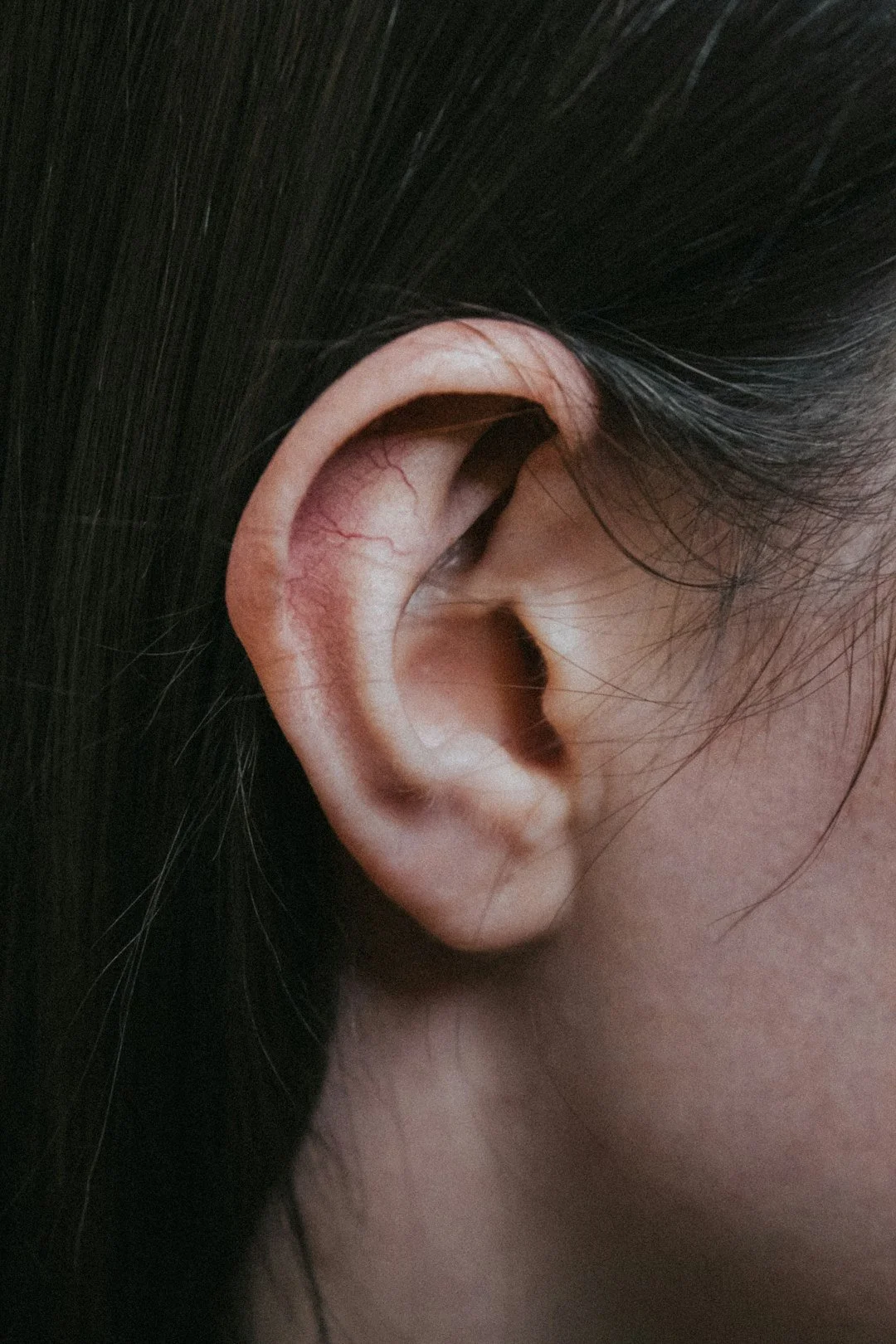
Otoplasty ear surgery reshapes, repositions, or reduces the size of the ears. This procedure is desired by many to boost their confidence so they can appear more proportionate. With some knowledge on how to prepare for this operation and how to recover, the experience can be a lot easier to go through. Understanding what to expect pre-op, as well as post-op, will help patients gain some peace of mind throughout the process.
Preparing for the Procedure
A consultation with a qualified surgeon is the first step before otoplasty ear surgery. The doctor will examine the patient's ear structure and discuss their medical history and goals during this appointment. The surgeon may photograph the area for reference and discuss anticipated outcomes. They will also walk through the process and discuss any concerns and questions about it. Preparation could include undergoing regular blood tests or a physical check-up to see if you can have the surgery.
All preoperative instructions should be followed by the patients. This may require the cessation of some medications that increase bleeding risks, such as aspirin or anti-inflammatory drugs. You must not smoke in the weeks before the procedure, as this slows down the healing process, and we will also need to avoid it during the postoperative period. As driving isn't safe after the procedure, it is advised to make arrangements for transport and for someone to support you afterwards. Wearing comfortable clothing, such as tops that do not need to go over someone's head, can make it much easier to change following the procedure as well.
The Day of Surgery
Otoplasty is mostly done on an outpatient basis, and most patients go home the same day. Depending on the complexity of the case, the surgery typically takes anywhere from 1 to 2 hours. Generally, local anesthesia with sedation or general anesthesia is used to make the patient comfortable. The surgeon will make cuts that are typically behind the ear to ensure minimal scarring is visible. This will be shaped or rearranged to form the ideal shape. After surgery, cuts are stitched shut, and dressings are applied to the incision to protect the area.
Immediate Recovery
Patients are kept under observation for a brief time post-operation before being sent home. You may experience mild pain, swelling, or discomfort for which your doctor has prescribed medication. A bandage will cover the head to protect it while it heals and to keep the new ear in place. During this first stage of recovery, it is very important to follow the doctor's instructions exactly when it comes to resting and changing the bandage. The dressing is usually left intact for a few days, and being bedridden with the head elevated minimizes swelling.
Home Ear Care
How well you care for yourself at home can make all the difference in your recovery. Patients are generally discouraged from touching or fiddling with their ears. Light cleaning in the vicinity may be recommended, but direct pressure on the area should be avoided. Any physical activity, especially those that could endanger the ears, might also have to be delayed for a little while. Wearing button-down shirts or tops that do not contact the ears can help prevent accidental pulling. By going to their follow-up appointments, the surgeon can watch the healing process and possibly remove stitches.
Long-Term Results and Expectations
The new appearance of the ears becomes evident as most of the swelling and bruising subside in about a couple of weeks. It can take a month or two for the tissues to settle down and the final product to appear. The changes are long-lasting, providing permanent improvements in the size, symmetry, and proportion of the ears. There is usually very little scarring, which is generally located behind the ear, and, as a rule, it fades with time. An increase in satisfaction and self-esteem after recovery is reported by many patients.
Understanding Potential Risks
As with any other surgery, otoplasty may pose risks such as infection, unsatisfactory scarring, or changes in skin sensation. Following aftercare instructions can help reduce these risks, along with following aftercare instructions and calling your surgeon if you experience any unusual symptoms. Addressing any issues quickly leads to a better end result. The vast majority of people have a relatively uncomplicated recovery.
Conclusion
The benefits of Otoplasty ear surgery include not just aesthetic appearance but also psychological improvements. Information helps prepare them to know what to expect in terms of recovery time and be realistic about any potential limitations of the new appearance. Planning and care will help ensure a successful outcome and the return of confidence.
HOW DO YOU FEEL ABOUT FASHION?
COMMENT OR TAKE OUR PAGE READER SURVEY
Featured





Wale joins CapSole as Chief Creative Officer and equity partner, bringing his influence in sneaker culture to a business focused on preservation, sustainability, and extending the life of collectible footwear.