
Envac Positions Itself at the Center of India’s Waste Infrastructure Reset

PAGE
By PAGE Editor
In India’s rapidly urbanizing corridors, waste has long existed as both a symptom and a stress test of growth. With the introduction of the Solid Waste Management Rules, 2026, the country signals a decisive shift—from reactive disposal to systems-led accountability. For Envac, the Swedish-engineered pioneer of automated waste collection, the policy moment is less a disruption and more a validation of a model it has spent decades refining.
Effective April 1, 2026, the new rules introduce a structural overhaul: mandatory four-stream segregation at source, expanded accountability for Bulk Waste Generators, enforcement of the Polluter Pays principle, and the digitization of waste tracking systems. These are not incremental adjustments; they are foundational requirements that demand infrastructure capable of translating policy into practice.
Envac’s proposition is built precisely at that intersection.
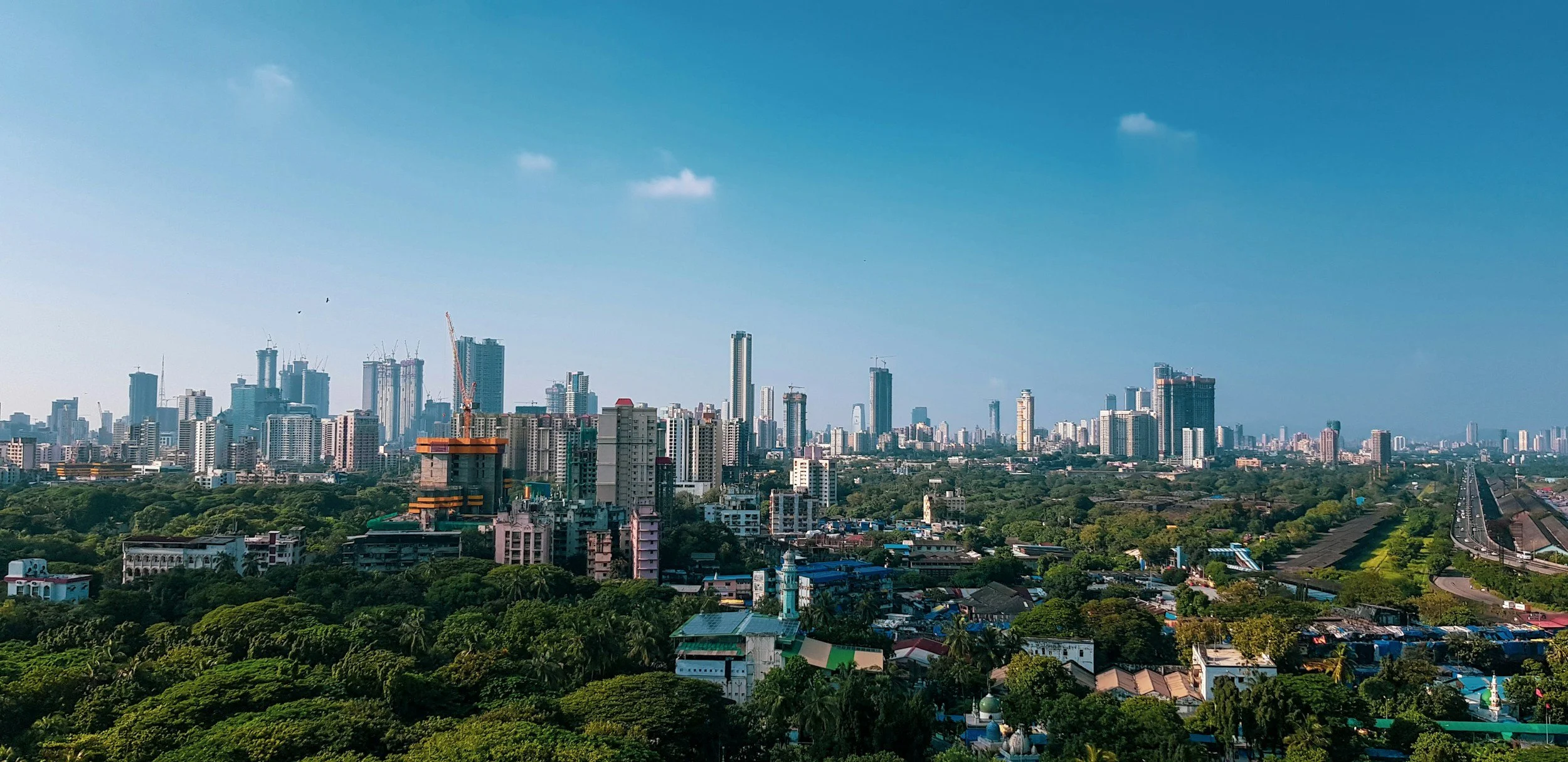
For over 60 years, Envac has developed closed-loop, underground vacuum systems that transport segregated waste through sealed pipelines to centralized collection stations. In contrast to traditional “collect and dump” models—still prevalent across many global cities—this approach eliminates surface-level bins, reduces reliance on manual handling, and minimizes truck-based collection.
In India, where Envac has operated for more than 16 years, the alignment with SWM 2026 is particularly acute. The company’s systems are inherently designed for multi-stream segregation, with dedicated inlets ensuring that wet, dry, sanitary, and specialized waste remain separated from disposal to processing. This continuity is critical, not only for compliance but for improving the quality of recyclables and organic waste streams that feed into composting, biogasification, and recycling ecosystems.
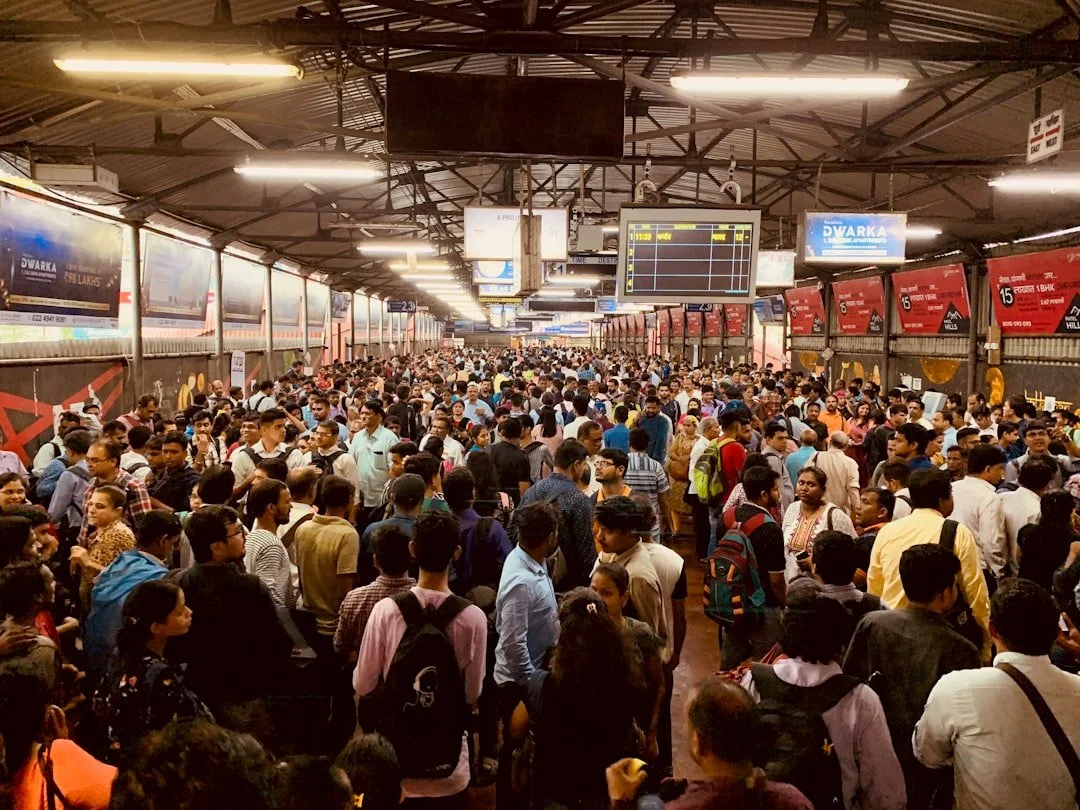
Equally important is the policy’s sharpened focus on Bulk Waste Generators—large-scale entities including townships, commercial developments, hospitals, and transit hubs. These environments, often defined by density and complexity, are precisely where Envac’s automation model operates most effectively. Continuous, hygienic collection becomes less an operational challenge and more an embedded system.
Yet the real inflection point lies in data.
SWM Rules 2026 introduce a digital backbone to waste governance, requiring traceability, reporting, and integration with centralized compliance platforms. Envac’s systems, equipped with real-time monitoring and analytics, offer municipalities and asset owners a level of visibility that traditional systems simply cannot. Waste volumes, collection frequency, and system performance become quantifiable metrics—transforming waste management into a measurable, optimizable function of urban infrastructure.
This data-driven approach also reinforces the economic logic behind the Polluter Pays principle. By reducing landfill dependency, cutting transport emissions, and enabling higher rates of resource recovery, automated systems recalibrate both environmental and financial outcomes over the lifecycle of a development.
The broader ambition of SWM 2026, however, extends beyond compliance. It is an attempt to reorient India’s urban future away from landfill dependency and toward circularity—where waste is not an endpoint but a resource stream.
Here, infrastructure becomes destiny.

Automated vacuum collection systems, by design, support this hierarchy. They improve segregation fidelity, reduce contamination, and create the conditions for higher-value material recovery. Their often-underground footprint also addresses one of the less discussed challenges of urban India: space. In dense, land-constrained cities, reclaiming surface area from waste storage is not just an operational benefit—it is a livability upgrade.
For Envac, the timing is strategic. As Indian cities confront the dual pressures of population growth and environmental sustainability, the demand for integrated, long-term solutions is accelerating. The company’s existing footprint across townships, hospitals, airports, and mixed-use developments positions it as both a technology provider and a systems partner in this transition.
“SWM 2026 is not just a compliance mandate, but an opportunity to build climate-resilient cities where technology, policy, and citizen behavior align,” notes Raj Iyer, Country General Manager of Envac India.
It is a sentiment that underscores a larger truth: policy alone cannot transform cities. Execution—rooted in infrastructure, data, and design—determines whether ambition translates into impact.
India’s waste challenge is vast, but so is its capacity for reinvention. With SWM Rules 2026, the framework is now in place. The next chapter will be defined by how effectively cities—and the systems that support them—rise to meet it.
HOW DO YOU FEEL ABOUT FASHION?
COMMENT OR TAKE OUR PAGE READER SURVEY
Featured




Better With Age’s FW26 “STOLEN ART” collection expands its circular design philosophy into refined tailoring and limited-edition eyewear, transforming vintage textiles and antique silver flatware into contemporary pieces with a distinct sense of history.