
Inside The Reinvention Of The Wessel & Vett Fashion Prize 2026
PAGE
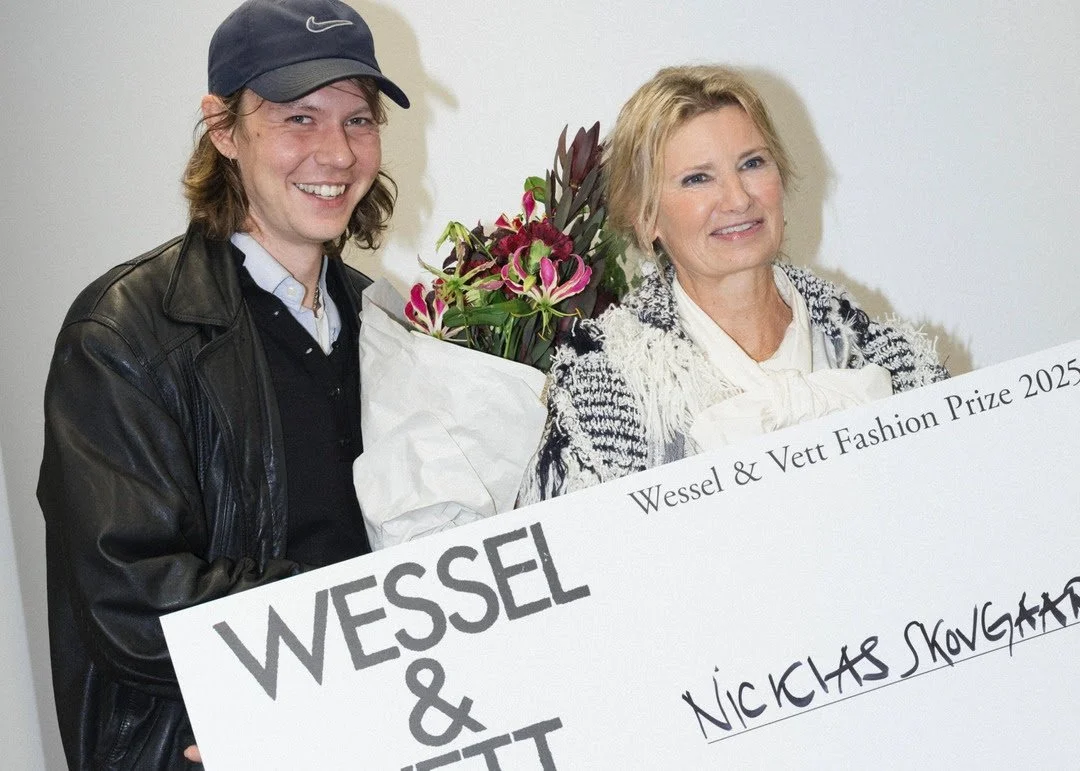
Since its inception in 2012, the Wessel & Vett Fashion Prize has served as a critical launchpad for Danish design talent—spotlighting creatives at the intersection of cultural relevance and commercial promise. In 2026, however, the Prize is undergoing its most consequential evolution yet, shifting its focus from finished collections to the systems, thinking, and operational frameworks that underpin them.
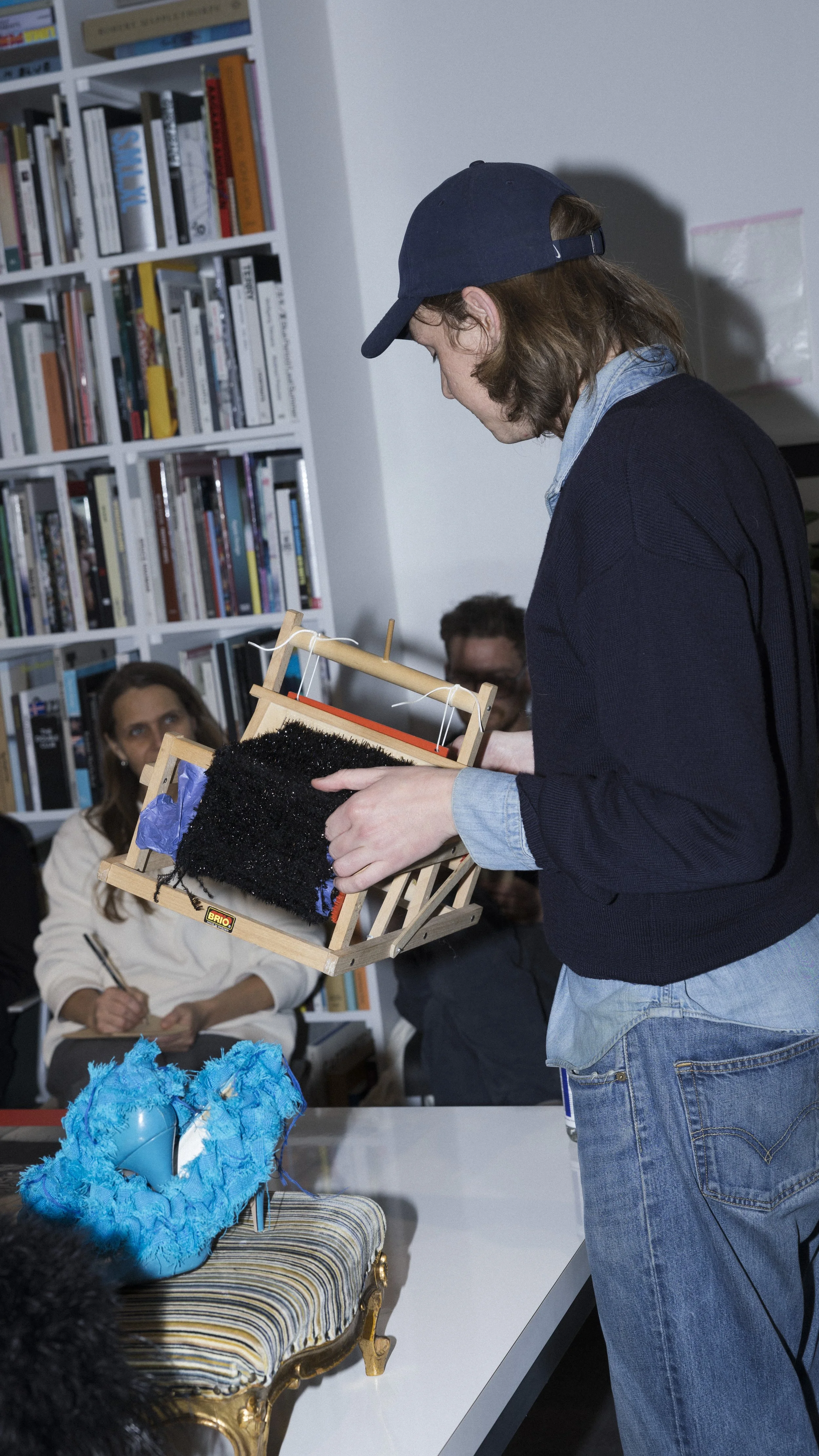
This year’s restructured format introduces an immersive evaluation process beginning with a workshop in Copenhagen, followed by live studio visits where jurors engage directly with each finalist’s workflow. The intent is clear: to assess not only what designers create, but how they build—collaboratively, strategically, and sustainably.
At a moment when the global fashion industry is redefining value beyond seasonal output, this recalibration positions the Prize as both a mirror and a mechanism for change.
The Finalists: চার Models Of Fashion’s Next Economy
The 2026 finalists—Berner Kühl, Bonnetje, Caro Editions, and O. Files—represent distinct yet interconnected approaches to building a fashion brand today.
For Berner Kühl, the conversation centers on restraint, longevity, and the quiet power of consistency. As Laird Borrelli-Persson explains:

“It’s probably naive of me, but I have never thought of Frederik’s aesthetic as positioning, but have bought into it as an extension of his interest in architecture and design. As an American, BK feels very Scandinavian to me as well, although Frederik sees that as something juxtaposed upon the work, rather than being intrinsic to it. In any case, I think it’s a selling point, especially as most sales are outside of Denmark and the seduction of Scandi style has its own longevity.
To your point of a ‘trend-averse luxury landscape,’ this would seem to bode well for the Berner Kühl brand, which I find to verge beyond minimalism into asceticism at times. Part of the appeal of BK, for me, is that it’s a bit under the radar which gives it an exciting ‘discoverability’ aspect.”
From a retail standpoint, that same clarity translates into measurable performance. Rikke Christensen adds:
“Berner Kühl is defined by a strong and consistent brand identity, shaped by its focus on fabrics and proportions and clean aesthetic. This clear identity makes the collections easy to understand, while appealing to a broad audience across age groups and personal styles.
Its timeless expression allows the products to remain relevant across both transitional periods and peak seasons, effectively extending their selling window and supporting consistent sell-through. Rather than relying on short-lived trends, the brand evolves with continuity, enabling customers to build a wardrobe over time with a sense of confidence and trust.
At the same time, the versatility of the pieces allows them to be styled across multiple universes, enhancing their usability and strengthening their position in a competitive retail environment. The result is a brand that not only stands out on the shop floor, but also delivers long-term commercial value through clarity, consistency, and adaptability.”
Embedding Business Into Creativity
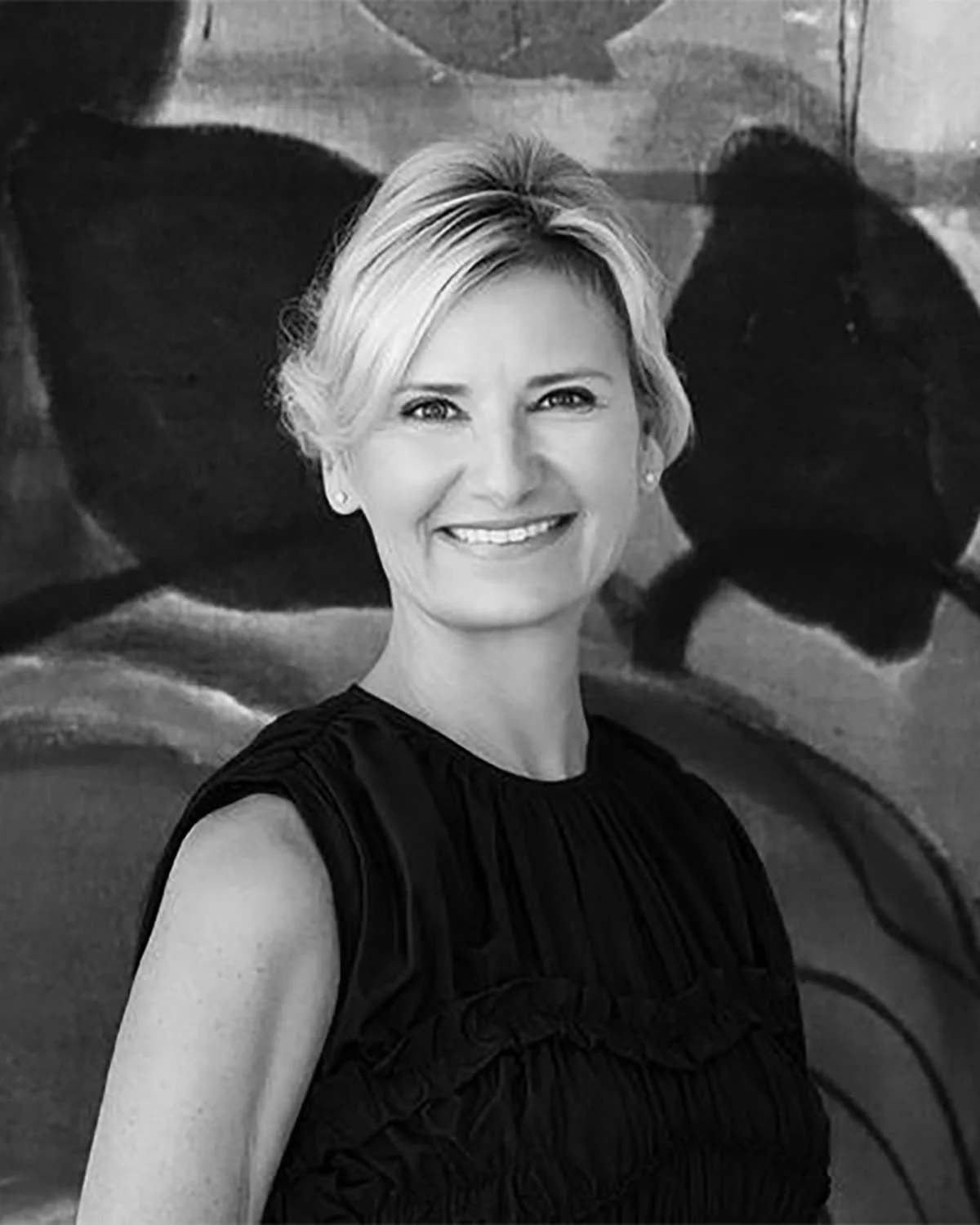
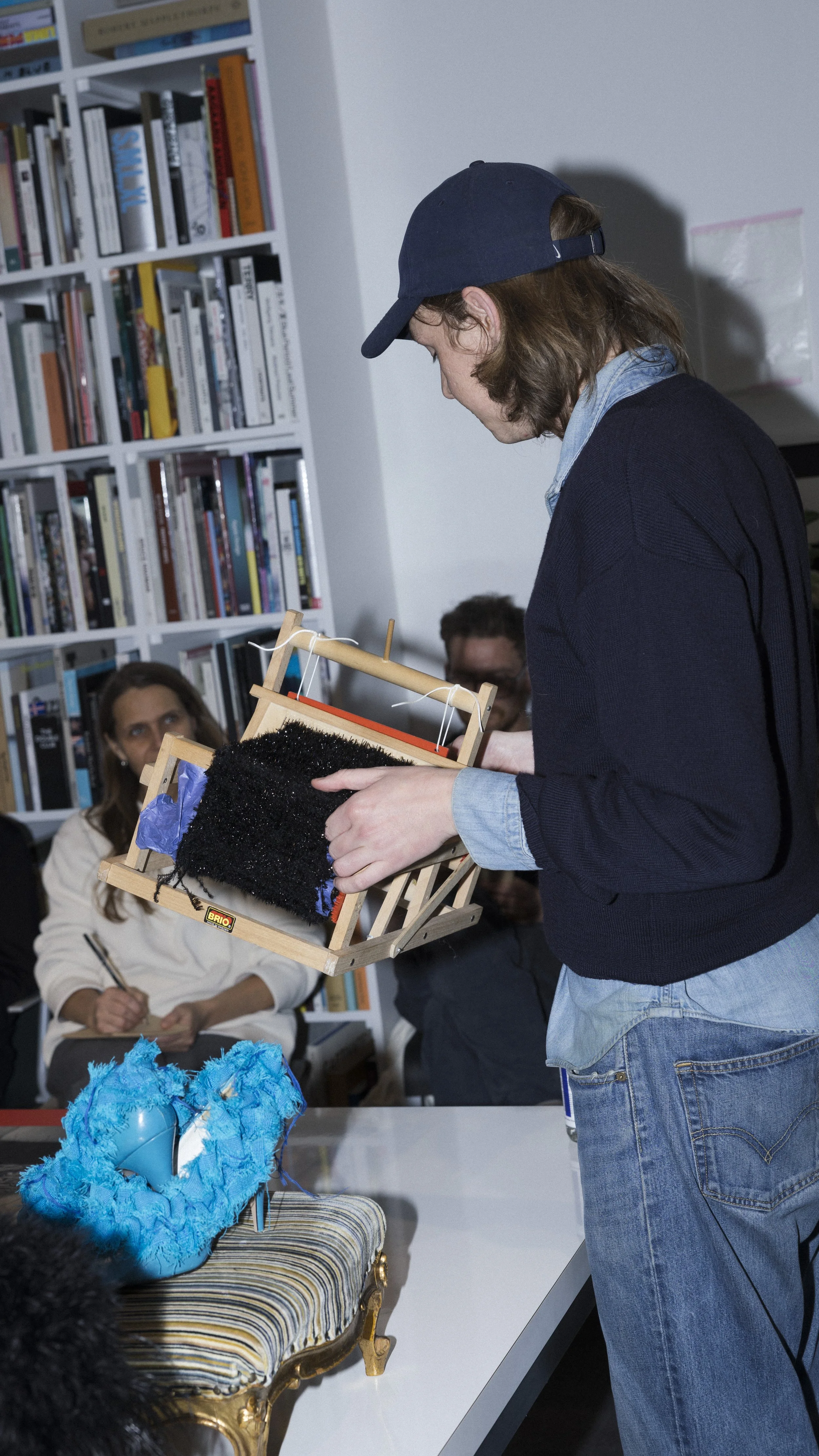
For Bonnetje, the conversation shifts toward circularity and structural design thinking. Their remake-based model is not simply aesthetic—it is systemic. As Nina Wedell-Wedellsborg explains:
“I think first and foremost that it is important to build the CARO Editions sales strategy around Caroline’s vision for the brand and the product and not try to force the brand into any existing format.
I strongly believe everything needs to be built around Caroline and her vision, her art & craft, her family and friends, her way of life, that the sales strategy will need to bring ’that’ to market.
I think there is an opportunity for CARO Editions to further strengthen the physical brand experience, to potentially create a ‘House’, that can then be translated into a digital space as well as pop up’s and WS activations.
I think there is opportunity to translate her show collections and unique one of pieces into a more accessible collection focusing on building hero pieces and increase volumes.
I believe it is possible to duplicate and expand what Caro Editions is in Copenhagen to other markets, both through own channels (retail and digital) and activations and WS.”
Culture As Commerce
Finally, O. Files represents a generation fluent in the interplay between cultural capital and financial sustainability. As Mads Nørgaard articulates:
“Rather than being mutually exclusive, these elements can—and should—coexist. The ability to combine cultural relevance with commercial resilience is a defining characteristic of successful brands today. Because the traditional fashion system is broken, brands must build their identity holistically, ensuring their commercial strategy fully integrates with their overall brand vision.”
A Jury Designed For Tension And Insight
The jury—featuring industry leaders such as Andrea Baldo, Cecilie Thorsmark, and Henrik Vibskov—is intentionally constructed to reflect the multidimensional nature of modern fashion businesses.
Their collective mandate is not simply to select a winner, but to interrogate the evolving definition of success: where creativity meets operational clarity, and where vision is matched by execution.
Strategic oversight from Martin Gjesing and Frederik Bjerregaard—whose work has shaped brands like Ganni and Cecilie Bahnsen—further anchors the Prize in real-world business acumen.

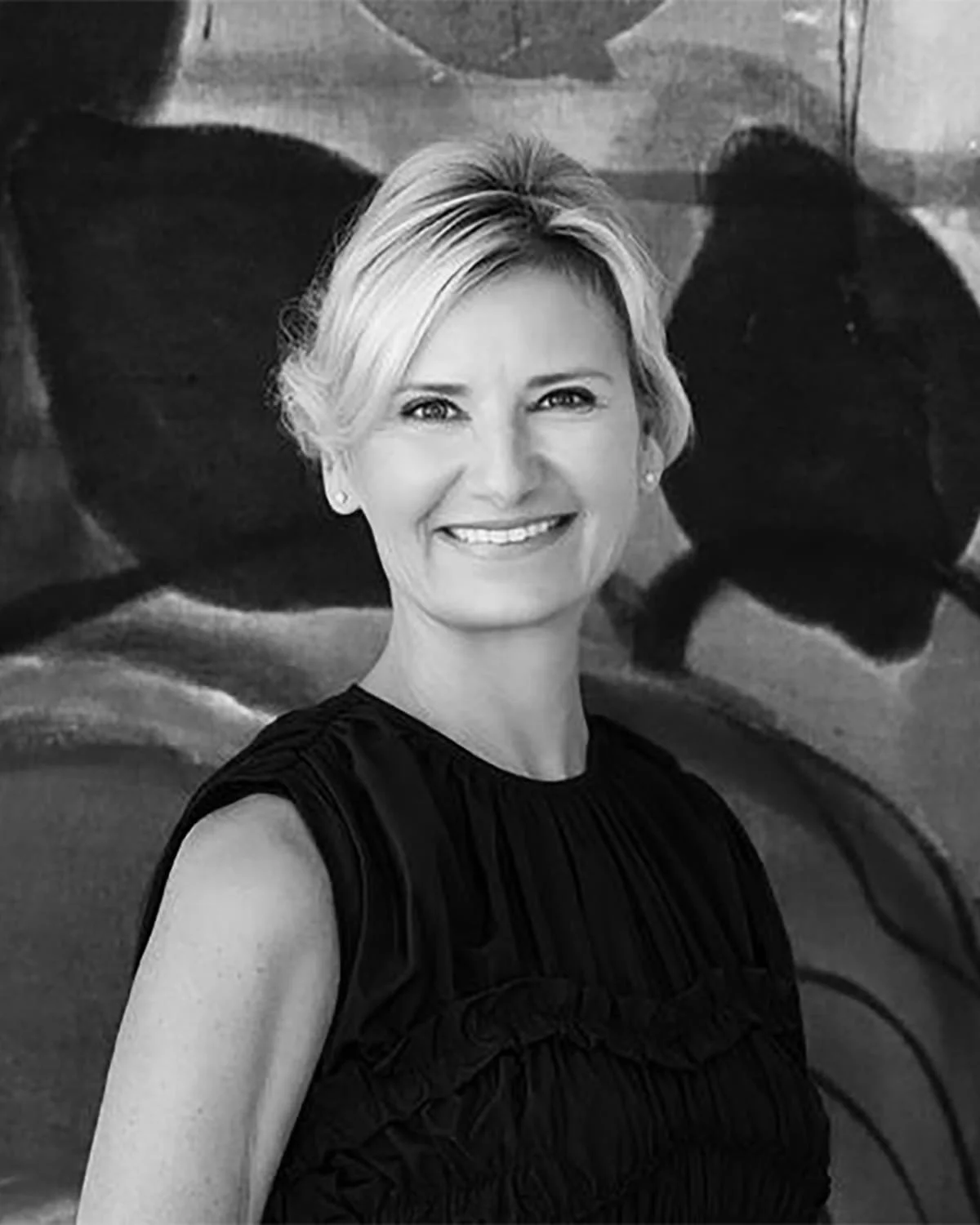
Rebekka Bay
Scaling Intimacy Without Dilution
For Caro Editions, the challenge lies in translating emotional storytelling into scalable infrastructure. According to Rebekka Bay:
“I think first and foremost that it is important to build the CARO Editions sales strategy around Caroline’s vision for the brand and the product and not try to force the brand into any existing format.
I strongly believe everything needs to be built around Caroline and her vision, her art & craft, her family and friends, her way of life, that the sales strategy will need to bring ’that’ to market.
I think there is an opportunity for CARO Editions to further strengthen the physical brand experience, to potentially create a ‘House’, that can then be translated into a digital space as well as pop up’s and WS activations.
I think there is opportunity to translate her show collections and unique one of pieces into a more accessible collection focusing on building hero pieces and increase volumes.
I believe it is possible to duplicate and expand what Caro Editions is in Copenhagen to other markets, both through own channels (retail and digital) and activations and WS.”
Copenhagen As The Global Amplifier
The final presentations will take place during Copenhagen Fashion Week in August, aligning the Prize with one of fashion’s most forward-thinking platforms. This shift not only enhances visibility but situates the finalists within a global dialogue around sustainability, innovation, and design leadership.
Each finalist will also receive financial support—DKK 75,000 (€10,000)—ensuring that participation itself becomes a form of investment in long-term growth.
Redefining The Metrics Of Success
The 2026 evolution of the Wessel & Vett Fashion Prize ultimately reframes a central industry question: what does it mean to build a successful fashion brand today?
The answer, increasingly, is not found solely in the final product, but in the systems that support it—the clarity of vision, the coherence of strategy, and the ability to translate creativity into continuity.
By shifting its lens toward process, the Prize is not just identifying talent. It is redefining the conditions under which that talent can endure.








HOW DO YOU FEEL ABOUT FASHION?
COMMENT OR TAKE OUR PAGE READER SURVEY
Featured


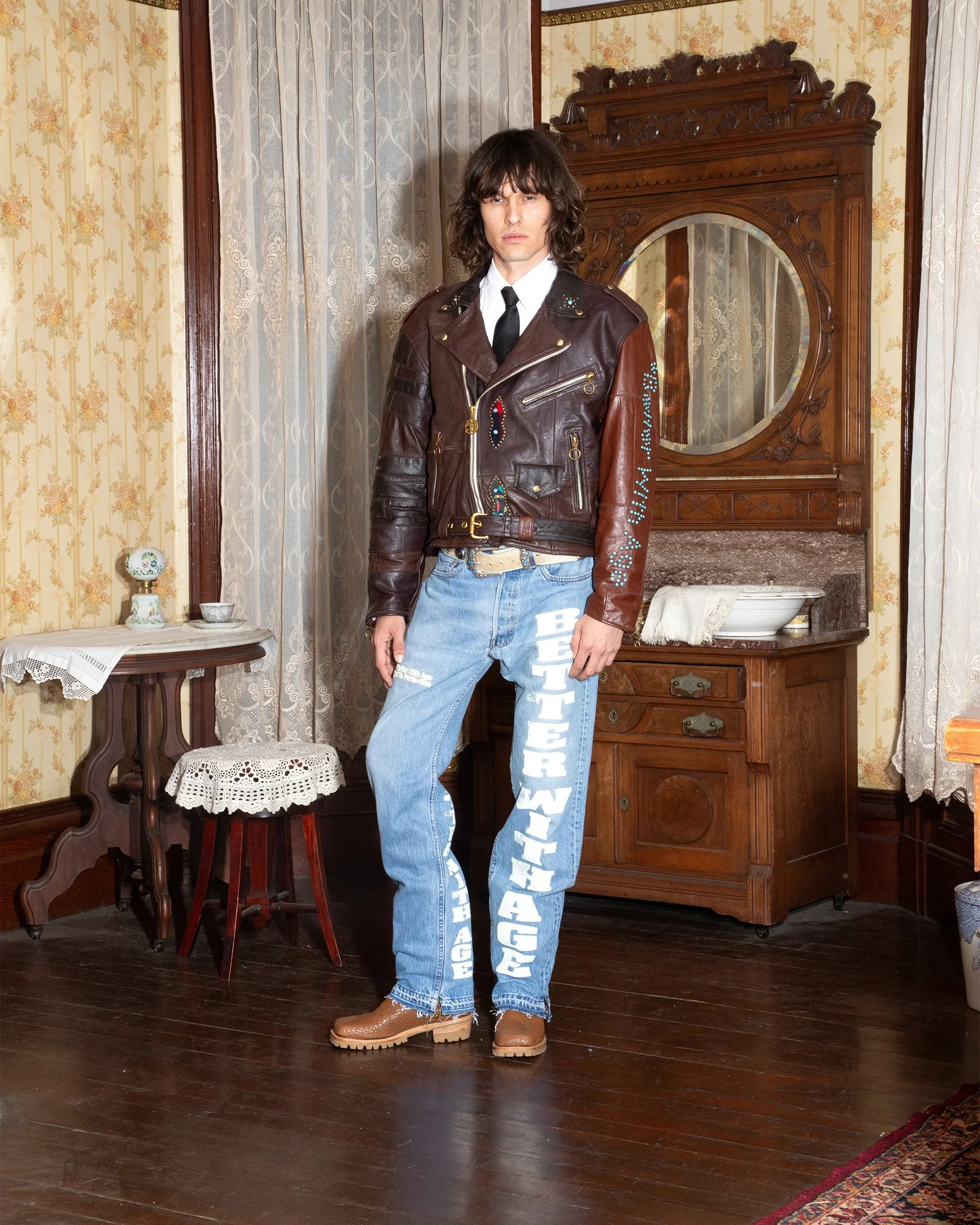
Telfar's SS2027 collection transforms the sample sale into a runway, using inside-out tailoring, manipulated materials, New York street references and a Brooklyn-to-Paris spectacle to question who gets to define fashion—and where it actually happens.