
Huron, California Reclaims Its Narrative—One That Willy Chavarria Has Been Telling All Along
PAGE
By PAGE Editor
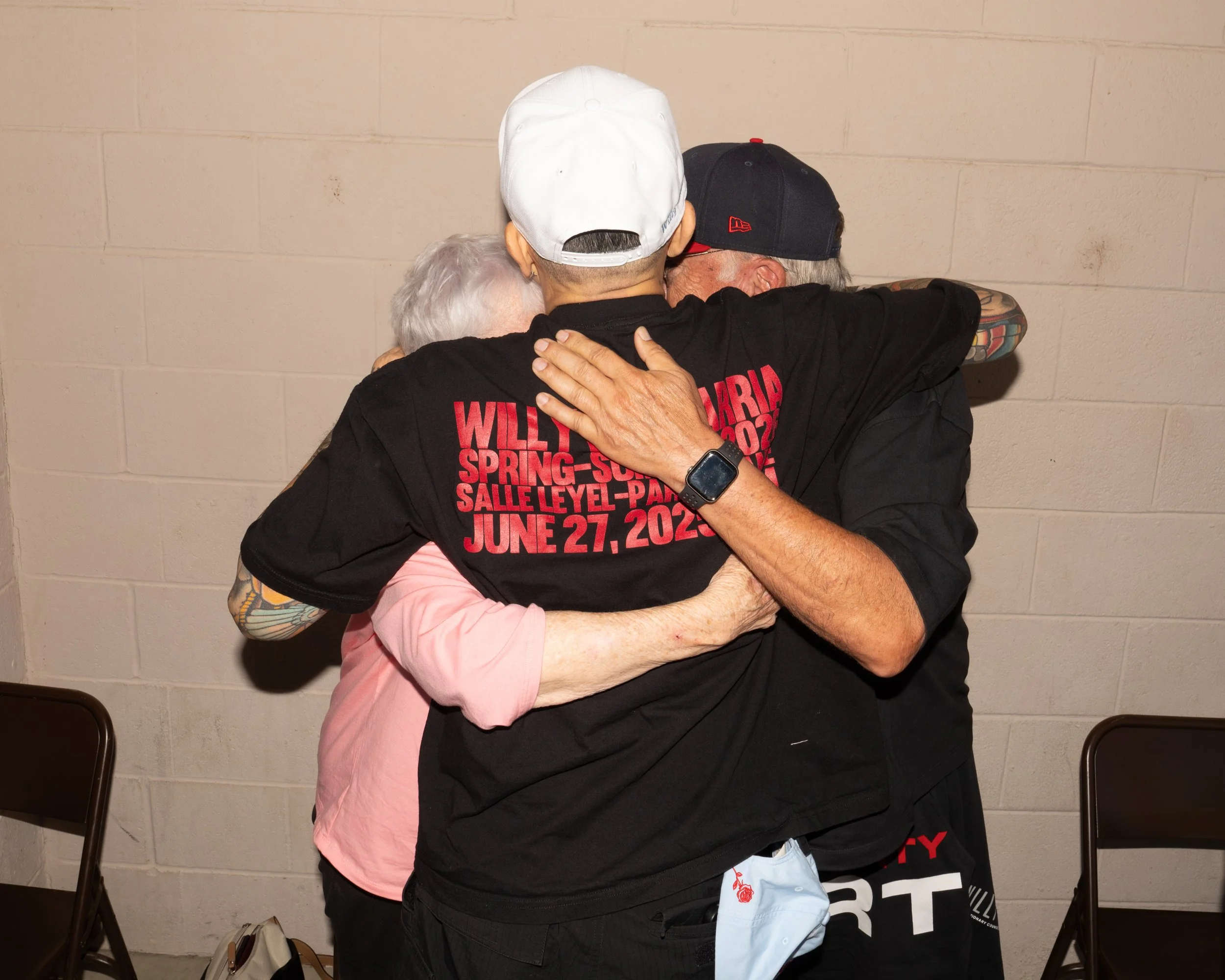
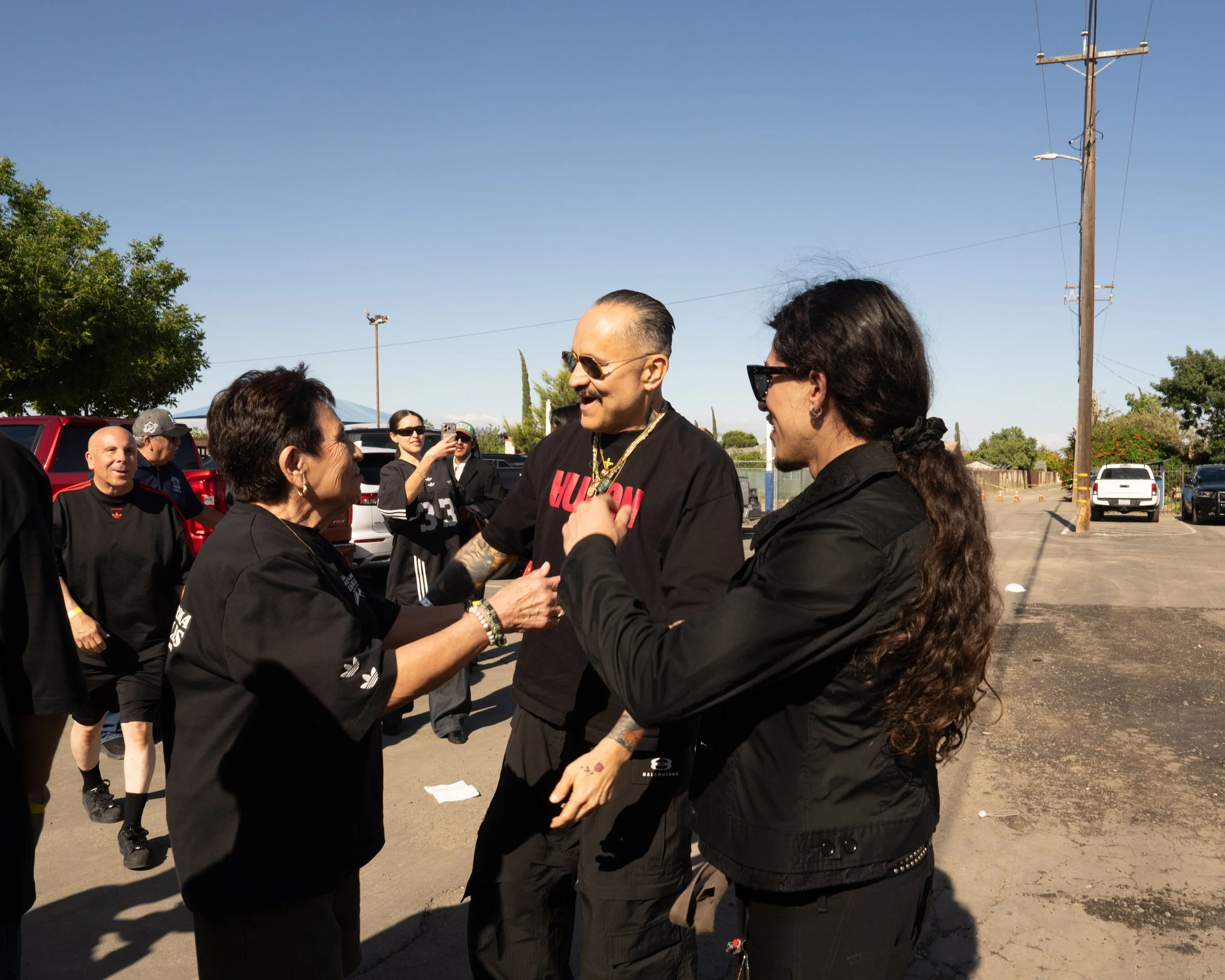
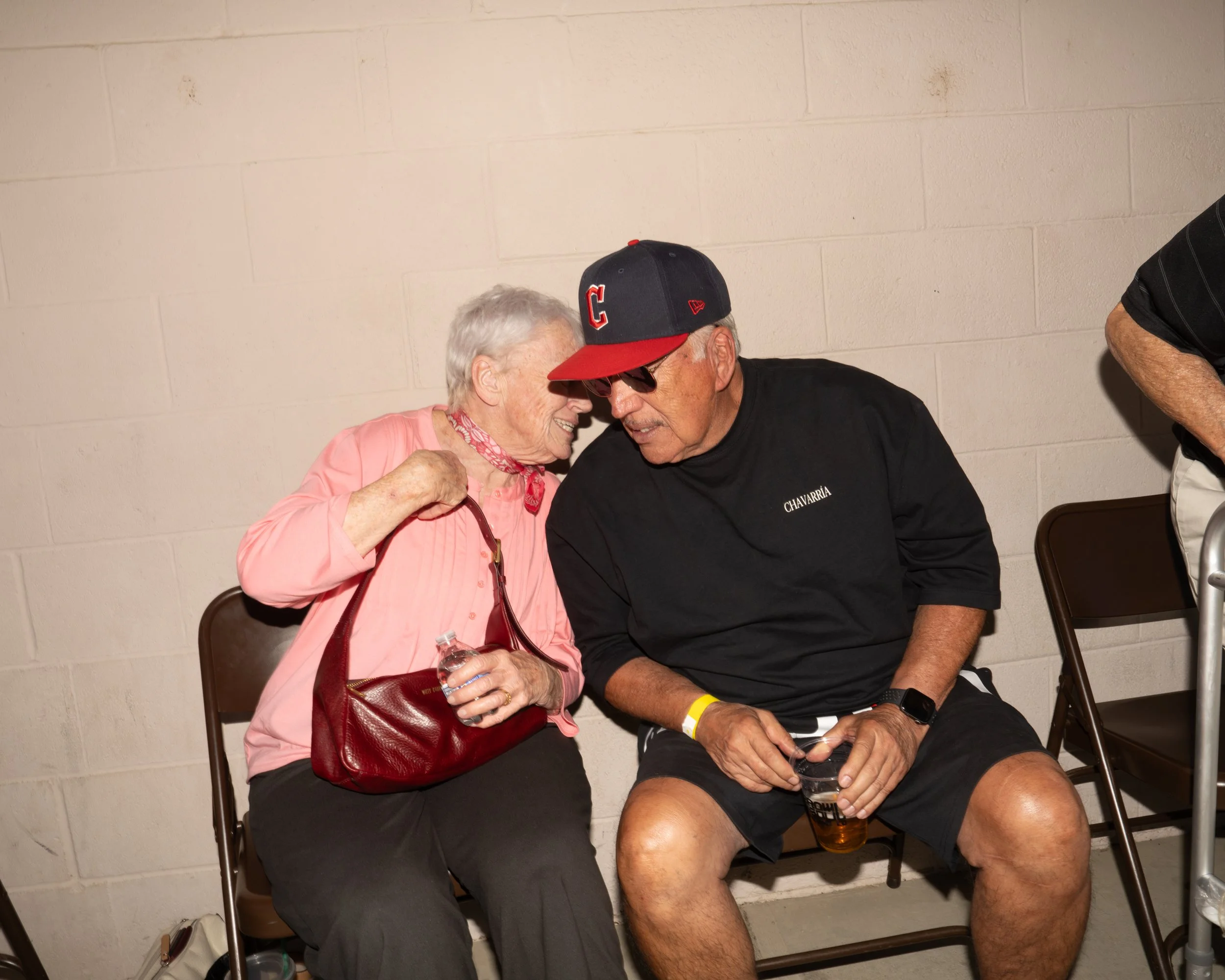
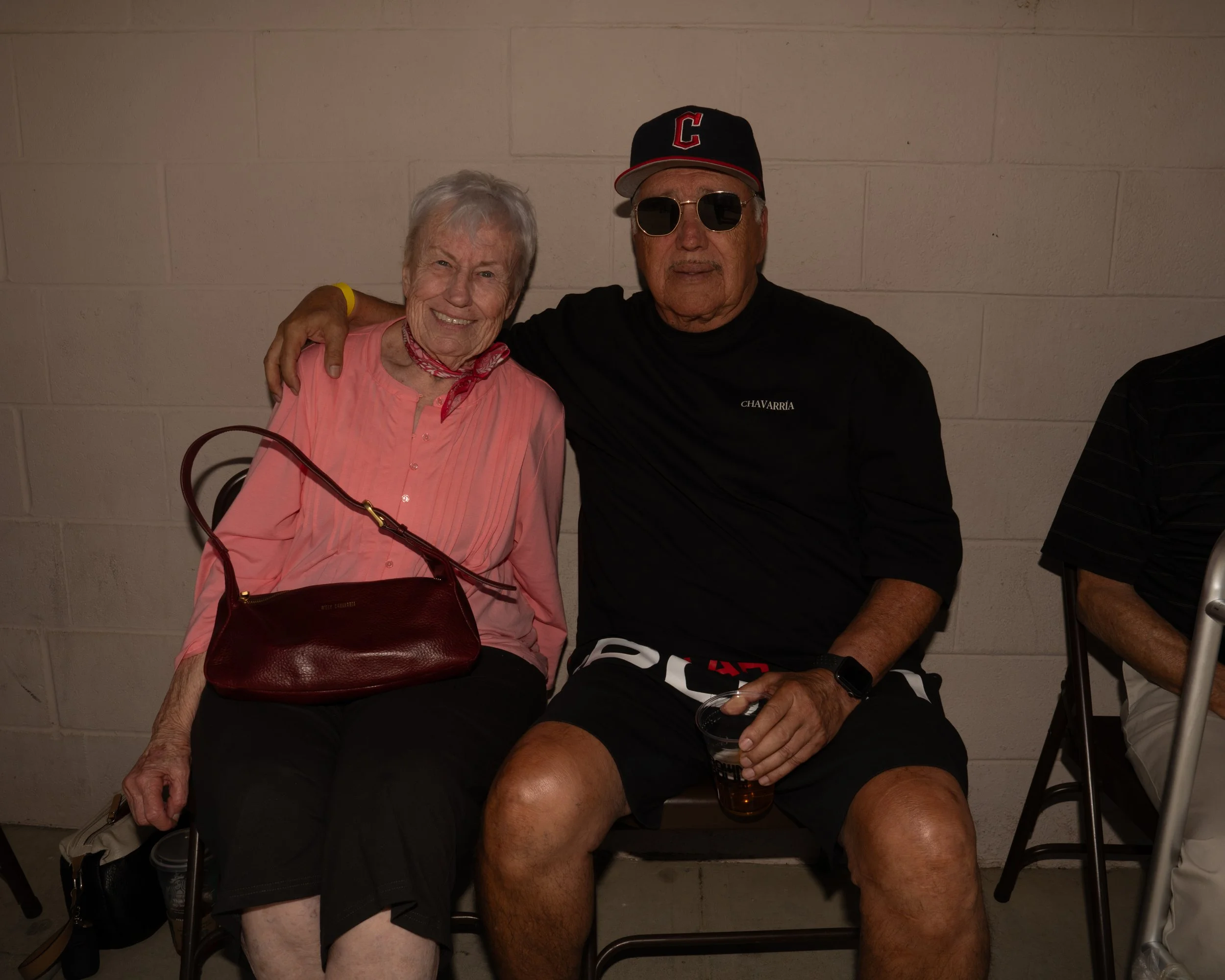
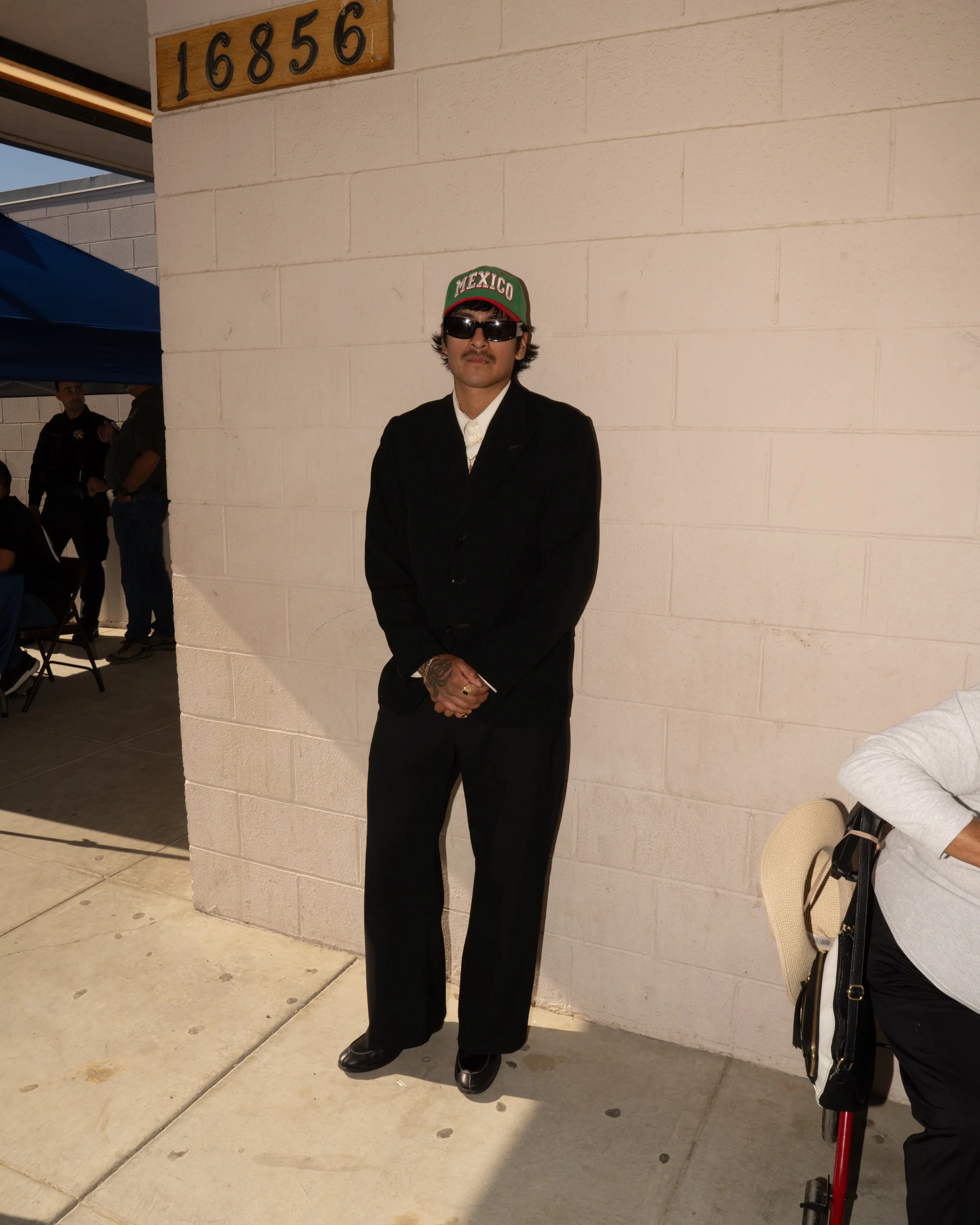
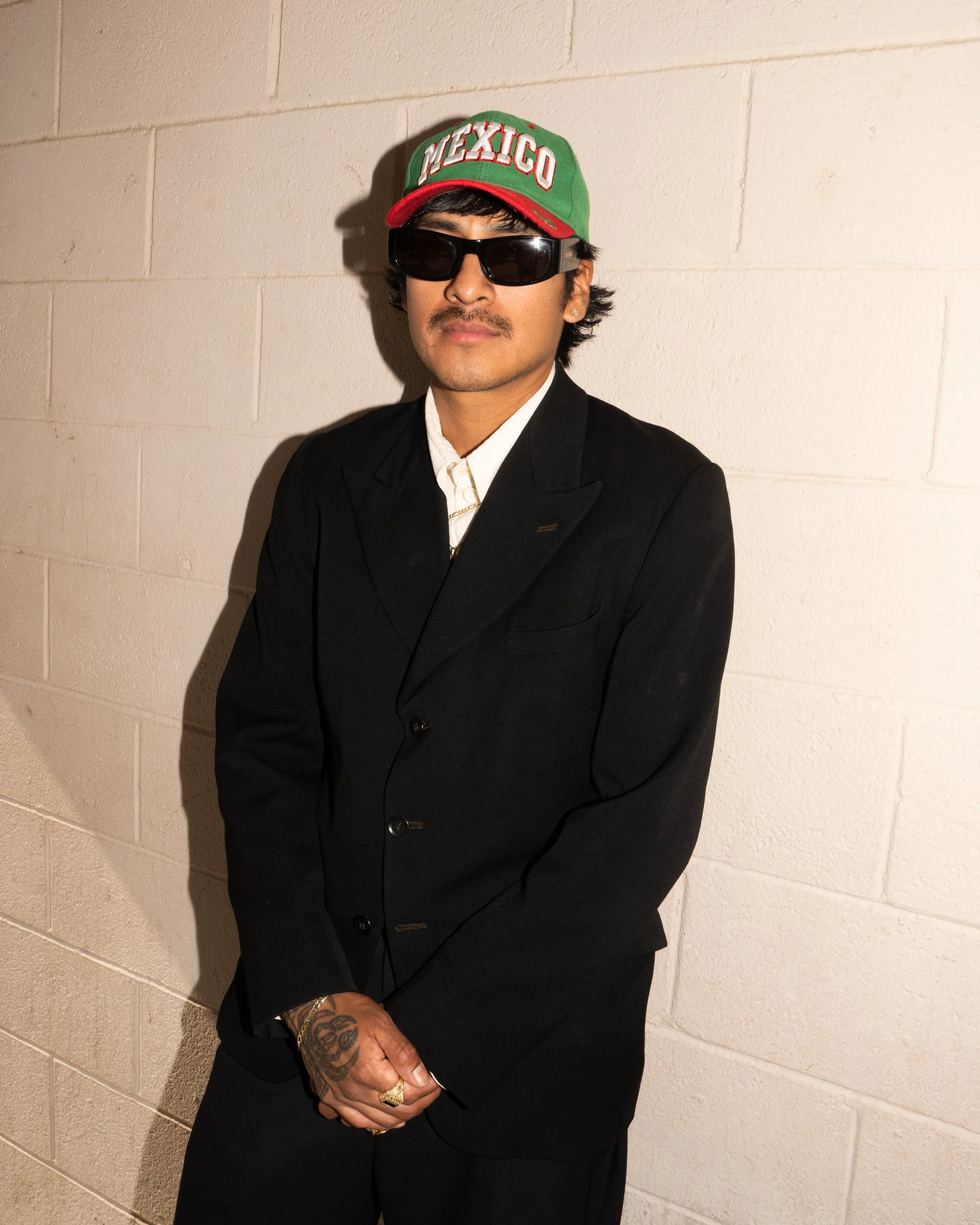
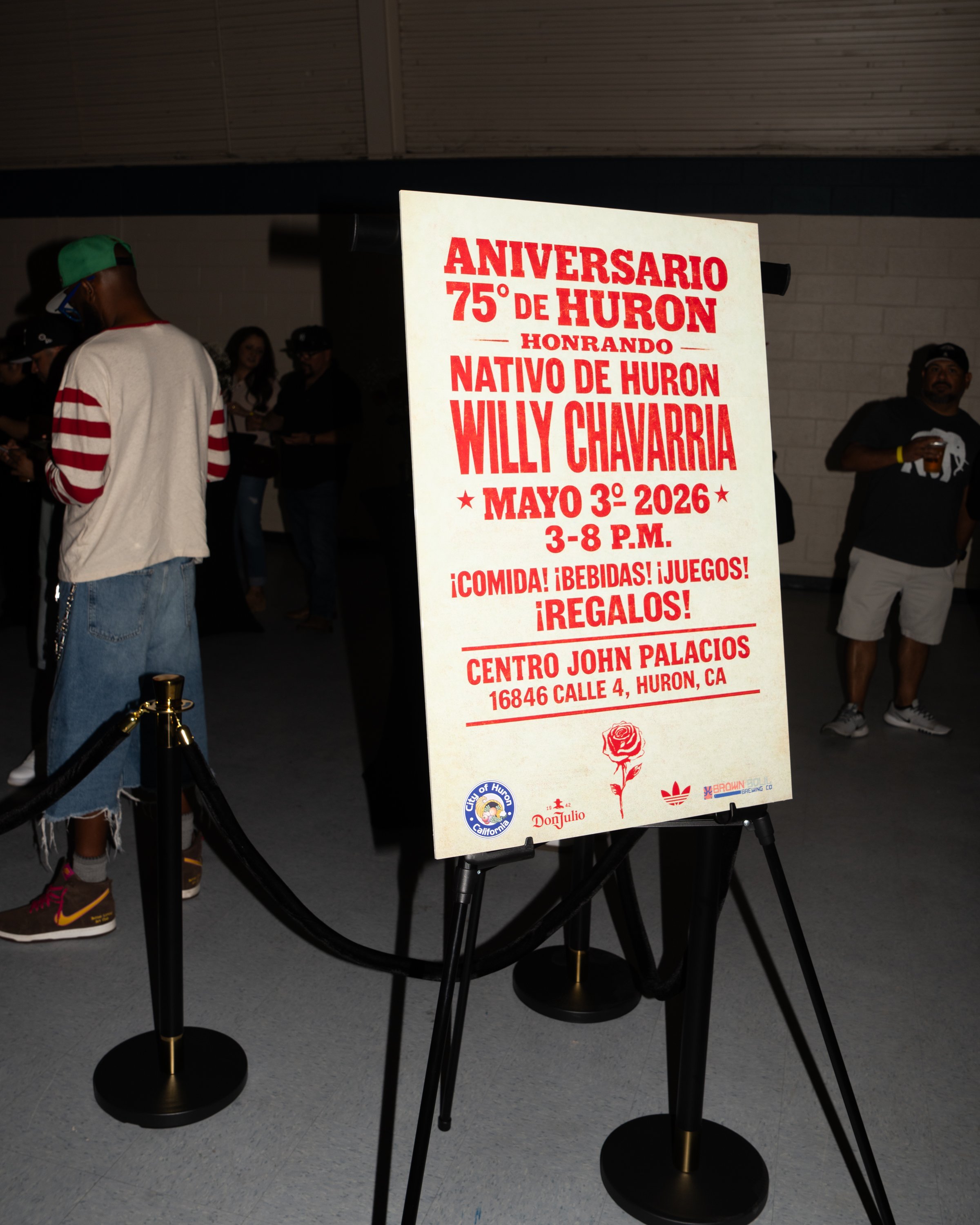
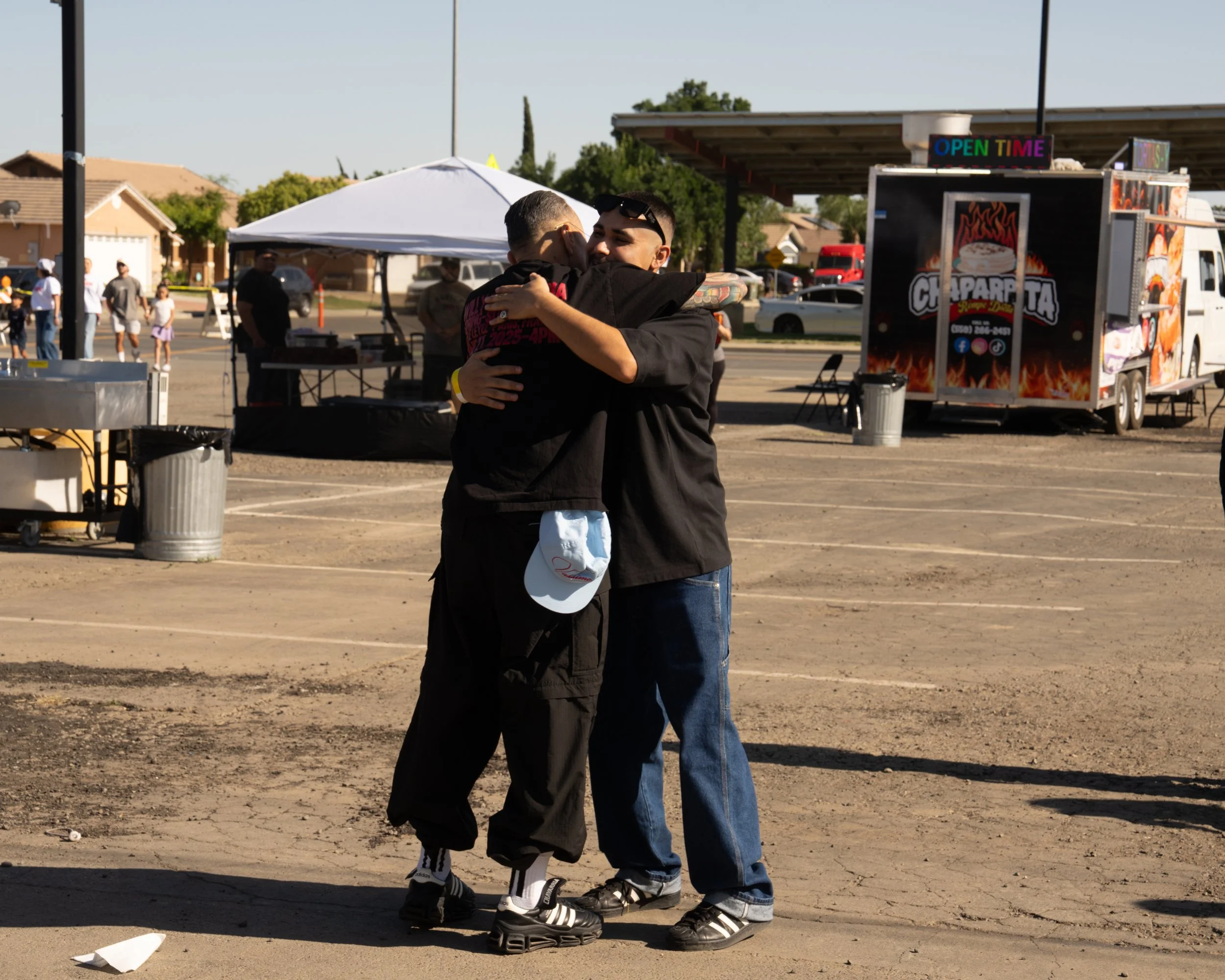
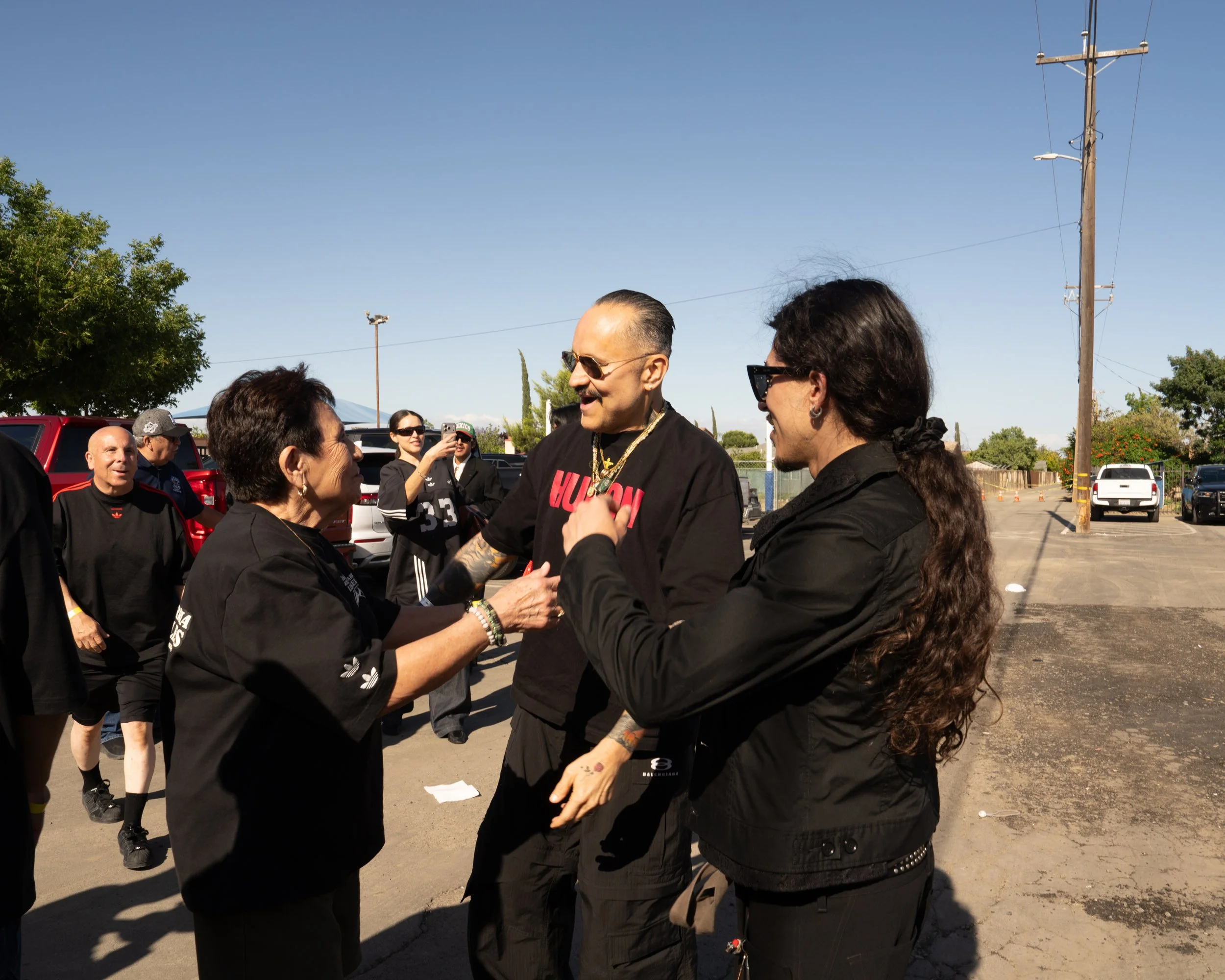
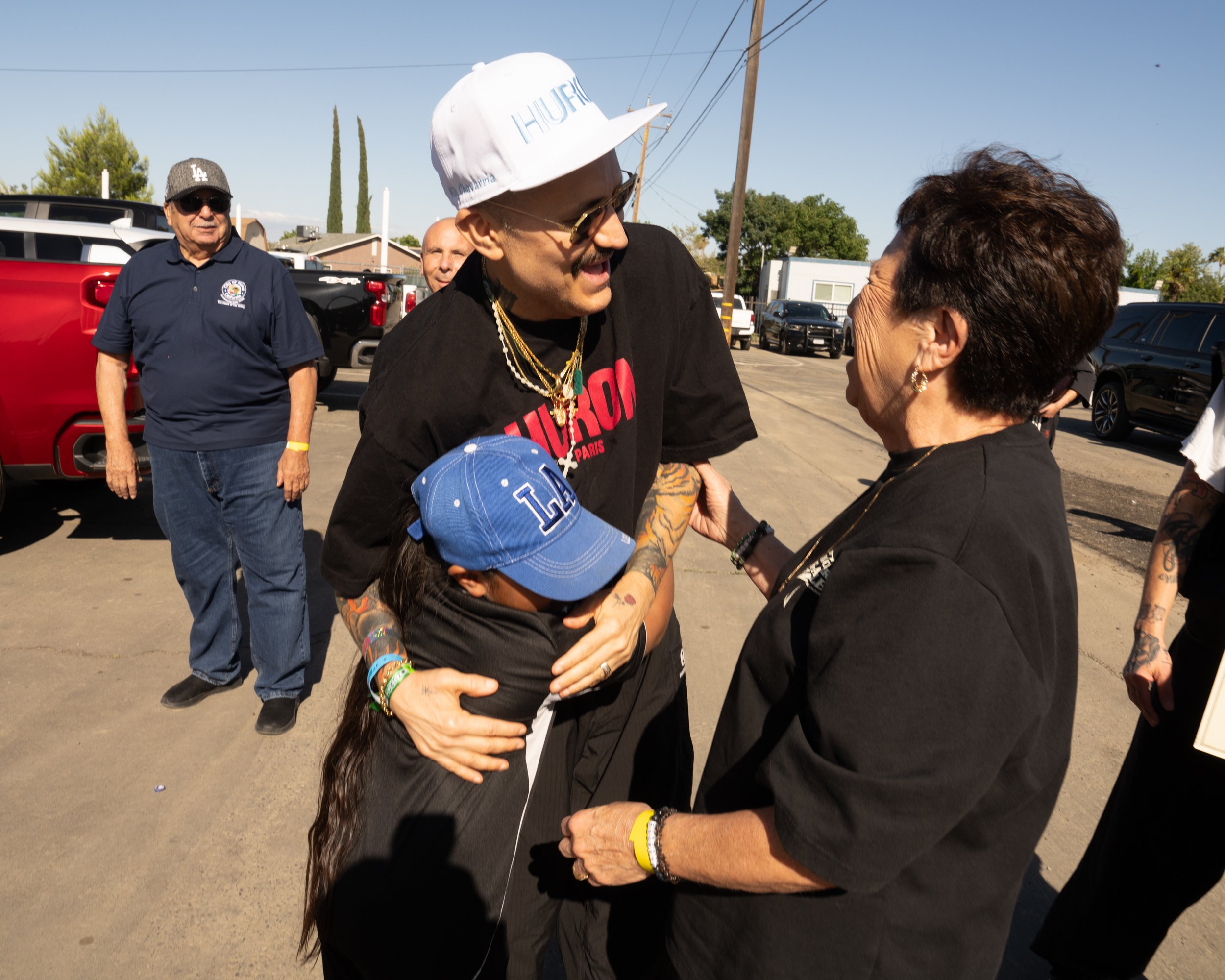
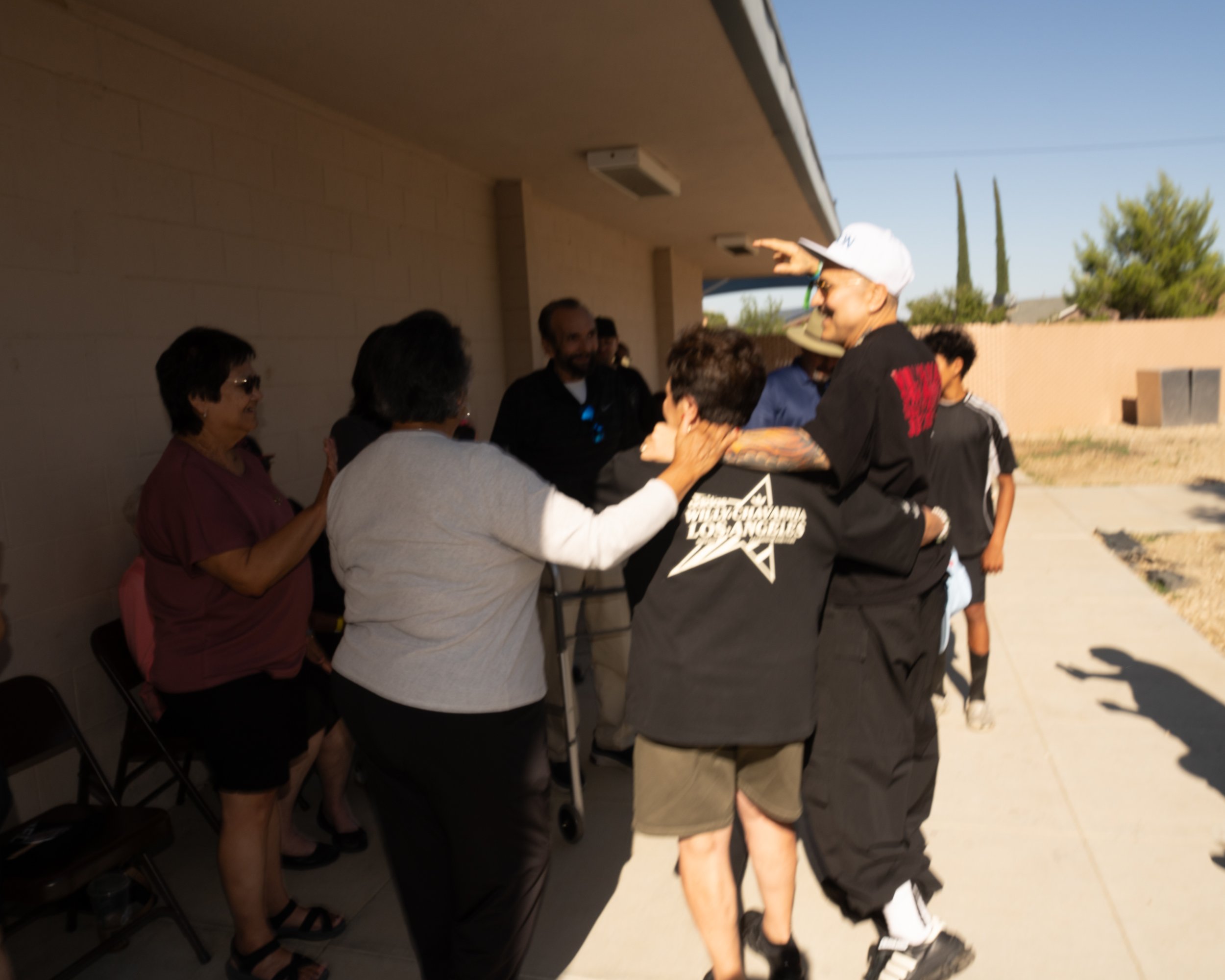
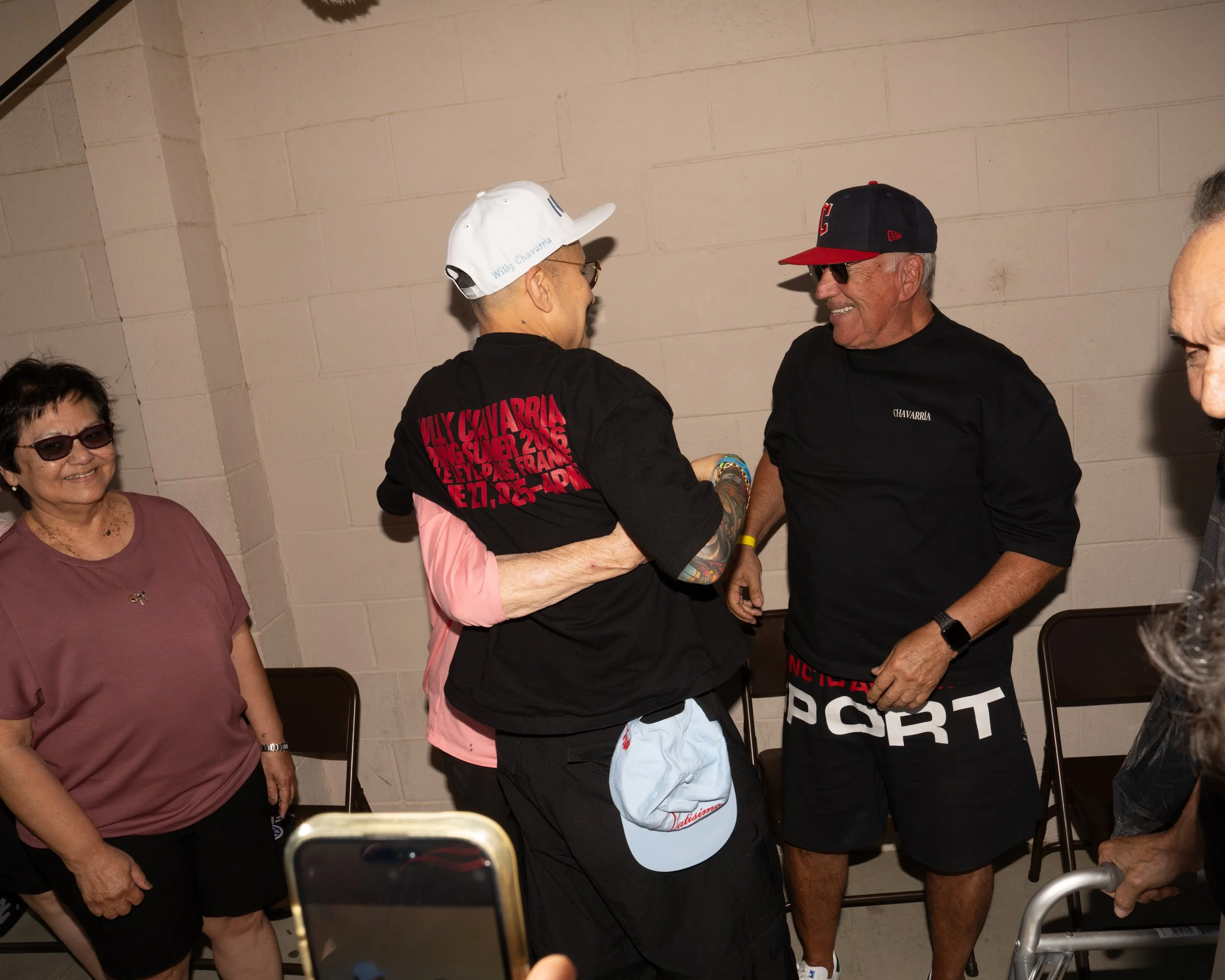
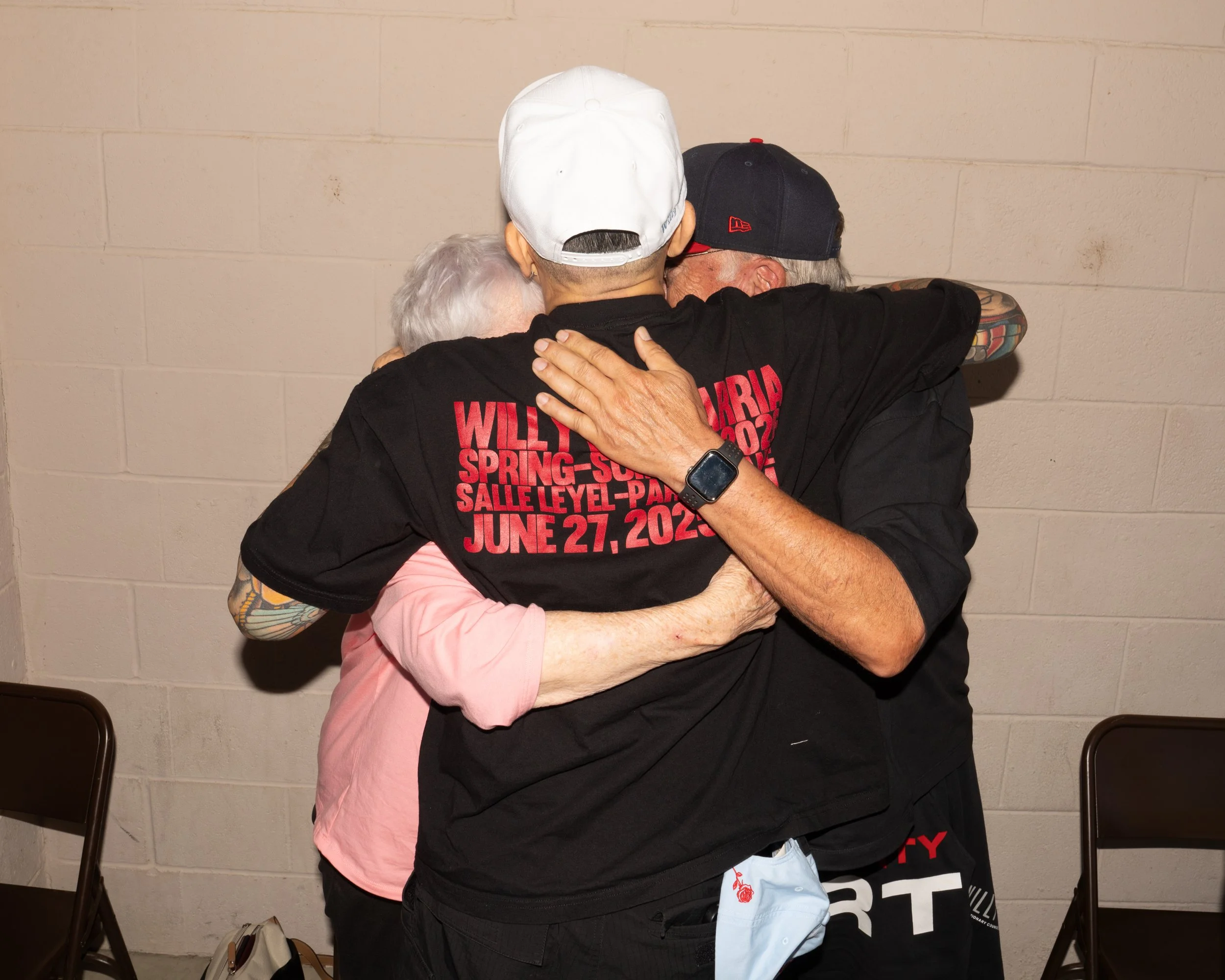
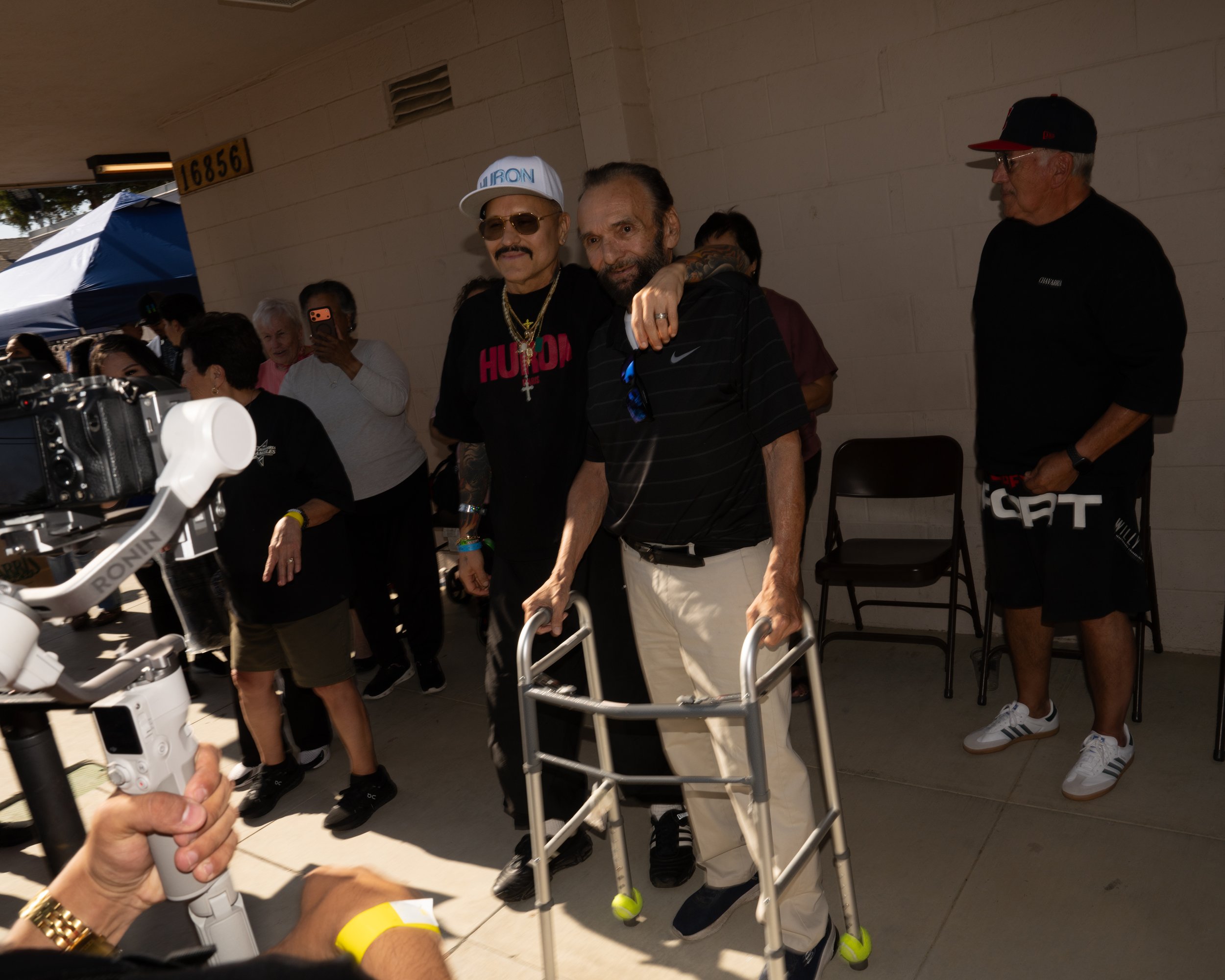
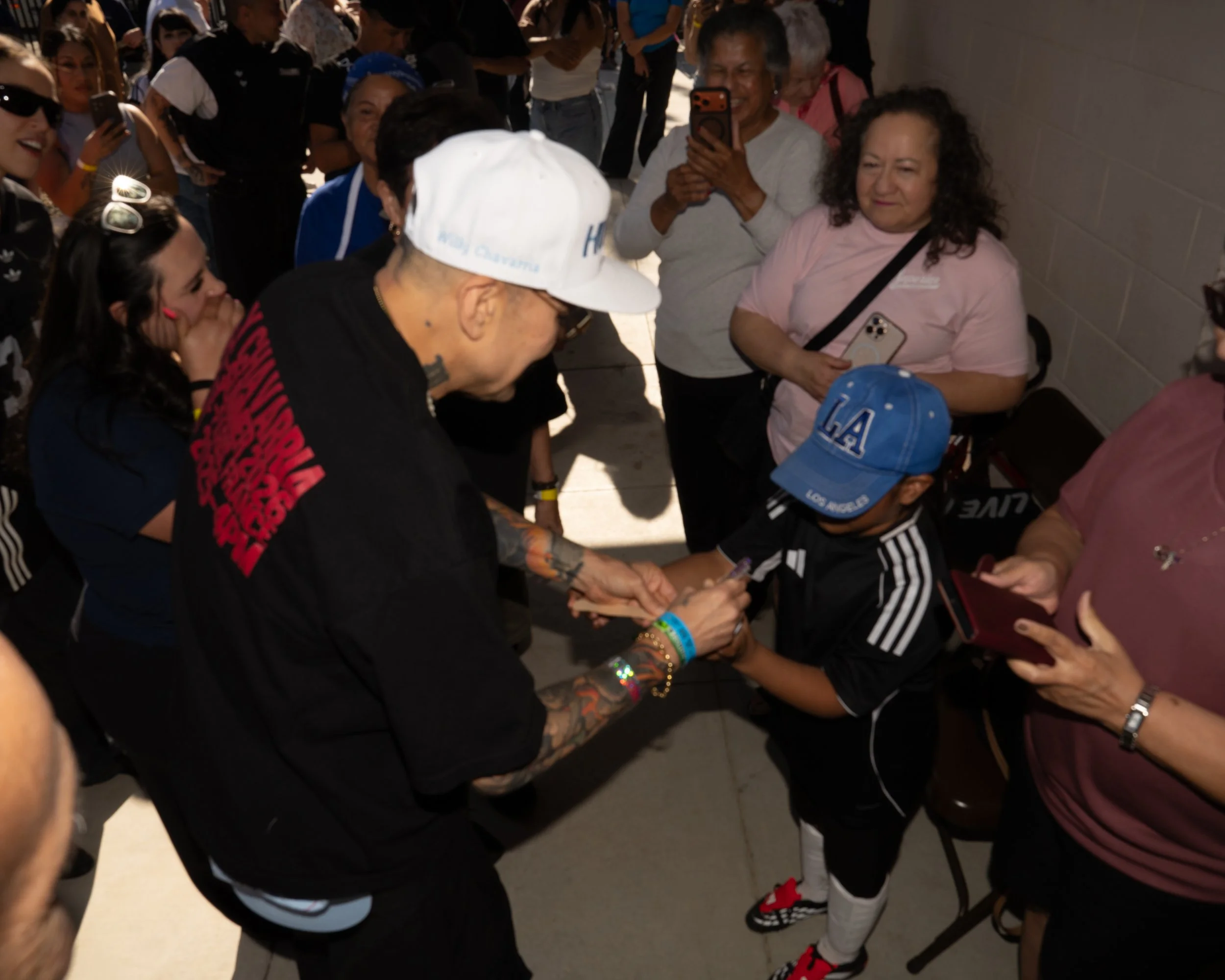
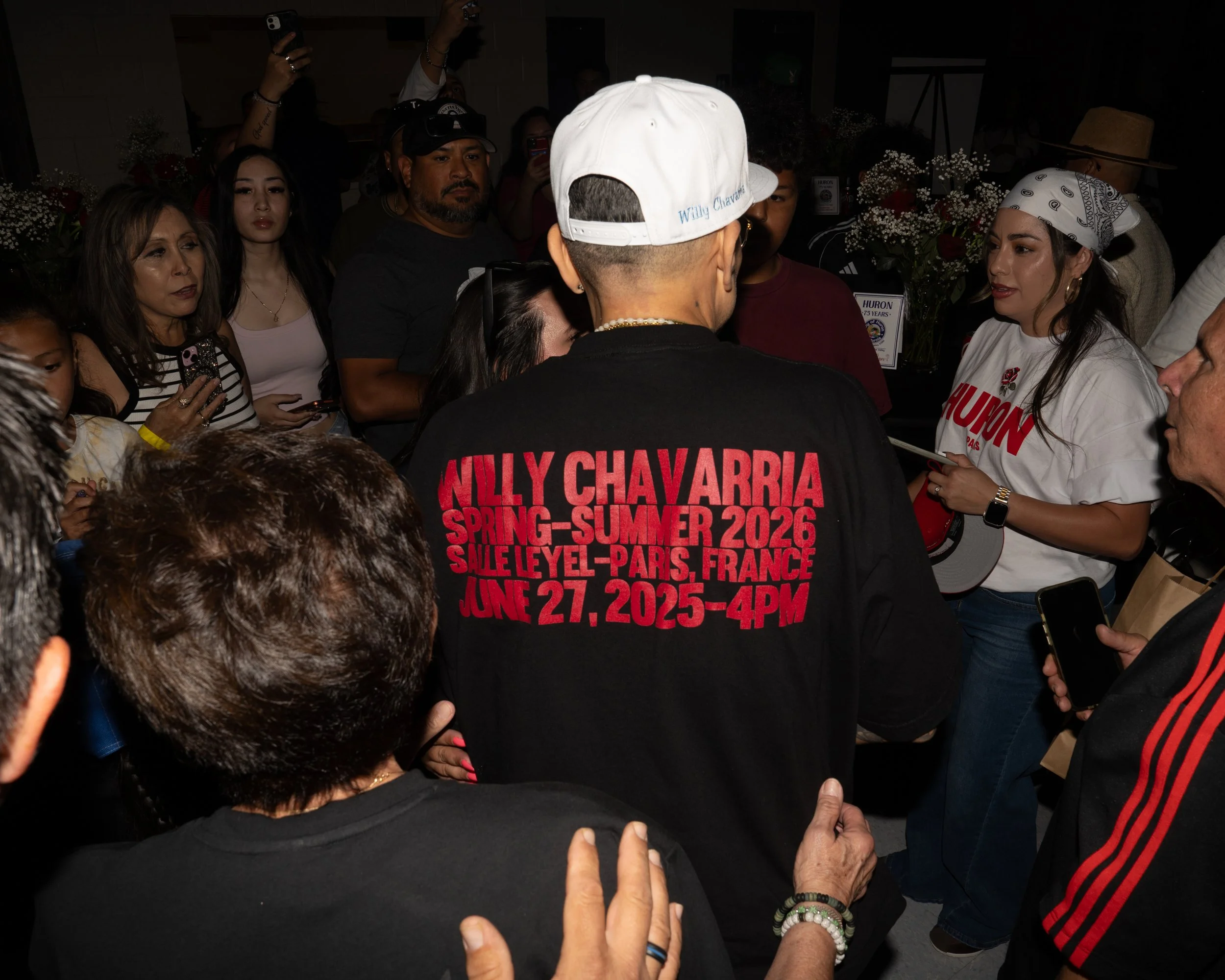
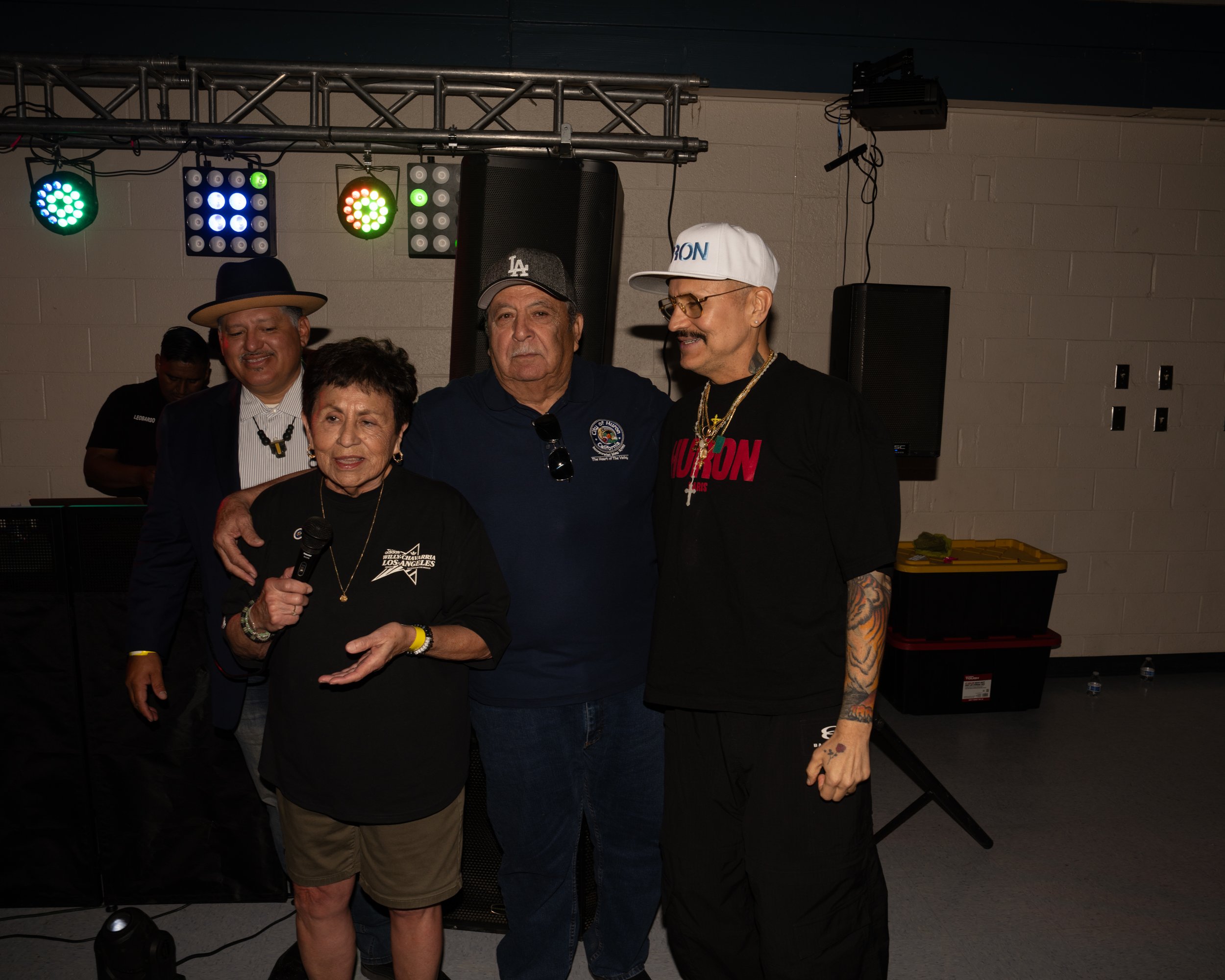
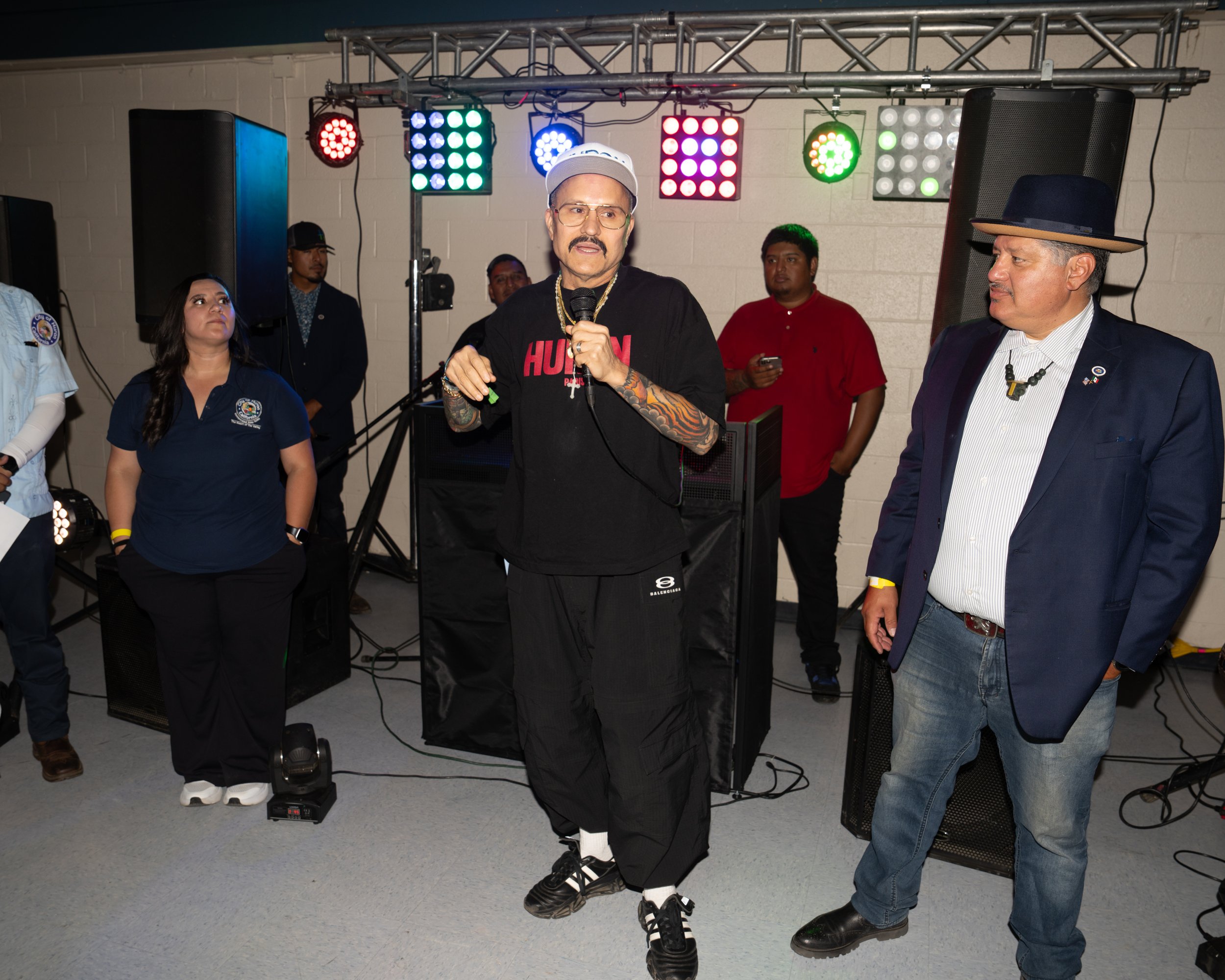
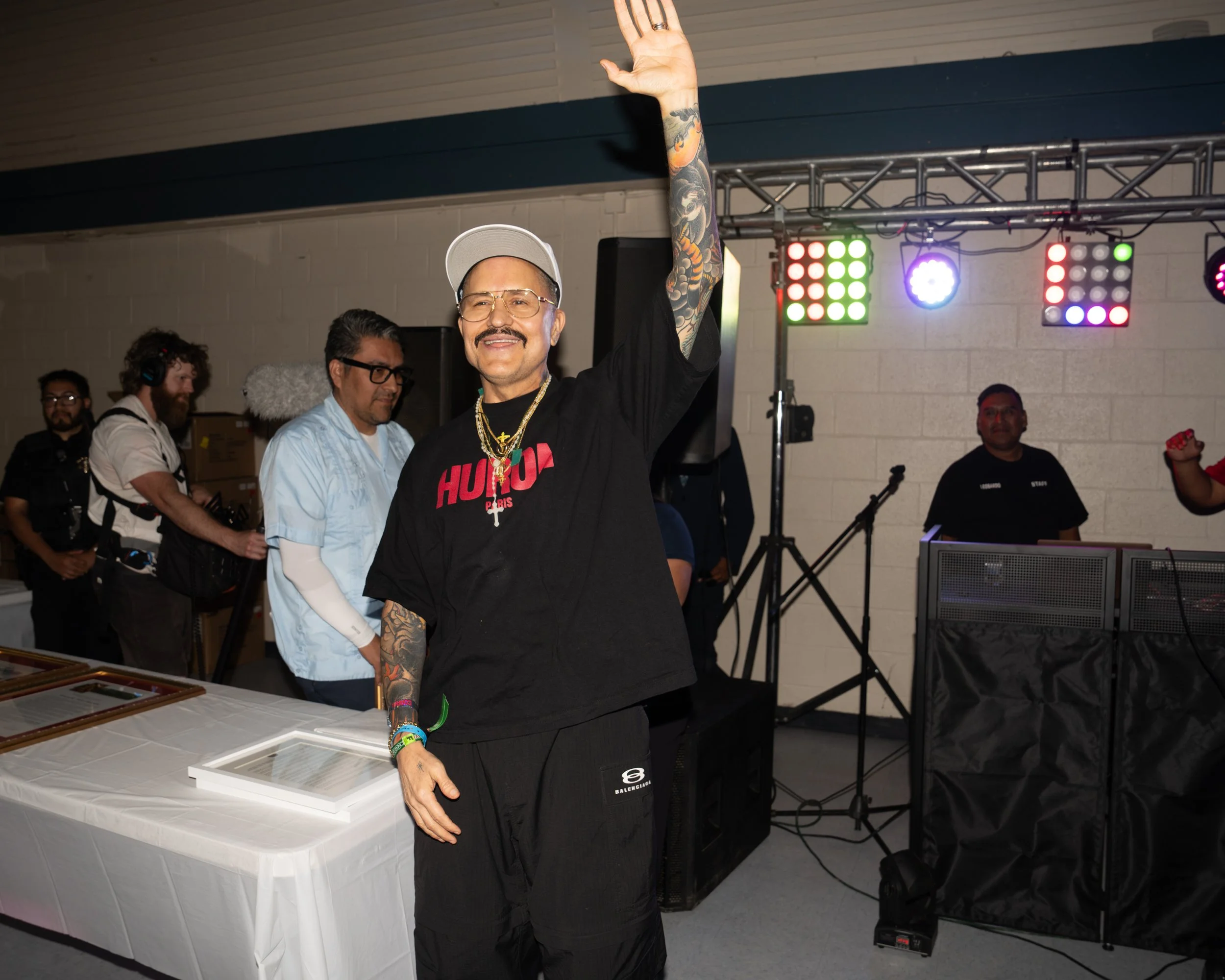
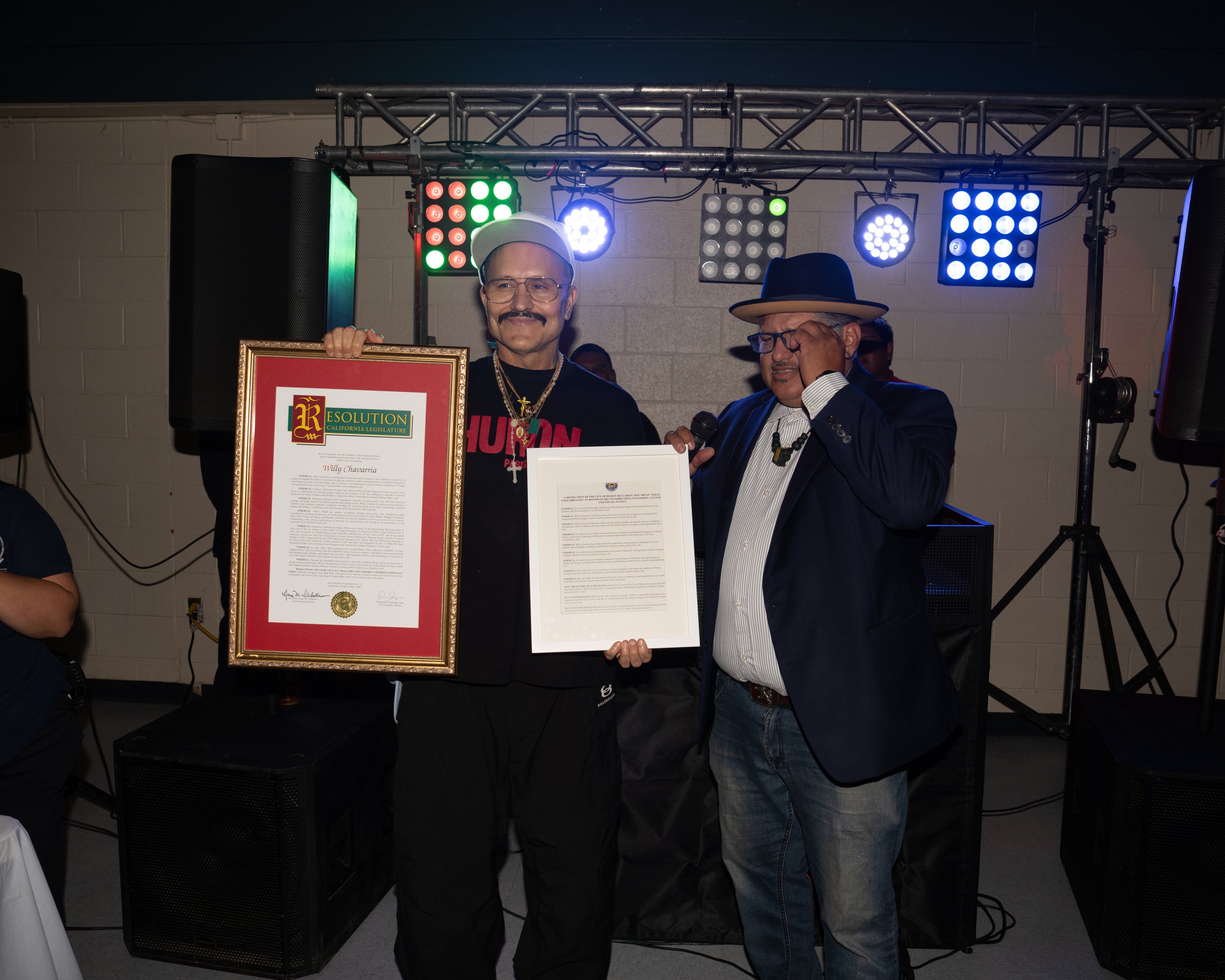
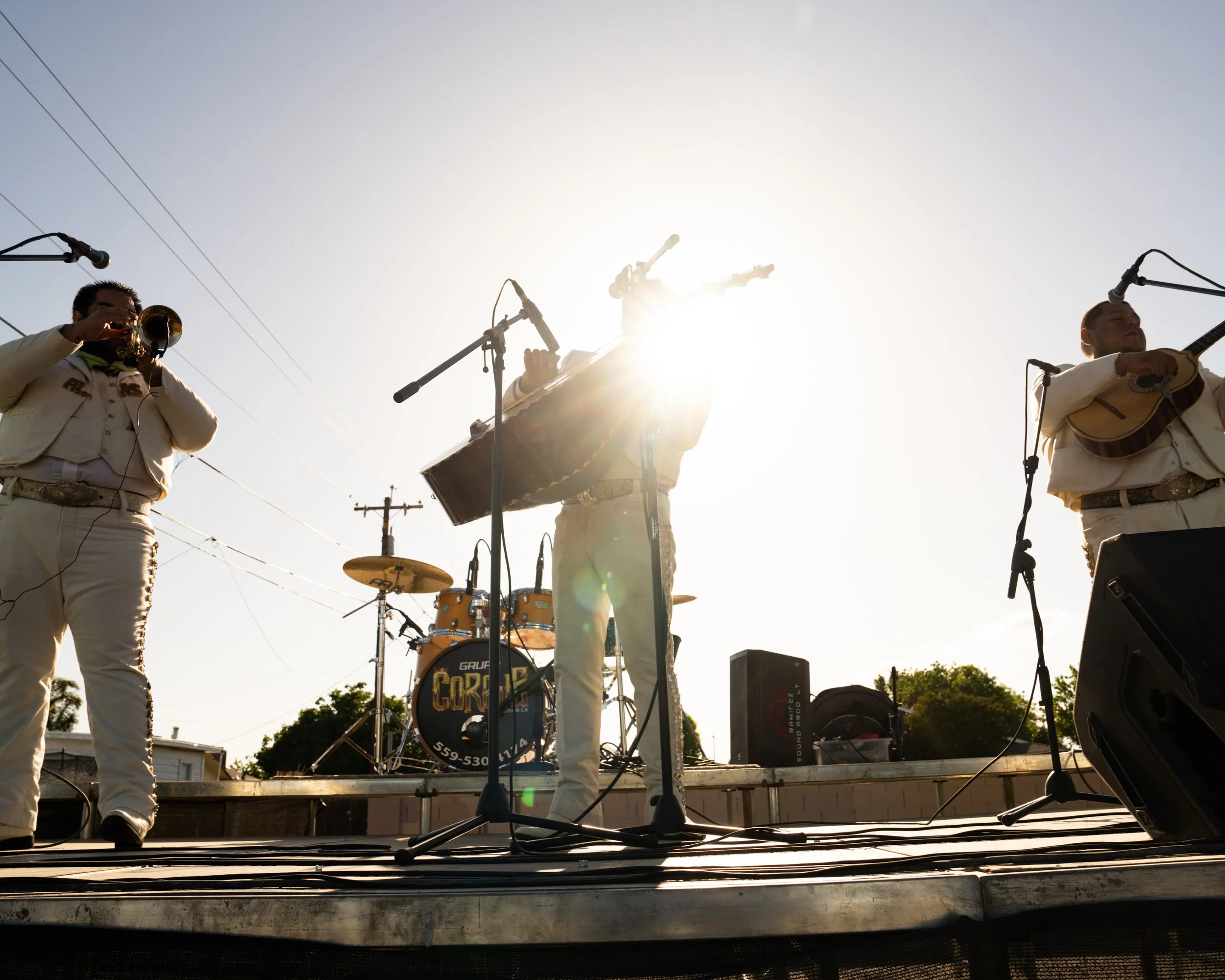
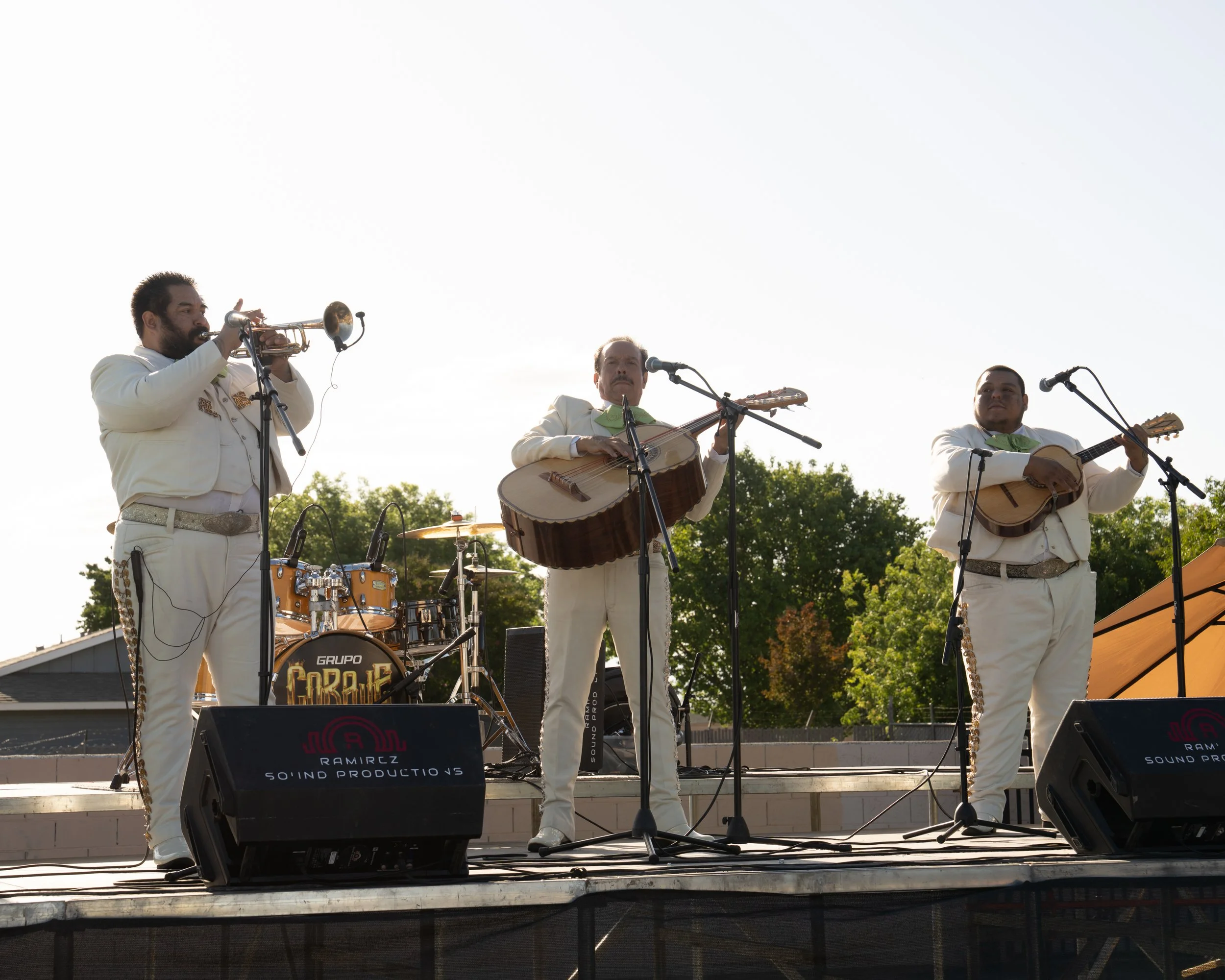
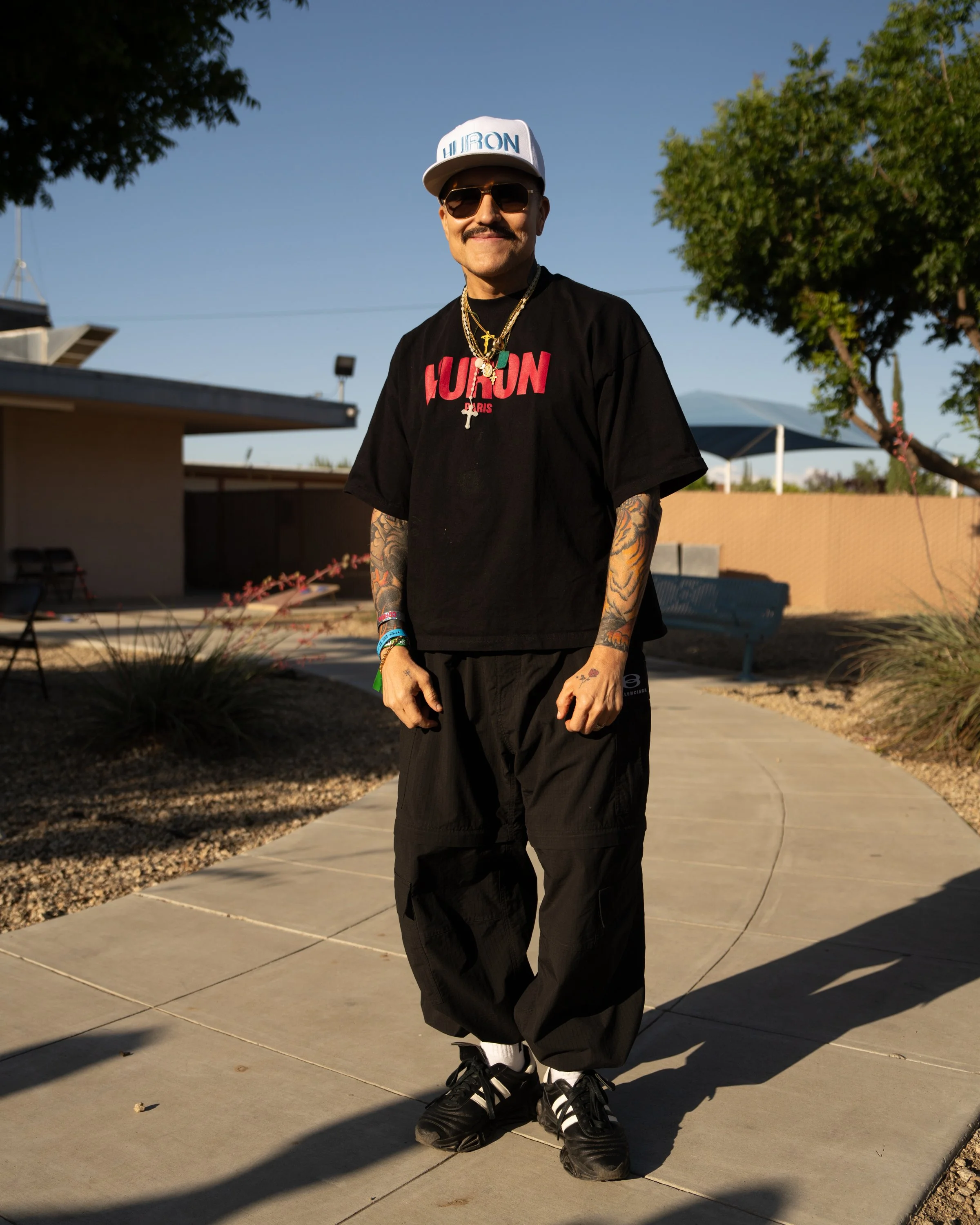
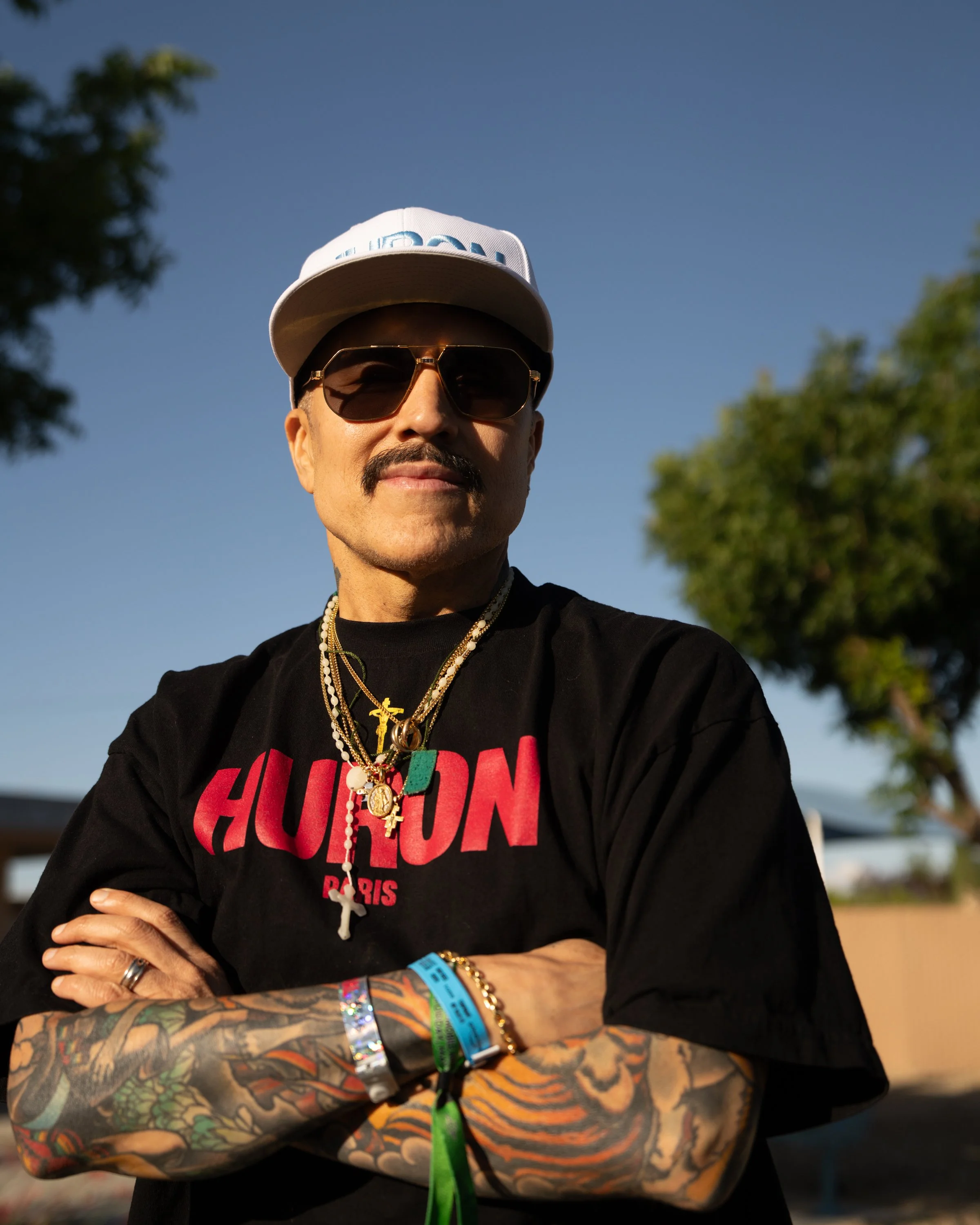
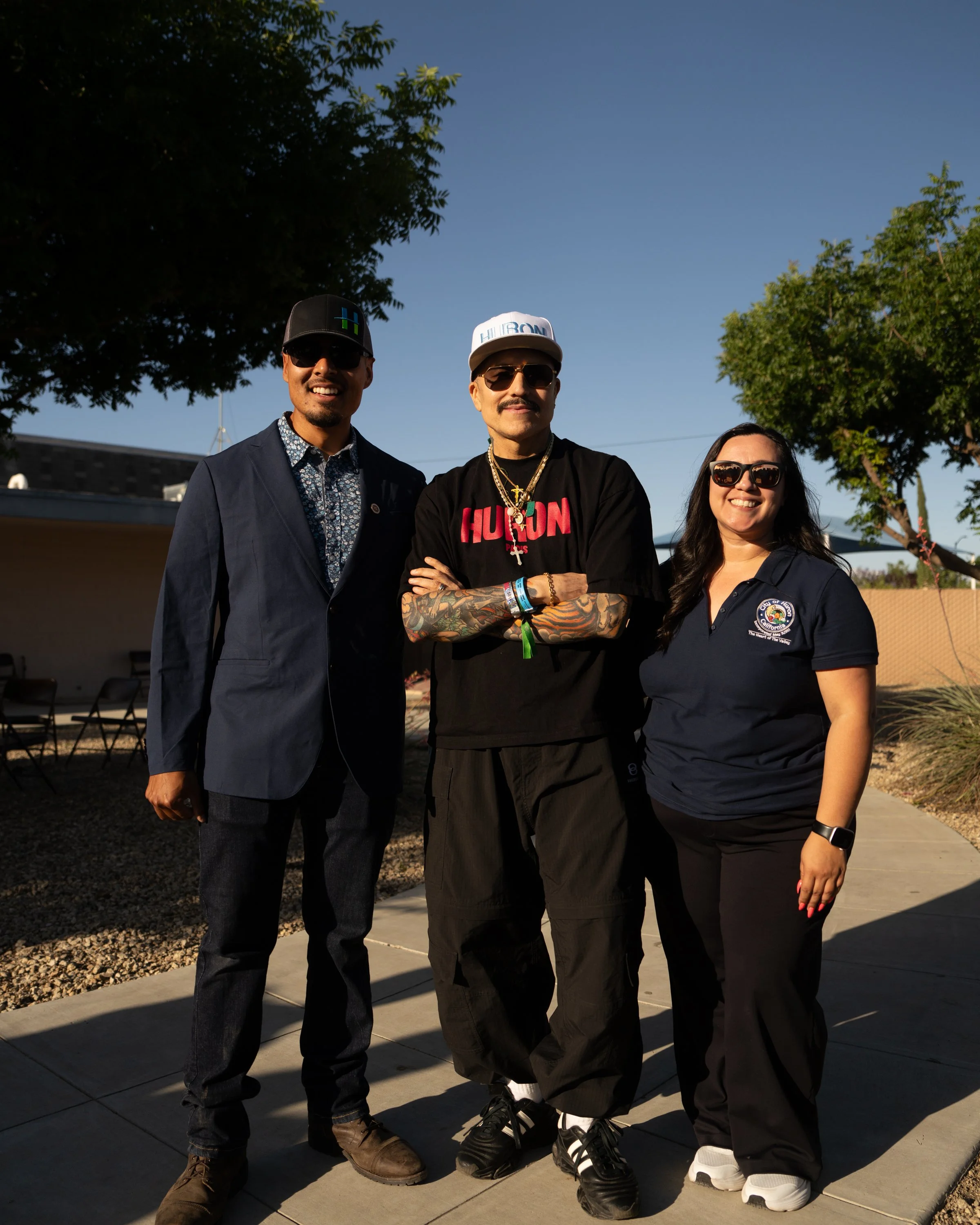
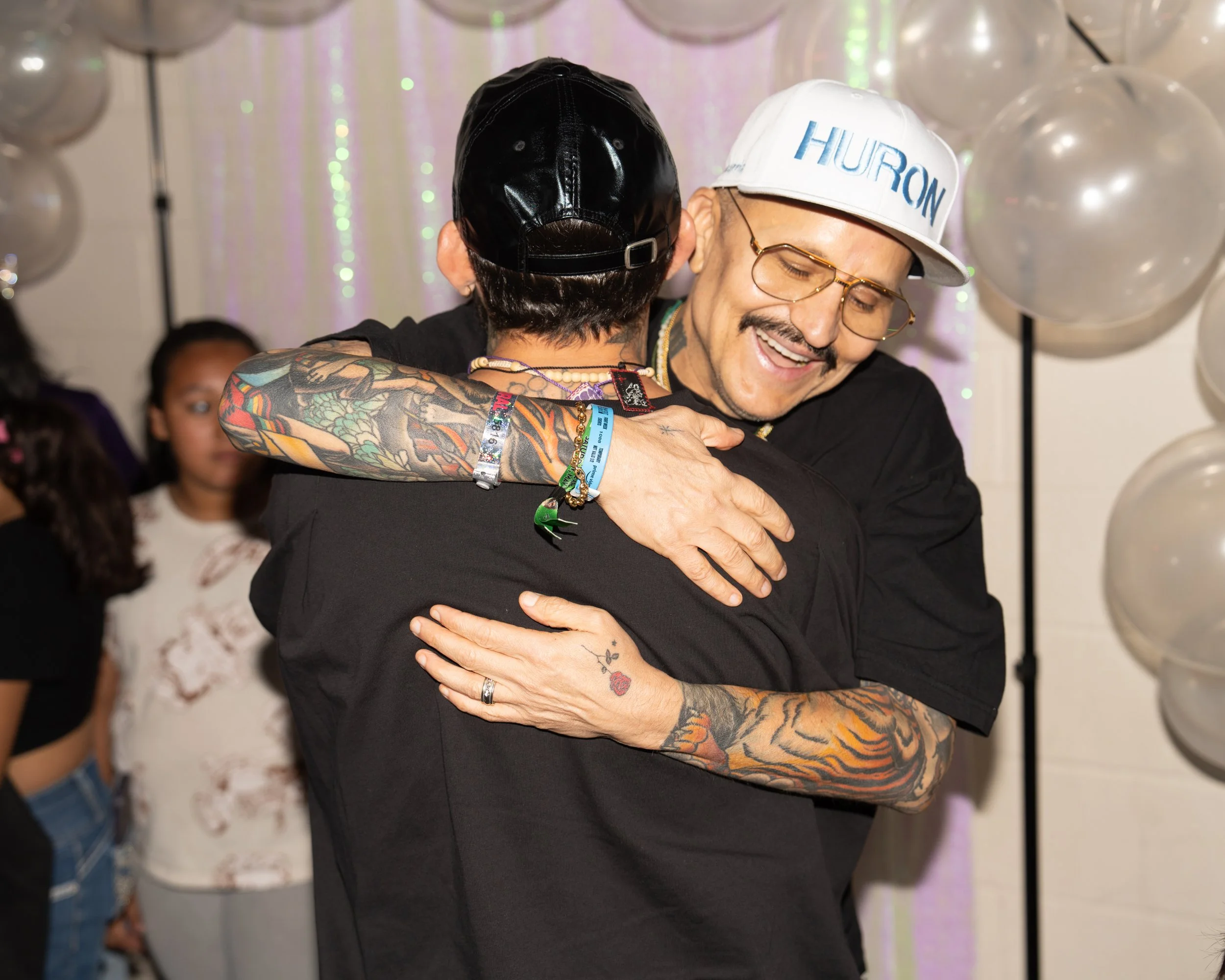
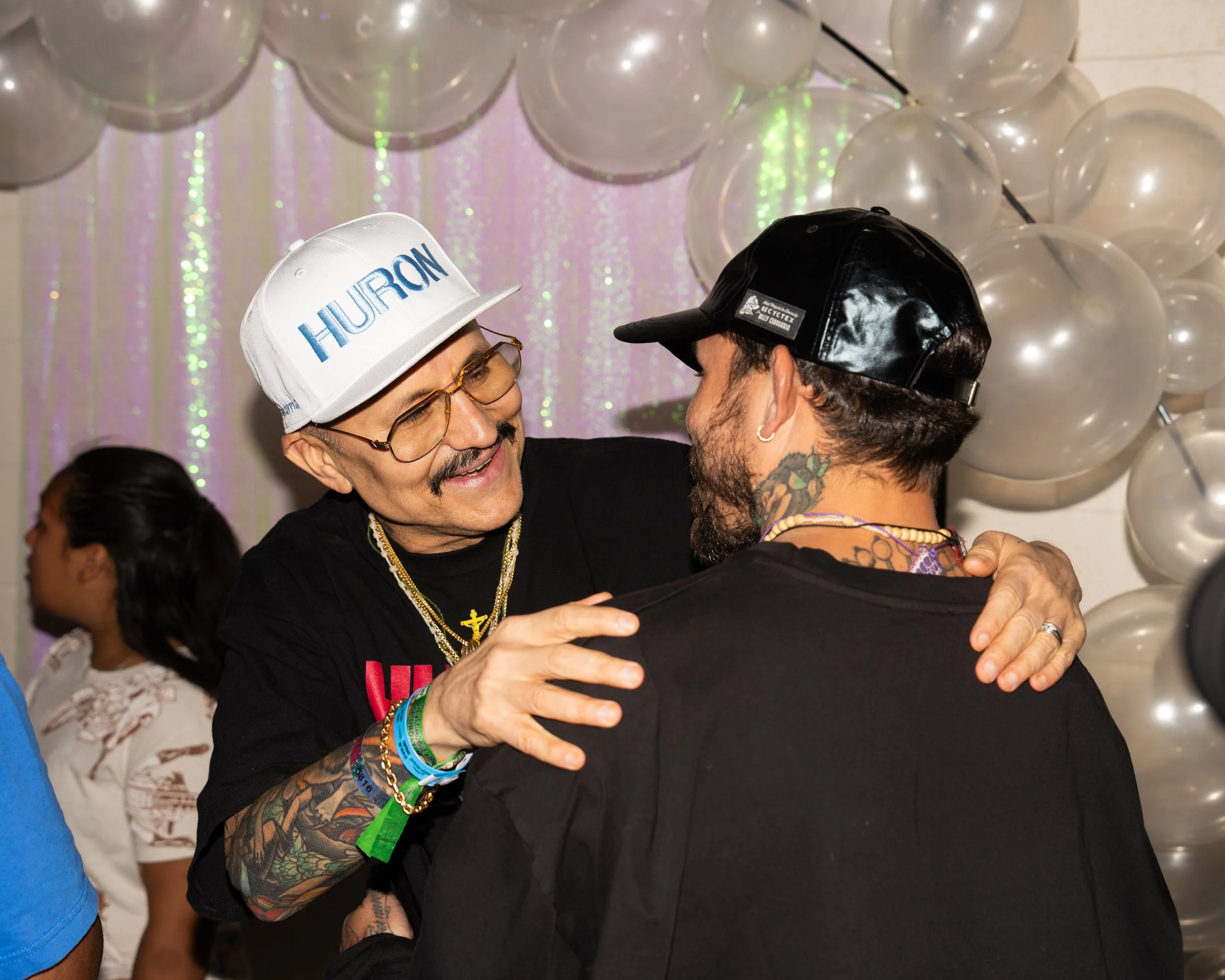
On May 3, 2026, the Huron did something rare in today’s cultural economy: it centered its own story. In proclaiming “Willy Chavarria Day,” the Central Valley farming town not only honored one of its most influential creative exports, but reframed the narrative around who gets to be seen—and on whose terms.
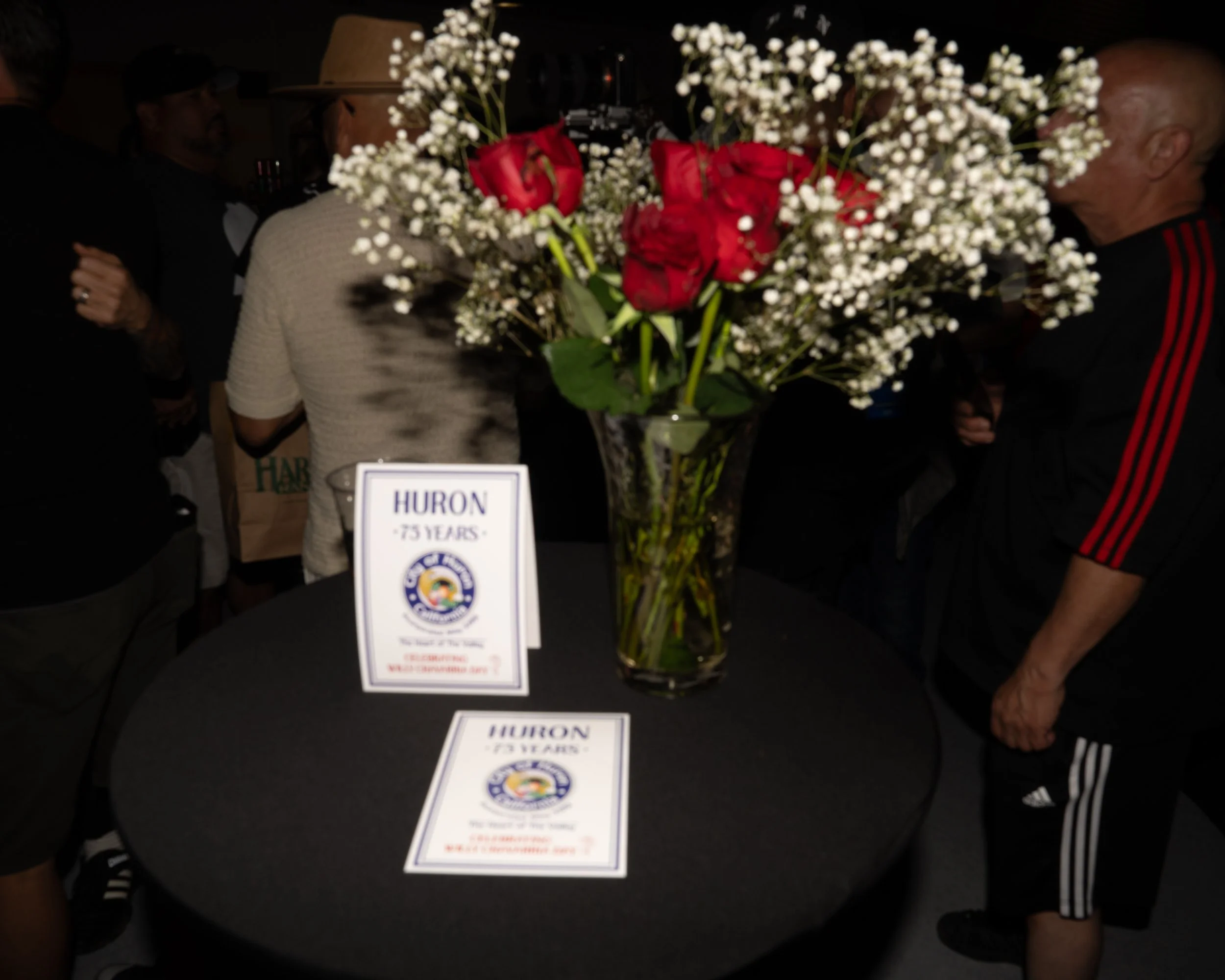
The date carried dual significance. It marked both the city’s 75th anniversary and a full-circle moment for Willy Chavarria, whose work has long drawn from the visual and emotional language of Huron’s working-class, immigrant backbone. In an industry that often extracts inspiration without reinvestment, this recognition functioned less as a ceremonial gesture and more as a recalibration of value.
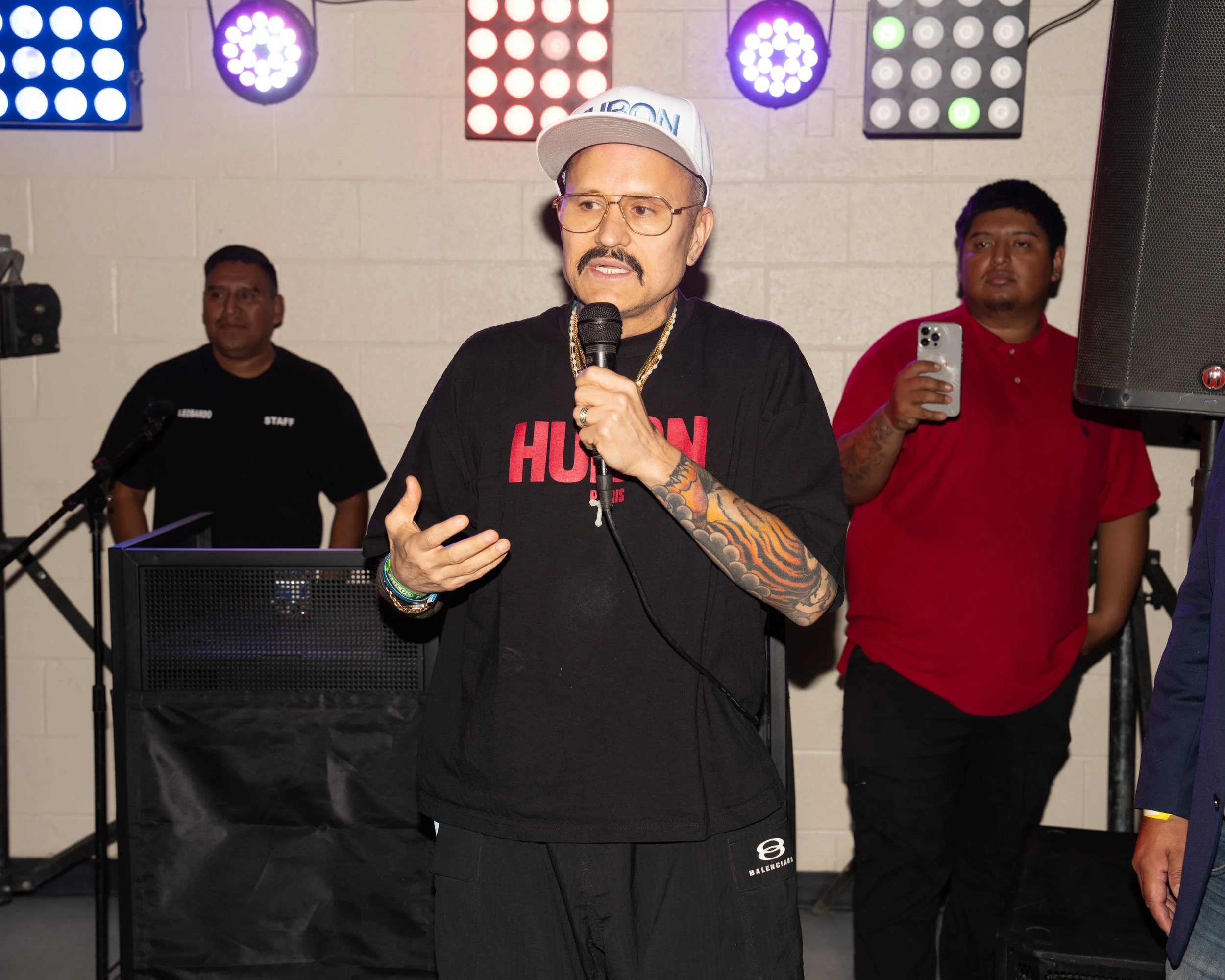
Chavarria’s design ethos—cinematic, political, and deeply human—has consistently resisted fashion’s tendency toward abstraction. His casting, storytelling, and silhouettes echo the people and places that shaped him: farmworkers, families, and the quiet dignity embedded in everyday life. That perspective was formalized in Heart of the Valley, his 2025 documentary created with photographer Carlos Jaramillo. Initially introduced in tandem with his Spring/Summer 2026 Paris presentation, the film arrived at a moment when immigration discourse in the United States was reaching a fever pitch. Rather than respond rhetorically, Chavarria offered something more enduring—visibility with context.
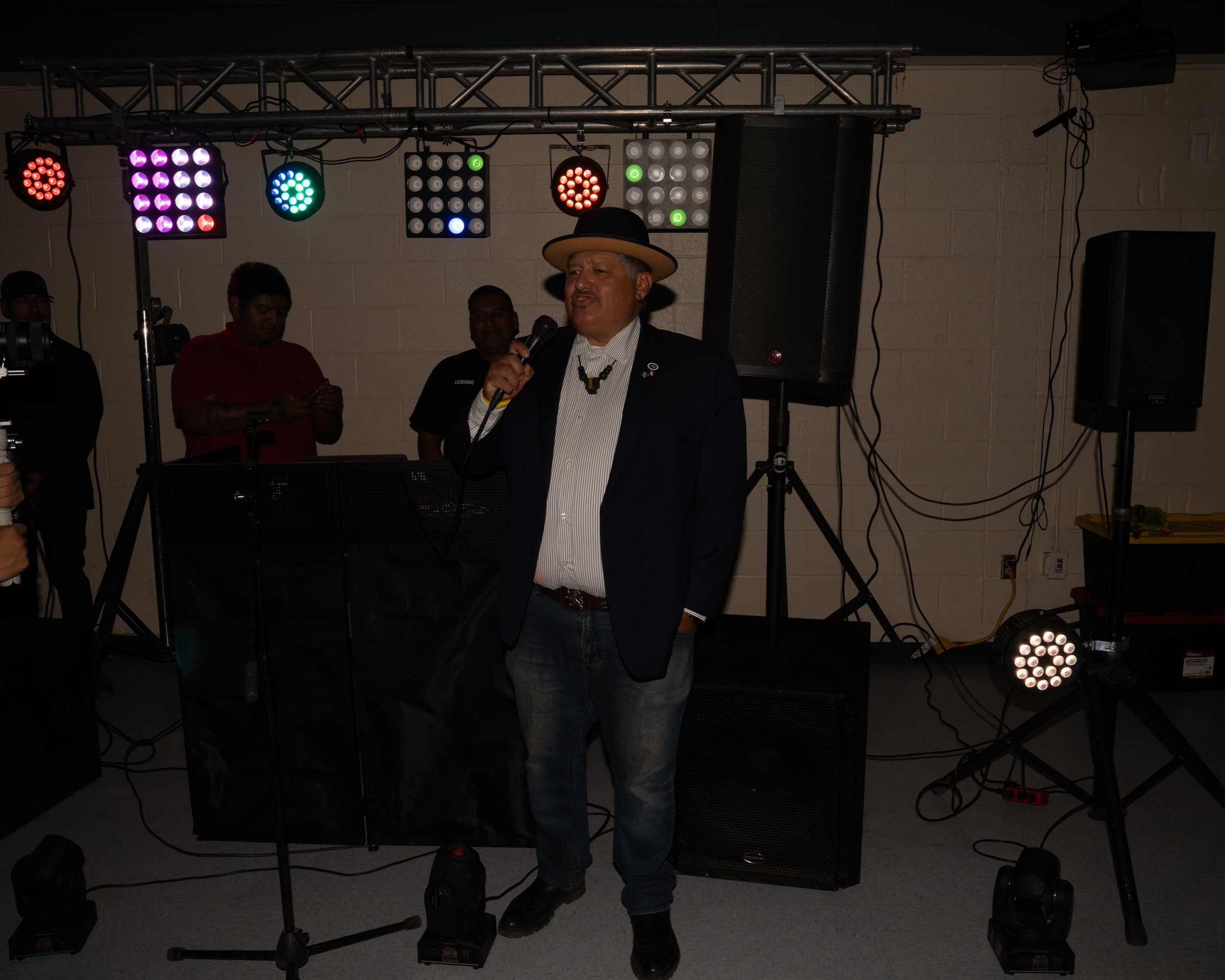
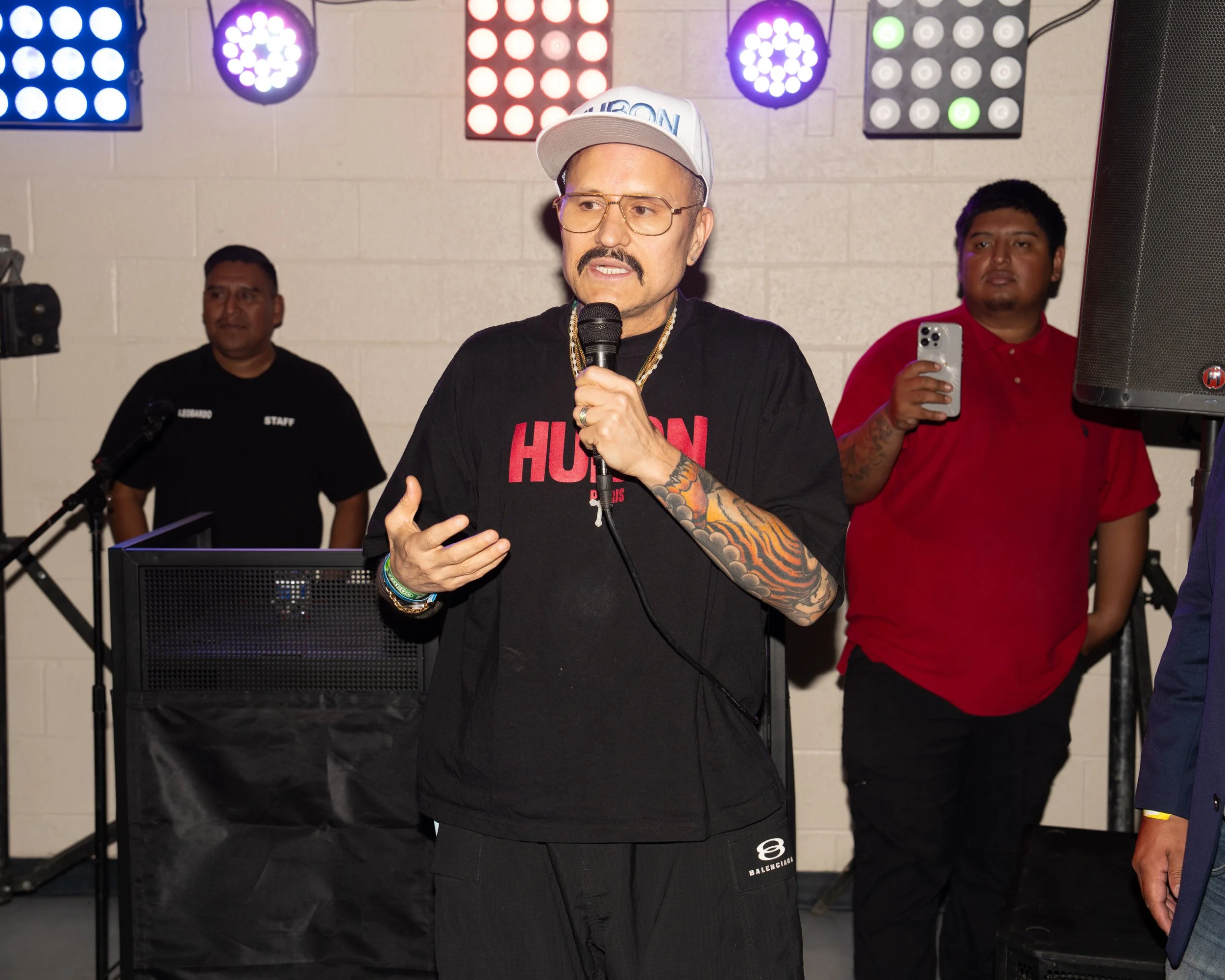
“Huron exists in the most fundamental parts of my being,” Chavarria shared during the ceremony, grounding the moment in familial lineage and collective memory. It’s a sentiment that underscores the throughline of his career: a commitment to honoring origin without romanticizing it.
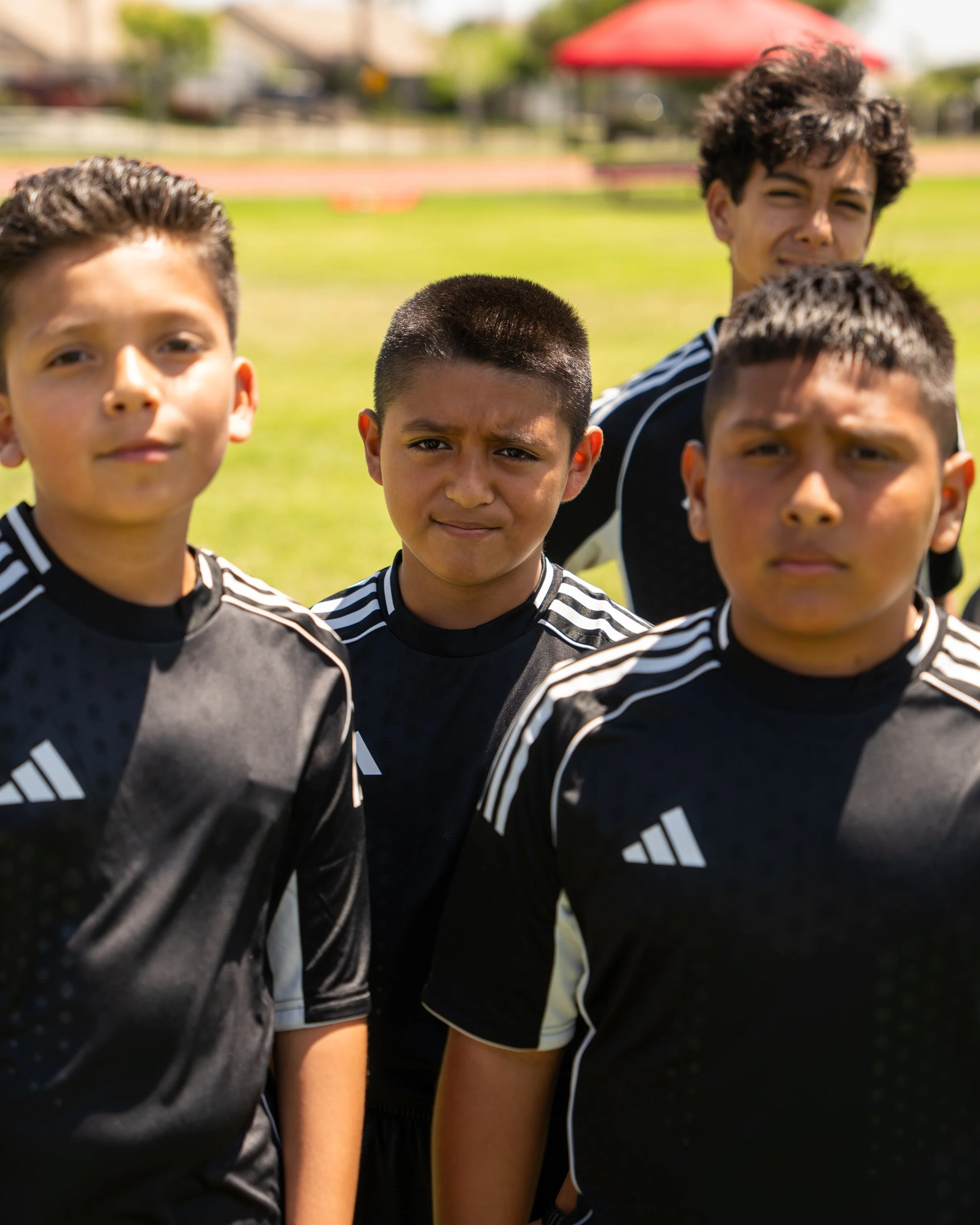
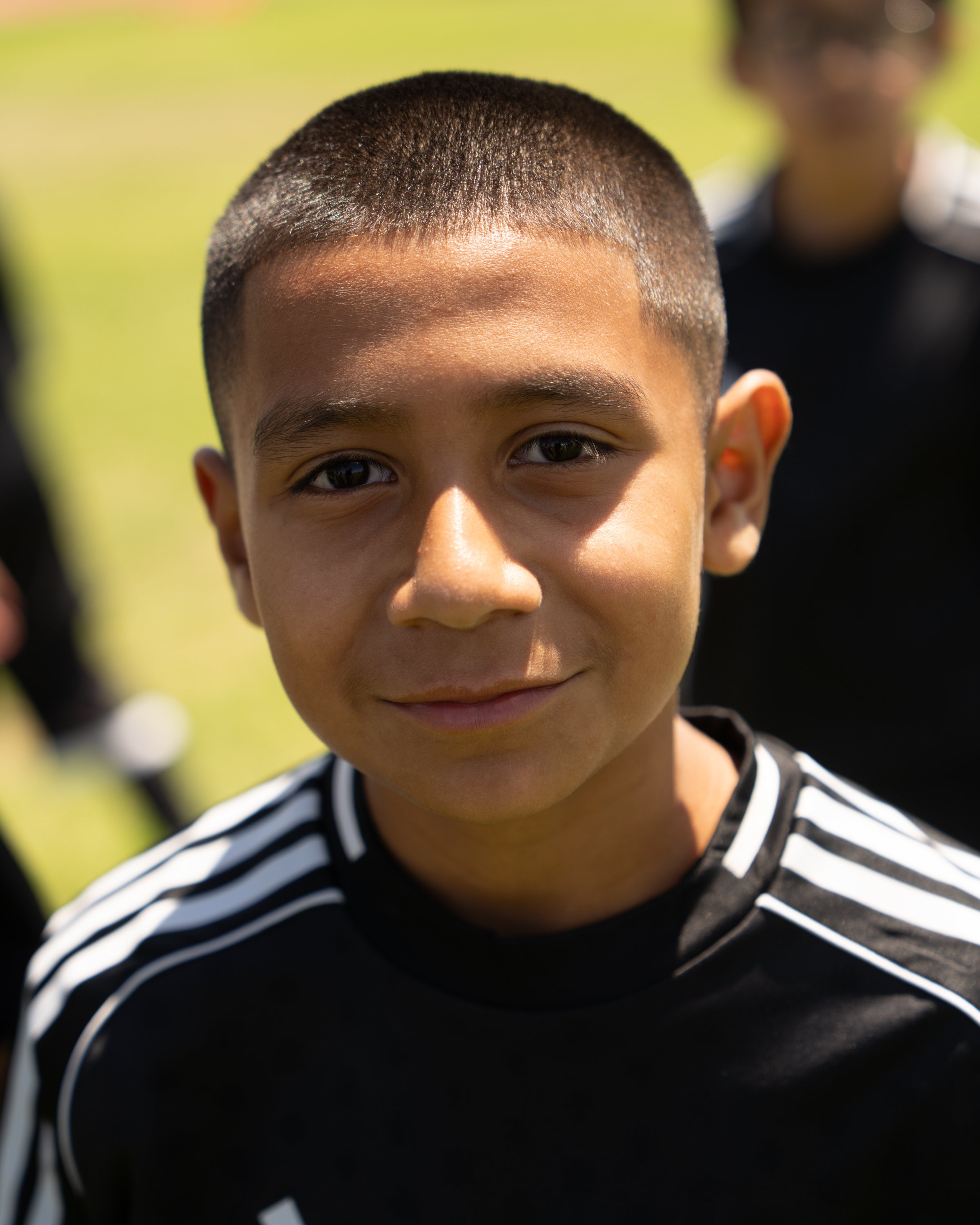
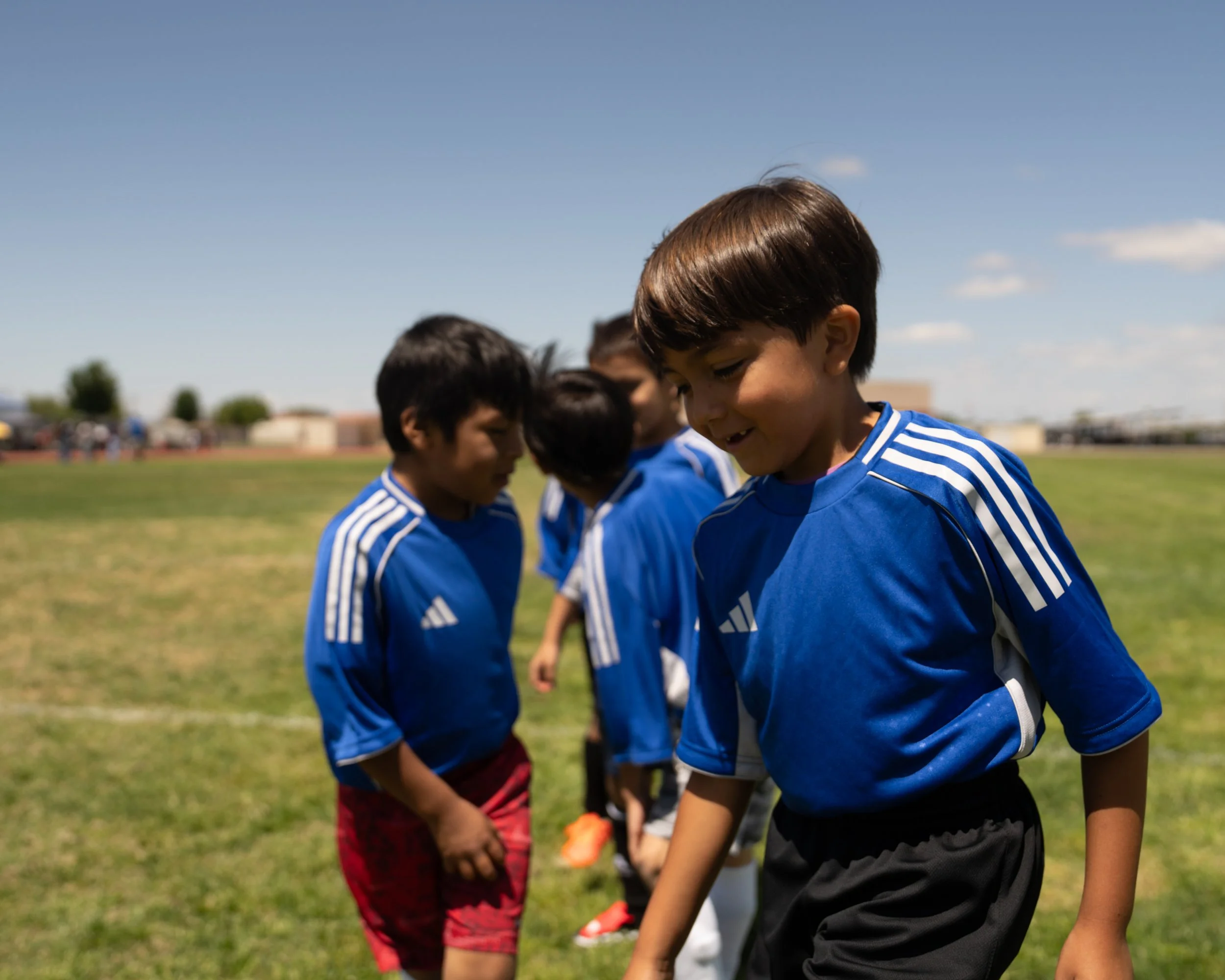
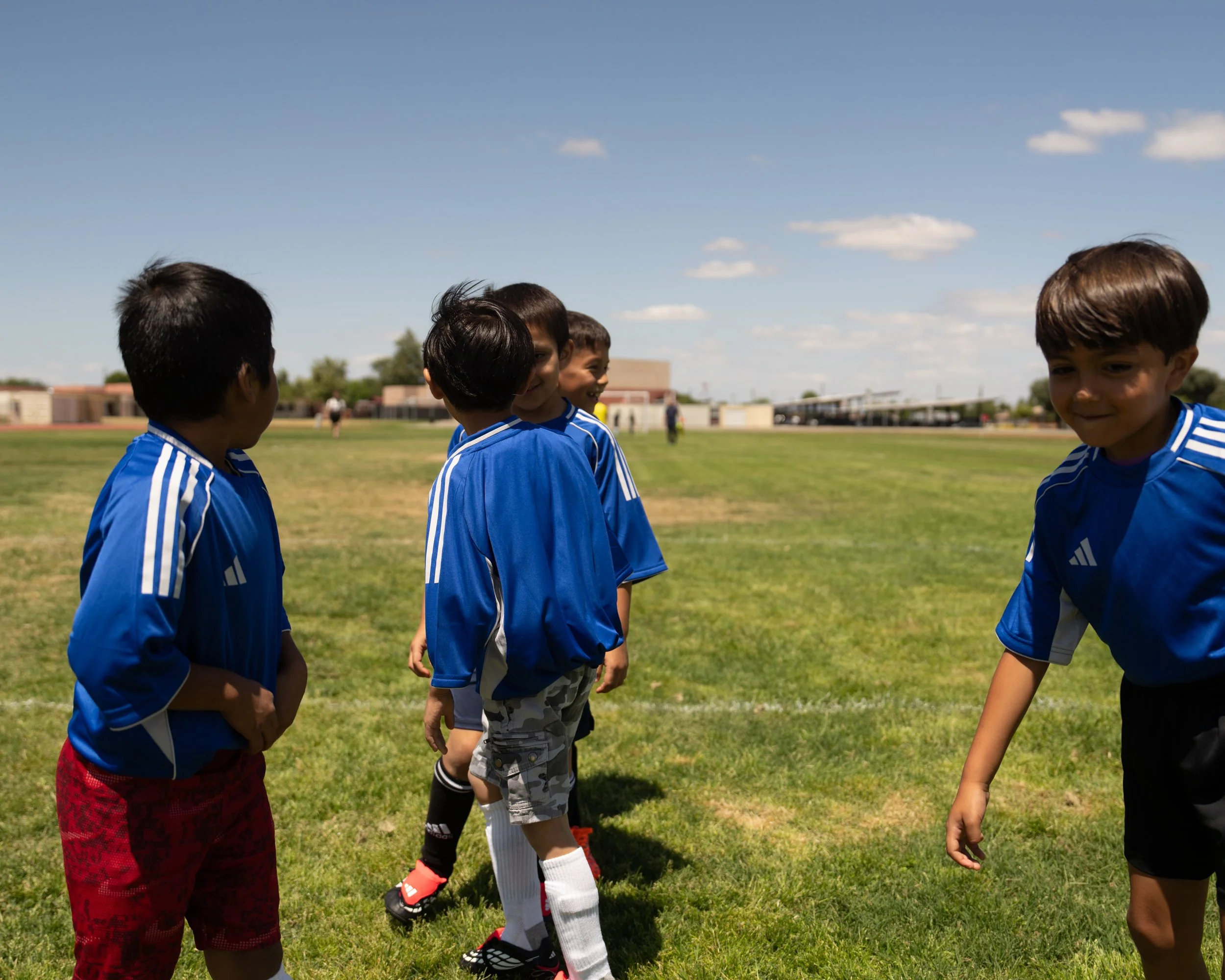
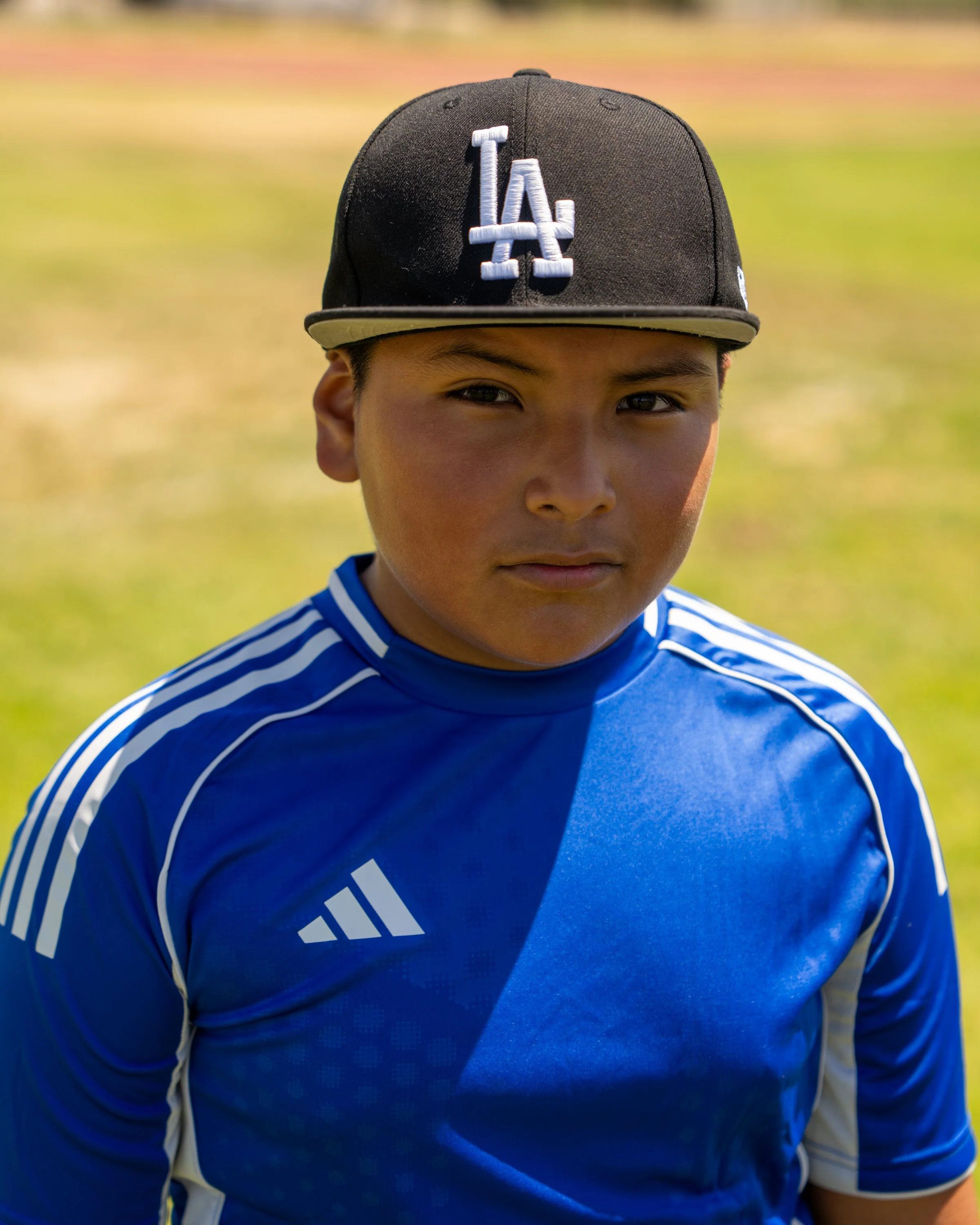
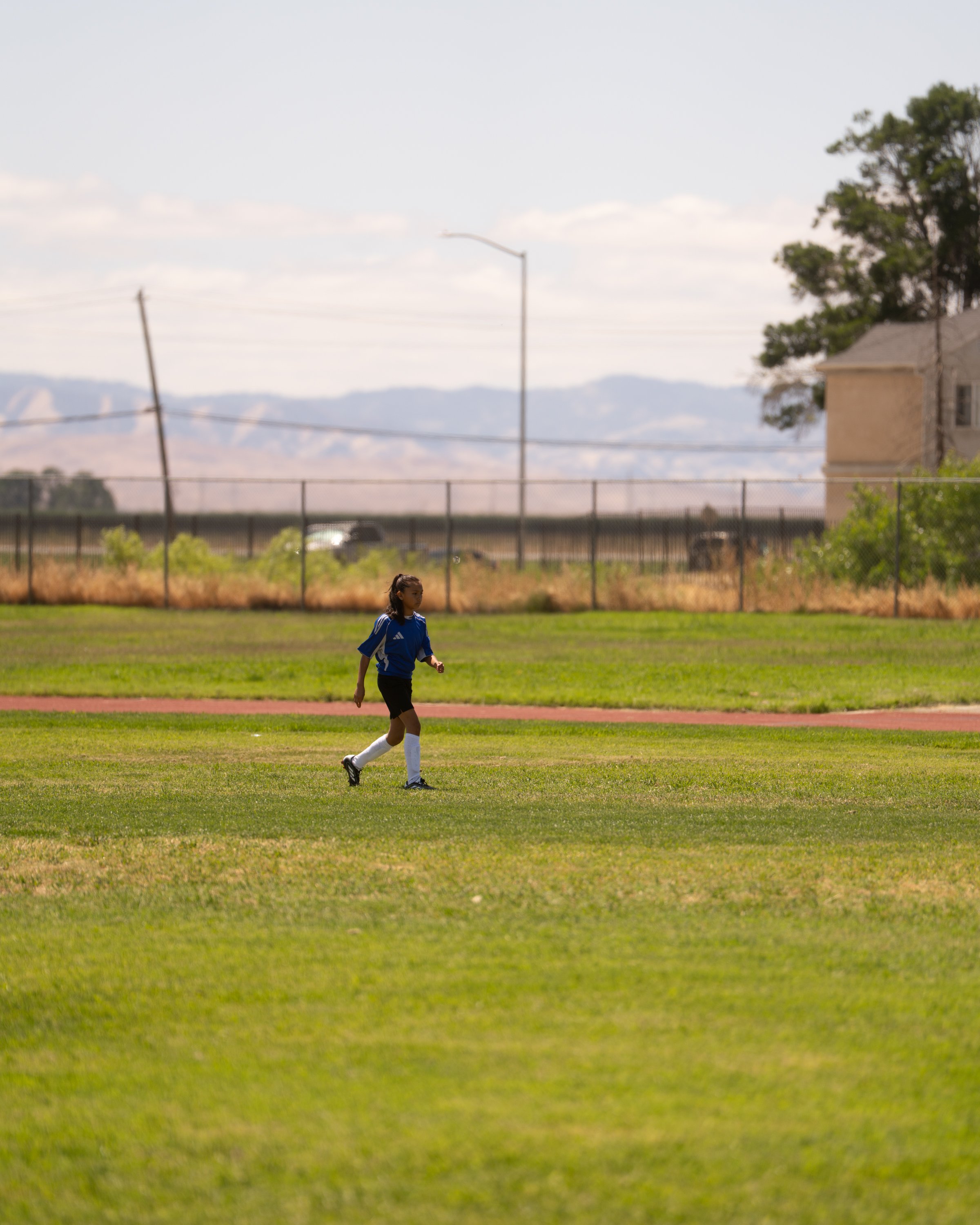
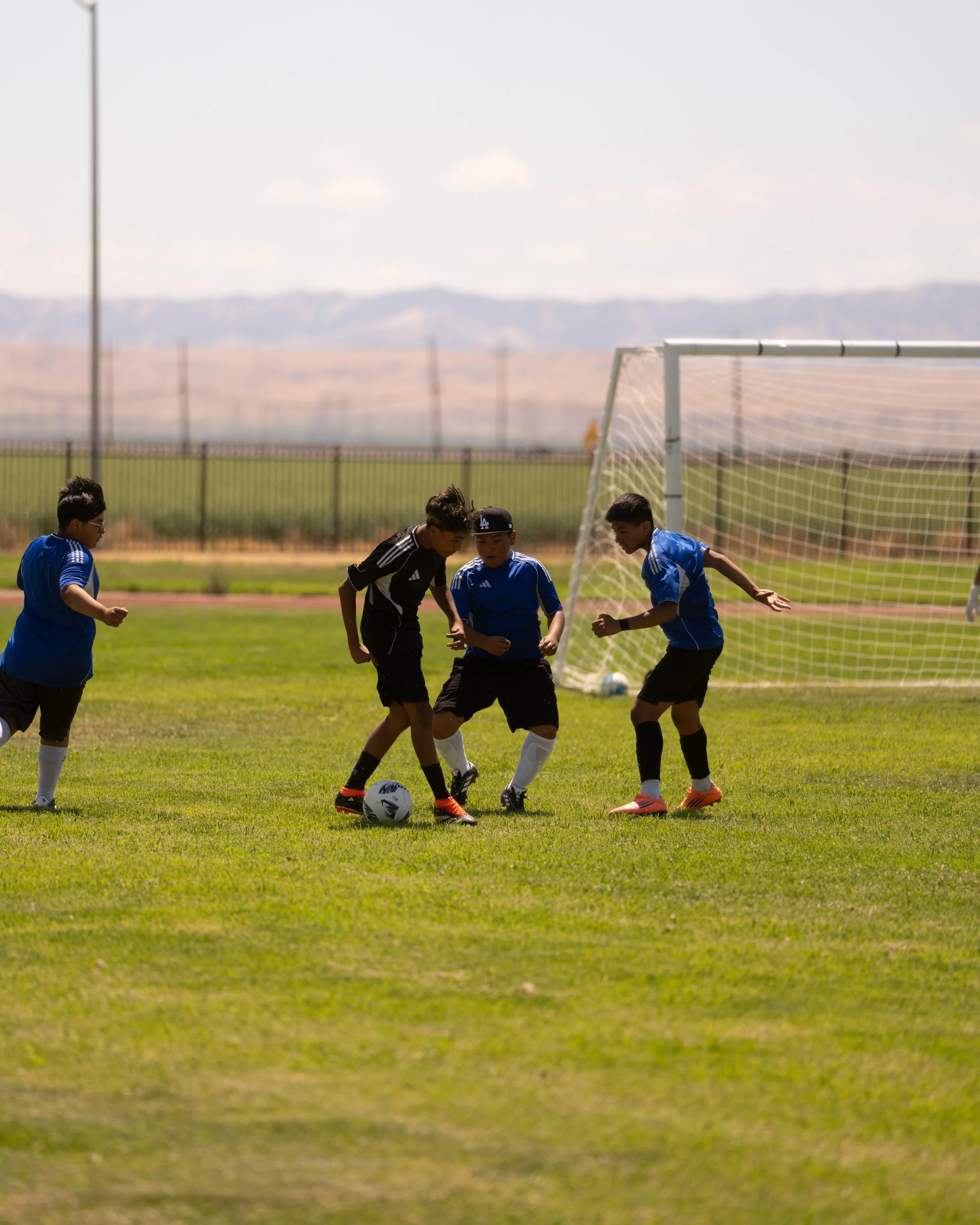
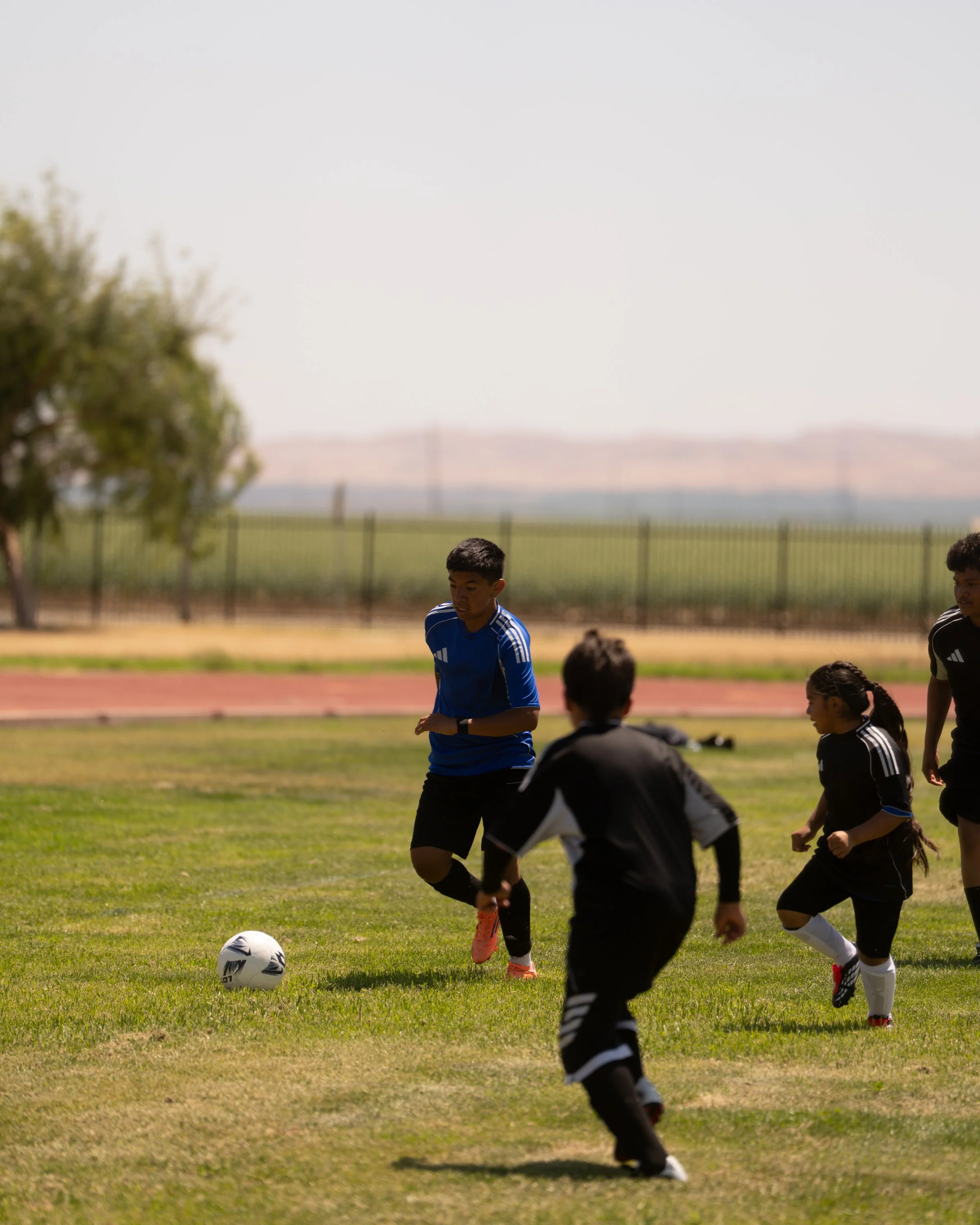
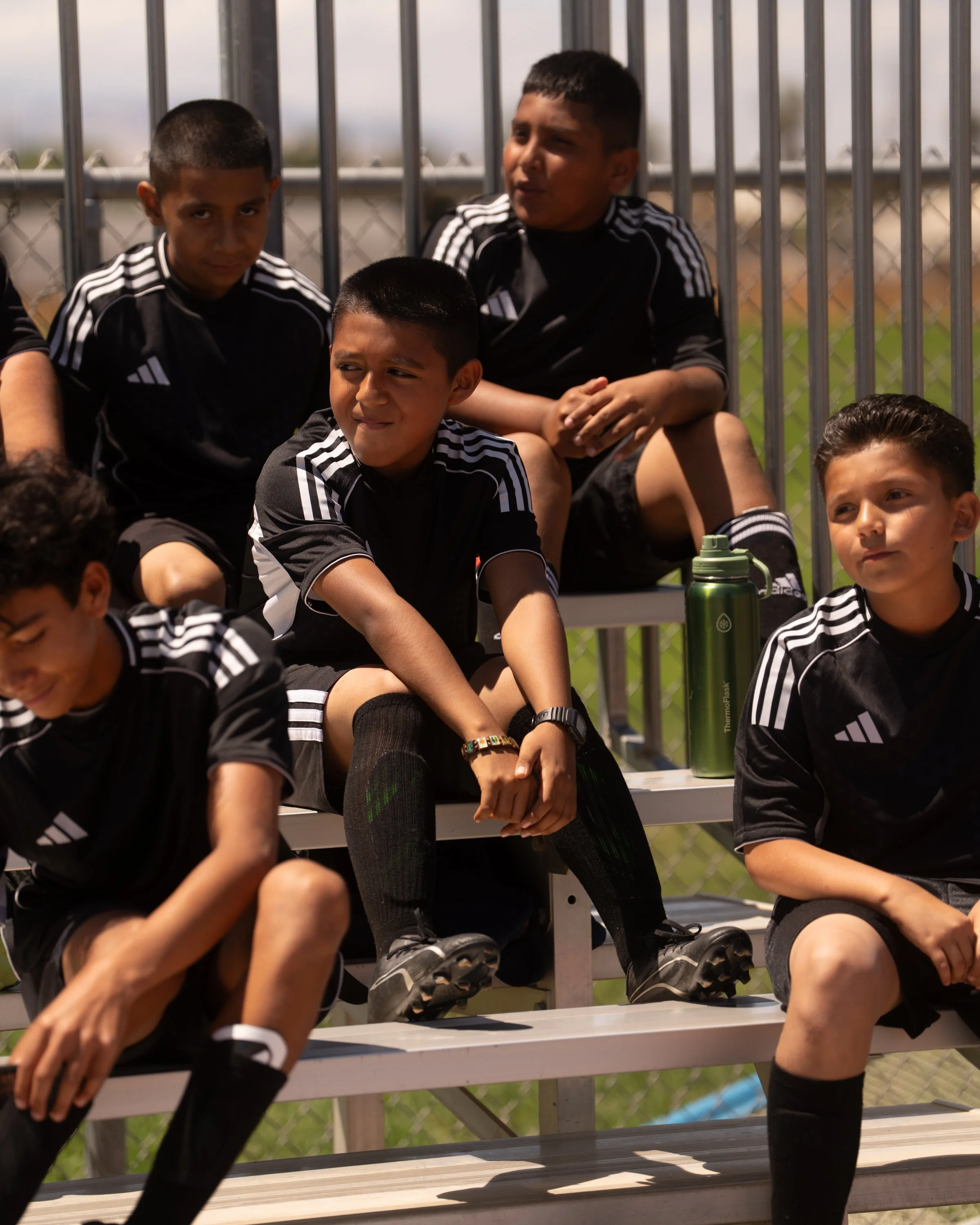
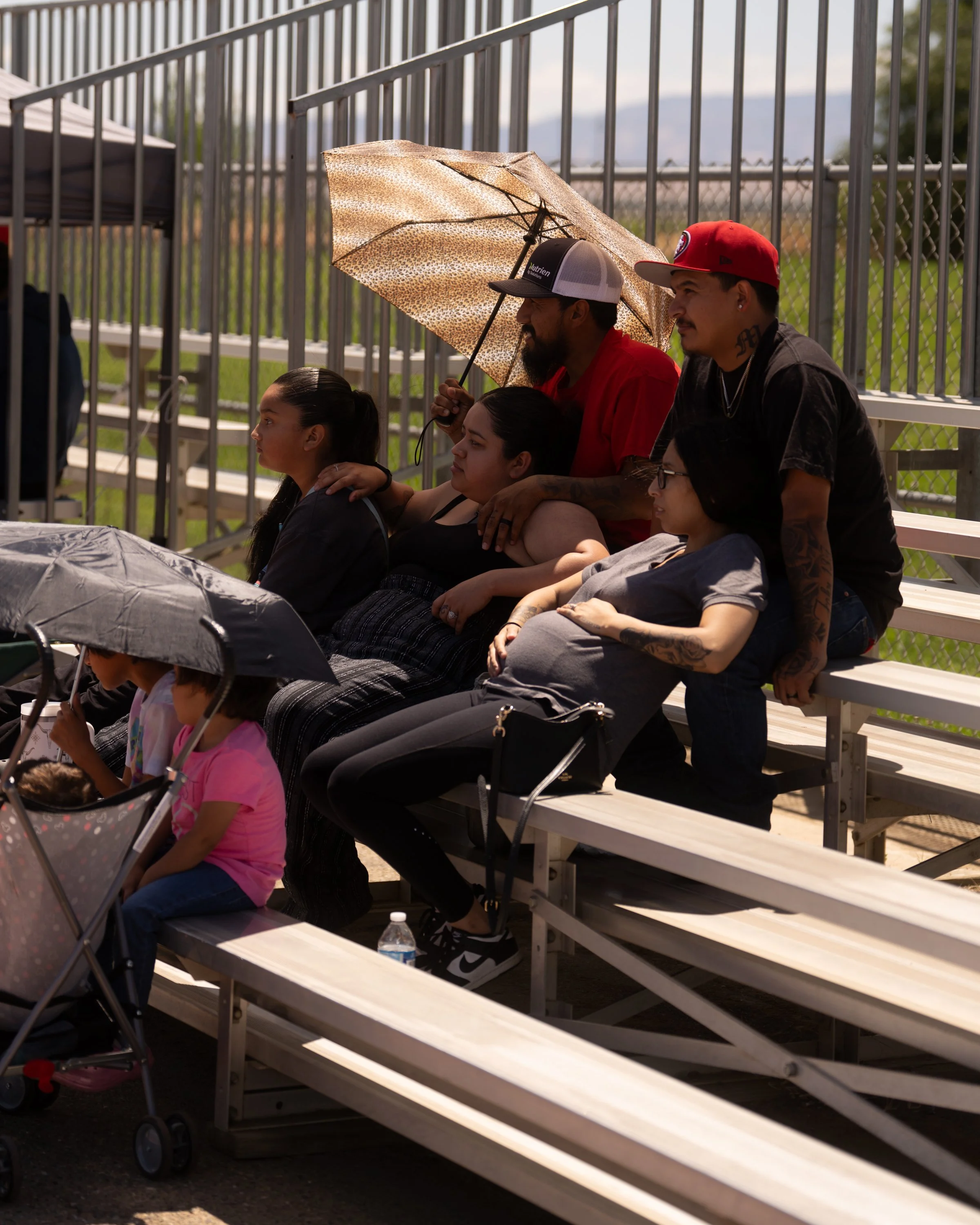
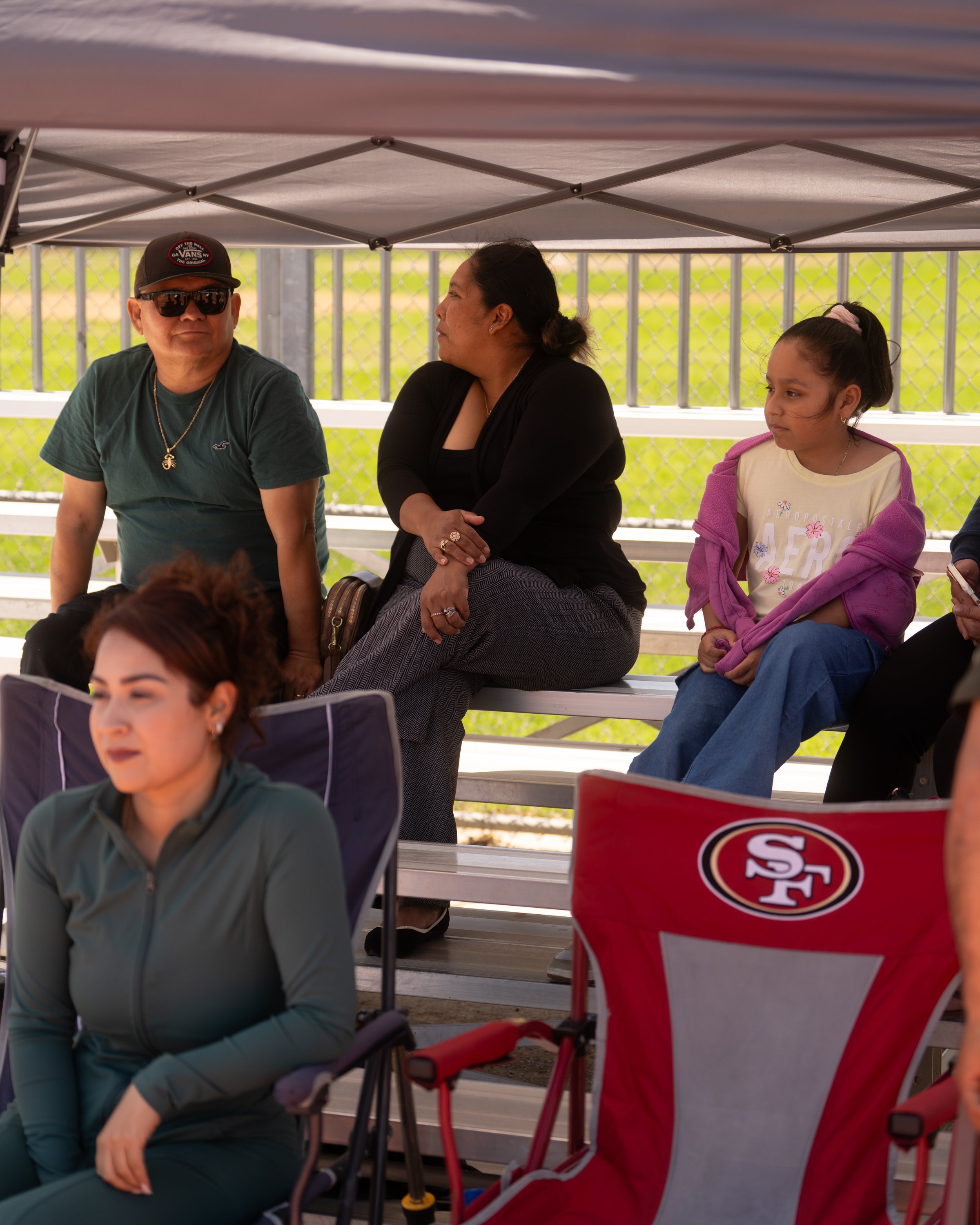
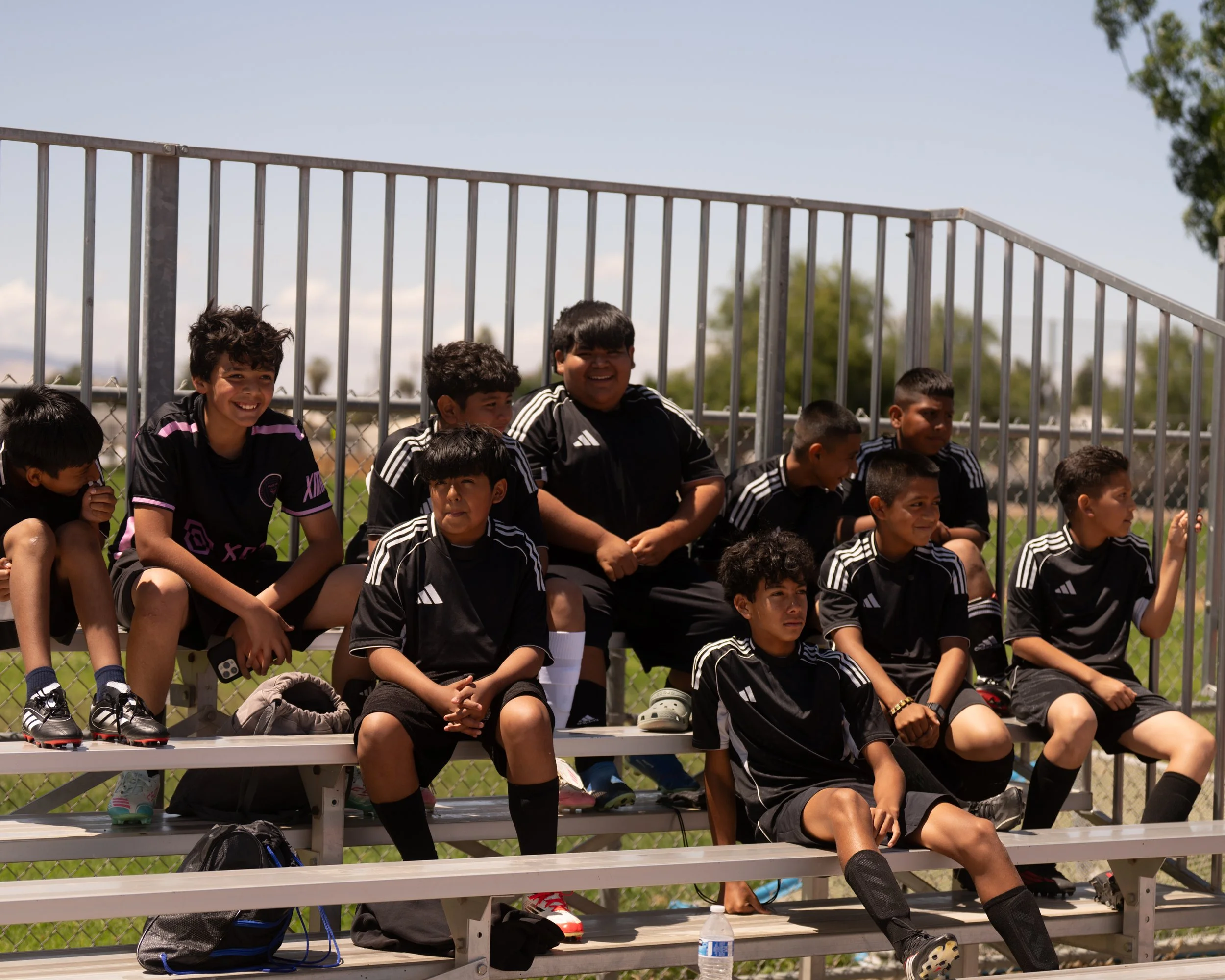
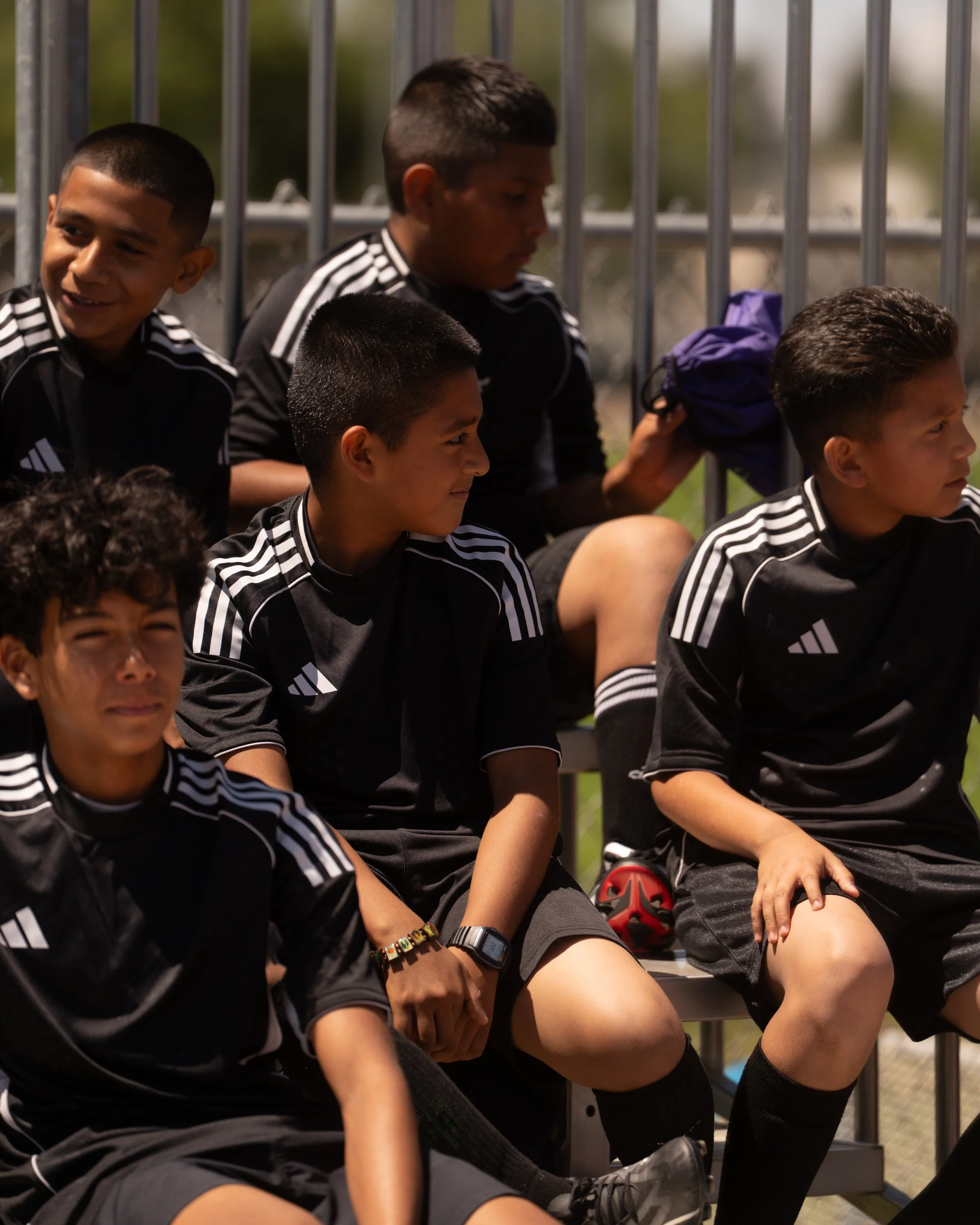
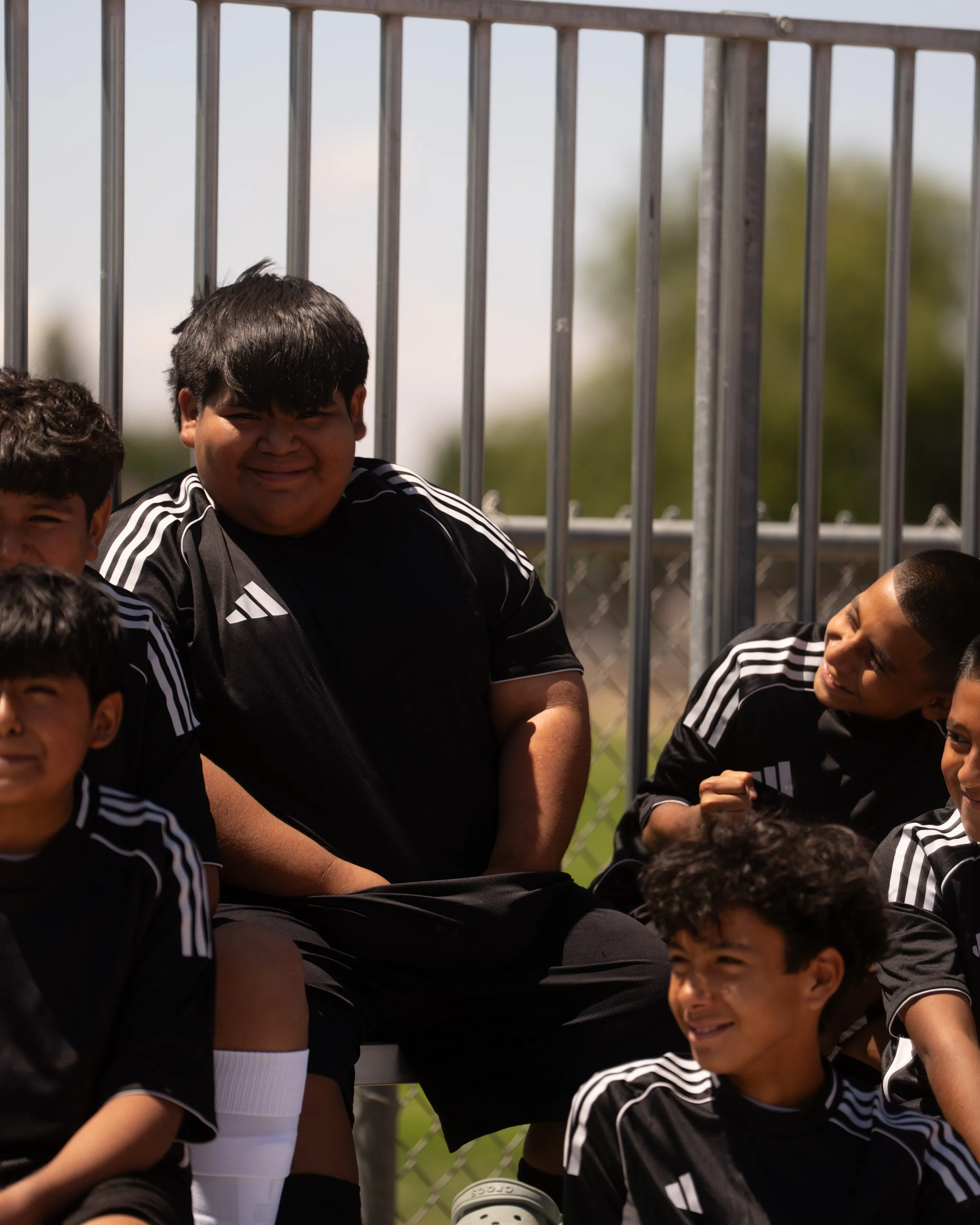
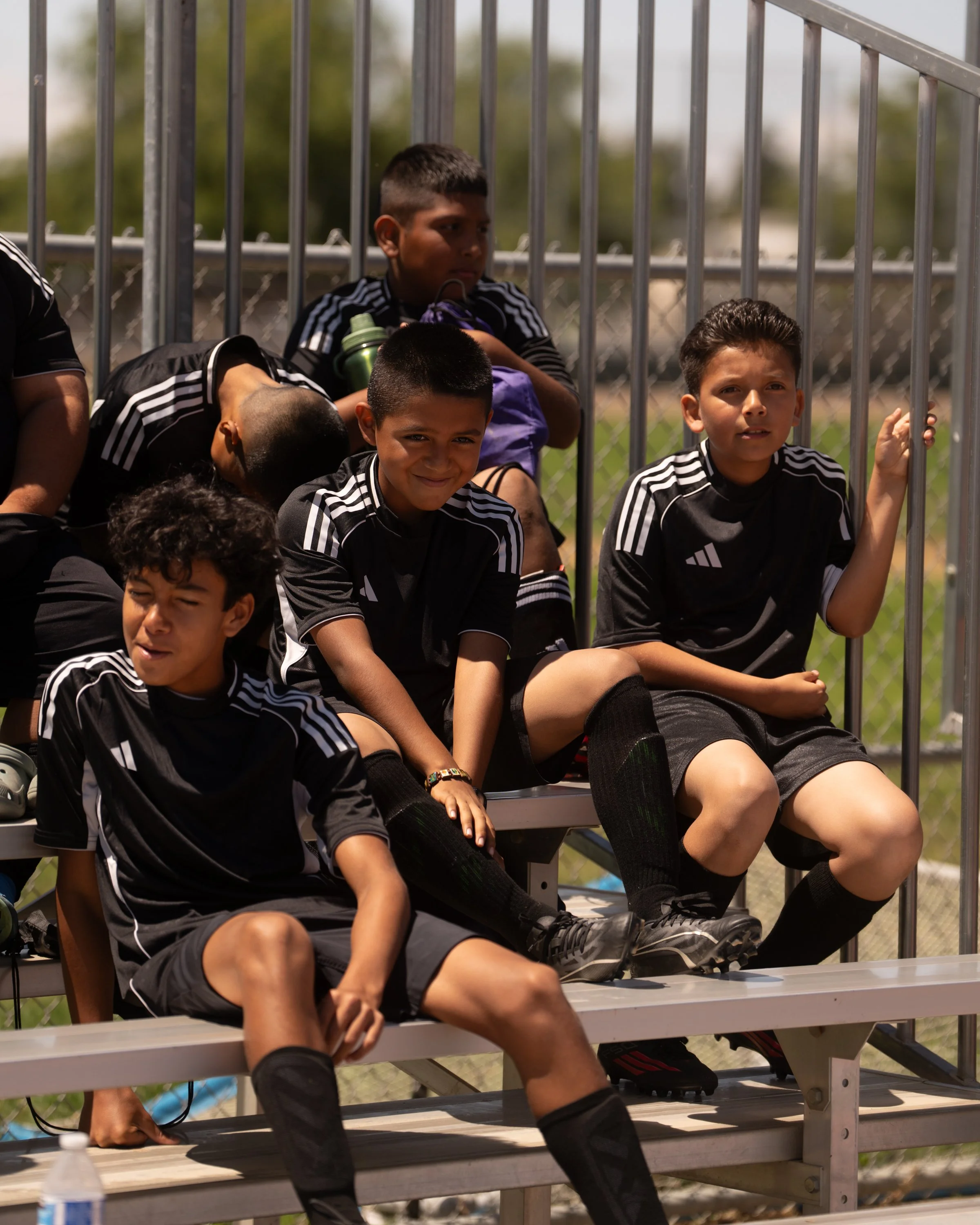
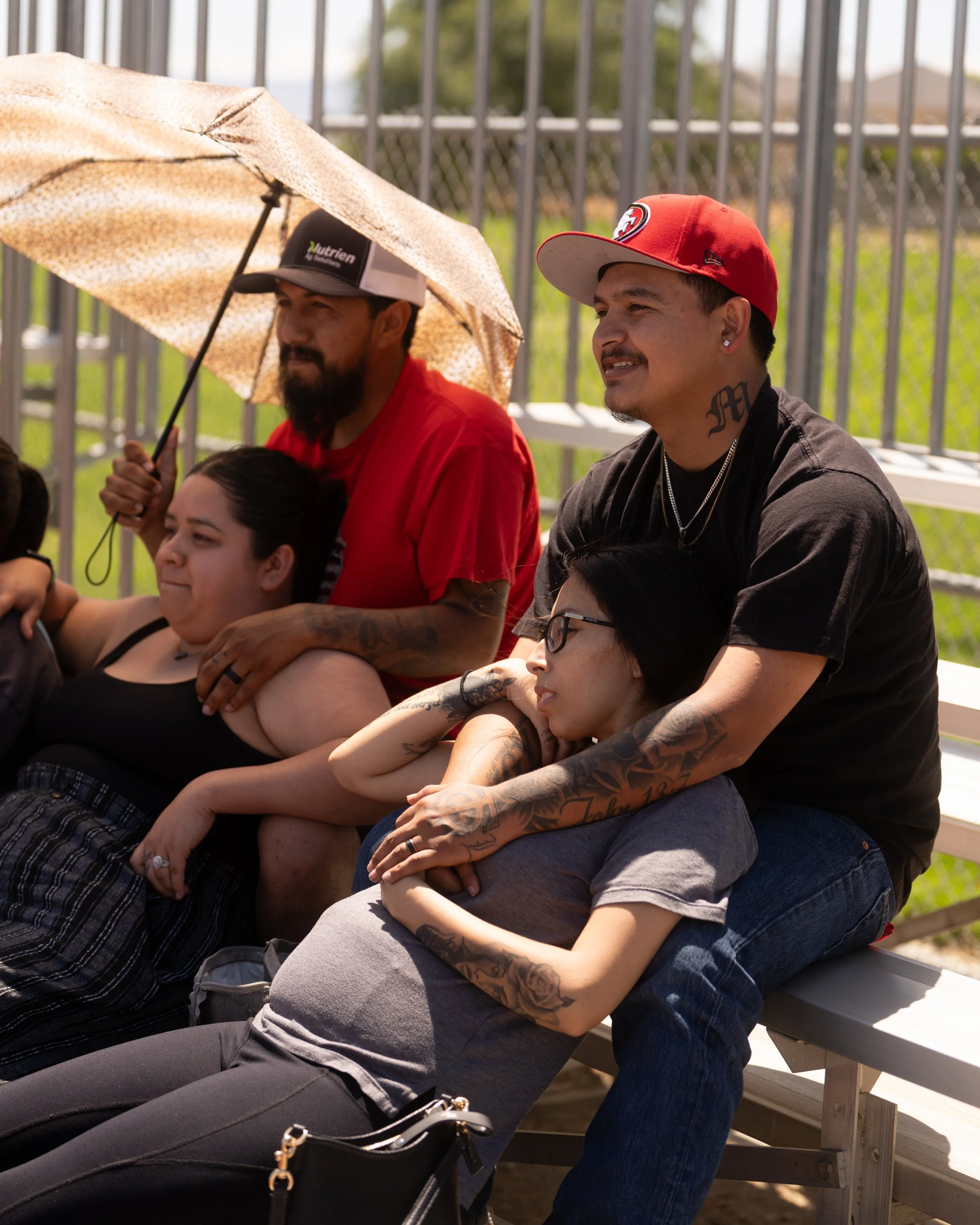
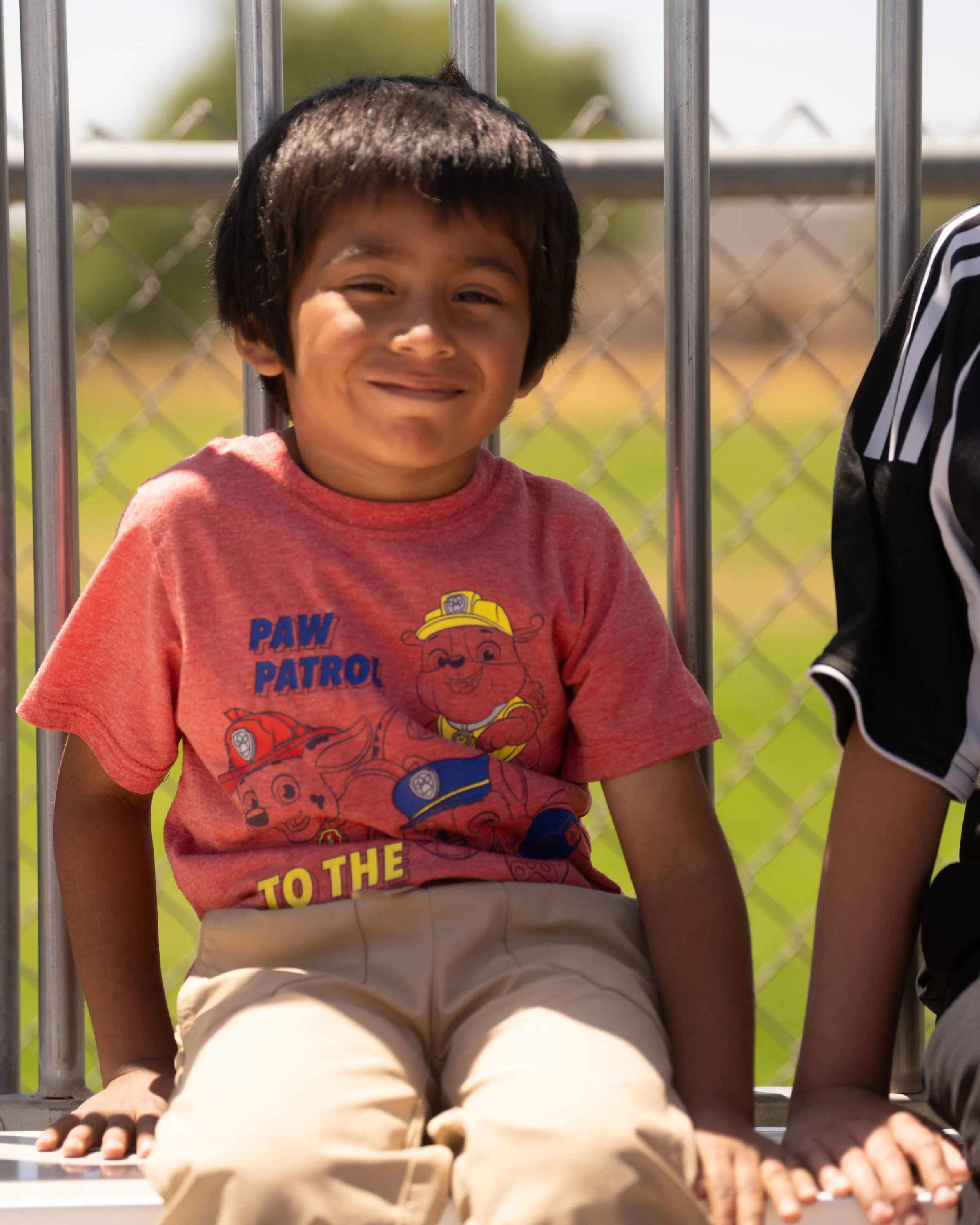
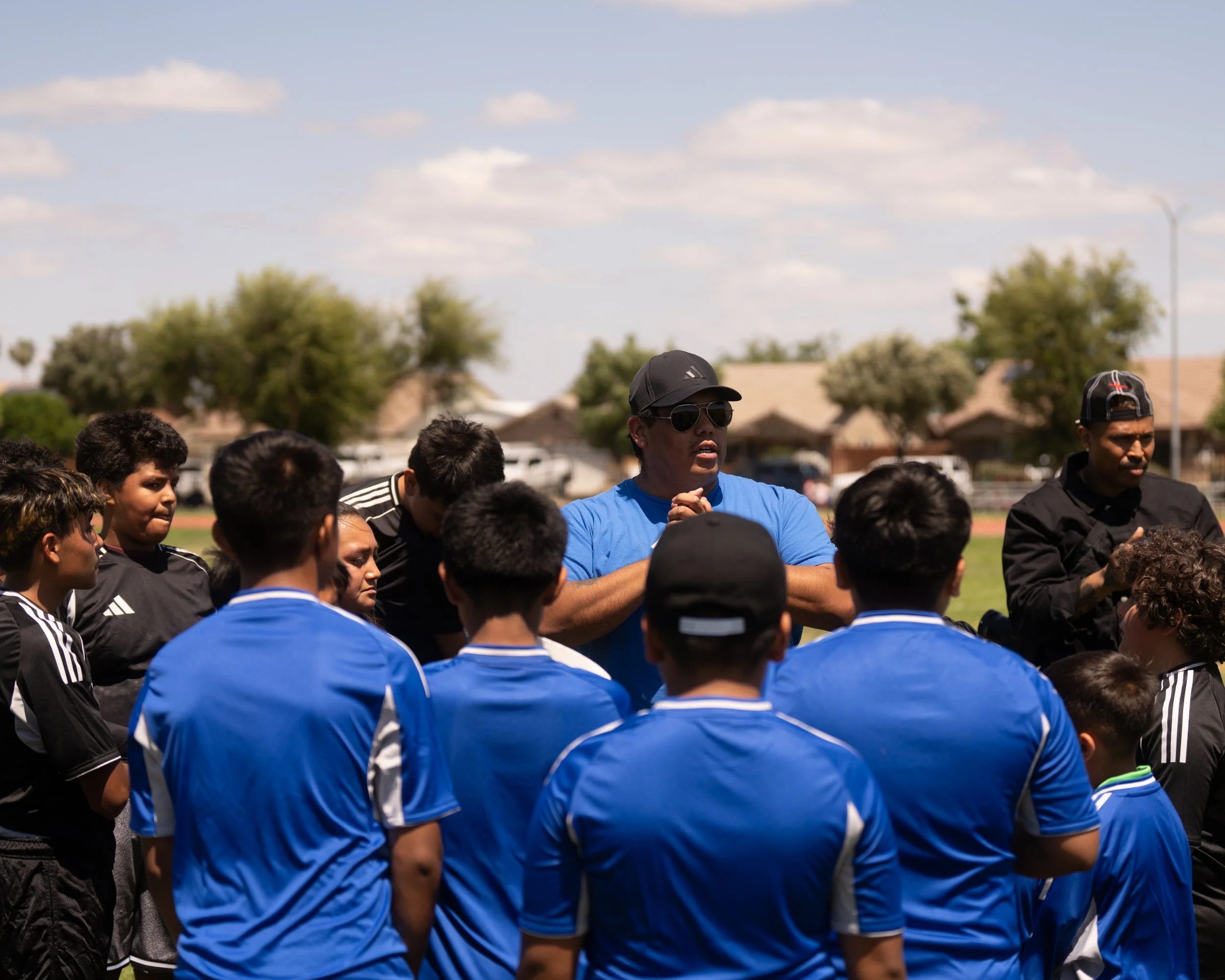
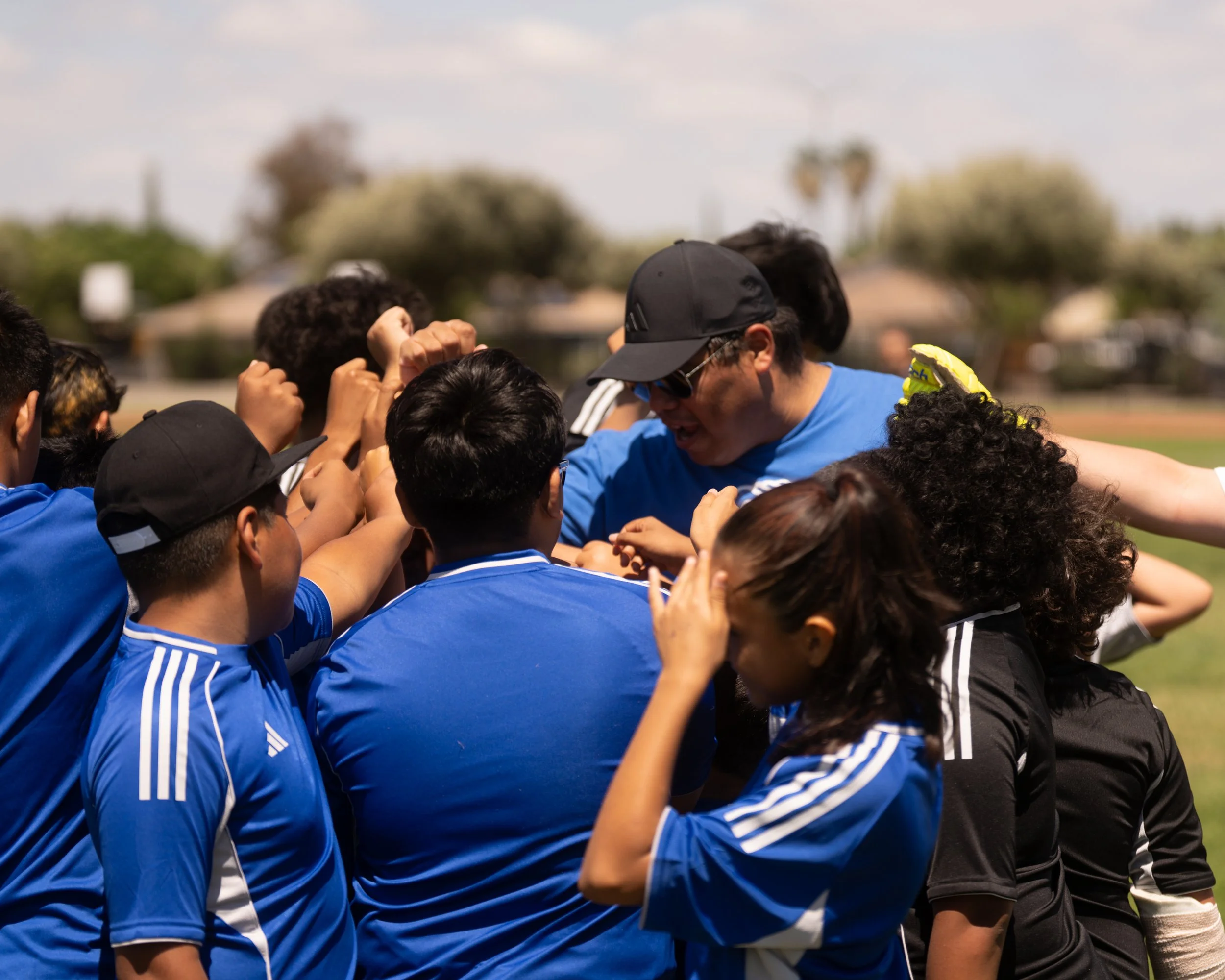
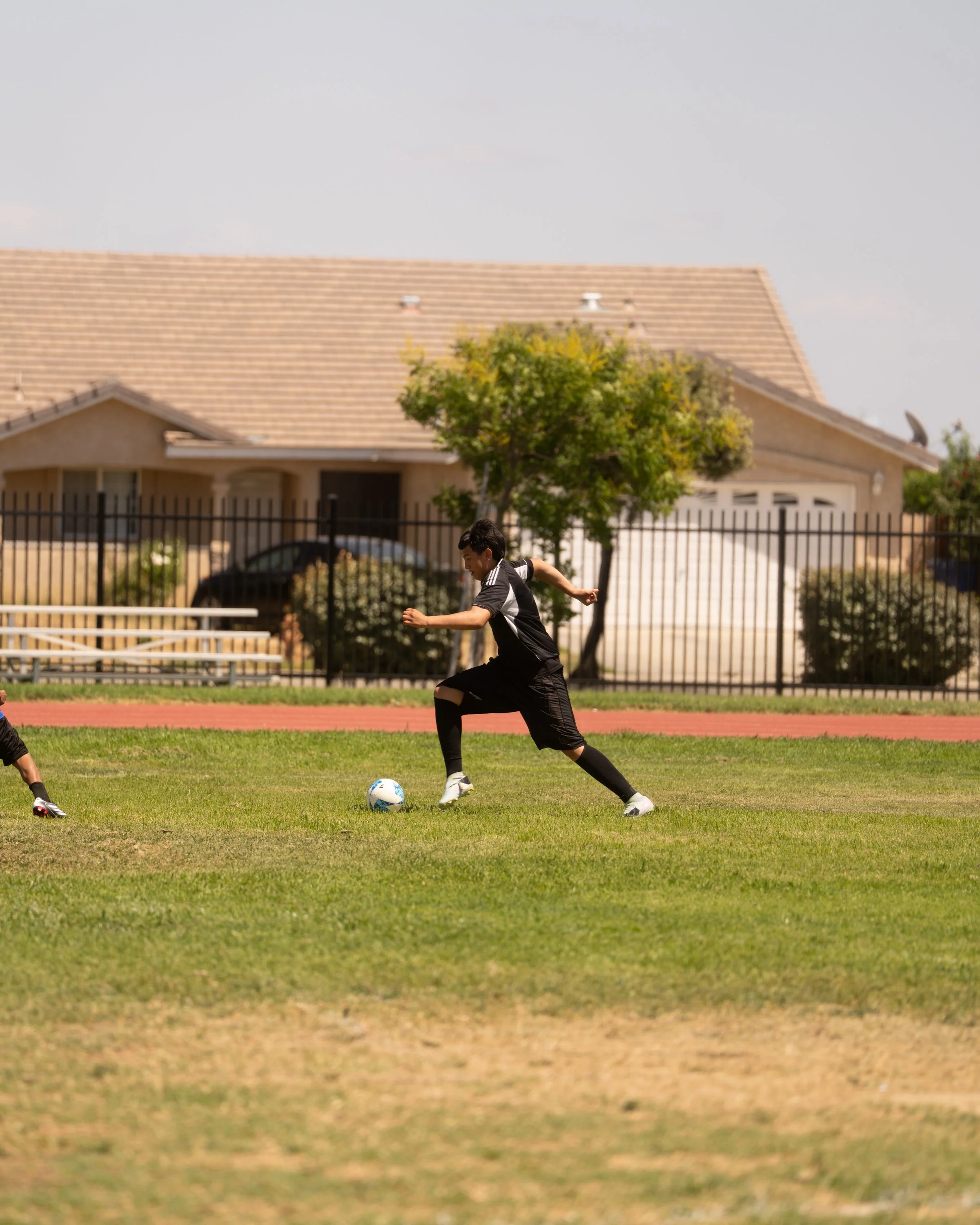
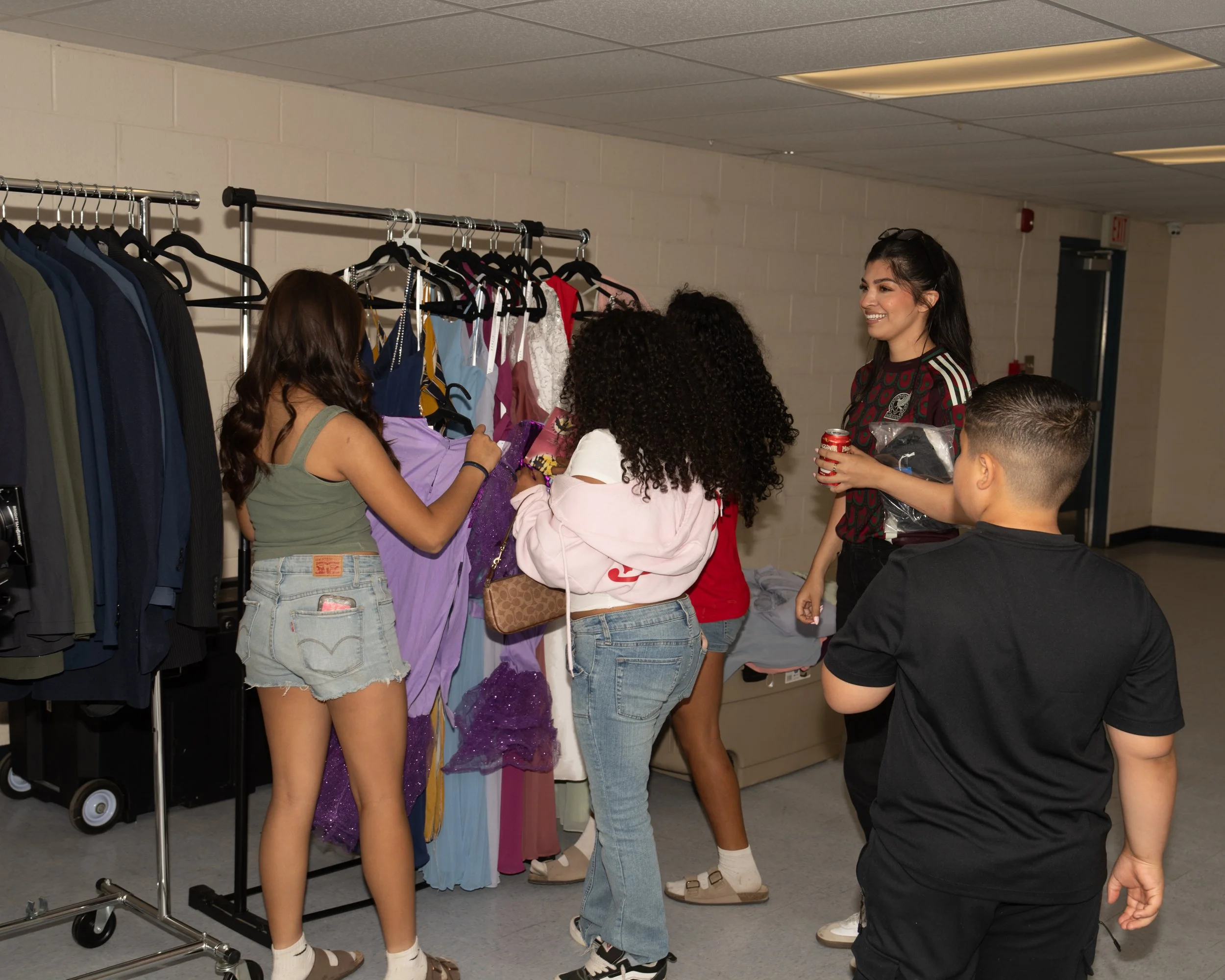
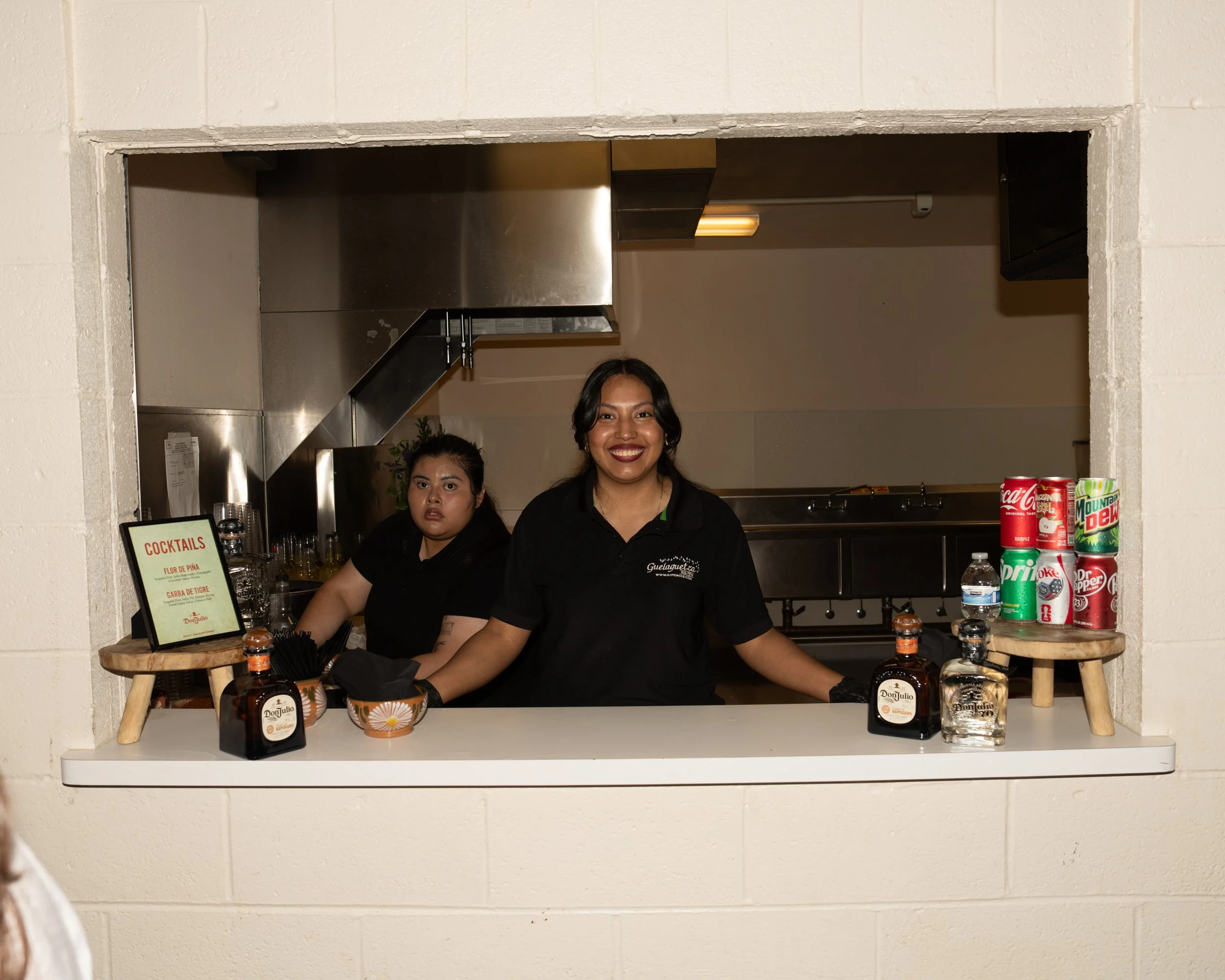
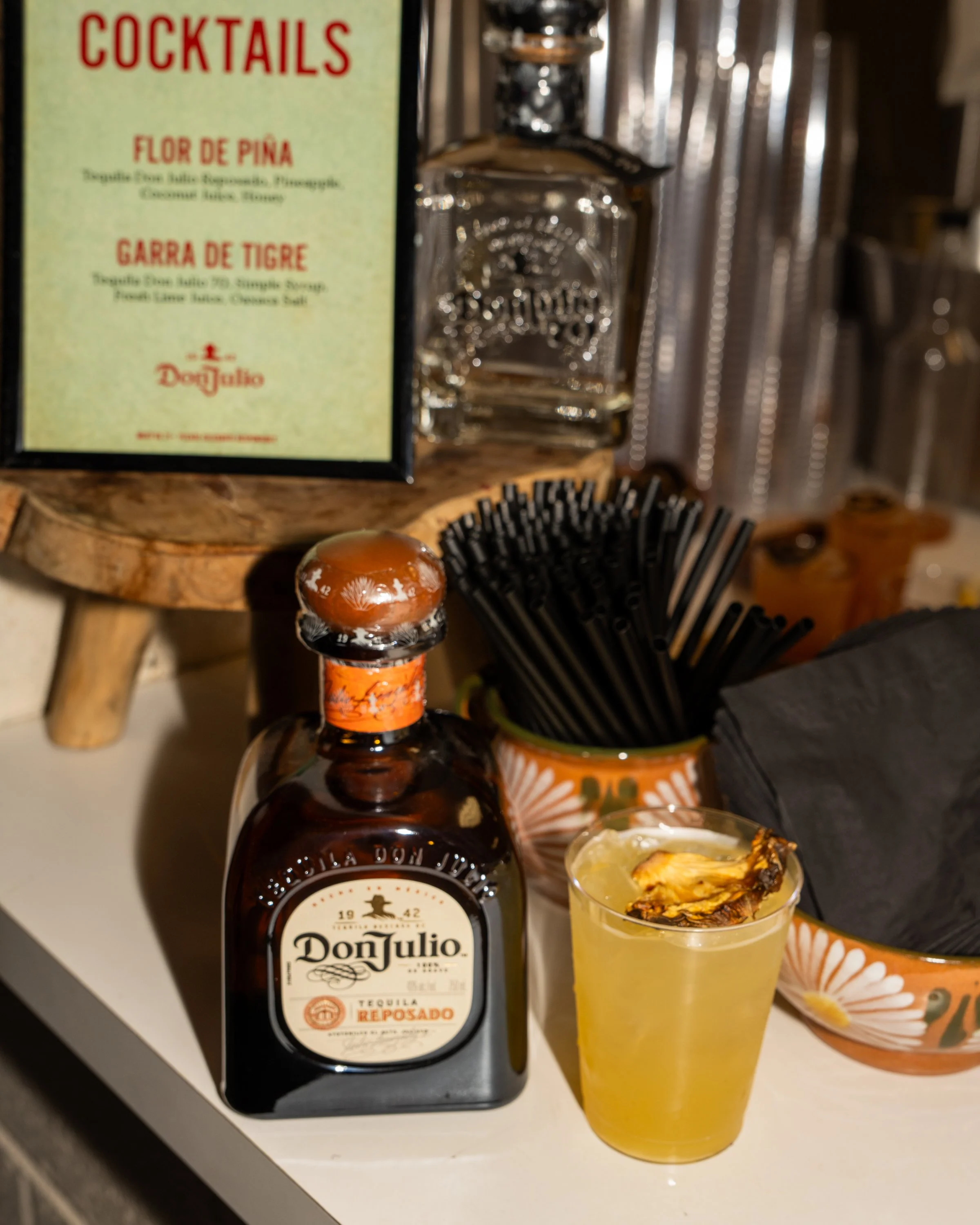
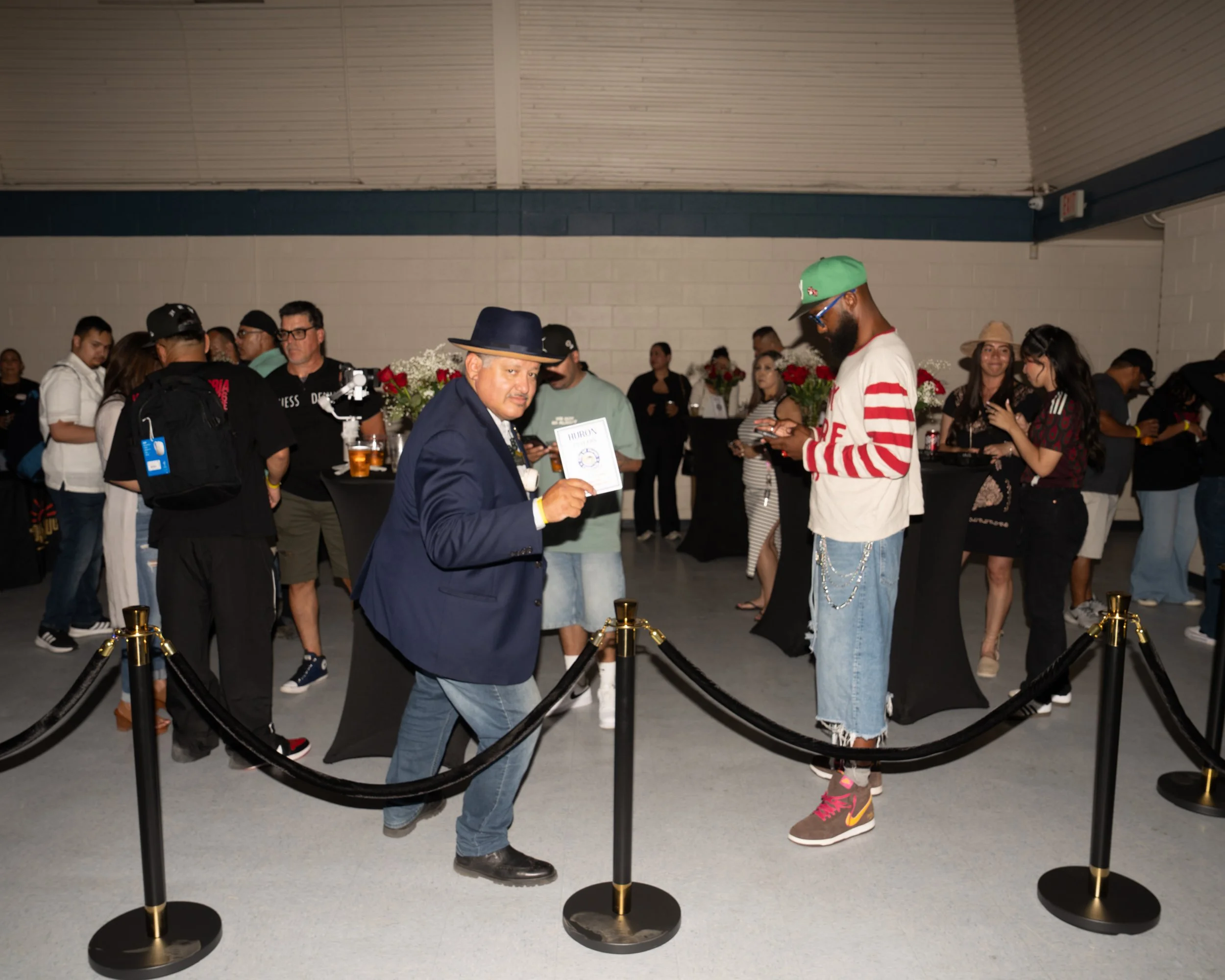
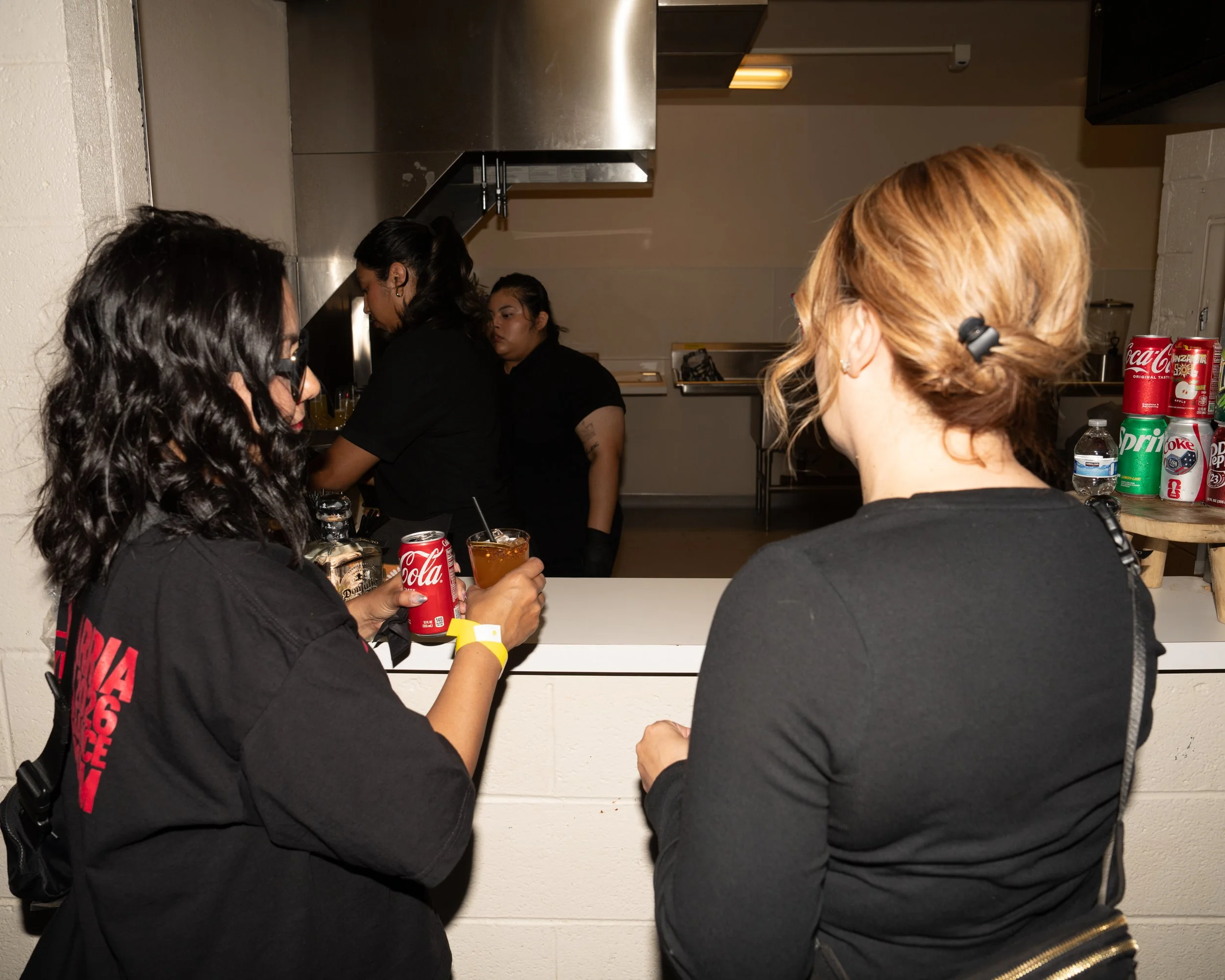
The day itself mirrored that philosophy. It was structured not as spectacle, but as participation. A community-wide soccer tournament brought together middle and high school students—including teams from Huron Middle School and the Harris Farms Club—outfitted through support from adidas. Inside the community center, a Prom Pop-Up and Keystone Closet provided formalwear access to local students, reframing fashion as both aspiration and utility.
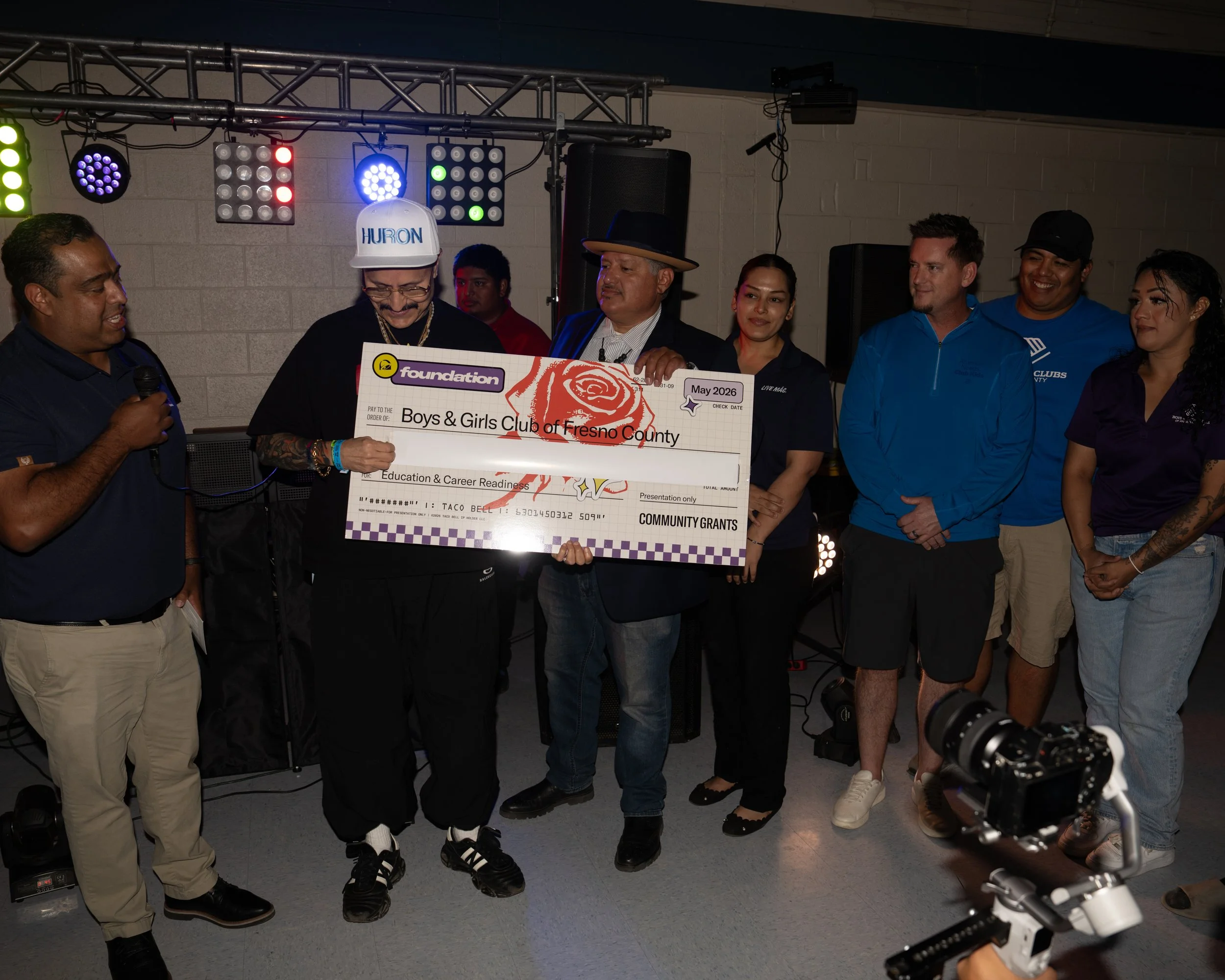
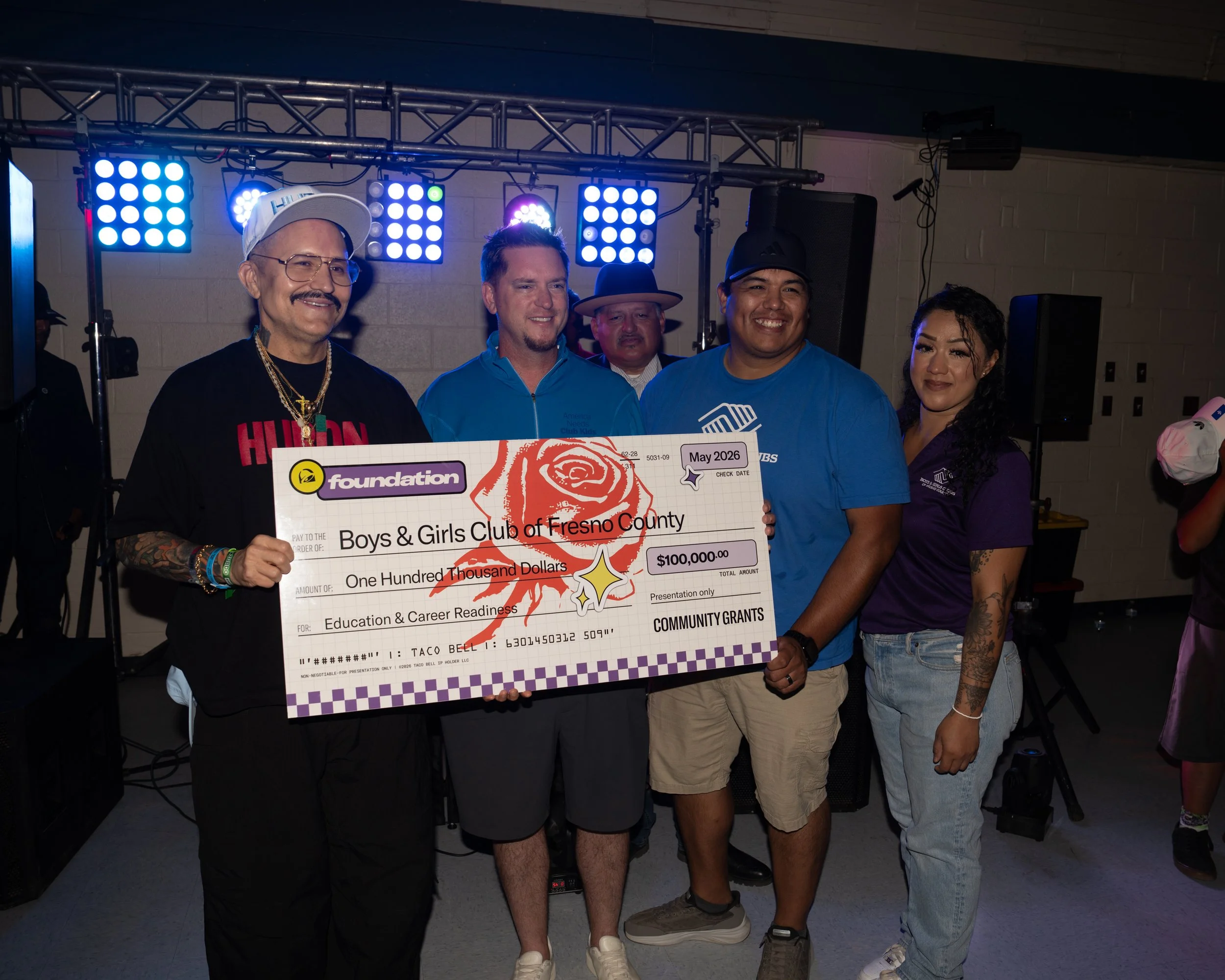
What distinguished the event, however, was its integration of long-term impact. Through the Taco Bell Foundation, a $100,000 community grant—the largest in its 13-year partnership—was awarded to the Boys & Girls Clubs of Fresno County. The funding will support tutoring, workforce development, and leadership programming for local youth, reinforcing a pipeline that extends beyond symbolic recognition.
This model—where cultural acknowledgment is paired with tangible investment—offers a blueprint for how fashion-adjacent influence can operate with accountability. It also reflects a broader shift: one where legacy is no longer defined solely by global reach, but by local resonance.
For Huron, a town often overlooked despite its integral role in fueling America’s agricultural economy, the day served as both affirmation and amplification. For Chavarria, it was something more personal—a public articulation of a private truth: that the most powerful stories are often the ones closest to home.
HOW DO YOU FEEL ABOUT FASHION?
COMMENT OR TAKE OUR PAGE READER SURVEY
Featured
Telfar's SS2027 collection transforms the sample sale into a runway, using inside-out tailoring, manipulated materials, New York street references and a Brooklyn-to-Paris spectacle to question who gets to define fashion—and where it actually happens.