
Reframing the Supermodel Era: Neil Kirk’s Archive Finds Its Moment
By PAGE Editor
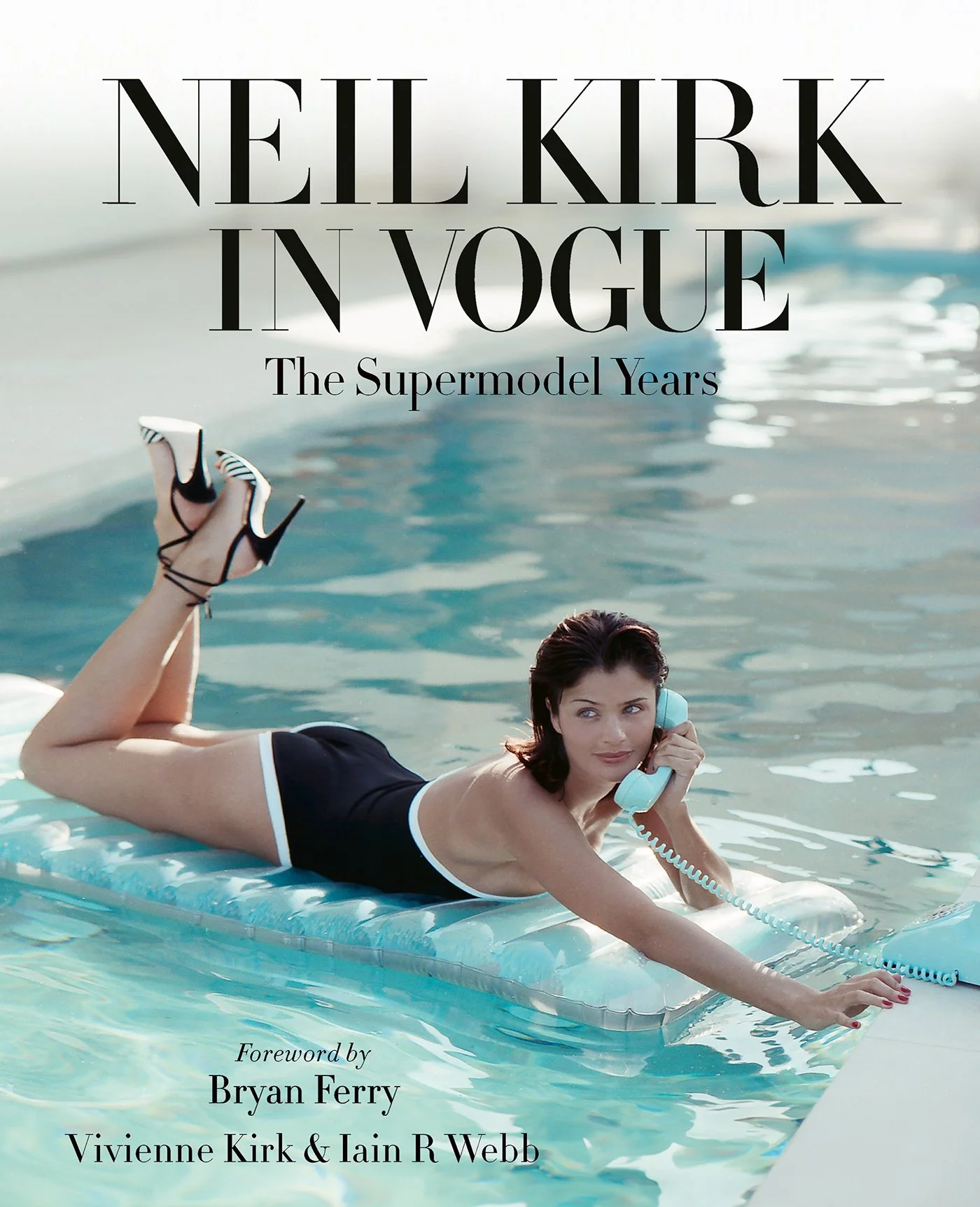
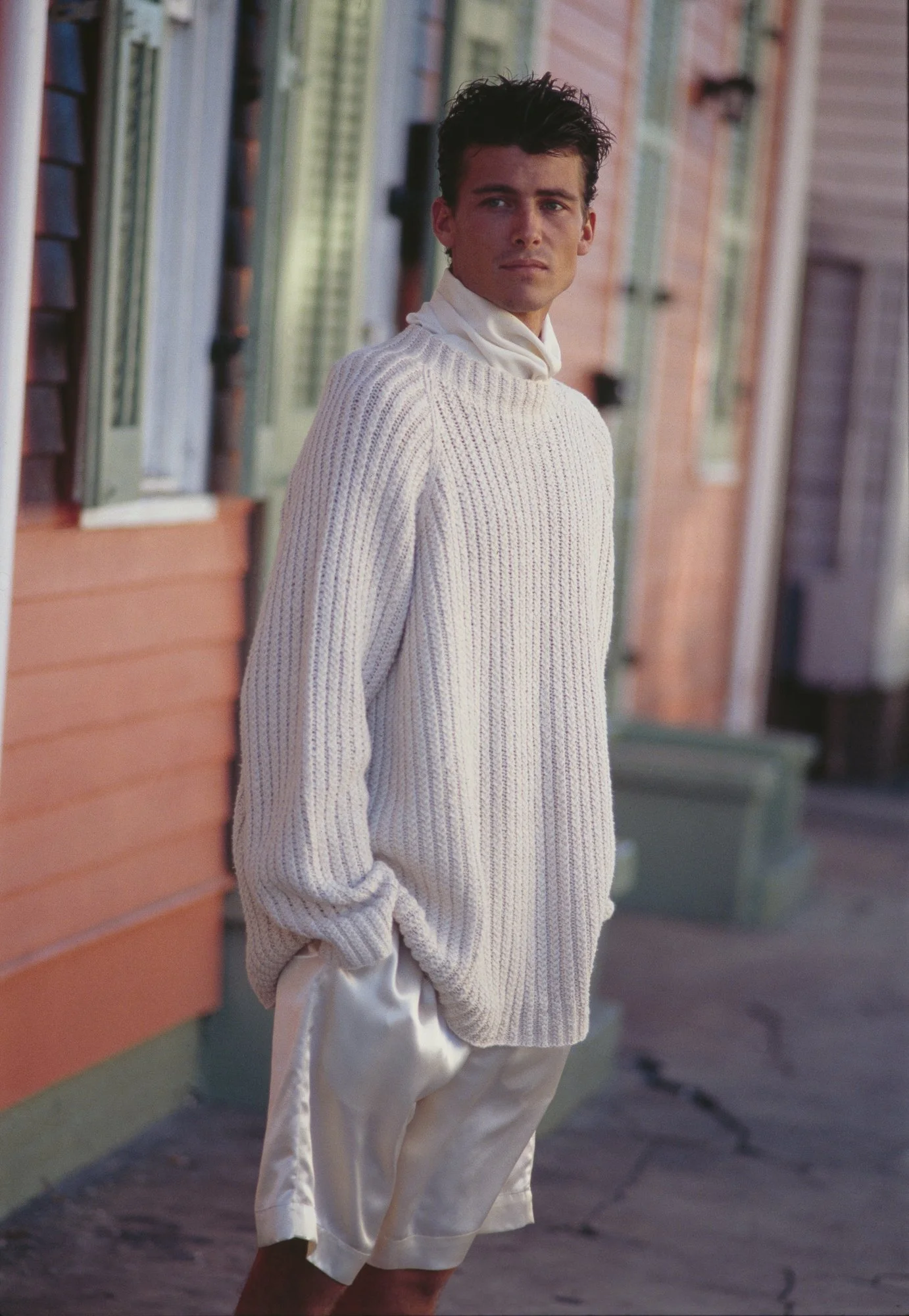
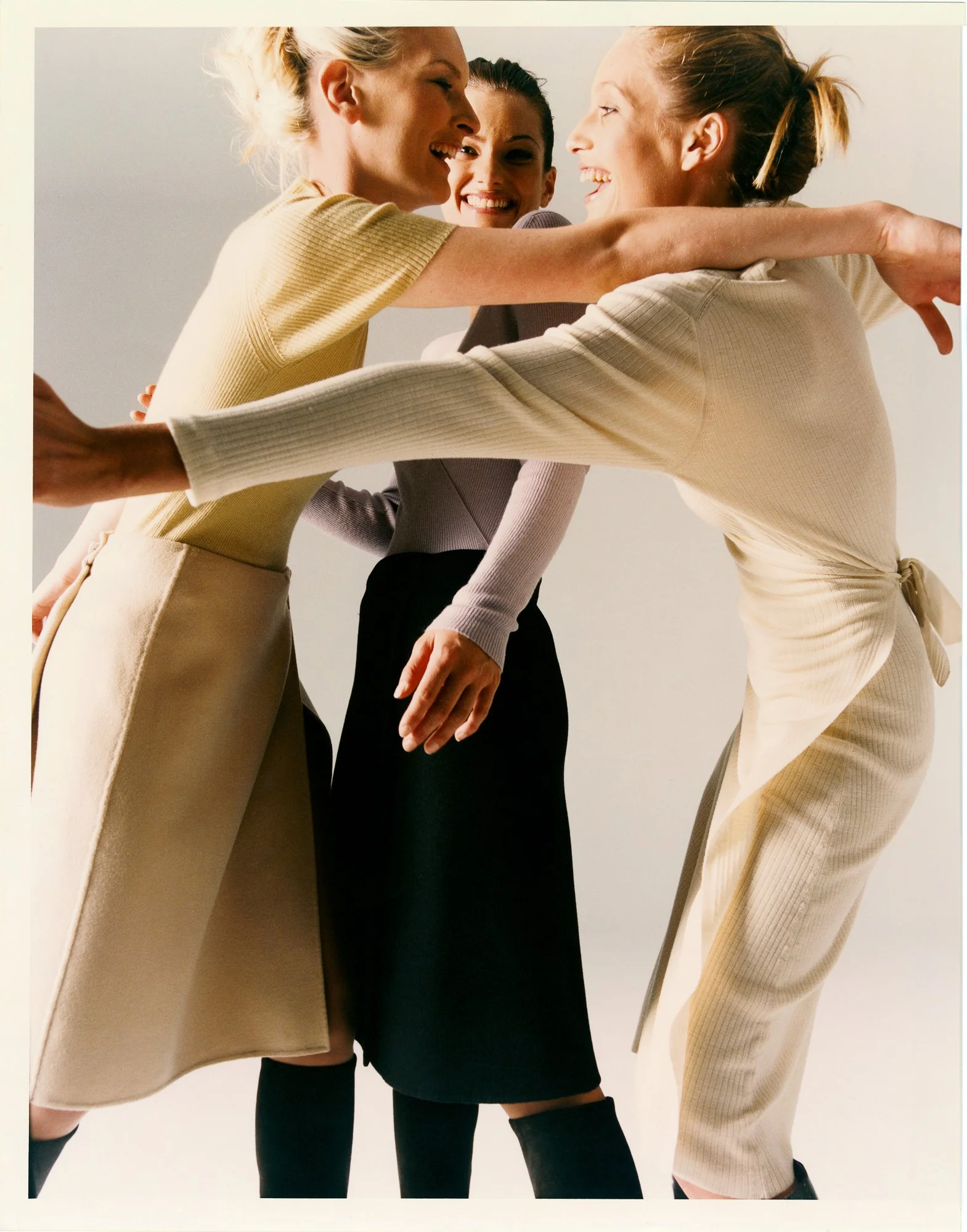
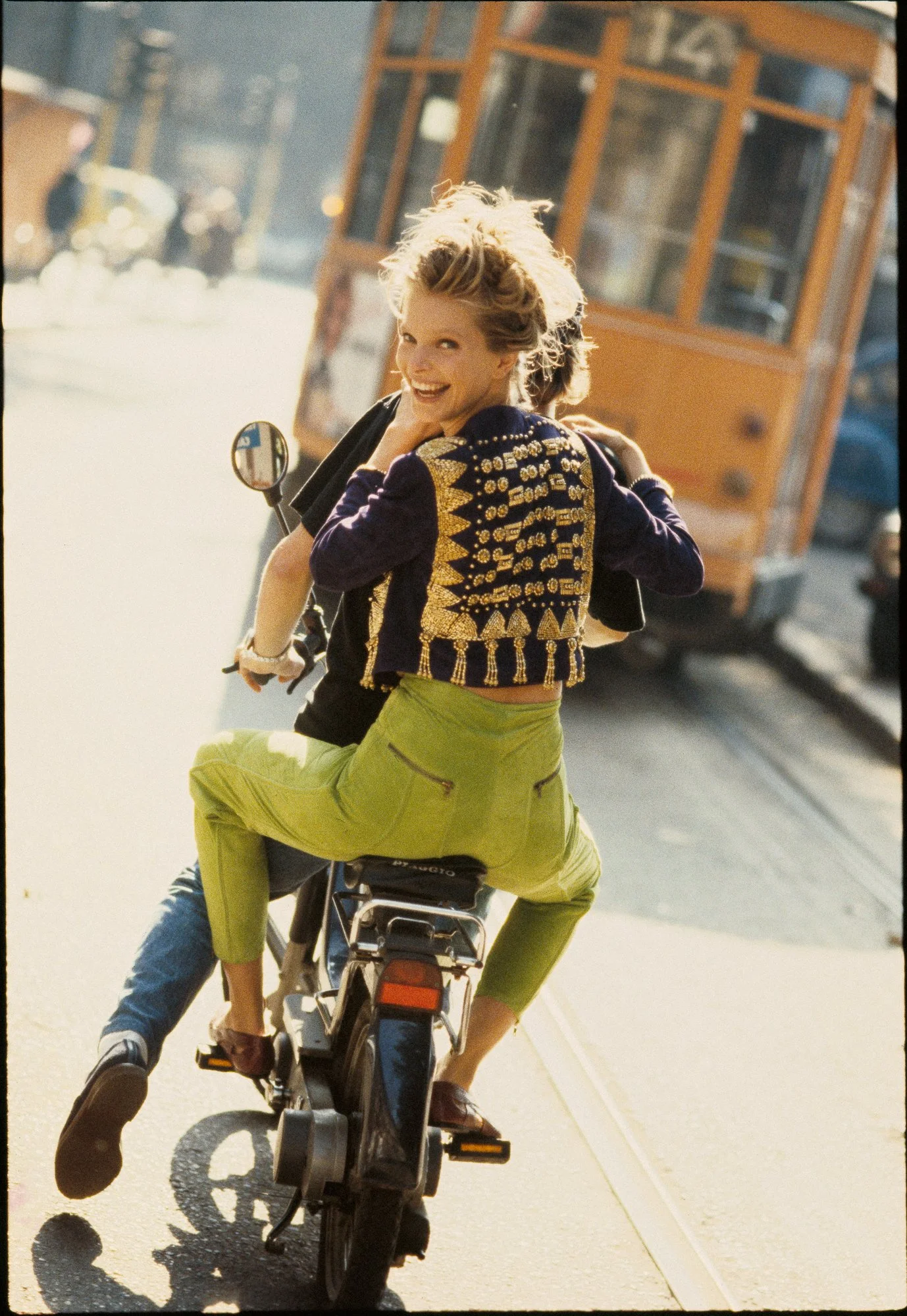
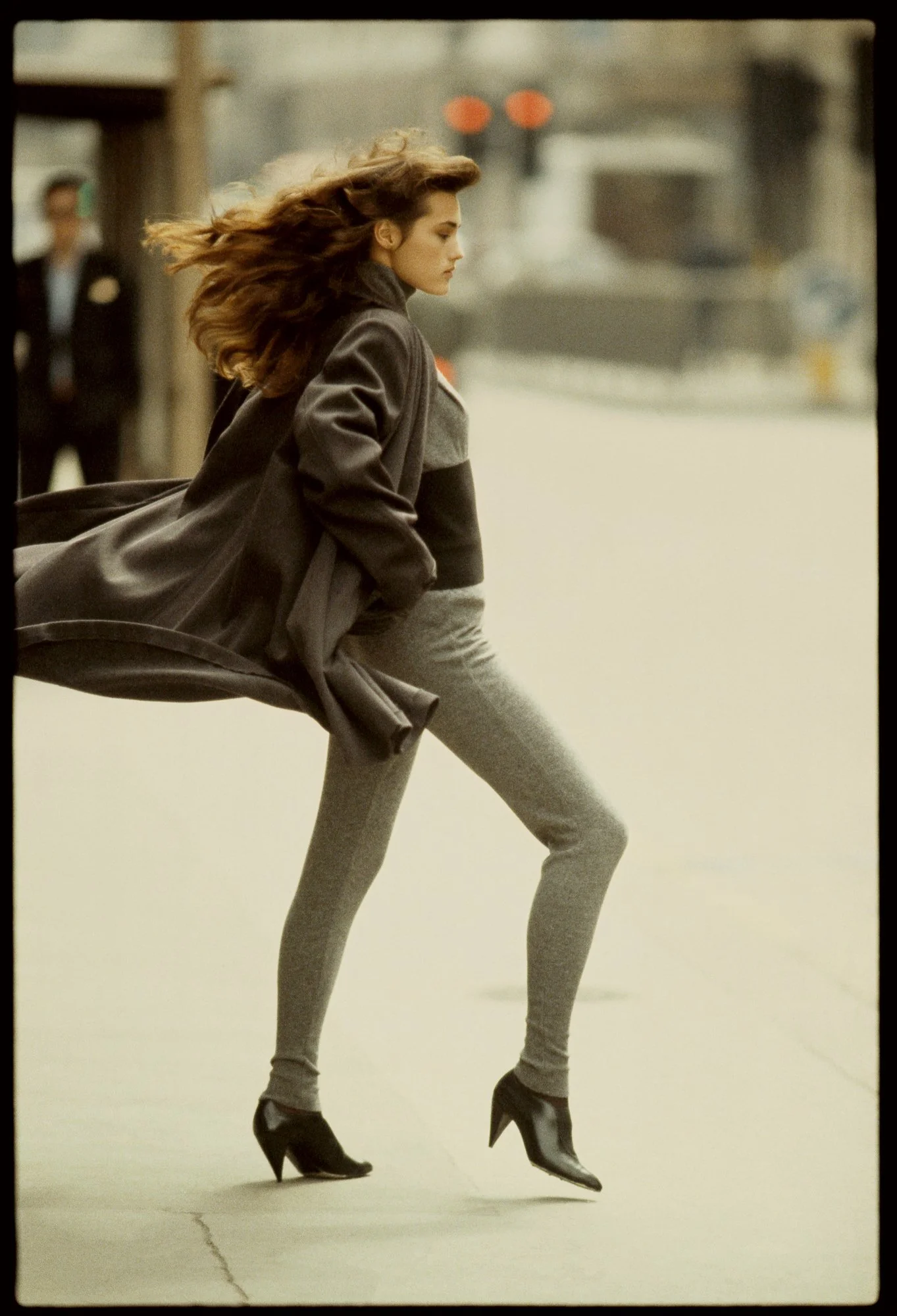
In fashion, archives are rarely static. They evolve—reshaped by the cultural lens of the present. With Neil Kirk in Vogue: The Supermodel Years, published by ACC Art Books, a body of work once synonymous with glossy excess is reintroduced as something far more consequential: a visual blueprint for how fashion learned to globalize itself.
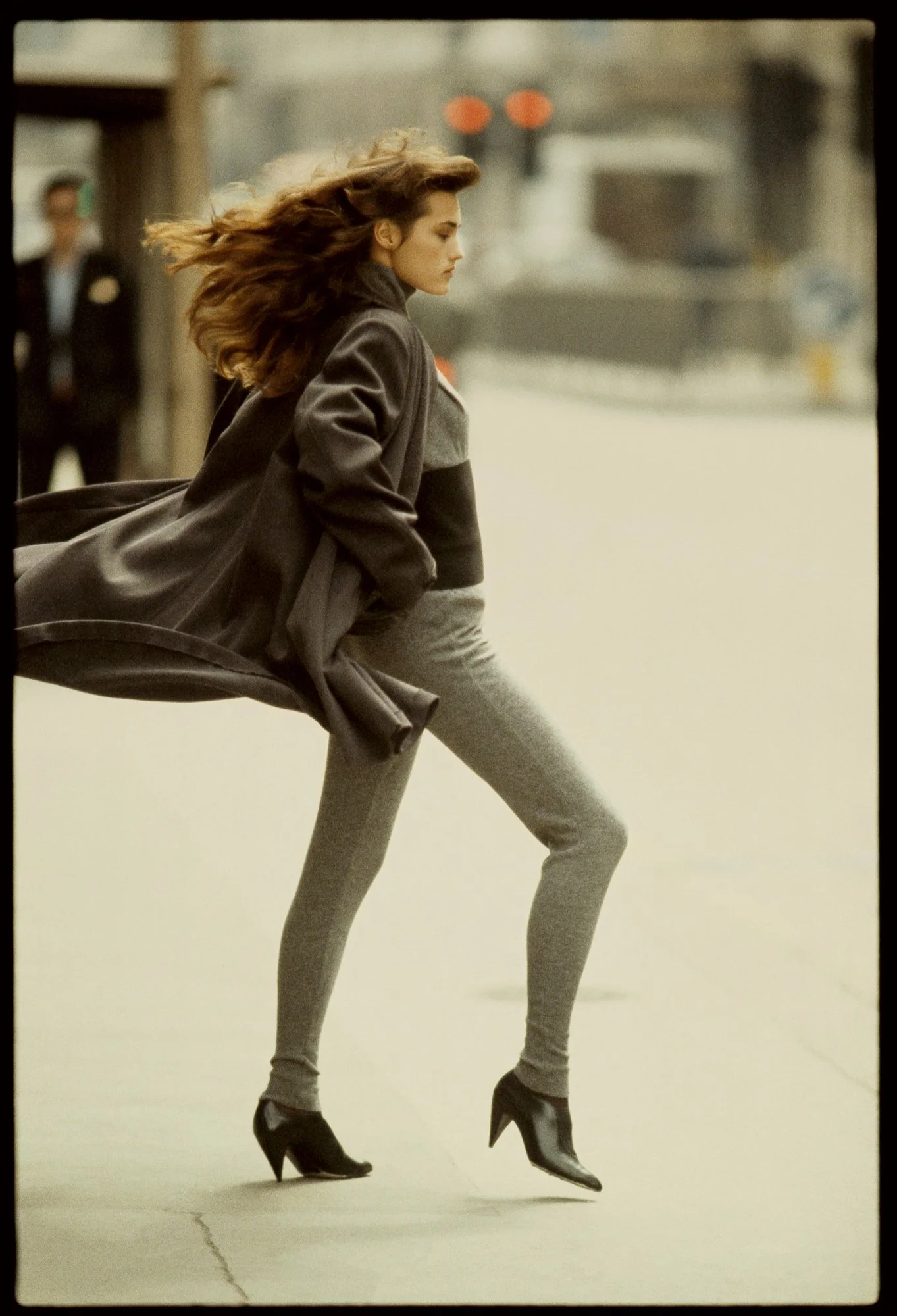
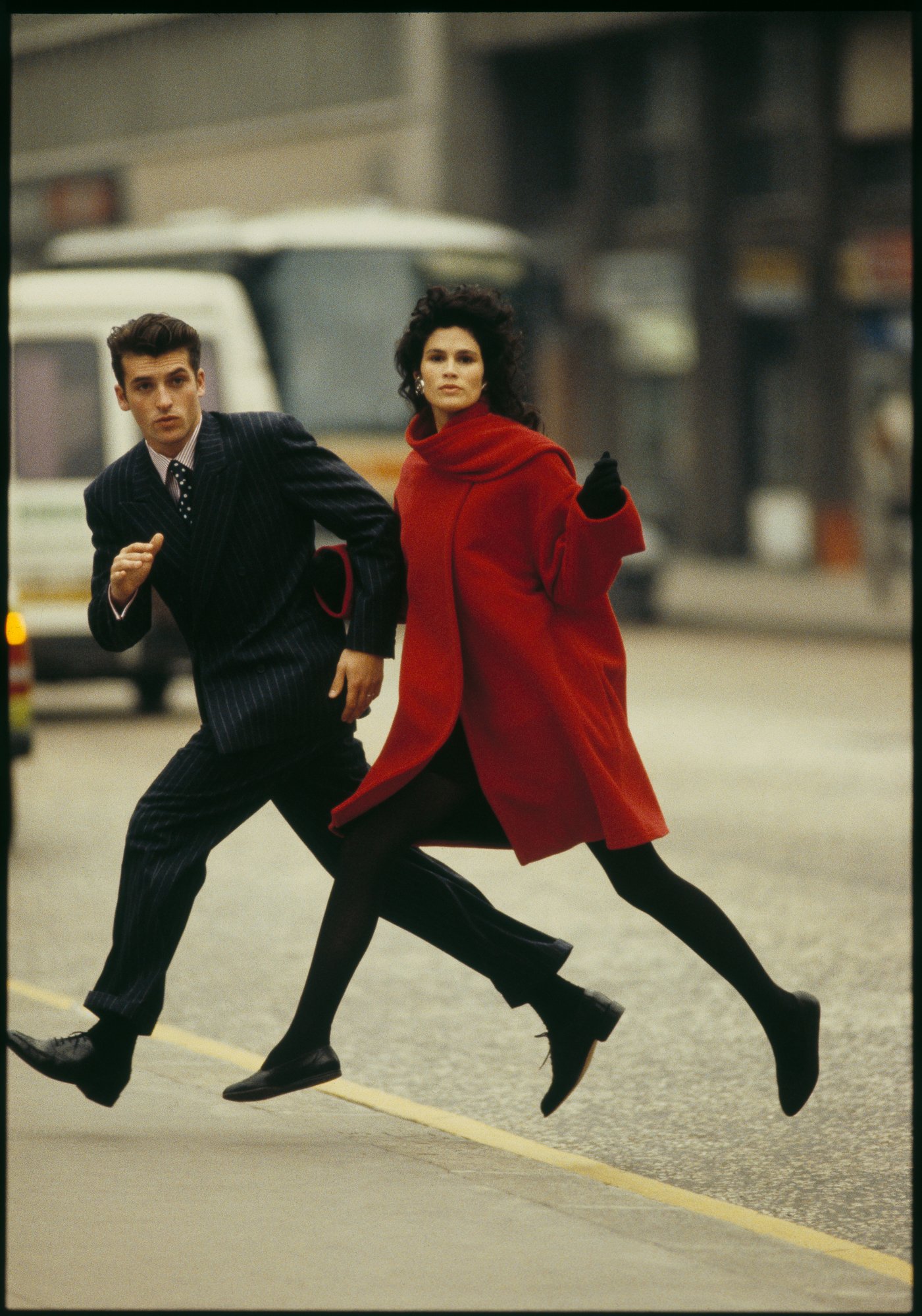
BritishVogue, August 1987–p180, by kind permission of Condé Nast
When Anna Wintour assumed leadership at Vogue in 1988, she didn’t just recalibrate editorial tone—she recalibrated authorship. Among the first photographers she commissioned was Neil Kirk, whose images would come to define the publication’s transition into a modern cultural authority. Kirk’s work, spanning the late 1980s through the 1990s, captured the supermodel not merely as subject, but as system: a convergence of celebrity, commerce, and identity that continues to underpin fashion’s economy today.
The Photographer Who Helped Define an Industry
Neil Kirk’s trajectory is rooted in the technical rigor of British photography. Beginning his career assisting established photographers in London during the 1970s, Kirk developed a disciplined understanding of lighting and composition before transitioning into editorial work. By the early 1980s, he had established himself as a reliable contributor to leading publications, eventually becoming a key visual architect during one of fashion’s most commercially explosive periods.
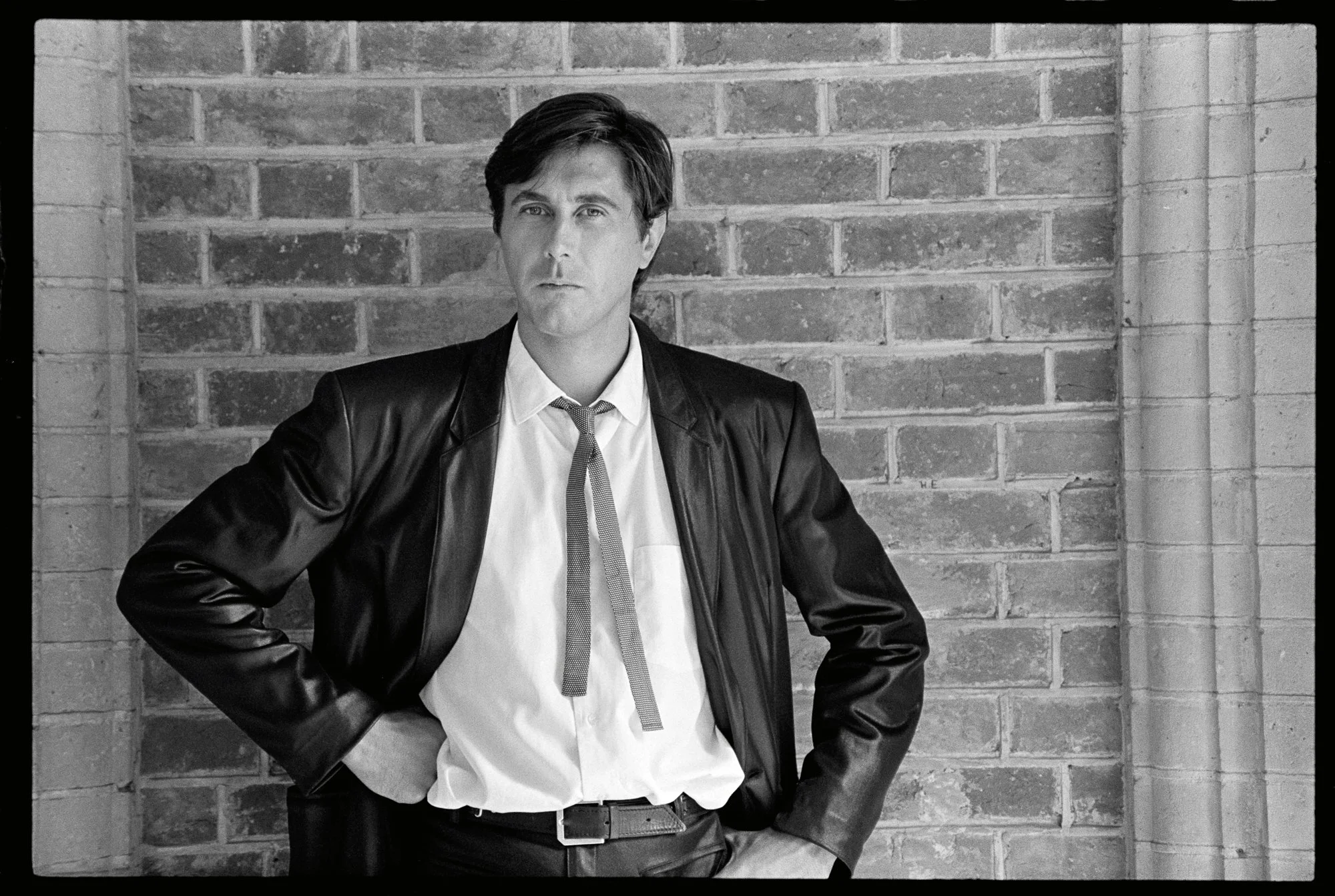
His early collaborations extended beyond fashion pages. Kirk photographed multiple album covers for Roxy Music, cementing a visual dialogue between fashion and music—two industries increasingly intertwined at the time. That cross-pollination would become a defining feature of his Vogue work, where models were framed less as mannequins and more as cultural protagonists.
Constructing the Supermodel Economy
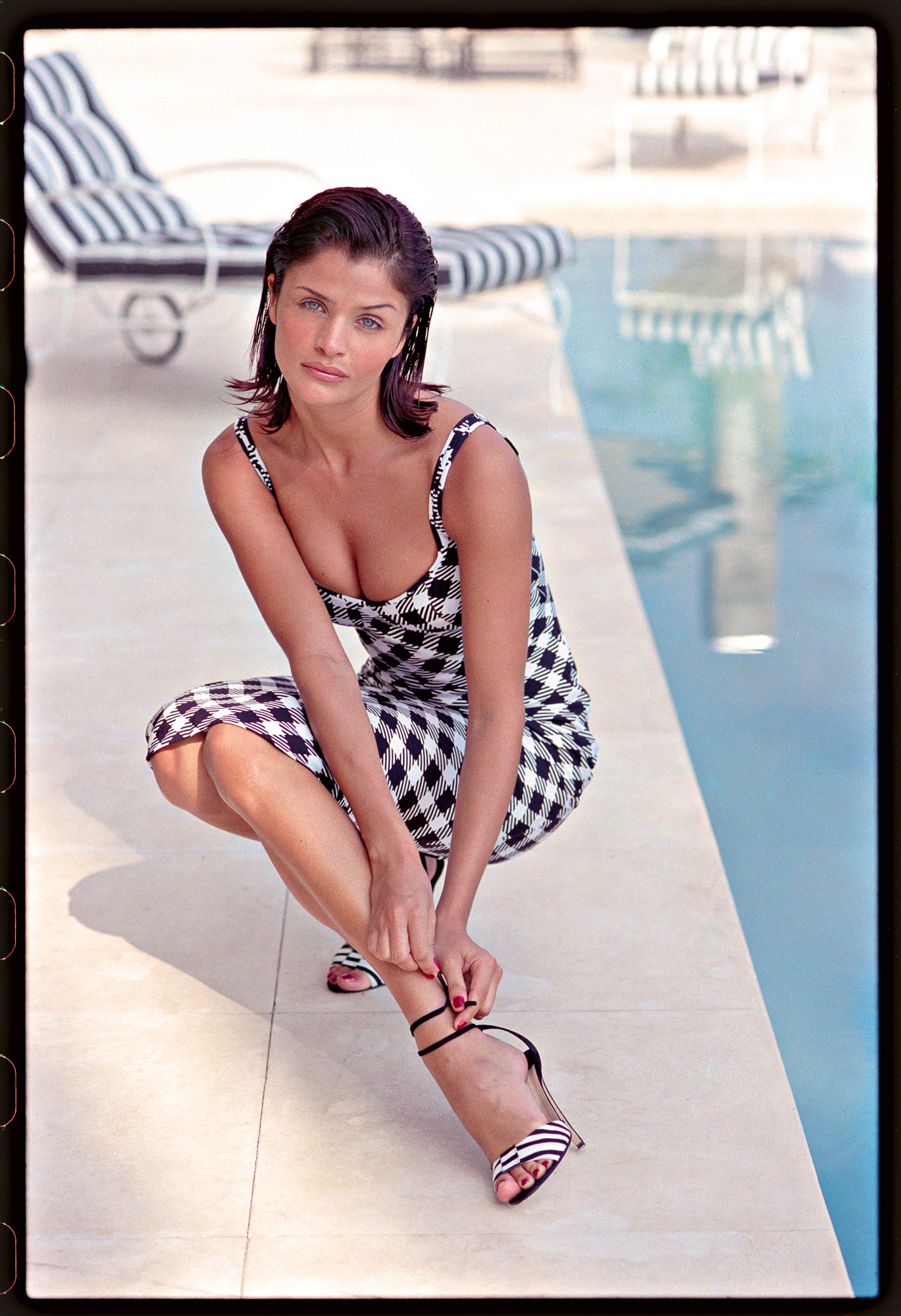
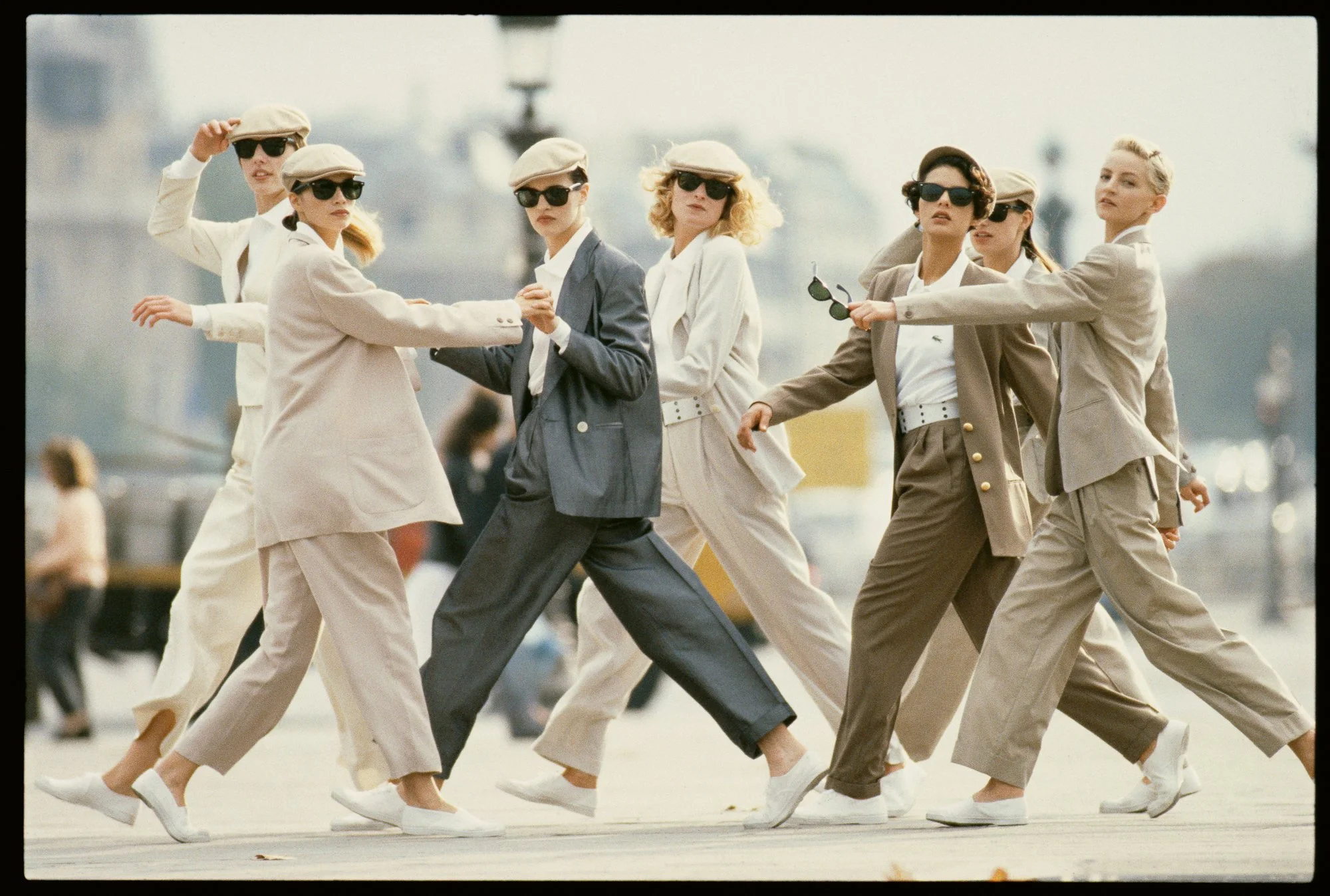
BritishVogue, June 1995–p77, by kind permission of Condé Nast
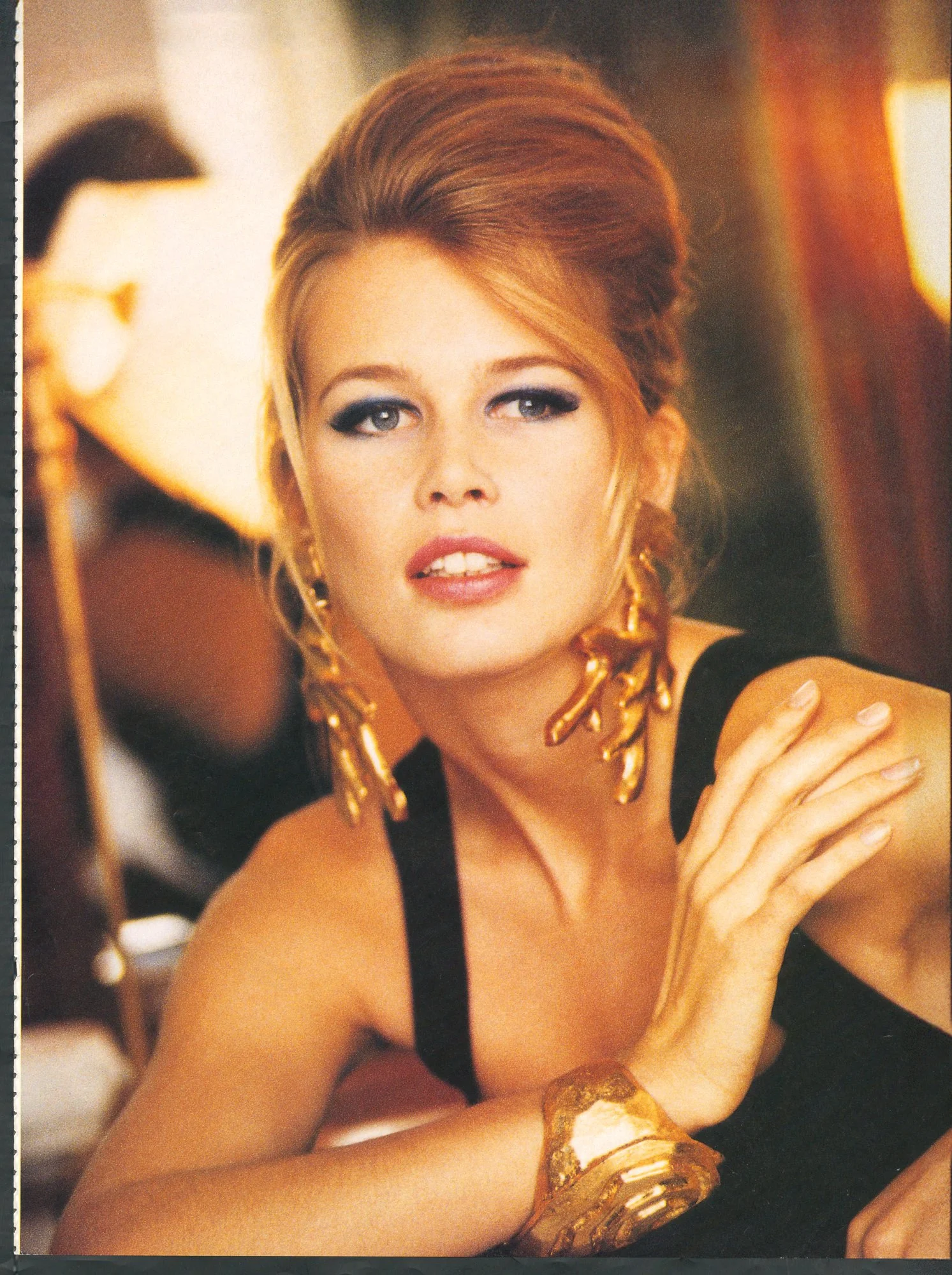
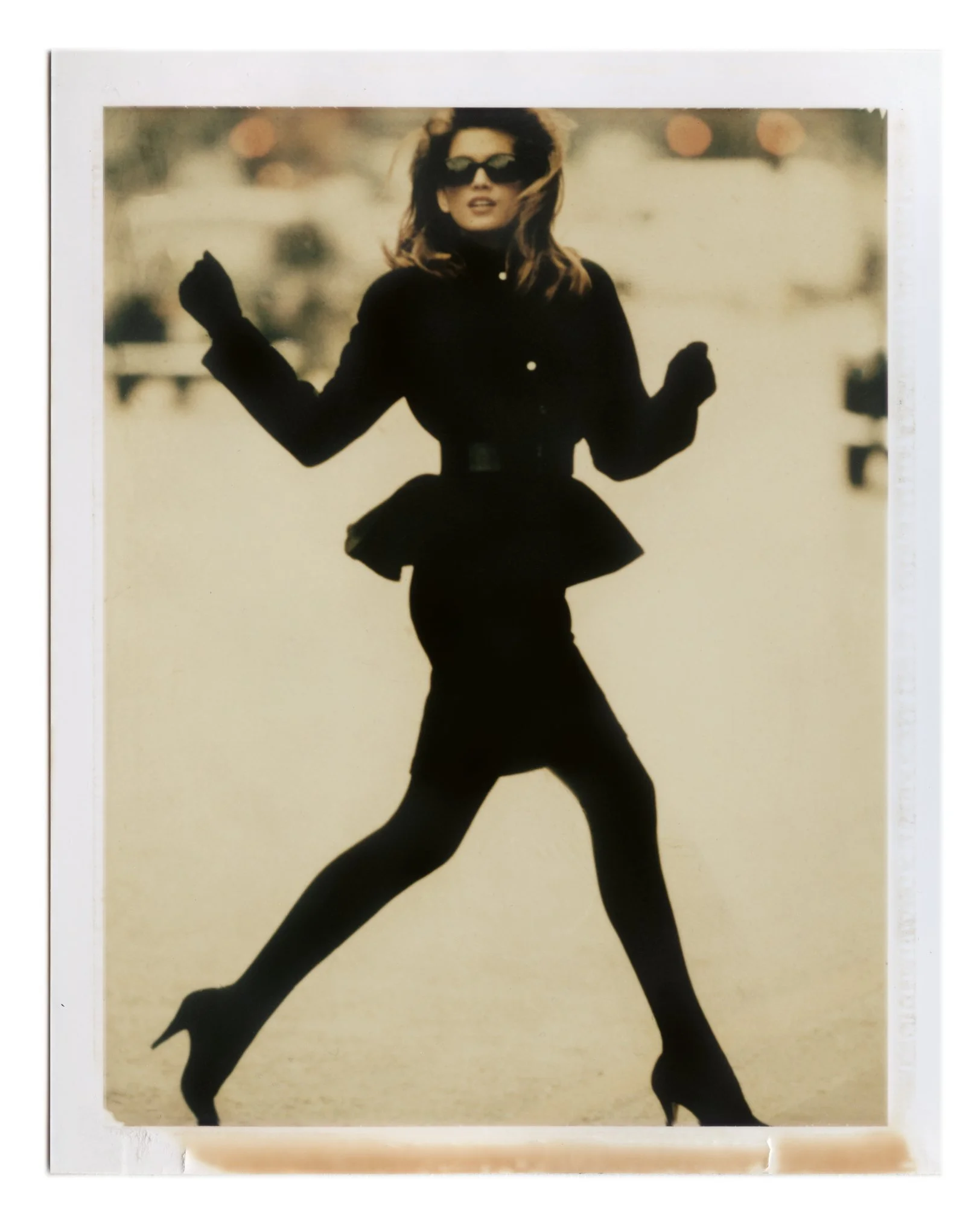
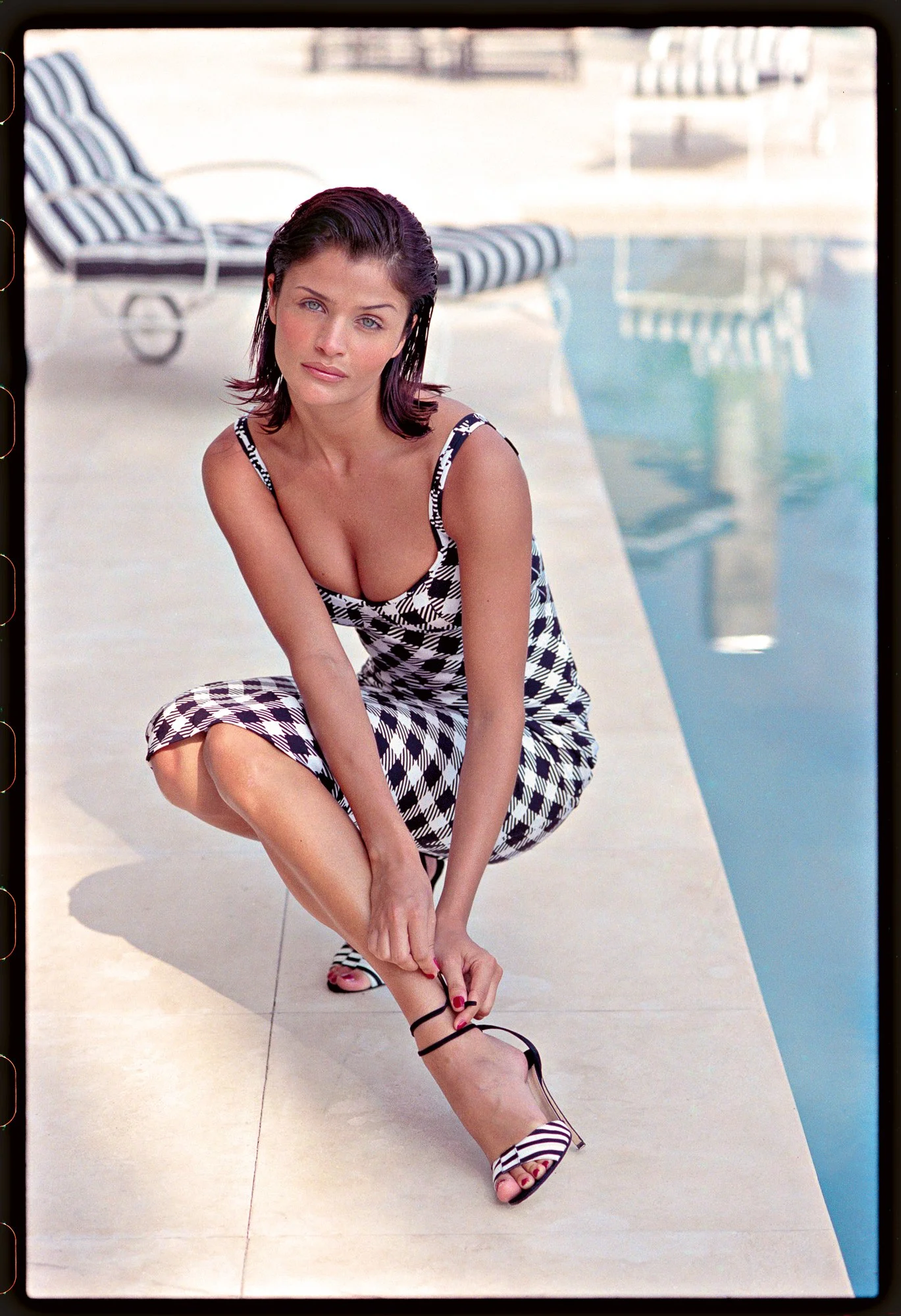
The 1980s and 1990s marked a structural shift in fashion: the rise of the supermodel as both image and enterprise. Figures like Cindy Crawford, Claudia Schiffer, and Helena Christensen weren’t just appearing in editorials—they were building personal brands that rivaled the houses they represented.
Kirk’s photography operated at the center of this transformation. His images balanced aspiration with accessibility, offering a polished realism that made the fantasy feel attainable. This was not accidental. It aligned with Wintour’s broader editorial vision: to position Vogue as both a tastemaker and a marketplace.
What emerges in The Supermodel Years is not just nostalgia, but infrastructure. The book reveals how visual consistency—clean lines, strong silhouettes, and controlled lighting—helped standardize the way fashion was consumed globally. It is, in many ways, an early case study in brand scalability.
A Network of Influence
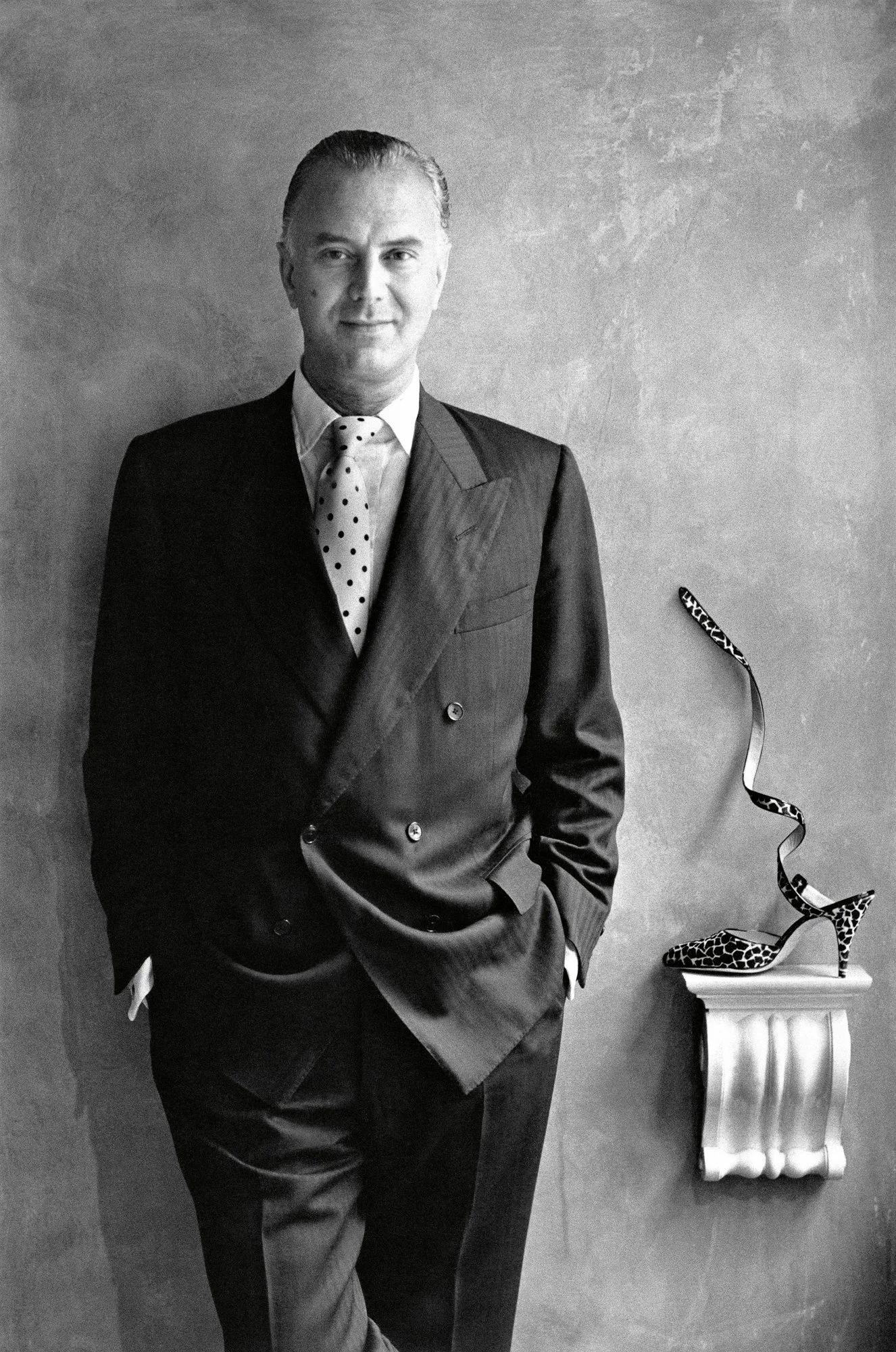
The publication’s contributors read like a map of fashion’s inner circle. From designer Christian Lacroix to milliner Stephen Jones, hairstylist Sam McKnight, and footwear icon Manolo Blahnik, the book situates Kirk within a collaborative ecosystem that shaped the industry’s visual language.
Cultural figures such as Salma Hayek, Carla Bruni, and Kate Winslet appear not as anomalies, but as extensions of fashion’s expanding influence. By the 1990s, the boundaries between film, music, and fashion had begun to dissolve—something Kirk’s work intuitively documented.
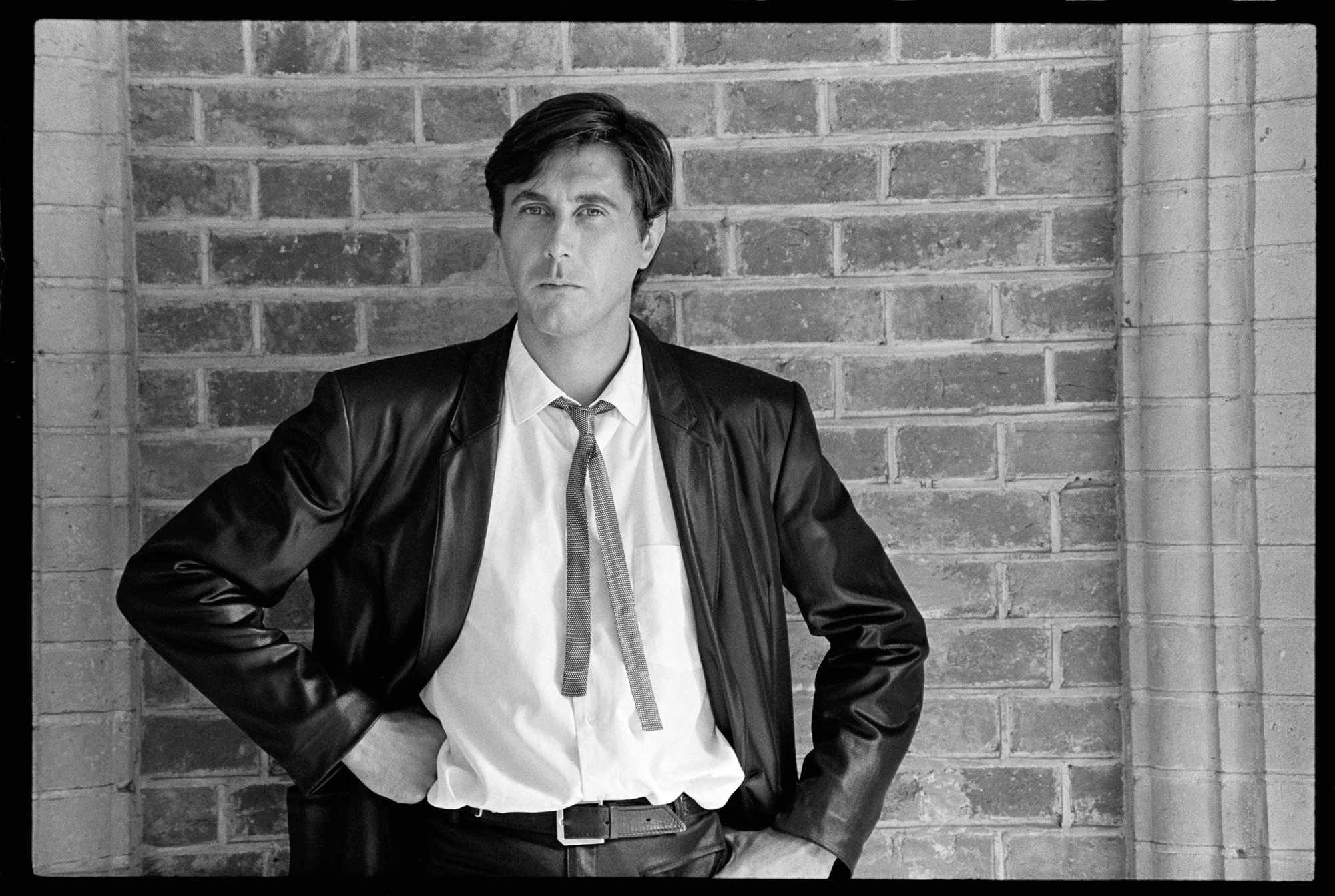
Even the foreword by Bryan Ferry underscores this interdisciplinarity. Ferry’s presence is less about nostalgia and more about context: a reminder that fashion imagery has always been in conversation with broader cultural production.
Why This Archive Matters Now
At a moment when fashion is reassessing its past—through the lenses of sustainability, representation, and digital transformation—Kirk’s archive offers a critical reference point. It captures a time when globalization was aspirational rather than algorithmic, when images traveled through print rather than feeds, and when authorship still carried a sense of singularity.
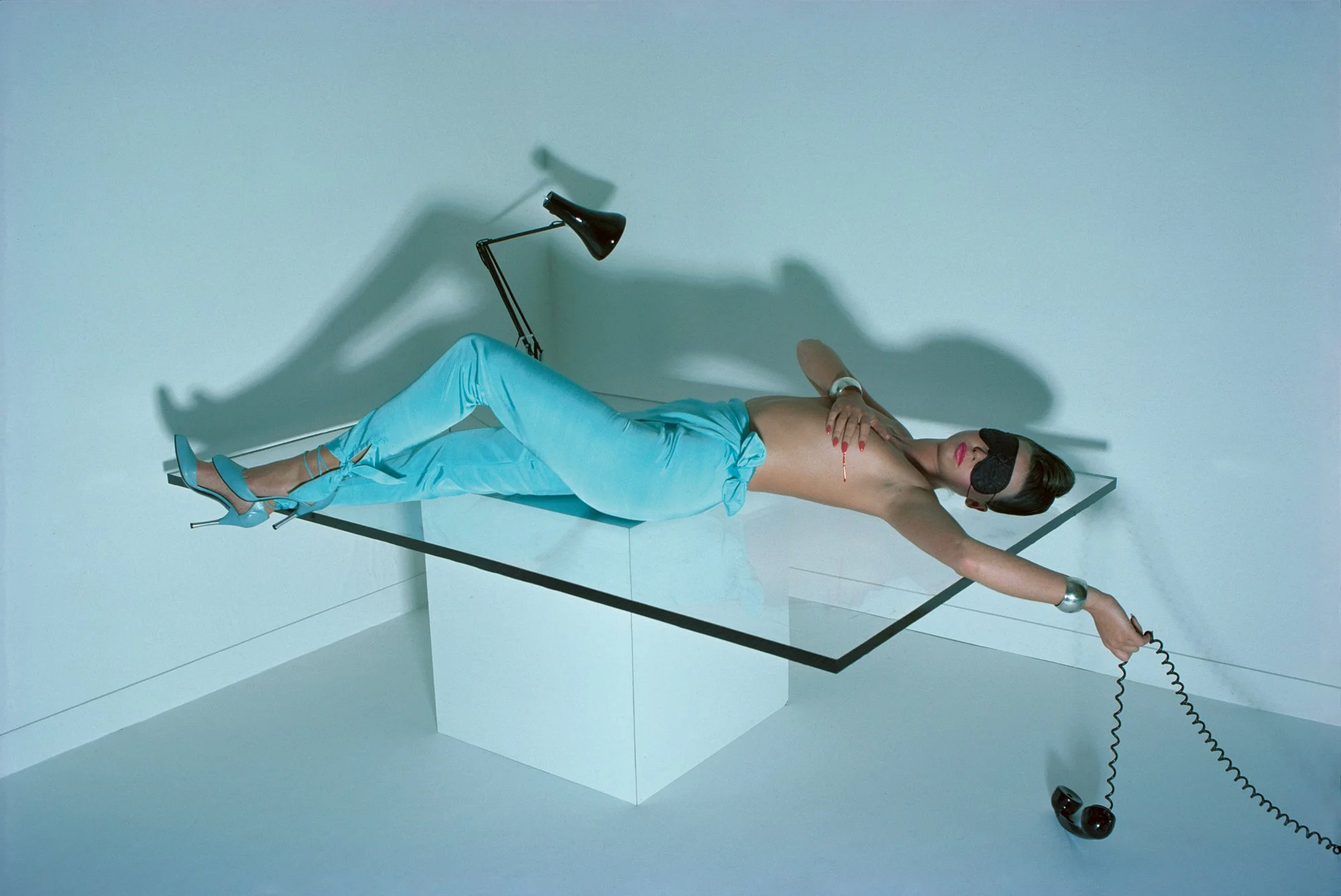
Ritz, 1978–pp30–31, by kind permission of Condé Nas
Yet the relevance is immediate. Today’s influencer economy, with its emphasis on personality-driven branding, mirrors the supermodel era more closely than the industry often admits. The difference lies in scale and speed, not structure.
By revisiting Kirk’s work, ACC Art Books positions the archive not as a relic, but as a framework—one that continues to inform how fashion constructs value, visibility, and desire.
The Book as Object—and Strategy
As a physical artifact, Neil Kirk in Vogue: The Supermodel Years is intentionally indulgent. Large-format imagery, high production values, and layered commentary transform it into more than a retrospective; it becomes a collectible. In an increasingly digital landscape, that tangibility carries strategic weight.
Luxury publishing has quietly re-emerged as a branding tool, allowing companies to extend their narratives beyond seasonal cycles. For ACC Art Books, this release reinforces its role as both archivist and curator—bridging the gap between documentation and storytelling.
A Legacy Recontextualized
Neil Kirk’s contribution to fashion is not easily distilled into a single aesthetic. Instead, it resides in his ability to translate an industry in transition—to capture the moment when fashion stopped being insular and started becoming global.
In revisiting his archive, we’re reminded that images don’t just reflect culture; they build it. And in the case of the supermodel era, Neil Kirk didn’t just document a phenomenon—he helped define its architecture.

HOW DO YOU FEEL ABOUT FASHION?
COMMENT OR TAKE OUR PAGE READER SURVEY
Featured


Adidas introduces its next NYC Creative Class, bringing together six artists, designers, musicians, and cultural innovators whose distinct practices and community-driven work reflect the creative energy shaping New York City.