
Swing Shower Door with Inline Panel: Design, Sizes & Benefits
PAGE
By PAGE Editor
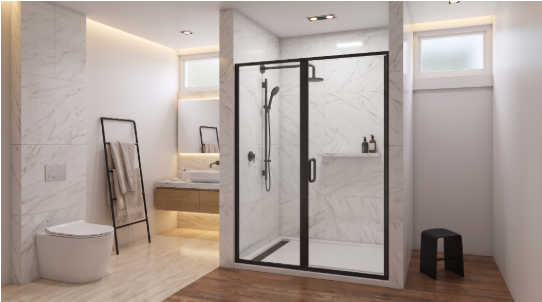
Modern bathroom design continues to move toward open, bright, and highly functional spaces. Among the many shower enclosure configurations available today, the swing shower door with inline panel has become a preferred option for homeowners and designers seeking a balance between accessibility, aesthetics, and durability. This configuration combines a hinged glass door with one or more fixed glass panels, making it ideal for wider shower openings where a single door alone would be impractical.
Whether you are planning a complete bathroom renovation or simply researching different enclosure styles, understanding how this shower door configuration works can help you make informed decisions about safety, maintenance, installation, and long-term value.
What Is a Swing Shower Door with an Inline Panel?
A swing shower enclosure with an inline panel consists of two primary components:
A hinged glass door that opens inward, outward, or both depending on the hardware.
A stationary glass panel installed beside the door to extend the enclosure across a wider opening.
Rather than requiring an oversized hinged door, the fixed panel reduces the moving weight while maintaining a seamless glass appearance. This creates a cleaner architectural look while improving the structural stability of the enclosure.
The inline panel can be positioned on either side of the door depending on bathroom layout, plumbing locations, or entry preferences.
Why This Configuration Has Become Popular
Today's bathrooms prioritize natural light, spaciousness, and minimal visual clutter. Glass shower systems complement these goals better than traditional framed enclosures or shower curtains. Several factors explain the growing popularity of this layout across American homes.
Better Proportions for Wider Openings
Many walk-in showers measure between 48 and 72 inches wide. Installing a single swinging door across that entire width would make the glass excessively heavy and difficult to operate.
Adding a fixed inline panel allows the door itself to remain within an ideal operating width while covering the remaining opening with stationary glass.
Enhanced Stability
Fixed glass panels provide additional structural support to the enclosure. Depending on the design, support may also come from wall-mounted hinges, stabilization bars, or ceiling brackets. This combination helps reduce stress on the hinges and extends hardware longevity.
Cleaner Appearance
Because only one section moves, the enclosure maintains straight, uninterrupted glass lines. Minimal hardware contributes to a contemporary aesthetic that fits both modern and transitional bathroom designs.
Common Bathroom Layouts That Benefit
This enclosure style works well in numerous bathroom configurations.
Alcove Showers
Bathrooms with three existing walls often require only a front glass enclosure. A hinged door paired with an inline panel efficiently spans larger openings while preserving accessibility.
Corner Showers
Corner installations frequently use one wall-mounted fixed panel with a swinging door positioned beside it.
Walk-In Wet Rooms
Larger luxury bathrooms increasingly feature partially enclosed wet rooms. Inline panels help define the shower space while maintaining an open feel.
Standard Dimensions and Sizing Considerations
Every bathroom differs slightly, but several common measurements influence enclosure design. Typical shower openings include:
48 inches
54 inches
60 inches
66 inches
72 inches
The swinging door usually ranges between 24 and 36 inches wide, while the remaining width is occupied by the fixed inline panel. Proper sizing depends on several factors including:
Available wall space
Toilet clearance
Vanity placement
Door swing direction
Building code requirements
User accessibility
Professional measurements are especially important because even minor wall variations can affect glass fabrication.
Glass Thickness Options
Selecting the appropriate glass thickness impacts both appearance and structural performance.
3/8-Inch Tempered Glass
Often considered the industry standard, this thickness provides excellent strength while maintaining a refined appearance. It works well for most residential shower enclosures.
1/2-Inch Tempered Glass
Heavier glass creates a premium feel and increased rigidity. Luxury bathroom designs often use thicker glass because it reduces flex and enhances the frameless aesthetic.
Regardless of thickness, safety-tempered glass is essential because it is engineered to break into smaller, less hazardous pieces if damaged.
Popular Glass Styles
The appearance of the enclosure depends largely on the selected glass finish.
Clear Glass
Clear glass remains the most popular choice because it maximizes light transmission and makes bathrooms appear larger.
Low-Iron Glass
Traditional clear glass contains slight green coloration caused by iron content.
Low-iron glass reduces this tint, creating exceptional clarity that showcases tile work more accurately.
Frosted Glass
Frosted finishes provide increased privacy while still allowing light to pass through.
Rain or Textured Glass
Decorative textured patterns add visual interest while partially obscuring visibility.
Frameless vs Semi-Frameless Designs
Many homeowners compare these two enclosure styles before making a decision.
Frameless
Frameless systems rely on thicker tempered glass with minimal hardware. Advantages include:
Contemporary appearance
Easier cleaning
Improved visibility
Minimal visual interruption
Semi-Frameless
Semi-frameless enclosures incorporate metal framing around selected edges while leaving the door largely unobstructed. These systems often offer increased affordability while retaining much of the open appearance associated with frameless designs.
Hardware Options That Influence Performance
Hardware selection affects both functionality and visual style. Popular finishes include:
Chrome
Brushed nickel
Matte black
Oil-rubbed bronze
High-quality hinges are engineered to withstand thousands of openings and closing cycles while maintaining smooth operation. Modern hardware may also feature:
Soft-close mechanisms
Self-centering hinges
Adjustable wall brackets
Magnetic door seals
Choosing corrosion-resistant materials is especially important because shower hardware is exposed to moisture every day.
Installation Factors That Matter
Glass shower installations demand precision. Walls that appear straight may actually vary by several millimeters. Professional installers account for these irregularities before ordering custom glass. Key installation considerations include:
Wall Structure: Hinges require adequate wall reinforcement, particularly when supporting heavier glass doors.
Floor Level: Uneven shower curbs can create alignment issues if not measured accurately.
Waterproofing: Proper sealing around glass edges helps prevent water leakage without creating bulky visible caulk lines.
Ventilation: Adequate bathroom ventilation reduces moisture buildup and helps preserve hardware finishes over time.
Cleaning and Maintenance
One reason many homeowners choose glass enclosures is their relatively simple maintenance routine.
Daily care requires little more than removing excess water after showering.
A few habits can significantly improve long-term appearance.
Use a squeegee after each shower to minimize mineral deposits.
Clean glass periodically using non-abrasive cleaners specifically designed for shower glass.
Avoid harsh scouring pads that may scratch protective coatings.
Inspect silicone seals annually for signs of wear.
Lubricate hinges only if recommended by the hardware manufacturer.
Regular maintenance helps preserve both clarity and smooth door operation.
Energy Efficiency and Comfort
Although shower enclosures are not typically associated with energy savings, properly enclosed showers can help retain warmth during bathing. Containing steam inside the shower area creates a more comfortable environment while reducing moisture spread throughout the bathroom. This can also lessen condensation on mirrors and nearby surfaces.
Accessibility Considerations
Bathroom accessibility has become an increasingly important design priority. Swing doors generally provide wider entry access than many sliding systems, making them suitable for users who require greater maneuvering space. For aging-in-place renovations, homeowners often consider features such as:
Low-threshold shower entries
Wider door openings
Grab bars
Slip-resistant flooring
Accessible shower seating
Common Mistakes to Avoid
Successful shower enclosure planning involves more than selecting attractive glass. Several common mistakes can create problems later. Careful planning helps prevent unnecessary adjustments after installation.
Ordering glass before final tile installation may result in inaccurate measurements.
Ignoring door swing clearance can interfere with nearby toilets or vanities.
Selecting hardware without considering humidity resistance may shorten its lifespan.
Choosing oversized doors instead of incorporating fixed panels can increase hinge stress and make operation less comfortable.
How This Style Compares with Other Shower Door Configurations
When evaluating shower enclosure options, understanding how each design performs can simplify the selection process. Sliding shower doors work well in bathrooms where space is limited because they do not require clearance for door movement. However, they include additional tracks and rollers that require periodic cleaning.
Pivot Shower Doors
Pivot shower doors rotate from offset hinges rather than traditional side-mounted hinges, allowing for unique opening mechanics in certain layouts.
Bi-Fold Doors
Bi-fold doors are suitable for compact bathrooms but introduce more moving parts and hardware connections.
Hinged Enclosure with Inline Panel
A hinged enclosure with an inline panel offers an excellent middle ground by combining wide access, simple operation, and a clean, frameless appearance that complements a variety of bathroom styles.
Is This Configuration Suitable for Every Bathroom?
Not necessarily. The ideal enclosure depends on room dimensions, plumbing placement, traffic flow, and user preferences. Bathrooms with extremely tight clearances may benefit more from sliding doors, while larger primary bathrooms often have sufficient space to accommodate a hinged design. The best solution is one that balances aesthetics with practical daily use.
Final Thoughts
A swing shower door with inline panel offers an elegant solution for bathrooms with wider shower openings by combining a fixed glass section with a hinged entry door. This design improves structural stability, enhances accessibility, and creates the clean, open appearance that many homeowners seek in modern bathroom renovations.
From glass thickness and hardware selection to sizing, maintenance, and installation planning, every component contributes to the enclosure's long-term performance. By understanding these considerations before beginning a renovation, homeowners can choose a shower configuration that provides lasting durability, safety, and visual appeal while complementing the overall design of the bathroom.
HOW DO YOU FEEL ABOUT FASHION?
COMMENT OR TAKE OUR PAGE READER SURVEY
Featured




Better With Age’s FW26 “STOLEN ART” collection expands its circular design philosophy into refined tailoring and limited-edition eyewear, transforming vintage textiles and antique silver flatware into contemporary pieces with a distinct sense of history.