
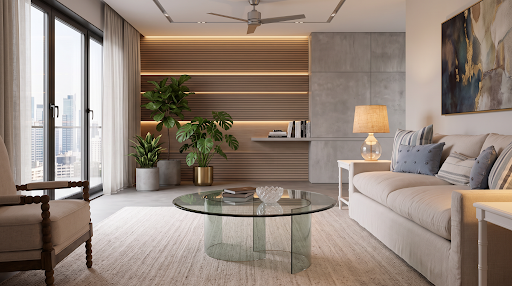
The Round Clear Tempered Glass Tabletop: Clarity, Safety, Style
PAGE
By PAGE Editor
Glass tabletops have become a timeless choice in American homes and commercial spaces because they combine durability with a clean, modern appearance. Whether you're restoring an antique dining table, protecting a wood surface, or designing a custom piece of furniture, selecting the right glass matters more than many people realize. A round clear tempered glass table top offers both visual appeal and practical performance. Unlike standard annealed glass, tempered glass undergoes a specialized heat-treatment process that significantly increases its strength while improving safety. Understanding thickness, sizing, edge profiles, weight capacity, and maintenance can help you choose a tabletop that performs well for years rather than simply looking attractive on the day it's arrives.
This guide explains everything homeowners, designers, contractors, and furniture enthusiasts should know before selecting a circular glass tabletop.
Why Tempered Glass Is the Preferred Choice
Tempered glass is manufactured by heating ordinary glass to extremely high temperatures before rapidly cooling it. This process creates compressive stress on the surface, making the finished panel considerably stronger than conventional glass.
One of its greatest advantages is safety. If subjected to sufficient force, tempered glass breaks into relatively small, blunt fragments instead of long, razor-sharp shards. This characteristic makes it the preferred material for furniture, shower enclosures, commercial interiors, and many residential applications throughout the United States.
Beyond safety, tempered glass also offers improved resistance to everyday impacts, scratches from normal use, and thermal stress caused by changing room temperatures.
Common Uses for Round Glass Tabletops
Round tabletops fit naturally into a variety of interior styles because they soften the appearance of a room while encouraging conversation and efficient use of space. Some of the most common applications include:
Dining tables
Kitchen breakfast tables
Coffee tables
Side tables
Patio furniture
Conference tables
Reception areas
Restaurant tables
Protective covers for wood furniture
Decorative display tables
Because round tables eliminate sharp corners, they're also popular in households with children and in high-traffic commercial environments.
Choosing the Right Diameter
The diameter determines how comfortably people can use the table and how well it fits within a room.
Smaller diameters between 24 and 36 inches work well for accent tables and compact breakfast nooks. Medium sizes around 42 to 48 inches comfortably accommodate four people, making them a common choice for family dining spaces.
Larger tabletops measuring 54 to 60 inches typically seat six people without feeling cramped, while oversized options exceeding 72 inches are often found in conference rooms, restaurants, and expansive dining areas.
Before selecting a size, it's helpful to leave approximately 36 inches of clearance around the table so chairs can move comfortably without obstructing walkways.
Understanding Glass Thickness
Thickness directly affects both structural performance and aesthetics.
1/4-inch Glass
Quarter-inch glass is commonly used as a protective cover placed over an existing wood or stone tabletop. Since the supporting surface carries the weight, thinner glass performs well in these situations.
3/8-inch Glass
This thickness offers an excellent balance between strength and elegance. It's frequently selected for standalone tables with continuous support around the perimeter.
1/2-inch Glass
Half-inch tempered glass provides a premium appearance while delivering excellent rigidity. It's especially popular for pedestal bases where the glass spans open space without full support underneath.
3/4-inch Glass
Although less common in residential settings, thicker glass creates a luxurious architectural appearance and is typically specified for commercial environments or exceptionally large tables.
The appropriate thickness ultimately depends on how the tabletop will be supported rather than simply its diameter.
Edge Finishes Matter More Than You Think
The edge treatment affects both safety and appearance.
Flat Polished Edge
This contemporary finish features smooth, clean lines and complements modern interiors. It remains one of the most popular options for minimalist furniture.
Pencil Polished Edge
Rounded slightly along the perimeter, this profile offers a softer appearance while making the edge more comfortable to touch.
Beveled Edge
A beveled edge creates an elegant transition around the perimeter, reflecting light beautifully and adding visual depth. It pairs particularly well with traditional furniture and upscale dining tables.
The right edge profile depends largely on the surrounding décor and whether the tabletop serves as a functional surface or a decorative centerpiece.
How Weight Capacity Depends on Support
Many people assume thicker glass automatically means a stronger table, but support design plays an equally important role. Glass resting on a solid tabletop experiences minimal stress because the weight is evenly distributed. By contrast, glass supported only by a central pedestal or a limited number of contact points must withstand greater bending forces. Manufacturers typically recommend considering:
Base stability
Number of support points
Distribution of weight
Intended daily use
Overall diameter
Optical Clarity and Light Performance
One reason clear glass remains so popular is its ability to enhance natural light. Unlike wood or opaque materials, transparent glass allows sunlight and artificial lighting to travel throughout a room. Smaller spaces often appear larger because sightlines remain unobstructed.
Interior designers frequently use glass furniture to create visual openness in apartments, condominiums, home offices, and contemporary living rooms where maximizing perceived space is important.
Clear tempered glass also showcases decorative table bases, intricate flooring, and patterned rugs that might otherwise remain hidden.
Indoor vs. Outdoor Applications
Glass performs exceptionally well both indoors and outdoors when used appropriately. For outdoor patios, tempered glass resists weather exposure better than many alternative tabletop materials. However, proper support remains essential because uneven surfaces may introduce stress.
Outdoor furniture also benefits from regular cleaning to remove pollen, dust, hard water deposits, and environmental contaminants.
Indoor tabletops generally experience less environmental stress, although placing hot cookware directly onto any glass surface without protection is not recommended.
Measuring for a Replacement Tabletop
Accurate measurements prevent installation problems. When replacing an existing glass top, measure the diameter across the widest points using a steel measuring tape.
If replacing damaged glass, verify the table base dimensions rather than relying solely on previous measurements, as older tabletops occasionally extend beyond the base differently than expected. Also consider:
Desired overhang
Edge clearance
Base dimensions
Mounting pads
Rubber bumpers
Cleaning Without Damaging the Surface
Fortunately, tempered glass requires relatively little maintenance. A microfiber cloth paired with a quality ammonia-free glass cleaner usually removes fingerprints, dust, and everyday smudges without leaving streaks.
Avoid abrasive pads, steel wool, or harsh scouring powders that may scratch the polished edges or surrounding hardware.
For stubborn residue, allowing the cleaner to sit briefly before wiping typically produces better results than excessive scrubbing.
Routine cleaning helps preserve clarity while maintaining the polished appearance many homeowners appreciate.
Safety Tips for Everyday Use
Although tempered glass is engineered for durability, sensible precautions extend its lifespan. Avoid striking the edges with hard objects, as impacts near the perimeter are more likely to damage tempered glass than impacts on the center surface.
Heavy concentrated loads should also be distributed whenever possible. Instead of placing significant weight in one location, spreading items across the surface reduces stress.
Using protective pads beneath decorative objects and replacing worn rubber bumpers can further minimize unnecessary pressure points. These simple habits help maintain both appearance and structural integrity over time.
Comparing Glass with Other Tabletop Materials
Each tabletop material offers distinct advantages depending on the intended use. Glass provides exceptional visual openness and complements virtually any interior style. Wood offers warmth and traditional character but requires more maintenance to protect against scratches, moisture, and staining.
Stone delivers outstanding durability yet adds considerable weight and often requires reinforced furniture bases. Acrylic is lighter than glass and more impact-resistant, although it scratches more easily and may lose clarity over time.
For many homeowners, tempered glass strikes an excellent balance between elegance, longevity, maintenance, and everyday practicality.
Design Trends Across American Homes
Interior design trends continue moving toward brighter, more open living spaces. Round glass tables fit particularly well within modern farmhouse, Scandinavian, contemporary, coastal, industrial, and transitional interiors because they blend with nearly every color palette. Mixed-material furniture has also gained popularity. Black metal bases, natural oak pedestals, brushed brass frames, and sculptural concrete supports frequently pair with clear glass to create visually balanced spaces.
Rather than dominating a room, transparent furniture allows architectural features and decorative accents to become the focal point.
Environmental Considerations
Glass is an environmentally responsible material in several respects. Its long service life reduces replacement frequency, and glass itself can be recycled in many municipal recycling systems when processed appropriately.
Because tempered glass remains durable for decades under normal use, it contributes to furniture longevity instead of encouraging frequent replacement.
Choosing well-manufactured materials designed for extended use aligns with broader sustainability goals while reducing unnecessary waste.
Final Thoughts
Selecting the right tabletop involves more than choosing a diameter. Thickness, support design, edge finish, intended use, and proper maintenance all influence long-term performance. A round clear tempered glass table top combines safety, strength, and timeless design, making it one of the most versatile furniture surfaces available. Whether protecting an existing table or completing a custom furniture project, understanding these technical considerations helps ensure the finished tabletop remains functional, attractive, and dependable for many years.
By taking accurate measurements, selecting an appropriate thickness, and following basic care practices, homeowners and professionals alike can enjoy the clarity, durability, and enduring appeal that tempered glass continues to bring to residential and commercial interiors.
HOW DO YOU FEEL ABOUT FASHION?
COMMENT OR TAKE OUR PAGE READER SURVEY
Featured


Better With Age’s FW26 “STOLEN ART” collection expands its circular design philosophy into refined tailoring and limited-edition eyewear, transforming vintage textiles and antique silver flatware into contemporary pieces with a distinct sense of history.