
The Art and Science of Creating Beautiful and Functional Outdoor Spaces Through Modern Design Practices
PAGE
By PAGE Editor
Understanding the Importance of Outdoor Space Development
Outdoor environments play a significant role in enhancing the overall beauty, comfort, and value of any property. A well-designed outdoor space not only improves visual appeal but also provides a relaxing and functional area for daily use. In modern property development, more attention is being given to outdoor aesthetics and usability because people now understand the value of balanced living spaces. This is where landscaping becomes an essential practice, as it focuses on designing, arranging, and maintaining outdoor areas in a structured and visually appealing manner. The growing demand for landscaping reflects a shift toward creating environments that are both functional and naturally beautiful. Proper landscaping transforms ordinary spaces into well-organized and inviting areas that improve overall quality of life and property value.
The Role of Design in Enhancing Outdoor Environments
Design plays a critical role in shaping outdoor spaces into functional and attractive environments. It involves careful planning of plants, pathways, structures, and open areas to create harmony between natural and built elements. Effective landscaping ensures that every part of the outdoor space serves a purpose while maintaining visual balance. The process of landscaping includes analyzing soil conditions, sunlight exposure, and available space to determine the best design approach. A well-planned landscaping strategy improves not only aesthetics but also usability, making outdoor areas suitable for relaxation, gatherings, and recreational activities. It also enhances environmental balance by integrating greenery that improves air quality and reduces heat. Through thoughtful landscaping, outdoor areas become extensions of indoor living spaces, offering comfort and functionality.
Improving Property Value Through Outdoor Enhancement
One of the most important benefits of professional outdoor design is its impact on property value. A well-maintained and visually appealing exterior creates a strong first impression and increases market attractiveness. Landscaping plays a major role in achieving this improvement by adding structure, greenery, and aesthetic balance to outdoor areas. Properties with well-executed landscaping are often perceived as more valuable because they reflect care, maintenance, and attention to detail. This makes landscaping a smart investment for homeowners and property developers who want to increase long-term returns. In addition to financial benefits, landscaping also enhances lifestyle quality by creating peaceful and enjoyable outdoor environments. Whether for residential or commercial properties, landscaping significantly contributes to overall appeal and functionality.
Environmental Benefits of Structured Outdoor Design
Modern outdoor design practices are not only focused on aesthetics but also on environmental sustainability. Green spaces help reduce air pollution, regulate temperature, and support biodiversity. Landscaping contributes to environmental balance by incorporating plants, trees, and natural elements that improve ecological health. Proper landscaping also helps manage water runoff, reduce soil erosion, and support natural drainage systems. These environmental benefits make landscaping an important part of sustainable development practices. By integrating natural elements into outdoor design, landscaping promotes a healthier and more balanced ecosystem. It also helps reduce the urban heat effect, making outdoor and surrounding indoor environments more comfortable. Sustainable landscaping practices ensure that outdoor spaces remain environmentally friendly while maintaining their visual appeal.
Creating Functional and Usable Outdoor Spaces
Outdoor areas are not just for visual enhancement; they also serve functional purposes in daily life. Proper design ensures that spaces can be used for relaxation, entertainment, gardening, or social gatherings. Landscaping focuses on creating structured layouts that maximize usability while maintaining aesthetic value. This includes designing pathways, seating areas, green zones, and decorative elements that enhance both beauty and functionality. Through effective landscaping, even small outdoor areas can be transformed into practical and enjoyable spaces. The goal is to create environments that meet the needs of users while maintaining harmony with natural surroundings. Functional landscaping ensures that outdoor spaces are not wasted but are fully utilized for comfort and convenience.
Plant Selection and Natural Balance in Design
Plants are one of the most important elements in outdoor design, as they bring life, color, and freshness to any space. Selecting the right plants based on climate, soil type, and maintenance requirements is essential for successful landscaping. Proper plant selection ensures long-term growth and reduces maintenance efforts. Landscaping involves carefully arranging plants to create balance, texture, and seasonal variety. Trees provide shade and structure, while shrubs and flowers add color and detail. A well-planned landscaping design uses plant diversity to create visual interest and ecological balance. This combination of natural elements enhances the overall atmosphere and creates a peaceful outdoor environment that supports relaxation and well-being.
Hardscape Elements and Structural Integration
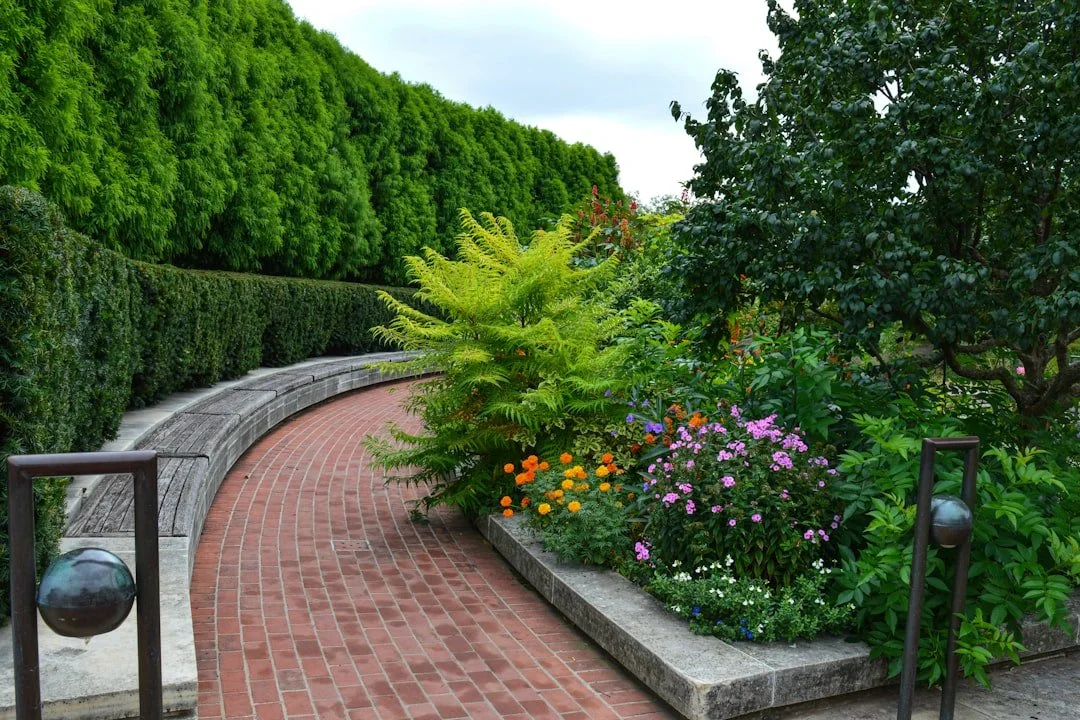
In addition to plants and greenery, structural elements play an important role in outdoor design. These include pathways, patios, walls, fountains, and seating structures that add functionality and style. Landscaping combines both natural and structural components to create a complete outdoor environment. Hardscape elements provide stability and organization, while softscape elements like plants add beauty and softness. The balance between these two components is essential for effective landscaping. Proper integration ensures that outdoor spaces are both durable and visually appealing. It also improves usability by creating clear pathways and functional zones within the space. This combination of structure and nature is what makes modern landscaping so effective and versatile.
Maintenance and Long-Term Care of Outdoor Spaces
Maintaining outdoor environments is essential for preserving their beauty and functionality over time. Without regular care, plants can overgrow, structures can deteriorate, and overall appearance can decline. Landscaping includes ongoing maintenance practices such as trimming, watering, fertilizing, and seasonal adjustments. These activities ensure that outdoor spaces remain healthy and visually appealing throughout the year. Regular landscaping maintenance also helps prevent damage caused by pests, weather changes, and environmental factors. By maintaining outdoor areas properly, property owners can ensure long-lasting beauty and functionality. Consistent care is essential for preserving the investment made in landscaping and ensuring that spaces continue to provide value over time.
Psychological and Lifestyle Benefits of Green Spaces
Outdoor environments have a significant impact on mental health and overall well-being. Green spaces provide a sense of relaxation, reduce stress, and improve mood. Landscaping helps create these beneficial environments by incorporating natural elements that promote peace and comfort. Spending time in well-designed outdoor areas can improve focus, reduce anxiety, and enhance overall lifestyle quality. Landscaping contributes to creating environments that encourage outdoor activity and social interaction, which further supports mental and physical health. A well-designed outdoor space becomes a personal retreat where individuals can relax and recharge. This connection between nature and well-being highlights the importance of thoughtful outdoor design.
Conclusion: The Value of Thoughtful Outdoor Design
Creating beautiful and functional outdoor environments requires careful planning, creativity, and consistent maintenance. Landscaping plays a central role in transforming ordinary spaces into well-balanced and visually appealing areas that enhance both property value and quality of life. It combines natural and structural elements to create environments that are practical, sustainable, and aesthetically pleasing. From improving environmental balance to supporting mental well-being, landscaping offers a wide range of benefits that extend beyond appearance. As modern lifestyles continue to evolve, the importance of well-designed outdoor spaces will continue to grow, making landscaping an essential part of property development and long-term living comfort.
HOW DO YOU FEEL ABOUT FASHION?
COMMENT OR TAKE OUR PAGE READER SURVEY
Featured



Better With Age’s FW26 “STOLEN ART” collection expands its circular design philosophy into refined tailoring and limited-edition eyewear, transforming vintage textiles and antique silver flatware into contemporary pieces with a distinct sense of history.