
The Art of Slow Supper
PAGE
By PAGE Editor
There is a particular kind of evening that has become rare. The light is going amber, the table is still crowded with plates nobody is rushing to clear, a bottle sits half finished and the conversation has wandered somewhere unexpected. No one has checked a phone in an hour. Nobody wants to be the first to leave.
This is the slow supper, and it is having a quiet revival. Not as a trend with a hashtag, but as a reaction to the speed of everything else: meals eaten standing at the counter, delivery dinners in front of a screen, lunch typed one-handed between emails. The slow supper pushes back. It treats eating together as an event worth preparing for, sitting through and remembering.
A Meal as a Cultural Act
Every culture has its version of the long table. The Italian Sunday lunch that drifts into evening. The Spanish sobremesa, the time spent talking after the food is gone. The Scandinavian idea of a candlelit, unhurried evening indoors. What they share is a refusal to treat food as fuel. The meal is the point, and the time around it matters as much as what is on the plate.
Slow living borrows from all of these. It is less a set of rules than a mindset: do fewer things, do them with attention, and let the ordinary rituals of daily life carry more meaning. Supper is the most natural place to start because it already happens every day. It just needs to be given room. Much of the same thinking runs through the wider culture conversation right now, from design to dress: a turn toward the considered, the tactile and the lasting.
Setting the Scene
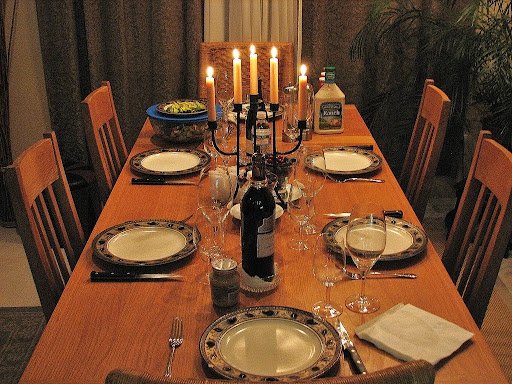
A slow supper begins before anyone sits down. The table is the stage, and setting it with care tells guests, even if the only guest is your partner on a Tuesday, that this is not a meal to rush.
It does not need to be elaborate. A few principles go a long way:
Choose natural materials. Wood, stoneware, glass and cloth feel warm and age gracefully. They invite touch in a way that plastic and paper do not.
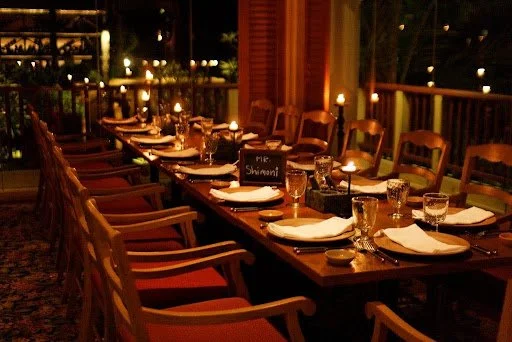
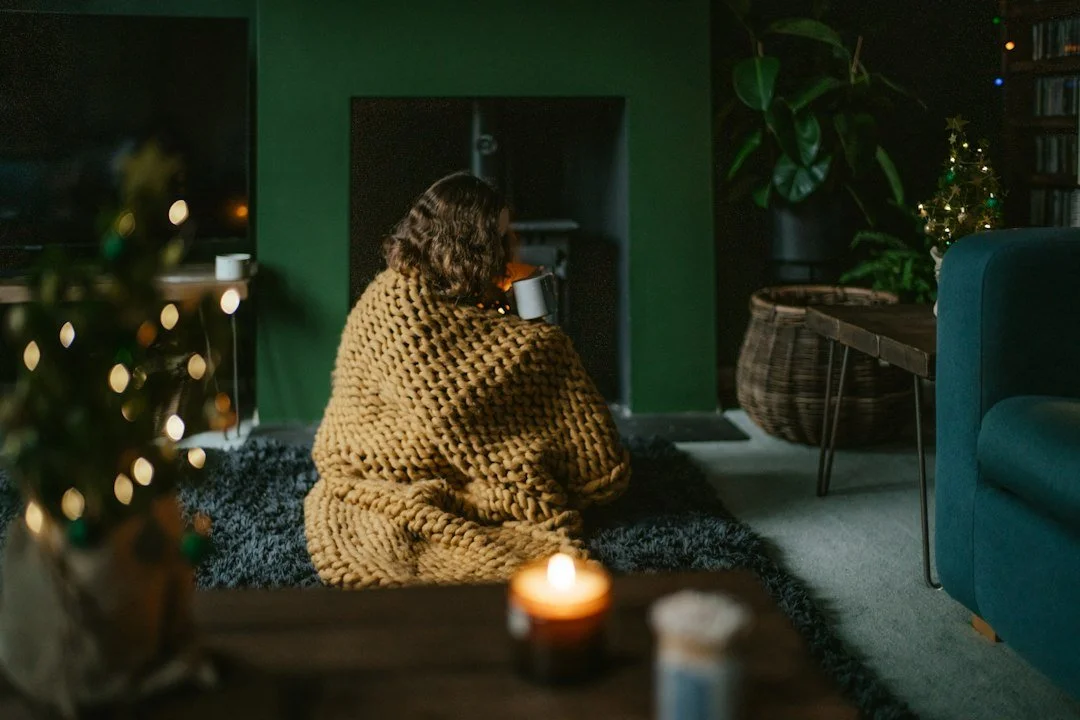
Lower the lights. Candles change the pace of a room instantly. People speak more softly, sit back and stay longer.
Bring something living to the table. A jar of garden herbs, a few branches or a bowl of seasonal fruit says more than a formal arrangement.
Use cloth. Paper napkins signal convenience; cloth signals care. A set of washable linen napkins, softened by repeated use and a little creased, captures the spirit of the slow table perfectly: practical, absorbent and beautiful precisely because it is meant to be used again and again.
There is a sustainability thread running through this, too. Reusable cloth replaces disposable paper, and choosing durable textiles over throwaway ones fits the same circular thinking behind efforts like FABSCRAP's textile recycling work. Linen in particular has a gentle footprint: flax grows with relatively little water and the fabric lasts for years.
What to Cook
The slow supper is not about technical cooking. It favors dishes that forgive a late guest and taste better shared:
Something that braises. A pot of beans, a stew or a slow-roasted shoulder can sit in a low oven while everyone talks.
Something to tear and pass. A good loaf, flatbreads or a board of cheese and pickles keeps hands busy and conversation moving.
Something seasonal and simple. A salad of whatever is best at the market, dressed at the last minute.
Something sweet and unfussy. Fruit baked with a little sugar, a cake made that afternoon, or simply chocolate broken into pieces.
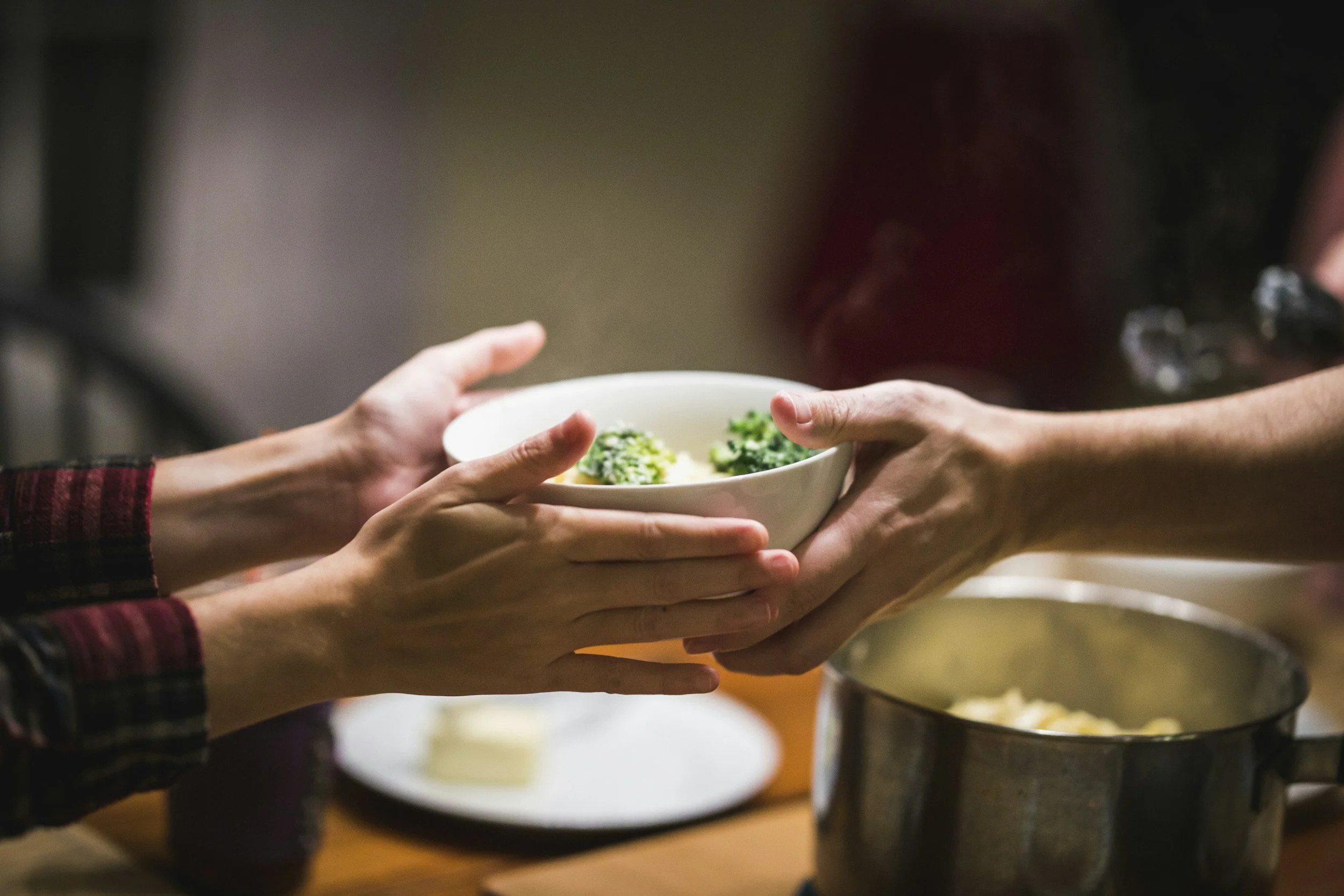
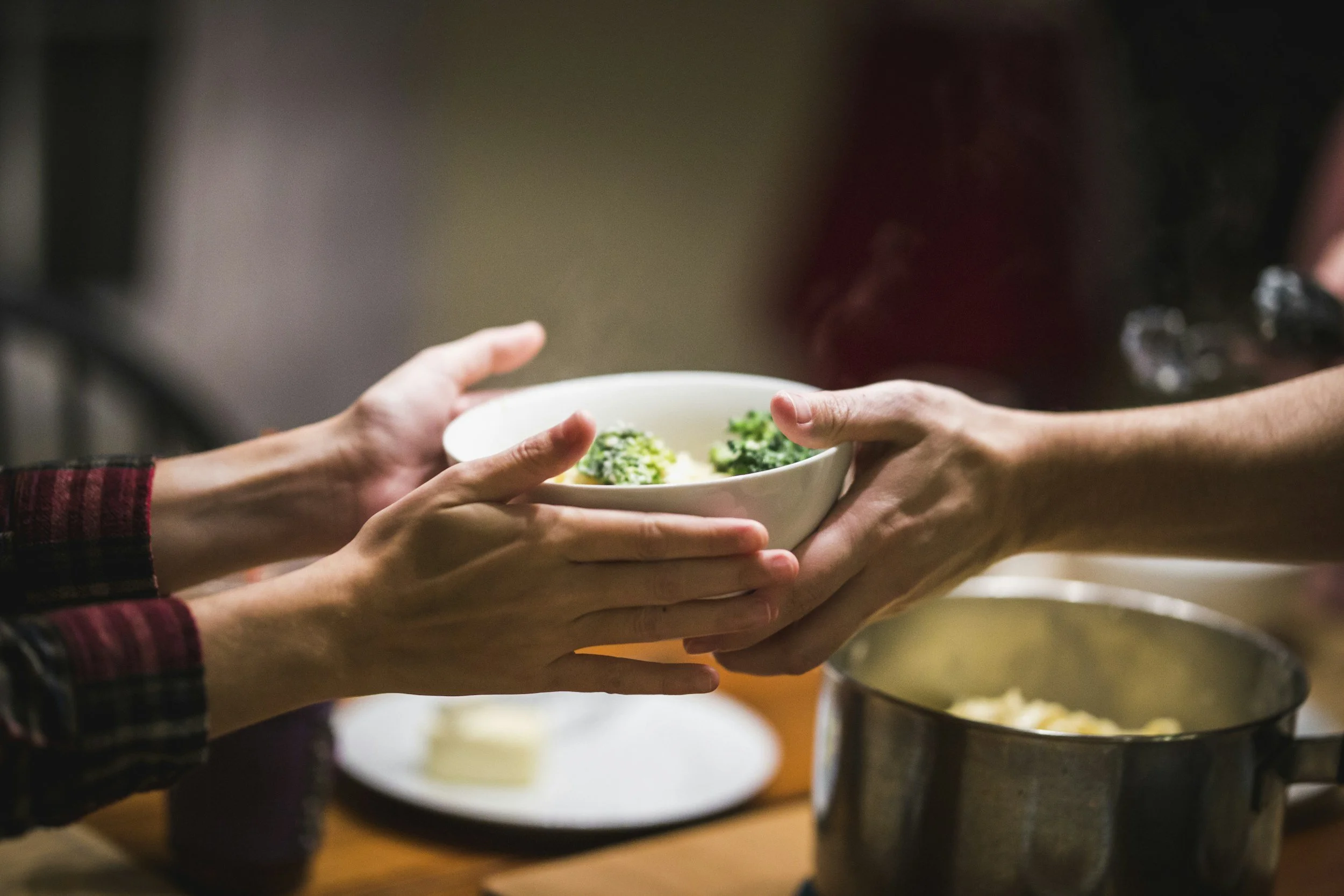
Serving family style, with dishes in the middle of the table, matters more than the recipes. Passing plates creates small moments of connection and makes the meal feel communal rather than plated and portioned.
The Unwritten Rules of Lingering
A slow supper is defined less by what is served than by how the time is spent. A few quiet agreements help:
Phones away. Out of sight, ideally in another room.
No rush to clear. Empty plates can wait. The conversation cannot.
Courses with gaps. Leave space between dishes. Hunger returns; so does curiosity.
Ask better questions. Swap "How was work?" for "What surprised you this week?"
Let silence happen. A pause at a slow table is comfortable, not awkward.
Small Rituals, Every Day
Not every night can be a three-hour feast, and that is fine. The idea scales down beautifully. Lighting a single candle on a weeknight, laying out cloth instead of paper, eating at the table rather than the sofa: each of these small choices borrows a little of the slow supper's spirit. Over time, they turn an ordinary routine into something closer to a ritual.
Many people who adopt the habit find it changes how they shop and cook, too. Fewer impulse meals, more planning around what is in season, more willingness to spend an afternoon making something rather than ordering it in.
Why It Matters Now
The appeal of the slow supper is easy to understand. In a world built for speed, it offers the opposite: time that is not optimized, a table that is not a workstation, and company that is fully present. It costs very little. It asks only for attention.
So set the table properly tonight. Fold the napkins, light a candle, cook something that takes its time. Then sit down, and stay a while longer than you planned.
HOW DO YOU FEEL ABOUT FASHION?
COMMENT OR TAKE OUR PAGE READER SURVEY
Featured


Sedentary work habits and daily screen time are inspiring many to embrace simple postural routines and gentle adjustments to ease neck tension and stiffness.