
The Elements That Give a Room Its Character: Light, Color, and Texture
PAGE
By PAGE Editor
Some rooms feel welcoming the moment you walk into them. Others, despite having beautiful furniture and expensive finishes, seem strangely flat or uncomfortable. The difference often comes down to details that are easy to overlook: the quality of light, the relationship between colors, and the way different materials work together.
Interior design is not simply about choosing attractive objects. It is about creating a visual environment in which every element contributes to the overall atmosphere. Understanding how these elements interact can make a significant difference, whether you are decorating a single bedroom or planning an entire home.
For homeowners who are still exploring their preferred style, interior design AI free tools offer a way to experiment with different visual directions and see how design ideas might translate into an actual room.
Light Changes the Way We Experience a Room
Lighting is often treated as a finishing detail, but it has a much greater influence on interior design than many people realize.
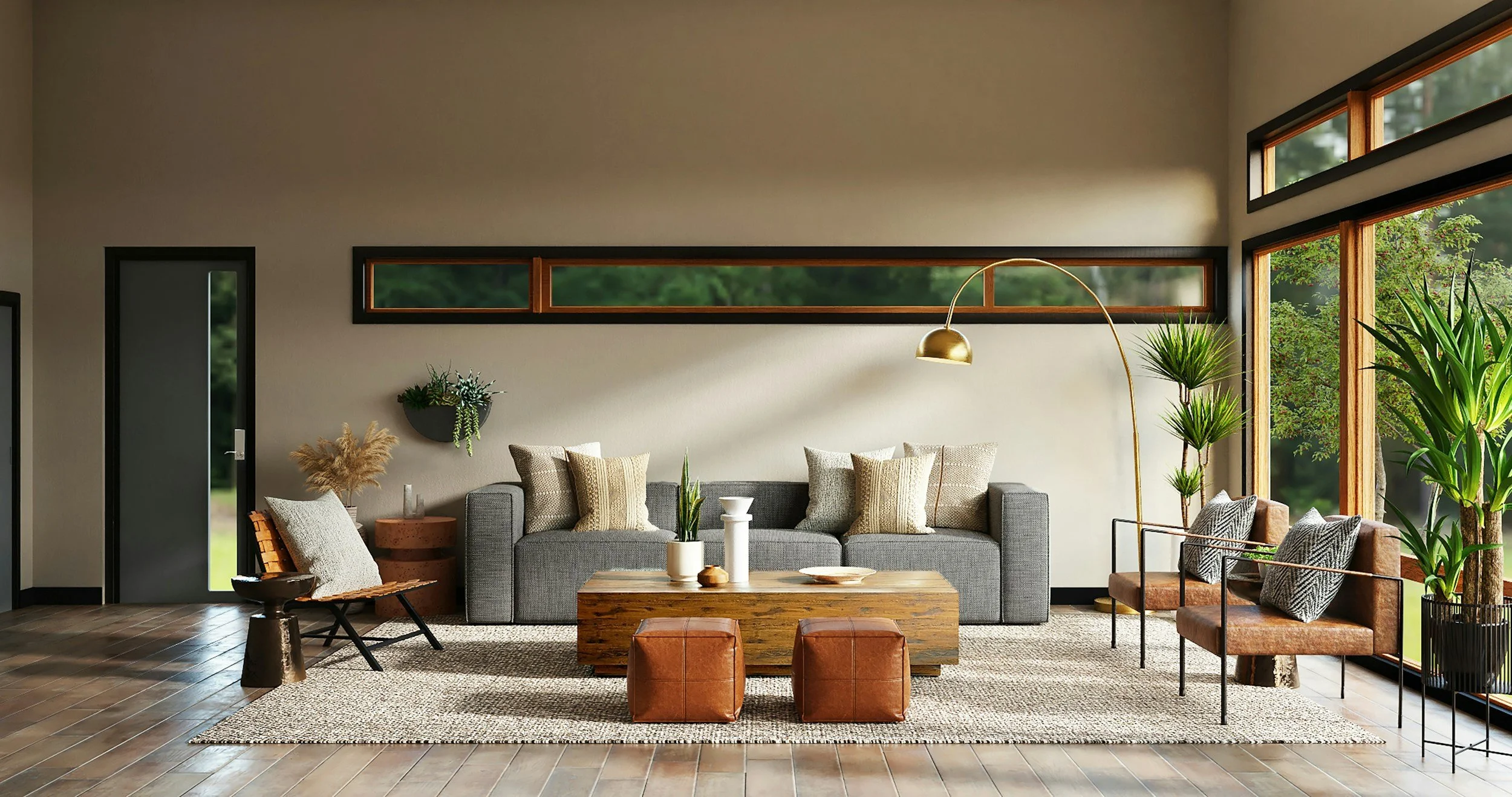
Natural daylight can make a room feel open and energetic, while softer evening lighting creates a more relaxed atmosphere. The direction of sunlight also affects how wall colors, furniture finishes, and decorative materials appear throughout the day.
Artificial lighting deserves the same attention. Relying on a single ceiling fixture can leave a room feeling flat. Combining ambient lighting with task lighting and smaller accent lights creates more depth and allows different parts of the room to serve different purposes.
A reading corner, for instance, benefits from focused illumination, while a living room may feel more comfortable with a combination of indirect lighting and warm table lamps.
The best lighting arrangement is one that responds to both the architecture and the activities taking place in the room.
Color Is About Relationships, Not Individual Choices
Choosing a color for a wall is relatively easy. Making that color work with everything else in the room is considerably more challenging.
A muted green might look beautiful alongside natural oak furniture, but the same shade could feel completely different when paired with cool gray flooring. Warm whites, earthy browns, soft blues, and deeper accent colors each create different visual relationships depending on the surrounding materials and lighting conditions.
Rather than selecting colors individually, it helps to think in terms of a complete palette.
A useful approach is to establish a dominant color, introduce complementary secondary tones, and use smaller accents to create contrast. This doesn't mean every room needs to follow a strict formula. The goal is simply to create enough visual consistency for the space to feel intentional.
It is also worth considering how the colors of adjoining rooms work together, particularly in homes with open-plan layouts.
Texture Gives a Space More Depth
A room decorated entirely in smooth, matching surfaces can sometimes feel lifeless, even when the colors are carefully chosen.
Texture introduces another dimension. Linen curtains, wooden furniture, woven rugs, stone surfaces, and upholstered seating each contribute a different visual and tactile quality.
The contrast between these materials is often what makes a room interesting.
Consider a neutral living room with a simple sofa and pale walls. Adding a textured wool rug, a natural wood coffee table, and linen cushions can create a much richer atmosphere without introducing strong colors or excessive decoration.
The same principle works in bedrooms, where layered bedding, soft fabrics, and subtle differences in surface finishes can make the space feel more comfortable.
Good material choices don't necessarily need to be expensive. What matters is how they complement one another.
Finding a Balance Between Inspiration and Personal Taste
Design trends can provide useful inspiration, but following them too closely can make a home feel disconnected from the people who live in it.
Someone drawn to minimalist interiors may appreciate clean lines and uncluttered surfaces, while another person may prefer layered textiles, collected objects, and warmer decorative details. Neither approach is inherently better.
The challenge is finding a direction that reflects personal preferences while remaining appropriate for the room itself.
This is where visual experimentation becomes valuable. Comparing different styles, finishes, and color combinations can help clarify what feels right before making purchases.
AI-generated design concepts can provide a useful starting point, particularly when someone has a general idea of the atmosphere they want but hasn't yet worked out the details. However, inspiration images should be treated as references rather than finished specifications. Real lighting, material samples, furniture dimensions, and everyday needs still matter.
Why the Small Details Matter
A successful interior rarely depends on one dramatic feature. More often, it is the result of several thoughtful decisions working together.
The position of a lamp, the proportion of a rug, the contrast between two materials, or the amount of open space around a piece of furniture can all influence how a room feels.
These details are easy to dismiss individually, but their combined effect is what gives an interior its character.
A well-designed room doesn't need to be filled with expensive furniture or elaborate decoration. It needs a sense of balance, a clear visual direction, and an understanding of how people will use the space.
Ultimately, good interior design is less about making a room look impressive and more about making every element feel as though it belongs.
HOW DO YOU FEEL ABOUT FASHION?
COMMENT OR TAKE OUR PAGE READER SURVEY
Featured




Some rooms feel welcoming the moment you walk into them.