
The New Language of Luxury Gifting: Jewellery With Meaning and Longevity
PAGE
By PAGE Editor
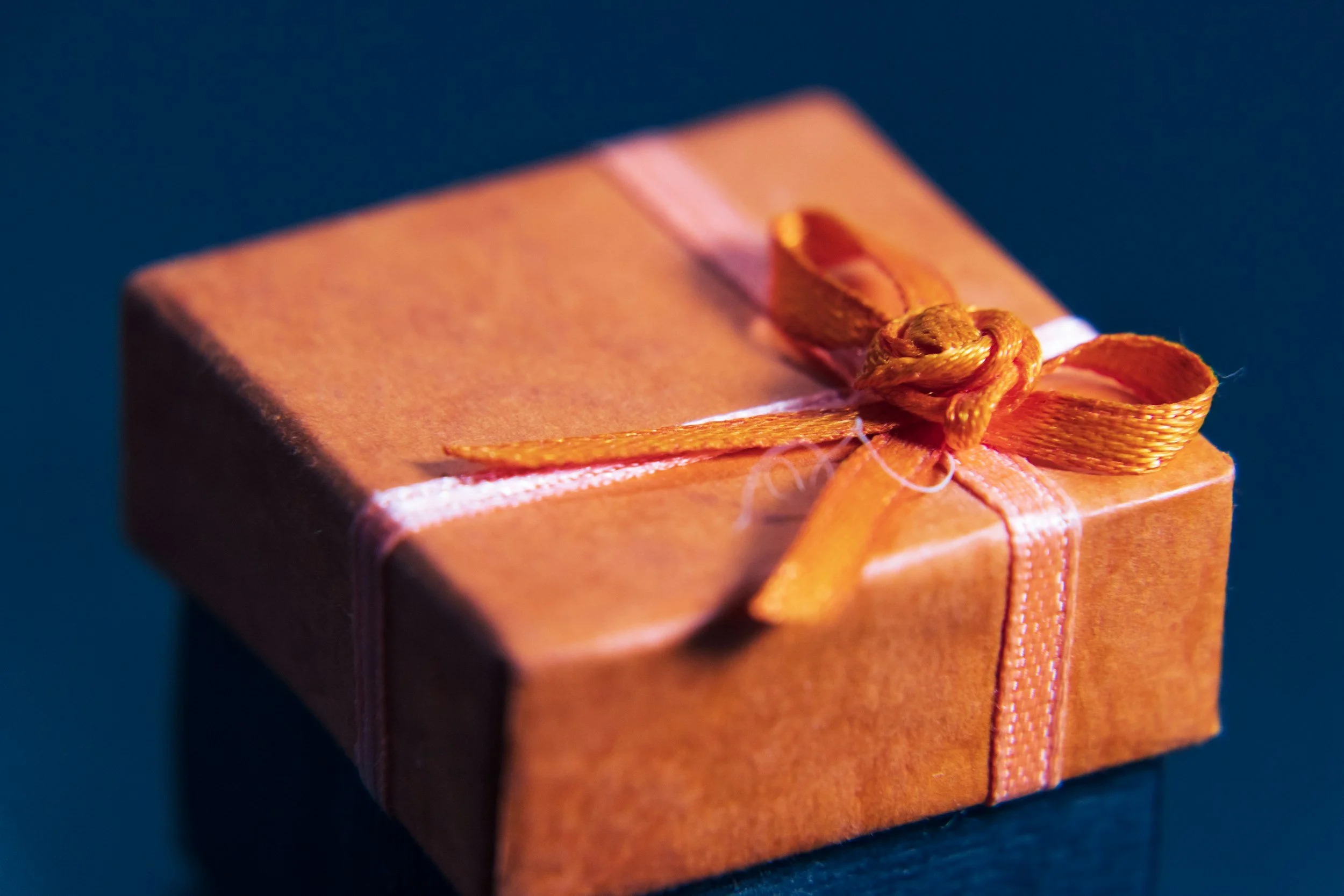
There is a particular kind of panic that sets in about a fortnight before someone's birthday. You know the one. You've scrolled through three department store websites, stood far too long in front of a candle display, and started wondering whether a bottle of something expensive counts as thoughtful if you pick a decent vintage. The person in question, of course, already has everything. Or at least everything you can think of.
Most of us have been on both ends of this. We've received the beautifully wrapped present that was clearly expensive and quietly baffling, and we've probably given one or two ourselves. Nobody means for it to happen. It's just that when you can't work out what someone wants, spending more feels like the safest way to show you care.
Yet something has shifted in the way many of us think about luxury gifting. Price still matters to a degree (let's not pretend otherwise), but it no longer does the talking on its own. What people seem to want now, both to give and to receive, is something with a bit of thought in it. Something they'll use, wear and keep. Something with a story attached.
Expensive and thoughtful are not the same thing
It's worth separating the two, because they get muddled all the time. An expensive gift says you were willing to spend. A thoughtful gift says you were paying attention.
The difference usually shows itself a few months later. The designer candle has burned down by February. The luxury hamper was polished off by Boxing Day. The clever gadget has joined the others in the kitchen drawer. None of these are bad presents, exactly, but they're consumed or forgotten, and the moment passes with them.
Meaningful gifts tend to work differently. They hold on to something: the occasion, the person who gave them, the feeling of opening the box. Most of us know someone who still wears the slim gold chain they were given for their eighteenth, and who will happily tell you they've barely taken it off since. It probably wasn't the most costly thing they unwrapped that year. It's simply the one that stuck.
The quiet move towards buying less, but better
Plenty of people have grown a little weary of disposable luxury. The endless turnover of "it" bags, the micro-trends that vanish before you've worked out how to wear them, the nagging sense that last season's must-have already looks faintly dated. There's a real appetite now for considered, lasting purchases, and it has spilled over into how we choose presents for other people.
This isn't a new idea at the top end of fashion. Some houses have built their entire reputation on refusing to chase whatever happens to be current, and the thinking behind how Hermès treats longevity as part of its design philosophy makes the point neatly: the objects that endure are usually the ones designed for decades rather than a single season.
Jewellery slots into this shift almost by default. A well-made ring or bracelet doesn't need replacing when the weather turns or the high street moves on. Classic jewellery, in particular, has a habit of staying relevant long after the trend pieces around it have had their moment.
Jewellery that gets worn, not put away
Here's the thing about most luxury gifts. They're either displayed or used up. Jewellery is one of the few that becomes part of ordinary life. It comes to the office, on the school run, out to dinner and round the supermarket on a wet Tuesday evening.
That repetition is where the meaning quietly builds. Every time someone fastens a bracelet in the morning, there's a small, almost unconscious reminder of where it came from. After a while the piece stops feeling like a gift and starts feeling like part of them.
Which is why everyday wearability matters so much. A statement necklace that only appears at weddings is lovely, but it spends most of its life in a box. The pieces that become genuinely personal are usually the easy ones to live with: simple studs, a fine chain, a ring that looks as right with jeans as it does with a dress. It's a large part of the reason diamond tennis bracelets have held their place for so long. They're understated enough for a Monday, polished enough for a Saturday night, and they tend to become the piece someone reaches for without thinking about it. For a gift, that's about the highest compliment going.
Choose for the person, not the price
The most useful question to ask before buying jewellery for someone isn't how much to spend. It's what they actually wear.
Look properly next time you see them. Do they lean towards yellow gold or white? Do they like delicate pieces, or something with a bit of presence? Are their ears pierced once, twice, not at all? Does their job involve a lot of hand-washing or lifting, which might make a chunky ring impractical? Nurses and chefs, for instance, often can't wear rings at work, so a necklace or bracelet may be the kinder choice.
These small observations tell you far more than any gift guide. They also mean the recipient is likely to feel seen, which is really what thoughtful gifting comes down to. A piece chosen because it suits someone's style carries a different weight to one chosen because it looked impressive under the shop lights.
It's also fine to keep things simple. At milestone birthdays especially, there's a pull towards something grand to match the occasion. Often the opposite works better. A classic piece they'll wear for years will outlast something dramatic that doesn't quite fit who they are.
Marking milestones and relationships
Jewellery has always been bound up with life's bigger moments. Engagements, naturally, but also christenings, graduations, a first proper job, a fortieth, a new baby, a silver wedding anniversary. It gives a physical shape to something that would otherwise only live in memory.
The most personal gifts often carry a detail only the wearer would understand. An eternity ring given after a difficult year. Birthstone earrings for a new mum. A pendant bought on the holiday where you finally said yes. The object itself may be fairly simple. What makes it precious is the story behind it, and the fact that the wearer carries that story around with them every day.
That's the part that never appears on the receipt.
Made to last, and worth looking after
If you're giving something meant to be worn for decades, quality matters. Not in a showy way, but in the practical sense: secure settings, well-finished clasps, metals that can stand up to real life. A beautifully designed piece that loses a stone within a year is unlikely to become anyone's heirloom jewellery.
Care matters too, and it's the bit people tend to forget. Hand cream, perfume, chlorinated pools and the general grime of daily life all take their toll. A little regular attention goes a long way: a gentle clean, storing pieces separately so they don't scratch one another, and having settings checked every so often. Sensible jewellery care habits are what keep a meaningful piece wearable, and looking its best, for years rather than months.
It might even be worth tucking a short note about looking after it into the gift box. It's a small touch, but it quietly says you expect this to be around for a long time.
From present to heirloom
Heirloom jewellery rarely starts life as an heirloom. It begins as a birthday present, an anniversary gift, or a treat someone bought themselves after a hard-won promotion. It becomes an heirloom simply by being loved, worn and, eventually, handed on.
There's something rather lovely about that. Plenty of us have a grandmother's ring or a father's cufflinks sitting in a drawer, and there's been a noticeable shift towards actually wearing inherited pieces rather than locking them away. You only need to look at how heirloom brooches and vintage pins are finding their way back into menswear to see that people want their jewellery to carry some history along with the sparkle.
When you give someone a piece of timeless jewellery, you're giving them something that could one day be passed to someone they love. That's a great deal of meaning to fit into a small box. It's also a very good argument for choosing well.
So what does luxury mean now?
Perhaps the simplest way to put it is this. Luxury used to be measured by what something cost. More and more, it's measured by how long something stays with you, and how much it means while it does.
The luxury gifts people remember aren't always the grandest. They're the ones that became woven into a life: the bracelet worn through a decade of ordinary weekdays, the ring that was there on the wedding day and through everything that followed, the necklace a daughter now wears that once belonged to her mum.
So the next time you find yourself stuck in front of that candle display, try asking a different question. Not what will impress them, but what will they still be wearing in ten years? The answer is usually the more personal gift, and very often the better one.
HOW DO YOU FEEL ABOUT FASHION?
COMMENT OR TAKE OUR PAGE READER SURVEY
Featured

A comfortable home should offer more than a place to sleep and eat.