
Understanding the Role of Dilution and Reconstitution in Peptide Research
PAGE
By PAGE Editor
Peptide research has become an important area of study in modern biology, medicine, and pharmaceutical development. As scientists continue exploring how peptides interact with biological systems, careful preparation methods have become a key part of laboratory and clinical research processes.
Two terms that often appear in peptide-related discussions are dilution and reconstitution. Although they may sound technical, these concepts are essential for understanding how researchers prepare certain compounds for testing and analysis. Accurate preparation helps maintain consistency, reduce errors, and ensure that experimental results can be interpreted correctly.
What Are Peptides and Why Are They Studied?
Peptides are short chains of amino acids, which are the building blocks of proteins. Unlike larger proteins, peptides can have specific biological functions depending on their structure and sequence.
Researchers study peptides because some can interact with receptors, enzymes, and other biological pathways. This has created interest in areas such as drug development, biotechnology, and understanding cellular processes.
However, peptide research depends heavily on accuracy. Small differences in preparation, concentration, or storage conditions can influence how a peptide behaves during testing. This is why dilution and reconstitution are important parts of the research process.
What Is Peptide Reconstitution?
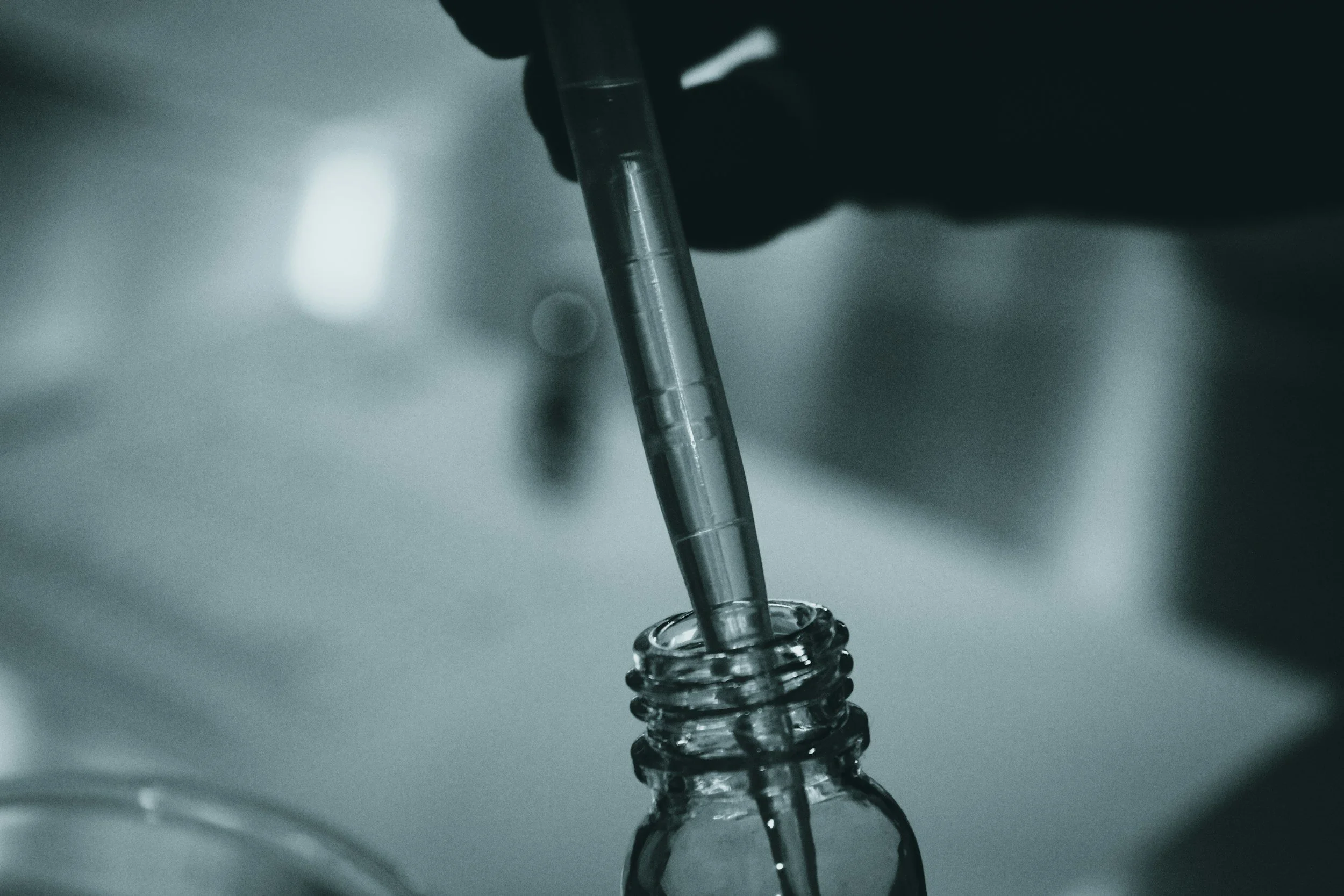
Reconstitution refers to the process of converting a peptide from a dry or powdered form into a liquid solution. Many laboratory compounds are stored in a stable dry state because this can help preserve their properties over time.
Before a researcher can work with a powdered peptide, it may need to be combined with a suitable liquid. The goal is to create a solution with a known concentration that can be measured and used consistently during experiments.
The choice of liquid, handling method, and storage conditions all influence the final solution. Researchers must follow appropriate protocols to maintain accuracy and avoid contamination.
Why Is Dilution Important in Peptide Research?
Dilution involves reducing the concentration of a solution by adding a compatible liquid. In research settings, dilution allows scientists to test different concentrations and observe how biological systems respond.
For example, a researcher may need to compare several concentrations of the same peptide to understand its activity or determine how it interacts with specific cells. Without accurate dilution methods, comparing results between experiments becomes more difficult.
Proper calculations are essential during this stage. Researchers need to know the original concentration, the desired concentration, and the final volume of the solution. Even small calculation mistakes can affect experimental outcomes.
The Importance of Accurate Concentration Measurements
One of the biggest challenges in peptide research is maintaining consistency. Scientists often repeat experiments multiple times to confirm findings, which requires each sample to be prepared in a reliable way.
Accurate concentration measurements help researchers:
• Compare results between different experiments
• Reduce variability
• Understand how different amounts affect biological activity
• Maintain reliable research records
This attention to detail is particularly important in pharmaceutical research, where scientists evaluate compounds before they can move into further stages of development.
Factors That Can Affect Peptide Stability
Peptides can be sensitive molecules, and several factors may influence their stability. These include temperature, exposure to light, storage conditions, and the composition of the solution.
Researchers must consider these factors when preparing and handling peptide solutions. A properly prepared solution may still require controlled storage conditions to maintain its characteristics.
The exact requirements depend on the specific peptide being studied. Different peptides can behave differently, which is why researchers rely on established protocols rather than general assumptions.
Understanding the Role of Diluent Selection
The liquid used during reconstitution or dilution is an important consideration. A suitable diluent should support the intended research process while maintaining the stability of the compound being studied.
In pharmaceutical contexts, researchers may use specialized sterile solutions designed for specific purposes. For example, products such as hospira bacteriostatic water are associated with pharmaceutical preparation and contain benzyl alcohol as a preservative. Their use depends on the specific application, compatibility requirements, and professional guidance.
It is important to understand that preparation materials are not interchangeable. A liquid used for one purpose may not be appropriate for another compound or situation. Researchers must consider compatibility, safety requirements, and established procedures.
Common Mistakes in Peptide Preparation
Because peptide preparation involves careful measurements and handling, mistakes can affect the quality of research. Some common issues include:
Incorrect Concentration Calculations
A calculation error can result in a solution that is too concentrated or too diluted. This can make experimental results difficult to interpret.
Poor Storage Practices
Exposure to unsuitable temperatures or repeated handling can affect peptide stability. Proper storage procedures help protect the integrity of samples.
Lack of Documentation
Detailed records are essential in research. Scientists document preparation methods, concentrations, and storage conditions so results can be reviewed and repeated.
Using Inappropriate Materials
Not every preparation solution works for every peptide. Researchers must select materials based on scientific requirements rather than convenience.
The Role of Quality Control in Peptide Research
Quality control plays a major role throughout the research process. Before a peptide is used in an experiment, scientists may evaluate factors such as purity, concentration, and stability.
Reliable research depends on knowing exactly what is being tested. If a sample contains unexpected impurities or has been improperly prepared, the results may not accurately represent the peptide’s properties.
This is why research laboratories use controlled procedures and validated methods when working with peptides.
How Peptide Research Continues to Develop
Advances in biotechnology have increased interest in peptides and their potential applications. Researchers continue investigating how these molecules can contribute to new therapies, diagnostic tools, and scientific discoveries.
As research expands, preparation methods remain a fundamental part of the process. New technologies may improve peptide stability, measurement techniques, and laboratory efficiency, but careful handling will continue to be essential.
Online discussions about peptides have also increased, with many products and research-related terms becoming more visible. For example, searches related to a klow peptide may appear in conversations about peptide products and research compounds. However, understanding the specific substance, its intended purpose, and the available evidence is necessary before drawing conclusions.
Final Thoughts
Dilution and reconstitution may seem like simple laboratory steps, but they play a critical role in peptide research. Accurate preparation allows scientists to study peptides more effectively and produce reliable results.
From selecting appropriate materials to maintaining proper storage conditions, every stage of peptide handling can influence research quality. As interest in peptide science continues to grow, understanding these foundational processes helps provide a clearer picture of how peptide research is conducted.
While peptides represent an exciting area of scientific exploration, careful methodology remains essential. Reliable research depends not only on the compounds being studied but also on the precision and consistency of the processes used to analyze them.
HOW DO YOU FEEL ABOUT FASHION?
COMMENT OR TAKE OUR PAGE READER SURVEY
Featured





A comfortable home should offer more than a place to sleep and eat.