
The Silent Danger of Relying on Legacy Antivirus Software
PAGE
By PAGE Editor
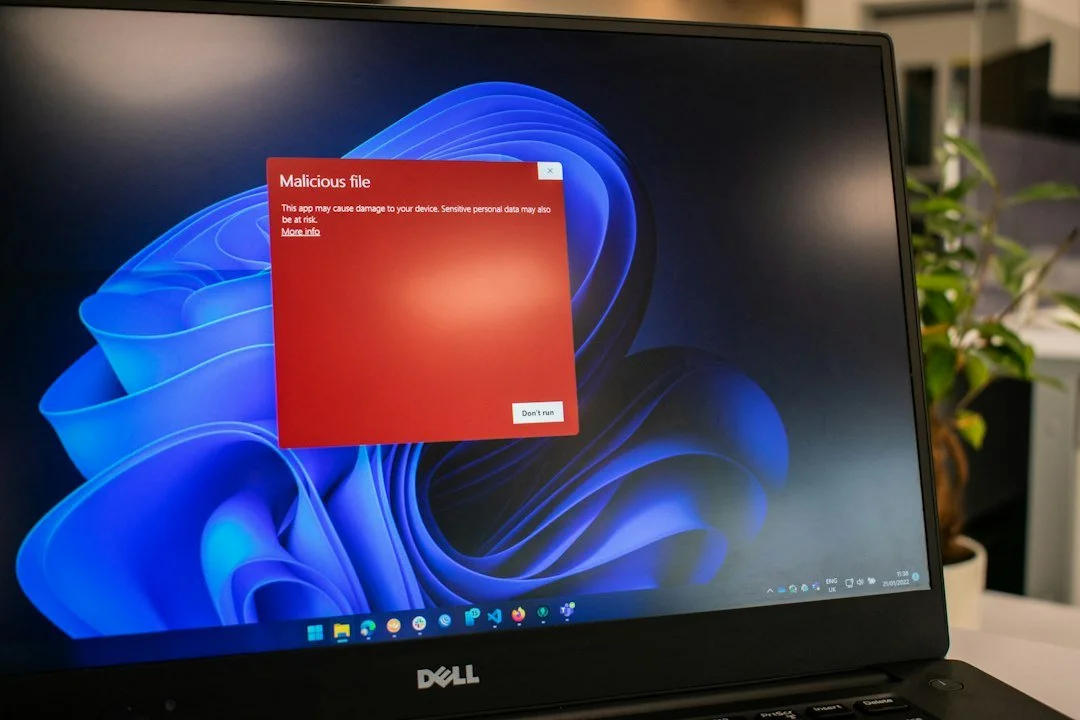
For years, a green checkmark in the bottom corner of a computer screen provided total peace of mind. It meant the antivirus software was running, the definitions were updated, and the network was safe from external threats. Today, that same green checkmark offers little more than a false sense of security. The landscape of digital warfare has evolved drastically, and the basic scanning tools designed a decade ago are no longer equipped to defend against modern, sophisticated infiltration tactics.
Business leaders frequently assume that purchasing a standard commercial antivirus license fulfills their cybersecurity obligations. This assumption leaves corporate networks exposed to devastating financial and operational risks. Official security guidance published by the Cybersecurity and Infrastructure Security Agency (CISA) continuously warns that threat actors routinely bypass basic perimeter defenses, making traditional antivirus software insufficient for stopping the rapid encryption and data exfiltration tactics used in modern ransomware campaigns. Protecting sensitive data requires moving beyond outdated software and implementing dynamic, behavioral security models.
The Mechanics of Legacy Signature-Based Detection
To understand why traditional antivirus fails, you must understand how it operates. Legacy security software relies on a method known as signature-based detection. When the software scans a file, it compares the code of that file against a massive database of known malware signatures. If the code matches a known threat on the blacklist, the software quarantines or deletes the file.
This system worked exceptionally well when cyber threats moved slowly and malware variations were limited. However, modern hackers write automated scripts that slightly alter their malicious code with every single attack. These slight alterations change the digital signature of the payload. Because the newly generated code does not match anything in the antivirus database, the software views the file as safe and allows it to execute. This vulnerability is why upgrading to a dynamic defense model by partnering with a specialized managed IT service partner is highly recommended for businesses handling sensitive client data.
Relying exclusively on signature-based detection means your business is only protected against attacks that have already been identified, analyzed, and categorized by security researchers. It provides absolutely zero defense against newly engineered threats.
The Rise of Fileless Malware and Zero-Day Exploits
Hackers no longer need to trick employees into downloading malicious executable files. The most dangerous modern attacks do not use traditional files at all.
Fileless malware operates entirely within the computer memory and hijacks native, trusted operating system tools to execute commands. A common tactic involves hijacking PowerShell, a legitimate administrative tool built into Windows. Because the antivirus software recognizes PowerShell as a trusted, essential system component, it ignores the malicious activity happening within it. The attackers can extract passwords, escalate their administrative privileges, and move laterally across the corporate network completely undetected.
Zero-day exploits present another massive blind spot. A zero-day is a software vulnerability that the software creator does not yet know about. Hackers exploit these unpatched flaws in common applications like web browsers or PDF readers to bypass the operating system security entirely. Traditional antivirus scanners cannot stop a zero-day exploit because no signature exists for an attack that was invented that same morning.
Transitioning to Endpoint Detection and Response
Securing a modern network requires shifting from passive scanning to active behavioral monitoring. This is where Endpoint Detection and Response (EDR) replaces legacy antivirus.
Instead of looking for known bad files, EDR software monitors the real-time behavior of every device on the network. It establishes a baseline of normal activity for every computer, server, and user. If a process deviates from that normal behavior, the EDR system immediately flags it as suspicious.
For example, if an employee opens an invoice document and that document suddenly attempts to encrypt five thousand files in a fraction of a second, an EDR system recognizes this as ransomware behavior. The system does not need a signature database to know that a text document should not be encrypting system folders. The EDR software will instantly kill the process, quarantine the infected file, and completely sever the compromised computer from the network to prevent the infection from spreading to the main servers.
This automated, microsecond response time is the only effective defense against modern ransomware operations.
The Necessity of Zero Trust Architecture
Upgrading endpoint software is only one component of a resilient security strategy. Companies must also restructure how they manage user permissions by adopting a Zero Trust architecture. The core philosophy of Zero Trust is simple: never trust, and always verify.
In a traditional network environment, an employee who successfully logs in gains broad access to the entire company directory. If a hacker steals that employee password, the hacker also gains that same broad access.
Zero Trust eliminates this risk by enforcing the principle of least privilege. Employees are only granted access to the specific files, applications, and network segments absolutely necessary to perform their daily jobs. Furthermore, every single access request is verified continuously through Multi-Factor Authentication. If a compromised account attempts to access a restricted financial database, the system blocks the request and triggers a security alert, severely limiting the potential blast radius of a stolen password.
Continuous Monitoring and Vulnerability Management
Even the most advanced behavioral detection software will fail if the underlying network infrastructure is poorly maintained. Software vulnerabilities act as open windows for cybercriminals. When developers release security patches for operating systems, firewalls, and third-party applications, those patches must be deployed immediately.
Many organizations rely on manual patching, resulting in critical updates being delayed for weeks or months. Automated vulnerability management ensures that all network hardware and software remain up to date, systematically closing the security gaps that hackers actively scan for.
Cybersecurity is no longer a set-and-forget software installation. It is a continuous operational discipline. Defending against fileless malware, sophisticated phishing campaigns, and automated ransomware requires a layered approach that combines behavioral monitoring, strict access controls, and proactive infrastructure maintenance. Abandoning the false security of legacy antivirus allows your organization to build a resilient, modern defense system capable of adapting to the threats of tomorrow.
HOW DO YOU FEEL ABOUT FASHION?
COMMENT OR TAKE OUR PAGE READER SURVEY
Featured





Twelve times on input and twelve times on output is not a ratio you usually find inside a single vendor's lineup.