
Trapstar: Understanding Its Place in Modern Streetwear

PAGE
By PAGE Editor
Streetwear has developed from a niche form of casual dressing into a major part of contemporary fashion. What once represented a combination of sportswear, music, youth culture, and everyday clothing is now closely connected with identity, creativity, and cultural expression. Within this changing landscape, Trapstar has established a recognizable position by combining a distinctly London perspective with bold visual language and an attitude rooted in the energy of the city.
Rather than being defined only by individual garments, the appeal of this label can be understood through the culture surrounding it. Its approach reflects how modern consumers often use clothing to communicate personality, interests, and a connection with particular communities. This makes its story relevant not only to people interested in clothing but also to anyone exploring the development of contemporary street style.
What Is Trapstar?
At its simplest, Trapstar is a London-rooted streetwear label associated with graphic-led clothing, strong visual identity, and an urban approach to fashion. Its development reflects a wider shift in which independent labels began creating clothing that felt connected to real communities instead of following traditional luxury or mainstream fashion structures.
The appeal of the brand comes partly from this sense of authenticity. Clothing can carry cultural meaning when it reflects the environment, music, creative scenes, and attitudes from which it develops. In this case, the relationship with London has played an important role in shaping its public identity. This background also helps explain why the name is often discussed beyond individual products. It represents an approach to dressing that connects casual clothing with confidence, self-expression, and the wider development of street culture.
The London Roots Behind the Identity
London has long been an important centre for creativity and fashion. Its diverse communities have contributed to different forms of music, art, design, and clothing, creating an environment where styles can develop quickly and cross cultural boundaries. Its identity developed alongside the city's independent creative scene, where limited releases, distinctive graphics, and recognizable visual ideas could generate interest without relying entirely on conventional fashion marketing.
This relationship with the city gives the label a particular character. London is not simply a geographical reference; it provides cultural context. The pace of the city, its multicultural communities, music scenes, and constantly changing street styles all contribute to the environment in which modern British fashion develops. As a result, London streetwear has become more than a way of describing casual clothing. It can represent an attitude toward creativity and individuality, with clothing acting as one part of a much larger cultural conversation.
How the Brand Became Part of Streetwear Culture
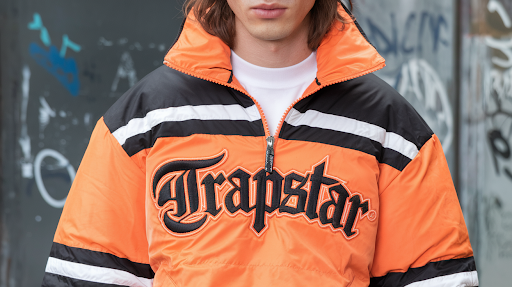
The growth of independent fashion labels has changed how people discover and value clothing. Instead of depending exclusively on large advertising campaigns, smaller names can build recognition through communities, social media, music, creative collaborations, and distinctive design. This environment has been particularly important for streetwear. A successful label often needs to create a recognizable identity rather than simply produce attractive garments. The relationship between clothing and community can become just as important as the physical design itself.
Trapstar clothing reflects this wider development through pieces designed to work within everyday wardrobes while retaining a strong visual presence. Hoodies, jackets, tracksuits, T-shirts, and other casual garments can become expressions of personal style when their graphics, proportions, and branding create a consistent identity. This approach also connects with the broader streetwear movement, in which casual clothing became increasingly influential across different areas of fashion.
Design, Graphics, and Fashion Identity
One of the defining characteristics of contemporary streetwear is the ability to make relatively familiar garments feel distinctive. A hoodie or jacket may have a simple construction, but typography, graphics, placement, colour combinations, and branding can significantly change how it is perceived. Trapstar fashion demonstrates how visual details can contribute to recognition. Rather than depending on complicated silhouettes, an urban label can develop a memorable identity through recurring graphic ideas and a consistent attitude.
Graphic designs are especially important because they can communicate an idea before someone even considers the construction of a garment. They help transform ordinary casual pieces into statement clothing that can become recognizable within a wider community. This is also why fashion identity matters. People do not always choose streetwear simply because it is comfortable. They may choose particular pieces because those clothes represent their personality, interests, cultural connections, or preferred way of presenting themselves.
The Role of Clothing in Modern Urban Fashion

Urban fashion has become increasingly diverse. Today's wardrobes can combine athletic influences, casual basics, vintage references, contemporary tailoring, and traditional streetwear without following one strict formula. Within this environment, Trapstar streetwear fits naturally into a broader preference for relaxed and expressive clothing. The emphasis is often on garments that can move between everyday situations while maintaining a recognizable aesthetic.
This reflects a major change in consumer behaviour. Modern shoppers increasingly look for clothing that can perform more than one role. A piece might be worn casually during the day, incorporated into a layered outfit, or combined with different accessories to create a more individual appearance. The result is a style that feels practical while still communicating personality. This balance between comfort and visual identity is one reason streetwear continues to influence contemporary fashion.
Why the UK Connection Matters
The UK has developed a particularly influential streetwear environment, shaped by music, football culture, youth communities, independent designers, and the diversity of its cities. British streetwear therefore cannot be reduced to one particular look. It represents a collection of influences that have evolved over several decades. Trapstar UK represents one example of how a London-based identity can become relevant to a much wider audience.
The connection with British fashion gives the label cultural context while its visual language allows people outside the country to engage with the aesthetic. This wider reach demonstrates how modern fashion operates. A style can begin within a specific local community and eventually become recognizable internationally without losing all of its original character.
Trapstar and the Changing Streetwear Market
The fashion industry has changed significantly as streetwear has moved closer to the mainstream. Designers, luxury houses, sports companies, musicians, and independent labels increasingly share ideas, audiences, and visual influences. This has created more opportunities for streetwear brands to reach consumers who may previously have focused on entirely different categories of clothing.
At the same time, it has made authenticity more important. With so many companies using similar visual language, consumers often pay closer attention to a label's background and cultural relevance. The significance of Trapstar apparel can therefore be understood within this larger market transformation. Its appeal is connected not only to what people wear but also to the story, atmosphere, and identity that can accompany a clothing label.
How It Influences Contemporary Style
Fashion influence does not always come from introducing a completely new type of garment. Sometimes it comes from changing how familiar clothing is perceived and worn. The influence of London Trapstar can be considered in this way. Casual garments become part of a stronger visual statement when combined with recognizable graphics, coordinated styling, and an attitude associated with urban culture.
This reflects the wider influence of youth culture on fashion. Younger consumers have historically helped move styles from local communities into broader markets, particularly through music, social platforms, creative events, and online communities. The result is a fashion environment in which local ideas can travel quickly. A style developed within one city can become part of an international conversation while continuing to carry traces of its original environment.
What Makes the Label Relevant Today?

The continued relevance of the Trapstar brand comes from the relationship between identity and clothing. Consumers are surrounded by more fashion choices than ever before, so recognition often depends on whether a label has something distinctive to communicate. A strong visual identity can create familiarity, while cultural associations can give that identity greater meaning.
This is particularly valuable in streetwear, where community and personal expression often influence purchasing decisions. Its position also demonstrates how independent fashion can contribute to the larger industry. A label does not necessarily need to follow traditional fashion structures to become influential. Consistency, cultural awareness, recognizable design, and an understanding of its audience can all contribute to long-term relevance.
Trapstar in Everyday Wardrobes
Modern streetwear is increasingly integrated into everyday wear rather than being reserved for specific occasions. This makes versatility an important part of its appeal. A branded hoodie can be paired with denim, while a jacket can add structure to a relaxed outfit. Tracksuits can create a coordinated appearance, whereas graphic T-shirts can provide a simpler way to introduce a streetwear influence.
This flexibility helps explain the continued popularity of urban clothing. People can adapt individual pieces according to their own preferences instead of following one complete outfit formula. The same principle applies to contemporary street style more broadly. Personal styling has become more important than strict rules, allowing individuals to combine different influences and create looks that feel authentic to them.
The Wider Cultural Influence
The importance of a streetwear label can extend beyond fashion when its identity becomes connected with music, art, youth communities, and the cultural environment around it. Trapstar London clothing is part of a broader example of how fashion can reflect the character of a city. London has consistently provided a space where different cultural influences meet, and this diversity has helped shape its reputation within global fashion.
This cultural influence is particularly visible when clothing becomes a symbol of belonging or self-expression. People may identify with a particular style because it represents an environment, creative movement, or community that matters to them. That relationship between clothing and culture is one of the reasons modern streetwear continues to evolve rather than remaining fixed to one historical definition.
Conclusion
The story of Trapstar offers a useful perspective on how modern streetwear has developed. Its London roots, recognizable visual identity, and connection with urban culture demonstrate that contemporary fashion is about more than individual garments. Clothing can communicate personal identity, cultural influence, and a sense of belonging.
As streetwear continues to evolve, the relationship between independent labels and the communities that support them will remain important. The lasting significance of a brand is often determined not simply by what it produces, but by the ideas, culture, and identity that people associate with it. In that sense, its place within modern streetwear reflects the broader transformation of casual clothing into an influential part of contemporary fashion.
Frequently Asked Questions
What is Trapstar?
It is a London-rooted streetwear label known for its strong visual identity, graphic-led designs, and connection with urban culture. Its development reflects the growth of independent fashion within London's creative environment.
Why is Trapstar popular?
Its popularity can be linked to several factors, including recognizable design, cultural associations, everyday versatility, and a strong connection with contemporary streetwear. Its identity also allows consumers to view clothing as a form of personal expression.
Why is Trapstar associated with London streetwear?
The association comes from its London origins and the cultural environment in which the label developed. London's diverse creative communities, music scenes, and youth culture have played an important role in shaping its wider fashion identity.
How has Trapstar influenced modern streetwear?
Its development illustrates how an independent London label can use strong branding and cultural identity to contribute to the wider evolution of streetwear. It also reflects the growing influence of urban clothing on mainstream fashion.
Why has Trapstar become a global streetwear name?
The expansion of digital culture has made it easier for locally rooted fashion labels to reach international audiences. A recognizable visual identity, cultural relevance, and strong community interest can help a London-based label gain recognition beyond its original market.
HOW DO YOU FEEL ABOUT FASHION?
COMMENT OR TAKE OUR PAGE READER SURVEY
Featured




Work boots moved from job sites to runways and city streets. Here is how they got there, why they stuck, and how to pick your first pair.