
Ultimate Guide to Commercial Moving for Smooth Business Transition and Setup
PAGE
By PAGE Editor
Introduction
Relocating a business is a highly demanding process that requires careful coordination, structured planning, and efficient execution because it involves moving critical assets such as office furniture, computers, servers, machinery, documents, and operational systems without disrupting day-to-day activities, and this is where commercial moving plays a crucial role by providing professional support that ensures businesses can shift locations smoothly while minimizing downtime and avoiding unnecessary operational losses, and unlike residential relocation, commercial moving is more complex due to the scale of equipment, sensitivity of data, and the need to maintain workflow continuity, which makes it essential for businesses to rely on experienced professionals who understand how to handle logistics, safety, and organization in a way that keeps the transition efficient, secure, and well-structured from start to finish.
Understanding Commercial Moving
Commercial moving refers to the process of relocating business assets, office infrastructure, equipment, and operational materials from one location to another in a systematic and secure manner, and it includes tasks such as packing office supplies, dismantling furniture, moving electronics, transporting machinery, and reinstalling systems at the new location, while ensuring that all items are properly protected and organized to allow the business to resume operations quickly, and professional commercial moving services are designed to handle large-scale relocations with precision, using trained staff, specialized tools, and structured methods that reduce risks and improve efficiency during every stage of the moving process.
Importance of Professional Commercial Moving
The importance of professional commercial moving lies in its ability to reduce downtime, protect valuable assets, and ensure a seamless transition between business locations without disrupting productivity, because attempting to manage a large-scale move without professional assistance can lead to damaged equipment, lost files, delayed operations, and financial setbacks, while professional movers ensure that every aspect of the relocation is handled with care, from packing sensitive materials to transporting heavy equipment and setting up workstations, allowing businesses to maintain continuity and avoid unnecessary interruptions that could affect revenue and performance.
Planning and Coordination for Business Relocation
Effective planning is the foundation of a successful commercial moving process because it allows businesses to organize tasks, assign responsibilities, and establish a clear timeline for relocation, and this includes preparing detailed inventories of equipment, labeling files and furniture, scheduling downtime strategically, and coordinating with employees and movers to ensure a smooth workflow during the transition, while professional teams often create structured relocation plans that prioritize essential business operations such as IT systems, communication networks, and confidential data to ensure nothing critical is overlooked or delayed during the move.
Packing and Protection of Office Assets
Packing plays a vital role in commercial moving because it ensures that all business equipment and materials are protected during transportation, and this process involves using specialized packing supplies such as durable boxes, anti-static wraps for electronics, foam padding, and secure containers for documents and fragile items, while larger furniture and machinery may require disassembly to ensure safe handling and efficient loading, and professional movers carefully organize and label everything so that unpacking and setup at the new location becomes faster and more efficient, reducing downtime and helping businesses resume operations smoothly.
Loading and Transportation Process
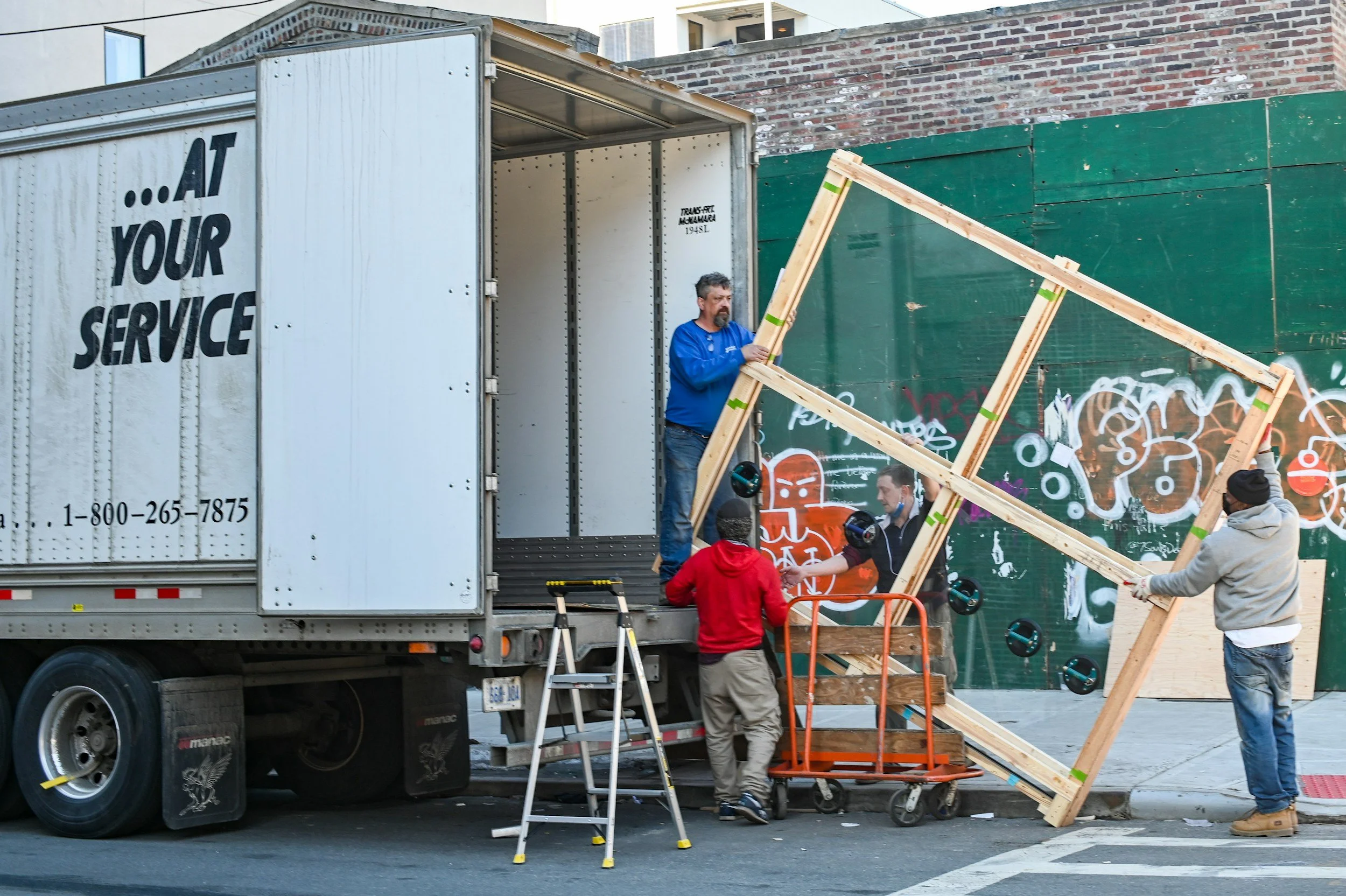
The loading and transportation phase of commercial moving requires careful handling, proper equipment, and precise coordination to ensure that all business assets are safely transferred to the new location, and trained movers use tools such as dollies, lifting straps, ramps, and protective coverings to safely load items into moving trucks while maintaining proper weight distribution to prevent damage during transit, and transportation is carefully planned with optimized routes and schedules to ensure timely delivery, making logistics management a critical factor in ensuring a smooth and successful business relocation.
Unloading and Setup at New Location
Once the transported items arrive at the new location, the unloading and setup process begins, where professional movers carefully unload all items and place them in designated areas according to the business layout plan, and this step is essential for ensuring that employees can quickly resume their work without confusion or delays, while furniture may need reassembly and technical equipment such as computers, servers, and communication systems may require installation and testing, and proper setup ensures that the new workspace becomes fully operational in the shortest possible time.
Safety Measures in Commercial Moving
Safety is a top priority in commercial moving because the process involves heavy equipment, fragile electronics, and valuable business assets that must be handled with care to avoid damage or injury, and professional movers follow strict safety protocols using protective gear such as gloves, helmets, and lifting equipment while applying proper handling techniques to prevent accidents, and careful supervision and teamwork ensure that all items are moved securely throughout the process, protecting both personnel and business assets during relocation.
Common Challenges in Business Relocation
Commercial moving often involves several challenges including tight deadlines, large volumes of equipment, fragile electronics, data security concerns, and the need to minimize operational downtime, and without proper planning these challenges can lead to delays, financial losses, and disruption of business activities, while professional moving services help overcome these issues by providing structured planning, experienced handling, and efficient logistics that ensure smooth and timely relocation while protecting valuable assets and maintaining business continuity.
Equipment and Tools Used in Commercial Moving
Professional commercial moving services rely on a variety of specialized tools and equipment designed to improve safety, efficiency, and accuracy during relocation, including moving trucks, hydraulic lifts, dollies, straps, packing materials, and protective covers, while anti-static materials are used for electronic devices and heavy-duty tools are used for transporting large furniture and machinery, and these tools help reduce physical strain, prevent damage, and ensure that all business assets are handled and transported securely throughout the entire moving process.
Benefits of Commercial Moving Services
Commercial moving services provide numerous benefits including reduced downtime, safe handling of equipment, efficient transportation, organized relocation, and minimal disruption to business operations. Businesses planning a local relocation can also work with experienced Oakville movers that provide structured move-management support for an efficient transition. Professional movers ensure that every stage of the relocation process is managed carefully so that businesses can resume work quickly and efficiently, while also reducing the risk of damage, loss, or operational delays that could affect productivity and profitability, making professional moving services an essential solution for companies undergoing relocation or expansion.
Long-Term Value of Professional Relocation
Using professional commercial moving services provides long-term value by ensuring that business assets remain safe, relocation is completed efficiently, and operations resume smoothly after the move, while also helping businesses avoid costly mistakes associated with improper handling or disorganized relocation, and this long-term benefit extends beyond the move itself by ensuring that the new workspace is properly set up for productivity, making professional moving assistance a strategic investment for sustainable business growth and operational stability.
Conclusion
Commercial moving is a complex but essential process that requires structured planning, professional handling, and efficient execution to ensure that business assets are relocated safely without disrupting operations, and through careful packing, transportation, setup, and coordination, commercial moving services help businesses transition smoothly to new locations while protecting valuable equipment, reducing downtime, and maintaining productivity, making it a critical service for companies seeking reliable, safe, and efficient relocation solutions that support long-term success and operational continuity.
HOW DO YOU FEEL ABOUT FASHION?
COMMENT OR TAKE OUR PAGE READER SURVEY
Featured





If you have ever wanted longer, fuller hair but felt put off by salon appointments, glue, or the idea of damaging your natural hair, you are not alone.