
What Makes the Return Ride Harder When You're Carrying Hunting Gear?
PAGE
By PAGE Editor
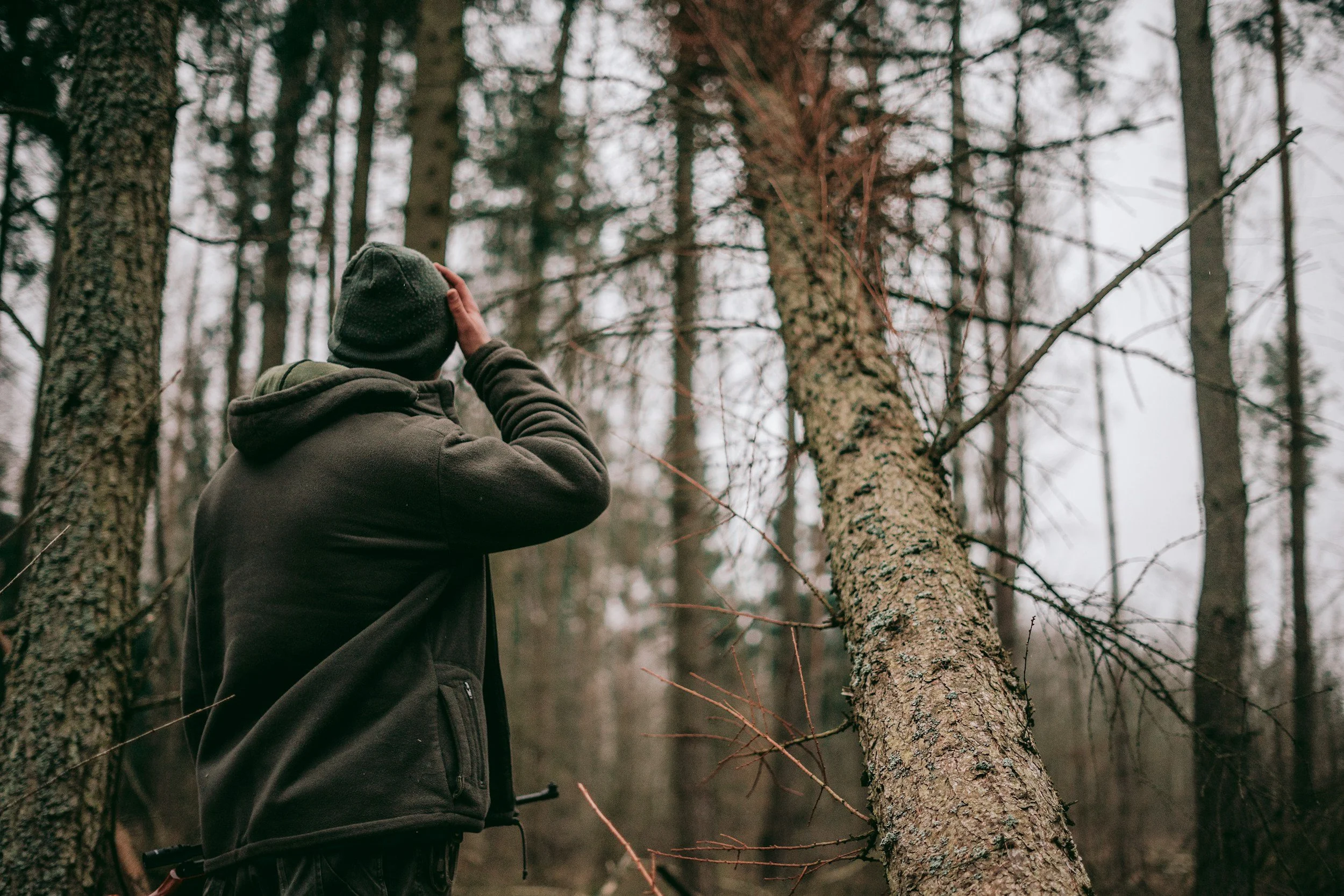
The ride into the woods feels easy enough. Your backpack is light, the trail is quiet, and you have plenty of battery left when you reach your hunting spot. Several hours later, you're heading back along the same route, but everything feels different. You've added equipment to the rack, the ground has become softer after a little rain, and the uphill section you barely noticed earlier now seems much steeper.
Nothing about the distance has changed. What has changed is the weight you're carrying, the condition of the trail, and possibly how tired you feel after spending hours outdoors. An electric hunting bike can help with the journey, but the return trip deserves just as much planning as the ride in. A motor makes carrying equipment easier; it doesn't remove the effect of that weight on steering, braking, or battery use.
The Gear You Carry Home May Be Different From What You Brought In
Packing for a hunting trip is usually a careful process. You check the weather, organize your equipment, and try to avoid bringing more than you need. At the beginning of the day, most of your gear is exactly where you intended it to be.
The return journey can be less predictable.
Maybe you've collected trail-camera equipment that wasn't with you earlier. Perhaps you're carrying wet outerwear, extra supplies, or legally harvested game. Equipment that fitted neatly into a bag that morning may need to be packed differently by the afternoon.
Even when the total weight doesn't increase dramatically, its position can change how the bicycle feels.
A heavy item placed high on a rear rack can make the bike less comfortable to balance at low speeds. Gear hanging to one side may pull against its straps, while a poorly secured bag can shift when the tires cross a rut.
That's why the load deserves another look before you begin riding home.
Both Pioneer models in the Dirwin Bike hunting lineup are rated with carried gear in mind: the standard Pioneer has a published total payload of 350 pounds, while the Pioneer 2 is rated for up to 450 pounds.
Those ratings include the rider and other carried weight. They don't mean every rack, attachment, or trailer can safely hold the full amount.
Before leaving your hunting spot, make sure the total load remains within the relevant limits and that every piece of gear is properly secured.
Why Extra Weight Changes Braking and Steering
On the way into the woods, you may take a gradual downhill section without giving it much thought. The bike feels predictable, and you know how much braking is needed before the next bend.
Coming back with additional gear, that same section can demand more attention.
The brakes now have more mass to slow, particularly if the load is substantial. Loose stones, damp leaves, and uneven ground can further reduce the grip available between the tires and the trail.
Braking earlier is usually better than waiting until you're close to a corner and applying the brakes suddenly.
The position of the load matters as much as its weight. Heavy bags mounted high can make a two-wheel bicycle feel less steady during slow turns. Equipment that moves independently of the bike can also create unexpected changes in balance.
Imagine rounding a gentle bend and feeling a loosely attached bag swing outward. You may still remain upright, but your attention shifts from the trail to the movement behind you. That's not something you want to deal with on a narrow track.
Pack heavier items low and as close to the intended cargo area's center as practical. Use properly rated carriers and secure attachments so equipment cannot swing into the wheels, drivetrain, or brakes.
For anyone using an electric hunting bike on rough tracks, it's worth practicing with moderate loads before attempting a difficult return journey with a heavily packed rack.
A bicycle that feels familiar when unloaded can require a noticeably different approach once additional equipment is attached.
Battery Range Can Change on the Same Trail
One of the easiest mistakes is assuming the ride home will use the same amount of battery power as the ride out.
That might be reasonable on a flat route in calm weather, but hunting trails rarely offer perfectly equal conditions in both directions.
A downhill ride into a valley becomes an uphill climb on the way back. A mild breeze that helped you earlier may turn into a headwind. Wet ground can create extra rolling resistance, and carrying more weight increases the effort needed to accelerate and climb.
The motor draws energy according to the work it's doing, not simply the number of miles remaining.
The Pioneer 2 uses a 48V, 30Ah battery with a published range of up to approximately 120 miles under favorable conditions. That figure gives riders a sense of the bike's capacity, but it isn't a promise that a loaded trip through steep, muddy terrain will achieve the same distance.
A smaller battery, a higher assistance setting, or a particularly difficult route may reduce the distance available before recharging.
Cold weather adds another consideration. Lithium-ion batteries generally provide less usable performance in low temperatures, so an electric hunting bike that handles a mild-weather ride comfortably may leave less reserve on a cold morning.
Check the battery before setting out, then pay attention to how much power the first part of the journey actually uses. If the return route involves climbing, don't assume half the distance means half the energy.
A sensible reserve gives you room for an unexpected detour, changing trail conditions, or a slower route around an obstacle.
A Trailer Helps With Space but Changes the Ride
Sometimes the equipment is simply too bulky for the bicycle's rack.
A large bag, tree stand, or other suitable load may be easier to transport in a compatible cargo trailer. Keeping bulky equipment off the handlebars and rear rack can make packing more organized, provided the trailer and hitch are rated for the load.
But pulling a trailer introduces new handling considerations.
The combined setup is longer, so you need more room to turn. A narrow gap between trees that was easy on the way in might be awkward when towing equipment home.
The trailer wheels may also follow a slightly different path through a corner. If you turn sharply around a rock or fallen branch, the trailer can strike an obstacle even though the bicycle clears it.
Loose ground creates another challenge. Pulling additional weight through soft mud or up a steep slope places more demand on traction and battery power.
A trailer doesn't automatically make a heavy load safe or easy to move.
Dirwin Bike sells a cargo trailer and a gun and bow rack as accessories, which gives hunters options beyond the rear rack. Before attaching any trailer, however, confirm compatibility with your particular bicycle and follow the hitch, weight, and operating limits specified by the manufacturers.
Practice turning, stopping, and backing the setup by hand in an open area before using it on narrow trails.
If the terrain is too steep, obstructed, or unstable, walking the bike through a difficult section may be safer than trying to ride it.
The Last Few Miles Can Be the Hardest
After a full day outdoors, fatigue can affect decisions in ways that are easy to overlook.
You may have spent hours walking, standing, or carrying equipment. By the time you get back to the bicycle, your legs feel tired and you're ready to reach the truck or trailhead.
That's exactly when rushing becomes tempting.
You might choose a higher assistance setting to get moving quickly, overlook a loose strap, or approach a familiar downhill section faster than you should.
A loaded electric bicycle still needs careful steering and braking, no matter how much help the motor provides.
Take a few minutes before leaving to drink water, secure the equipment, and check the tires and brakes. Look for anything caught around the wheels or drivetrain. Confirm that the load hasn't damaged or obstructed cables, lights, or controls.
For riders covering longer distances, an electric hunting bike should be treated as part of the overall return plan rather than simply transportation that will be waiting at the end of the day.
Consider how far you have to travel after reaching the bike and whether the route includes steep sections, creek crossings, or muddy stretches. Allow enough daylight to complete the journey safely, and carry appropriate navigation and emergency supplies.
Don't rely on your phone alone if the area has poor reception. Know the route back and let someone know your plans when heading into remote areas.
Know Where the Bike Is Allowed Before You Ride
A trail that looks suitable for a bicycle isn't necessarily open to electric-assisted riding.
Access rules can differ between public lands, private properties, wildlife management areas, and individual trail systems. Some places permit certain e-bike classes on designated routes, while others restrict motorized assistance or prohibit bicycles altogether.
Hunting regulations may also place separate limits on vehicle use, equipment transport, or retrieving harvested game.
Check the rules for the specific area before planning the trip. Don't assume that a trail open to conventional mountain bikes automatically permits an electric model.
If your route crosses several managed areas, confirm that the rules allow the entire journey, including any trailer you intend to tow.
This matters particularly when transporting a heavier load. Choosing a route that is both legal and suitable for your equipment is better than discovering halfway home that a shortcut is prohibited or physically impassable.
Pack for the Return Trip Before the Day Begins
The easiest way to avoid an awkward ride home is to make room for it in your plans before leaving.
Think about what you may need to bring back, not just what you're carrying out. If you'll be transporting extra equipment, make sure you have suitable straps, bags, or a compatible carrier ready to use.
The Pioneer 2's reinforced rear rack is rated for up to 250 pounds by Dirwin Bike, although the bike's 450-pound total payload limit still applies. That separate rack rating is a good example of why riders need to check individual component limits instead of relying only on the bicycle's overall capacity.
Also consider the practical problem of loading gear in the field. A rack that's easy to reach beside your garage may be harder to manage on uneven ground. Stabilize the bike appropriately before loading, and check that every attachment remains secure before moving off.
Keep the heaviest items low where the carrier design allows, protect anything that could be damaged by vibration, and avoid stacking equipment so high that it affects balance.
If transporting legally harvested game, follow applicable handling and transport requirements, including safe securing and food-safety practices where relevant.
The final check should be simple: is the equipment secure, is the bike within its rated limits, and can you still steer and brake comfortably?
If the answer to any of those questions is uncertain, rearrange the load before riding.
Plan for the Journey You'll Make at the End of the Day
The ride into the woods often feels easier because you're rested, the equipment is organized, and you know exactly what you're carrying. The return trip may involve a heavier load, a longer climb, softer ground, and less energy left in both the rider and the battery.
An electric hunting bike makes the ride in easy, but the way back is where the load, the trail, and the battery push hardest, so think about how the route will feel in reverse. Leave enough battery reserve for the harder sections, use only properly rated carrying equipment, and allow extra time for a slower journey home.
One of the most useful habits is to pause before leaving your hunting spot and look at the bike as though you're riding it for the first time that day. Check the load, the route, and the conditions ahead. A familiar trail can become a very different ride when you're bringing everything back with you.
HOW DO YOU FEEL ABOUT FASHION?
COMMENT OR TAKE OUR PAGE READER SURVEY
Featured




Certificate of Analysis is the primary document used to assess the quality, purity, and identity of synthesized peptides.