
Women Reshaping the Tattoo Industry: From Fringe Culture to Fine Art
PAGE
By PAGE Editor
For generations, the tattoo industry operated as a tightly guarded, male-dominated subculture. Traditional tattoo parlours were often intimidating environments—dominated by hyper-masculine aesthetics, rigid apprenticeship hierarchies, and exclusionary gatekeeping.
However, over the past two decades, a profound cultural transformation has taken place.
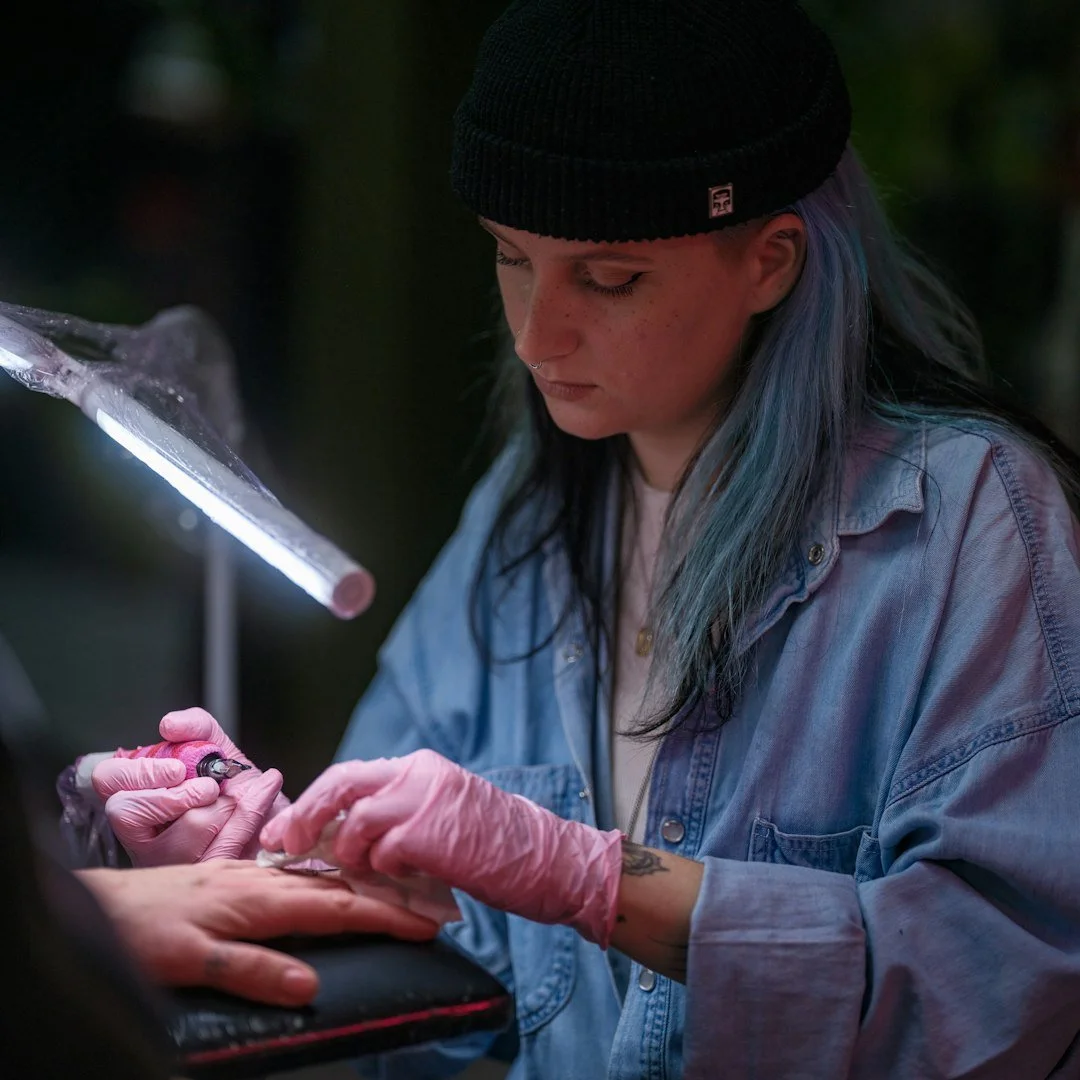
Women are not merely entering the tattooing world in record numbers; they are actively dismantling old barriers, redefining studio culture, pioneering new artistic techniques, and driving business innovation.
From fine-line body art to cosmetic pigment application, female artists, studio founders, and educators are fundamentally reshaping how society views and experiences permanent body modification.
Historical Barriers and Breaking the Mould
To understand the magnitude of today’s shift, one must appreciate the historic resistance female tattooers faced.
Historically, women in Western tattoo culture were largely viewed as novelty acts or circus performers covered in ink rather than skilled practitioners behind the machine.
Early trailblazers had to fight immense prejudice simply to secure apprenticeships or operate their own equipment.
As highlighted in historical archives documenting figures like Maud Wagner—celebrated as America's first known female tattoo artist—women often had to navigate severe social stigma and institutional exclusion to practice their craft.
For many decades following, the traditional "boys' club" apprenticeship model required prospective artists to endure toxic workplace dynamics, uncompensated labour, and outright hostility before ever touching a needle.
In recent years, female practitioners have systematically challenged this legacy by establishing new pathways into the trade:
Democratising Education: Replacing abusive apprenticeship practices with structured, supportive mentoring and formal training programs.
Diversifying Aesthetic Styles: Expanding the artistic canon beyond traditional flash, tribal, and Japanese styles to embrace fine-line work, illustrative art, and delicate colour shading.
Building Independent Client Base: Leveraging social media platforms to showcase work directly to collectors, bypassing traditional shop owners who previously acted as gatekeepers.
Redefining Studio Culture and Safe Spaces
One of the most noticeable impacts of women taking leadership roles in tattooing is the total redesign of the client experience.
Traditional shops were frequently noisy, street-front parlours where privacy was non-existent and client discomfort was often dismissed as a lack of toughness.
Female studio owners have spearheaded the move towards private, appointment-only spaces designed with client well-being at their core.
These studios prioritise bodily autonomy, trauma-informed care, and explicit consent throughout the entire tattooing process.
Key improvements in modern, female-led studios include:
Consent-First Consultations: Ensuring clients feel fully empowered to request adjustments to stencil placement, sizing, or artist posture without feeling pressured.
Inclusive Environments: Designing welcoming, accessible spaces that accommodate diverse body types, genders, and physical needs.
Privacy Controls: Offering private rooms or movable screens for clients getting tattooed on sensitive areas of the body.
Hygiene and Wellness Focus: Blending clinical-level sanitation with calm, spa-like aesthetics that reduce anxiety during long tattooing sessions.
The Convergence of Fine Art, Micro-Pigmentation, and Cosmetic Tattooing
The influence of women has also bridged the gap between traditional body art and beauty aesthetics.
The rise of permanent makeup (PMU) and cosmetic tattooing has expanded the definition of what ink on skin can achieve. What was once seen as two entirely separate industries—decorative body art and aesthetic beauty—has converged into a sophisticated field of micro-pigmentation.
Female practitioners have been instrumental in elevating cosmetic tattooing from harsh, block-like facial tattoos of the past into soft, hyper-realistic enhancements.
Techniques like microblading, nano-brows, lip blushing, and medical scar camouflage require an exceptional understanding of skin anatomy, pigment theory, and facial symmetry.
For aspiring professionals seeking to enter this thriving sector, undertaking a dedicated eyebrow tattooing course provides the essential technical foundation, hygiene standards, and artistic precision required to master permanent makeup application.
The spectrum of modern cosmetic and restorative tattooing includes:
Microblading and Powder Brows: Customising hair-stroke and shading techniques to create natural, long-lasting brow definition.
Medical Areola Reconstruction: Restoring a natural appearance for post-mastectomy breast cancer survivors through 3D hyper-realistic tattooing.
Skin-Tone Scar Camouflage: Blending custom pigments to conceal surgical scars, vitiligo, or skin trauma.
Permanent Eyeliner and Lip Blushing: Enhancing facial contours with subtle, semi-permanent pigment deposits.
Technical Innovation and Artistic Specialisation
Women entering the trade often bring backgrounds from formal fine art academies, graphic design, and illustration. This influx of formal artistic training has elevated the technical standards of the entire industry.
Fine-line tattooing, single-needle realism, watercolour effects, and intricate botanical illustration—styles that were once dismissed by old-school practitioners as "too delicate" to last—are now among the most highly requested tattoo styles worldwide.
Furthermore, female artists have driven significant technological and material advancements across the industry:
Ergonomic Machine Design: Demanding lightweight, pen-style rotary machines that reduce hand fatigue and accommodate smaller hand sizes during lengthy tattoo sessions.
Vegan and Non-Toxic Inks: Advocating for cruelty-free, organic, and heavy-metal-free pigments that minimise skin reactions and environmental impact.
Evolving Aftercare Solutions: Developing specialised, gentle aftercare balms and breathable second-skin bandages tailored to sensitive skin types.
Entrepreneurship and the Future of the Tattoo Industry
Beyond artistic contribution, women are reshaping the economic structure of the tattoo world.
Female entrepreneurs are establishing international studio chains, launching eco-conscious equipment brands, organising inclusive tattoo conventions, and hosting global educational workshops.
By taking control of the business side of tattooing, women are ensuring that future generations of artists enter a professionalised, ethical, and safe industry.
Transparent pricing structures, fair commission splits, and formal employment contracts are replacing the precarious, off-the-books working conditions that previously plagued tattoo shops.
As the industry continues to evolve, the distinction between "female tattooer" and "tattooer" is gradually fading.
Women are no longer operating on the margins of tattoo culture; they are setting the standards, running the businesses, and defining the aesthetic trends that will shape the industry for decades to come.
HOW DO YOU FEEL ABOUT FASHION?
COMMENT OR TAKE OUR PAGE READER SURVEY
Featured




For many people, the end of the workday does not always mean the beginning of recovery.