
5 Factors Safety Teams Should Check Before Selecting Protective Helmets
PAGE
By PAGE Editor
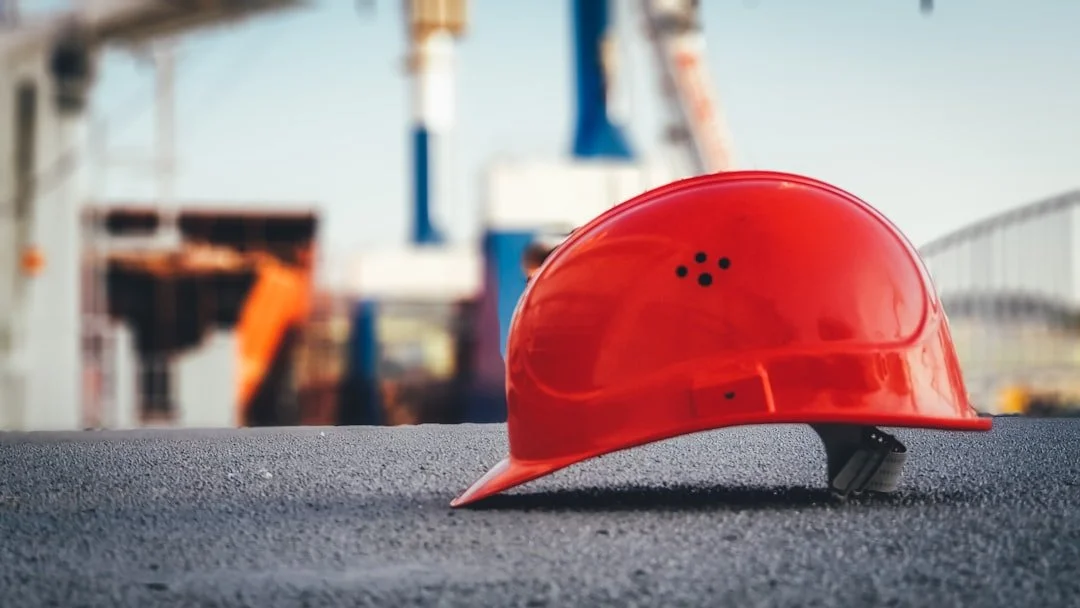
The selection of the right helmet requires careful attention because workplace conditions and job requirements can vary significantly. Different industries may need different helmet designs based on tasks, site environments, and additional equipment requirements. Safety teams must review important details before selecting protective helmets for employees.
A suitable helmet should provide the right features for the intended workplace application while supporting comfortable use. Factors such as design type, ventilation, fit, accessories, and specifications can influence the final selection. This article explains five important factors safety teams should check before choosing protective helmets.
1. Select a Helmet Design That Matches the Application
The workplace environment should guide the first stage of helmet selection. Head Protection options include vented, non-vented, broad-brim, and specialised designs for different work requirements. Outdoor roles may require broad-brim options, while specialised tasks may need additional features such as lamp brackets.
Standard hard hat designs may suit general industrial applications where specific additions are not required. Safety teams should review the tasks employees perform before deciding on a suitable helmet style. Matching the design with the application helps ensure the selected equipment meets workplace expectations.
2. Consider Ventilation Features for Workplace Conditions
Ventilation features can influence the suitability of helmets across different work environments. Vented helmets include airflow openings that may support comfort in workplaces where additional ventilation is preferred. Non-vented designs provide another option for teams with different operational requirements.
Safety managers should consider workplace temperatures, task duration, and site conditions before selecting a helmet design. Reviewing these factors helps teams understand which configuration aligns with employee needs. A careful comparison allows buyers to select helmets based on practical workplace conditions.
3. Review Fit Through Harness and Adjustment Options
A proper fit is an important consideration when selecting helmets for multiple employees. Safety teams should review harness systems, adjustment methods, and sizing features before purchasing equipment. Different designs may include options such as six-point harness systems and ratchet adjustments.
These features allow teams to compare how helmets can be adjusted for different users. Employees should be able to wear helmets securely while completing their assigned tasks. Reviewing fit options helps workplaces select equipment that supports regular use.
4. Check Compatibility With Additional PPE Accessories
Many workplace tasks require helmets to work alongside other protective equipment. Safety teams should check whether selected helmets support accessories such as earmuffs, visor holders, chin straps, or reflective additions. Reviewing accessory compatibility before purchase helps avoid equipment limitations later.
A complete PPE setup requires careful planning across different workplace roles. Teams should consider which attachments employees may need for their specific duties. Selecting helmets with suitable accessory options creates a more practical approach to workplace protection.
5. Verify Helmet Construction and Safety Specifications
Helmet construction details help safety teams compare different options more effectively. Materials such as ABS and polycarbonate can influence the type of helmet design suitable for specific workplace applications. Teams should review helmet types, material details, and stated standards when assessing available options.
Some helmet specifications may reference AS/NZS 1801, which safety teams can consider when reviewing workplace requirements. Checking these details allows buyers to understand the purpose and suitability of different helmet designs. A careful review of construction and specifications helps teams choose equipment that matches their operational needs.
Choosing the right supplier is an important step when sourcing workplace safety equipment. A suitable supplier should provide a range of Head Protection options, clear product details, and solutions that match different workplace requirements. Safety teams can make better purchasing decisions when they work with a supplier that understands industry needs and provides suitable helmet choices for their operations.
HOW DO YOU FEEL ABOUT FASHION?
COMMENT OR TAKE OUR PAGE READER SURVEY
Featured




As European organisations continue to modernise their digital environments, the demand for practical technology services is increasingly being shaped by operational complexity rather than by simple software adoption.