
7 Signs a Dining Room Was Designed, Not Just Filled
PAGE
By PAGE Editor
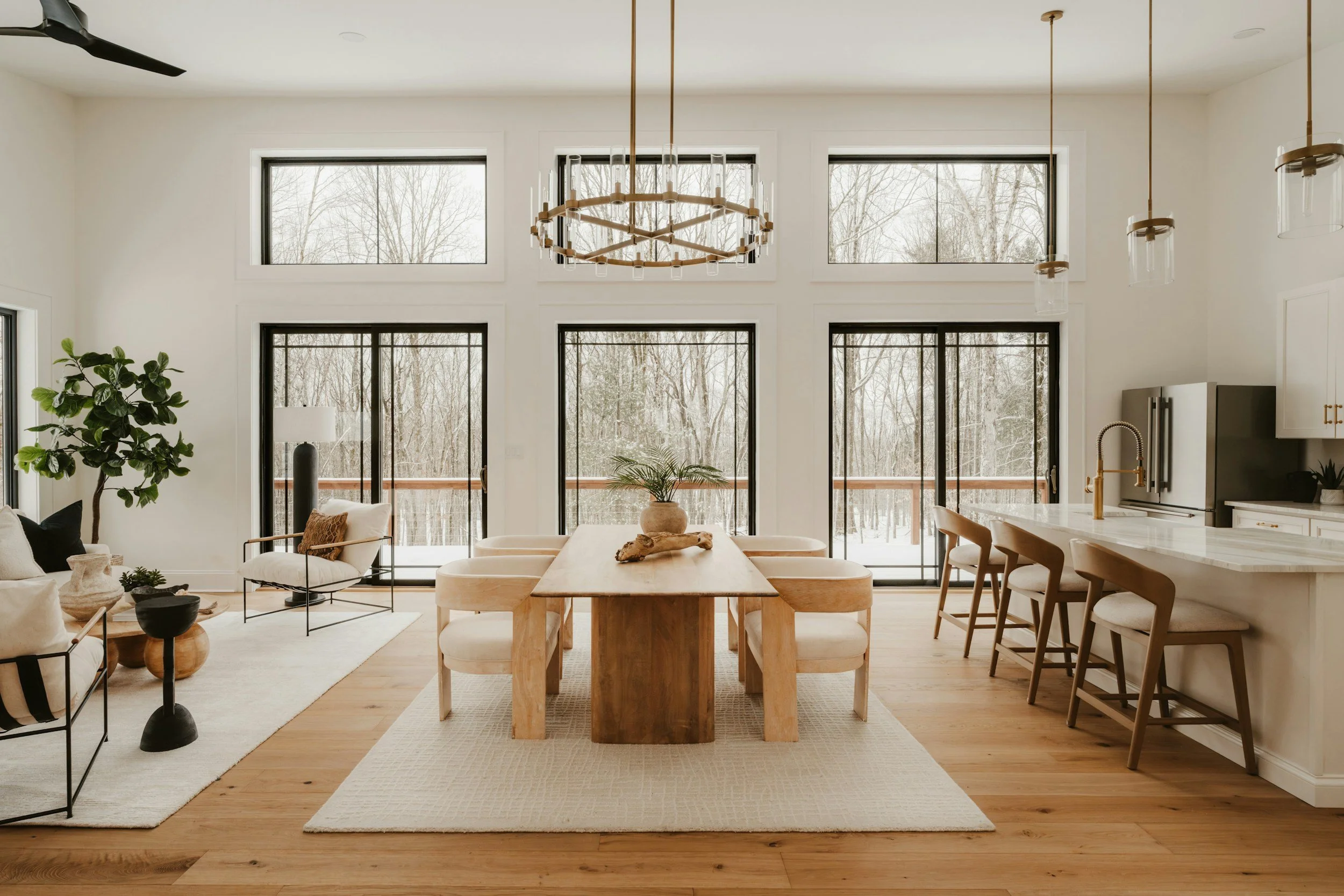
A dining room can have a beautiful table, comfortable chairs, attractive lighting, and still feel unfinished. The difference often comes down to how those pieces work together. A thoughtfully designed dining room is not simply a collection of furniture placed in an available space. It has a sense of balance, purpose, movement, and visual connection.
Good design also considers how people actually use the room. Can guests move comfortably around the table? Does the lighting create the right atmosphere? Do the chairs, table, rug, and accessories feel like parts of the same space without looking overly matched?
The U.S. Department of Energy's residential lighting guidance notes that dining rooms can serve several functions and benefit from lighting that combines general illumination with focused lighting around the dining table. U.S. Department of Energy residential lighting guidance
These details reveal whether a dining room was intentionally planned or simply filled with furniture. Here are seven signs to look for.
1. The Furniture Fits the Room, Not Just the Floor Plan
One of the clearest signs of intentional design is proportion. A dining table should look appropriate for the room rather than being chosen simply because it fits through the doorway.
A table that is too large can make the room feel crowded, while one that is too small may leave the space visually empty. The same principle applies to chairs, sideboards, cabinets, and other pieces.
When choosing dining room sets, it is important to consider the dimensions of the entire room rather than focusing only on the table and chairs. The furniture should leave enough space for people to pull out chairs, walk behind seated guests, and move naturally between connected areas.
A good starting point is to measure the room before choosing major furniture. Consider doors, windows, heating vents, walkways, and nearby furniture. This prevents the common problem of buying pieces individually without considering how they will work together.
2. There Is Enough Space to Move Comfortably
A dining room can look attractive in a photograph and still be frustrating to use.
If guests have to squeeze sideways between a chair and the wall, or someone has to move their chair every time another person walks through the room, the layout needs reconsideration.
Circulation is one of the less obvious parts of good interior design because it is often noticed only when it is missing. A well-planned dining room leaves enough room for chairs to be occupied while maintaining a practical path around the table.
For everyday layouts, think about the routes people naturally take. Someone may need to walk from the kitchen to the dining table, reach a sideboard, open a cabinet, or leave the room without disturbing everyone at the table.
The best arrangement makes these movements feel almost effortless.
3. The Dining Table Has a Clear Visual Role
In most dining rooms, the table is the central element. A designed room makes that role obvious without making the table look isolated.
The shape of the table should relate to the room. A rectangular table often works naturally in a longer room, while round or oval tables can soften spaces with strong architectural lines or make conversation feel more inclusive.
The table does not necessarily need to be the largest or most expensive item in the room. It simply needs to establish a visual center.
Consider what surrounds it. A rug can define the dining zone in an open-plan space. A pendant or chandelier can draw attention downward toward the table. Artwork can reinforce the wall behind it.
When these elements support the table rather than competing with it, the room feels more organized.
4. The Lighting Was Planned Around the Way the Room Is Used
Lighting can completely change how a dining room feels.
A single ceiling fixture may provide enough illumination to see the table, but intentional design usually considers several lighting needs. Dining rooms may be used for meals, homework, conversations, celebrations, or other activities, so one lighting level does not always suit every situation.
A fixture positioned above the table can provide focused illumination, while softer surrounding light can make the rest of the room feel more comfortable.
Dimmers can also make a difference. Bright lighting may be useful during everyday tasks, while lower lighting can create a more relaxed atmosphere during dinner.
The fixture itself should also relate to the size of the table. A tiny pendant over a large table can look lost, while an oversized fixture can overwhelm a smaller room.
The goal is not simply to add a decorative light. It is to make the lighting part of the overall composition.
5. The Chairs Work With the Table
Dining chairs are often chosen after the table, but they deserve just as much attention.
A chair can look attractive on its own and still feel wrong when placed around a particular table. Differences in height, width, material, color, or visual weight can affect the balance of the entire arrangement.
Comfort matters too. Guests should have enough personal space without feeling crowded together. The chairs should also allow people to sit comfortably beneath the tabletop without awkward contact between the seat and table structure.
Intentional design does not always mean using identical chairs. Mixing styles can work well when there is a clear connection between the pieces. For example, different chairs may share a material, finish, shape, or color family.
The key is controlled variation rather than random combinations.
6. Accessories Have a Purpose
A dining room does not need to be filled with decorative objects to look finished.
In fact, too many accessories can make the space feel cluttered. A more considered approach is to choose a few elements that reinforce the room's character.
A large artwork can create a focal point. A mirror can add visual depth. A sideboard can provide storage while also creating a useful surface for serving pieces or decoration. A rug can separate the dining area from nearby living or kitchen zones.
Even a centerpiece should be considered in relation to the table. Something too tall may interfere with conversation, while an arrangement that is too small may disappear visually.
The best accessories feel connected to the room rather than added simply to fill empty surfaces.
For additional guidance on planning furniture placement and circulation, Cornell University's dining room floor-plan resource offers useful insight into how layout decisions affect functionality.
7. The Room Has a Consistent Visual Language
The final sign of thoughtful design is cohesion.
This does not mean every piece has to match. A dining room can combine wood, metal, glass, fabric, stone, and other materials successfully. It can also mix traditional and contemporary pieces.
What matters is that there are visual relationships between them.
Perhaps the wood tone of the table appears again in a cabinet. The shape of the lighting fixture echoes a detail in the chairs. The rug picks up a subtle color from the artwork. The wall finish provides contrast without fighting the furniture.
These repeated details create a visual rhythm that makes the room feel intentional.
Color is another useful tool. A neutral dining room can gain character through upholstery, artwork, tableware, or lighting, while a more colorful space may benefit from quieter furniture.
When there is a connection between different elements, the eye can move around the room without encountering unrelated pieces at every turn.
How to Tell if Your Dining Room Needs a Reset
If your dining room feels slightly off, you do not necessarily need to replace everything.
Start by looking at the layout. Is the table positioned in a way that makes sense for the room? Can people move around it comfortably? Are the chairs appropriately sized?
Next, look at the visual hierarchy. What catches your attention first? If there is no clear focal point, lighting, artwork, a rug, or the table itself may need to take a stronger role.
Finally, remove anything that does not serve a purpose. Sometimes a room feels unfinished because it needs more detail. Other times, it feels unfinished because it contains too much unrelated detail.
A simple edit can be as effective as adding another piece of furniture.
Conclusion
A well-designed dining room is about more than choosing attractive furniture. It is about creating relationships between size, spacing, lighting, comfort, materials, and everyday use.
The strongest dining rooms often look effortless because the important decisions are easy to overlook. The table fits the room, chairs feel comfortable, lighting supports the atmosphere, accessories have a reason to be there, and people can move without obstacles.
If your dining room feels like a collection of separate purchases, start by looking at how those pieces work together. A few thoughtful changes to layout, proportion, lighting, or visual balance can make the space feel considerably more intentional.
FAQs
1. What makes a dining room look professionally designed?
A professionally designed dining room usually has good proportions, comfortable circulation, balanced lighting, and a clear visual focal point. The furniture does not need to match perfectly. Instead, the table, chairs, lighting, accessories, and surrounding finishes should relate to one another.
2. How much space should be left around a dining table?
A practical starting point is to leave enough room for chairs to be pulled out comfortably and for people to move behind them. Around 36 inches of clearance is commonly used as a baseline, with more space preferred where regular traffic passes.
3. Do dining chairs have to match the table?
No. Matching furniture can create a coordinated look, but mixing pieces can add personality and visual interest. To keep the arrangement cohesive, connect different pieces through a shared color, material, shape, finish, or overall design style.
HOW DO YOU FEEL ABOUT FASHION?
COMMENT OR TAKE OUR PAGE READER SURVEY
Featured




Wellness has increasingly become part of how we think about everyday life. It influences the way we design our homes, choose personal care products, and create moments of quiet in otherwise busy schedules.