
A Detailed Overview of Commercial Epoxy Flooring Systems for Strength, Safety, Chemical Resistance, and Industrial Efficiency
PAGE
By PAGE Editor
Introduction to Modern Industrial Flooring Needs
In today’s commercial and industrial environments, flooring systems are expected to perform far beyond basic surface coverage. They must handle continuous foot traffic, heavy machinery, chemical exposure, and constant operational pressure without losing structural integrity. Traditional flooring materials often struggle under these conditions, leading to cracks, stains, high maintenance costs, and frequent repairs. As industries evolve and efficiency becomes a priority, advanced flooring solutions are becoming essential for long-term performance and safety. One of the most widely adopted solutions in modern facilities is commercial epoxy flooring, known for its durability, seamless finish, and ability to withstand extreme working conditions while maintaining a clean and professional appearance.
Understanding Epoxy Flooring Composition and Behavior
Epoxy flooring is created through a chemical reaction between resin and hardener, forming a rigid, highly durable surface once cured. This reaction produces a strong plastic-like coating that bonds directly to concrete, creating a seamless protective layer. Unlike conventional flooring materials that rely on surface adhesion alone, epoxy integrates with the substrate to form a long-lasting structural bond. This makes it particularly suitable for environments where durability and resistance to wear are critical. In high-performance environments, commercial epoxy flooring provides a stable surface that resists impact, abrasion, and chemical damage while maintaining its structural integrity over time.
Surface Preparation and Installation Fundamentals
Proper surface preparation is essential for ensuring the long-term success of an epoxy flooring system. The process begins with thorough cleaning to remove dirt, grease, oil, and other contaminants that may interfere with adhesion. Any cracks, holes, or uneven areas in the concrete must be repaired to create a smooth and stable base. Mechanical grinding or shot blasting is commonly used to open the pores of the concrete, allowing the epoxy to bond more effectively. Moisture testing is also a critical step, as excessive moisture can weaken adhesion and lead to premature coating failure. When these preparation steps are properly executed, commercial epoxy flooring achieves maximum strength, durability, and resistance to environmental stress.
Application Process and Multi-Layer System Design
The installation process of epoxy flooring involves multiple carefully controlled stages to ensure a strong and uniform finish. First, a primer coat is applied to enhance adhesion between the concrete and epoxy material. Once the primer has cured, the main epoxy layer is applied evenly using specialized tools such as rollers or squeegees to ensure consistent coverage. Depending on performance requirements, additional layers may be added to increase thickness and durability. Decorative or functional additives such as anti-slip aggregates, quartz, or color flakes can be incorporated to improve safety and appearance. Finally, a protective topcoat is applied to seal the system, enhancing resistance to abrasion, chemicals, and heavy impact. This layered structure ensures that commercial epoxy flooring delivers long-term reliability in demanding environments.
Strength and Load-Bearing Performance in Industrial Use
One of the most important advantages of epoxy flooring is its ability to withstand heavy loads and continuous operational stress. In industrial settings where machinery, forklifts, and heavy equipment are in constant use, flooring must maintain stability without cracking or deteriorating. Epoxy surfaces are designed to handle high-impact pressure while maintaining their smooth and seamless structure. Unlike traditional flooring systems that may break down under stress, epoxy remains intact and functional for extended periods. This makes commercial epoxy flooring an ideal solution for warehouses, manufacturing plants, storage facilities, and other high-traffic commercial environments where durability is essential.
Chemical Resistance and Surface Protection Benefits
Industrial environments often involve exposure to chemicals, oils, cleaning agents, and other corrosive substances that can damage standard flooring materials. Epoxy flooring provides a strong protective barrier that resists chemical penetration and prevents surface deterioration. Its non-porous nature ensures that spills remain on the surface, allowing for quick and easy cleanup without permanent staining or damage. This makes it highly suitable for industries such as automotive repair, pharmaceuticals, food processing, and laboratories. The protective qualities of commercial epoxy flooring help maintain hygiene standards while extending the lifespan of the flooring system under harsh working conditions.
Safety Enhancements and Workplace Functionality
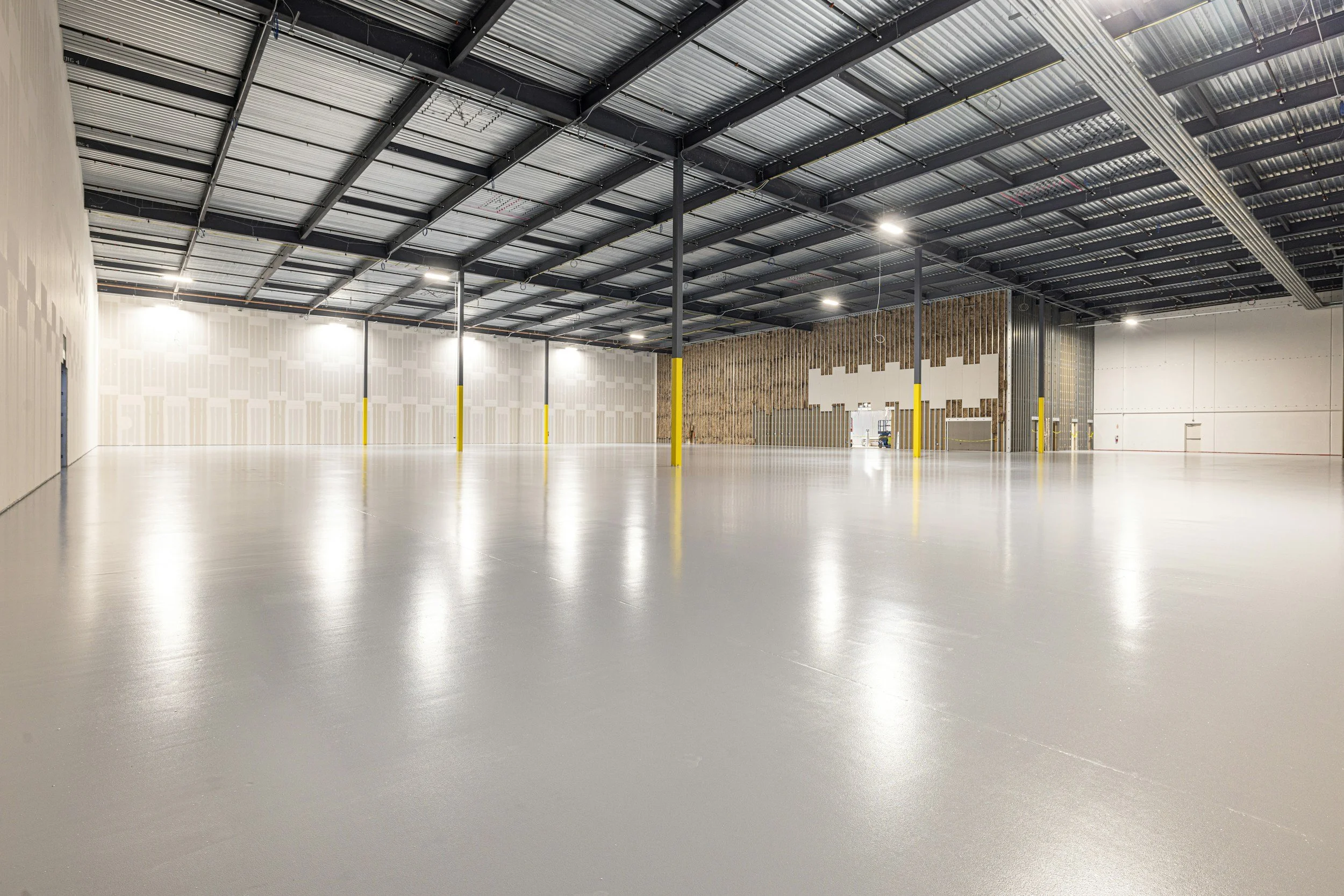
Safety is a critical factor in any industrial or commercial environment, and epoxy flooring contributes significantly to improving workplace safety standards. Anti-slip additives can be incorporated into the surface to reduce the risk of accidents caused by moisture or spills. Additionally, epoxy flooring can be customized with line markings, hazard zones, and directional indicators to improve organization and traffic flow within large facilities. The reflective surface also enhances lighting efficiency, improving visibility and reducing energy consumption. These features make commercial epoxy flooring not only a durable solution but also a practical tool for improving operational safety and efficiency.
Maintenance Efficiency and Long-Term Cost Savings
One of the most attractive features of epoxy flooring systems is their low maintenance requirement. The seamless surface prevents dirt, dust, and debris from accumulating, making cleaning simple and efficient. Regular sweeping and occasional mopping are usually sufficient to maintain a clean and professional appearance. Unlike tiled or concrete floors with joints and cracks, epoxy surfaces do not trap contaminants, reducing the need for intensive cleaning or maintenance procedures. Over time, this significantly reduces operational costs and downtime. When properly maintained, commercial epoxy flooring provides long-term performance with minimal upkeep, making it a cost-effective solution for businesses.
Common Installation Challenges and Performance Issues
Despite its many benefits, improper installation can significantly affect the performance of epoxy flooring systems. One of the most common issues is insufficient surface preparation, which can lead to poor adhesion and eventual peeling or bubbling. Incorrect mixing ratios between resin and hardener can also compromise the curing process and reduce durability. Environmental conditions such as high humidity or extreme temperatures during installation may negatively impact the final result. Skipping primer application or applying uneven coatings can create weak spots in the surface. Avoiding these mistakes is essential to ensure that commercial epoxy flooring delivers optimal performance and long-term reliability.
Environmental Benefits and Sustainability Advantages
Modern epoxy flooring systems are increasingly designed with environmental considerations in mind. Many formulations are low in volatile organic compounds, contributing to improved indoor air quality and reduced environmental impact. The long lifespan of epoxy flooring also reduces the need for frequent replacements, which helps minimize material waste and resource consumption. Additionally, its reflective surface can enhance lighting efficiency, indirectly reducing energy usage in large commercial spaces. These sustainability benefits make epoxy flooring a responsible choice for businesses aiming to combine performance with environmental responsibility.
Design Flexibility and Customization Potential
Beyond its functional advantages, epoxy flooring also offers extensive design flexibility. It can be customized in terms of color, texture, and finish to match branding requirements or aesthetic preferences. High-gloss finishes create a modern, polished appearance, while matte or textured finishes provide a more industrial look. Custom logos, safety markings, and color-coded zones can also be integrated directly into the flooring system, improving both functionality and branding opportunities. This adaptability makes commercial epoxy flooring suitable for a wide range of industries and commercial applications.
Professional Installation and Long-Term Performance Assurance
While epoxy flooring can sometimes be applied in DIY settings, professional installation is strongly recommended for commercial environments. Skilled installers understand the technical requirements of surface preparation, material mixing, and environmental control that are essential for achieving a flawless finish. They can also identify hidden structural issues that may affect long-term performance. Professional installation ensures that commercial epoxy flooring is applied correctly, maximizing durability, safety, and efficiency. Many professional services also provide warranties, offering additional protection and long-term value for business owners.
Conclusion on Industrial Flooring Performance and Value
A strong and reliable flooring system is essential for maintaining productivity, safety, and operational efficiency in commercial and industrial environments. Epoxy flooring provides a high-performance solution that meets the demands of heavy traffic, chemical exposure, and continuous use. When properly installed and maintained, commercial epoxy flooring delivers exceptional durability, low maintenance requirements, and strong resistance to environmental stress. It enhances workplace safety, improves cleanliness, and reduces long-term operational costs, making it a valuable investment for any business. Ultimately, choosing a high-quality epoxy flooring system ensures long-lasting performance, improved aesthetics, and superior structural protection in demanding environments.
HOW DO YOU FEEL ABOUT FASHION?
COMMENT OR TAKE OUR PAGE READER SURVEY
Featured





BAPE® brings its streetwear legacy into the ring with UNDEFEATED’s wrestling-inspired Fall/Winter 2026 collection while expanding its design vocabulary through the TYPE 10 BAPEX®, an automatic timepiece that translates the brand’s signature camouflage into contemporary watchmaking.