
Complete Guide to Roof Replacement for Long-Term Structural Protection, Durability, and Smart Home Investment Planning
PAGE
By PAGE Editor
Introduction to Roofing Systems and Long-Term Protection
A home is only as strong as the structure that protects it from external environmental forces, and the roof is one of the most critical components in that protection system. Over time, exposure to sunlight, heavy rain, wind pressure, temperature fluctuations, and natural aging gradually weakens roofing materials, making them less effective in safeguarding the interior of a property. When damage becomes widespread or repairs are no longer sufficient to restore performance, a full roofing upgrade becomes necessary. Understanding the process, benefits, and long-term value of roof replacement helps homeowners make informed decisions that protect both their property and financial investment. A properly planned roofing project ensures that the structure remains secure, energy-efficient, and resistant to weather-related damage for many years.
Understanding the Importance of a Strong Roofing Structure
The roof of a building plays a much more complex role than simply covering the structure, as it directly influences insulation, energy efficiency, ventilation, and overall structural integrity. A weakened roof can lead to multiple issues including water leaks, mold growth, insulation damage, and even compromised wall structures. When minor repairs are no longer effective in addressing widespread deterioration, roof replacement becomes the most reliable solution to restore full protection. In many cases, homeowners delay this process due to cost concerns, but postponing necessary work often leads to more expensive repairs in other parts of the home. A strong and properly installed roofing system ensures that rainwater is directed away efficiently, temperature is regulated indoors, and the structural framework remains stable even under harsh environmental conditions.
Material Selection and Its Impact on Performance
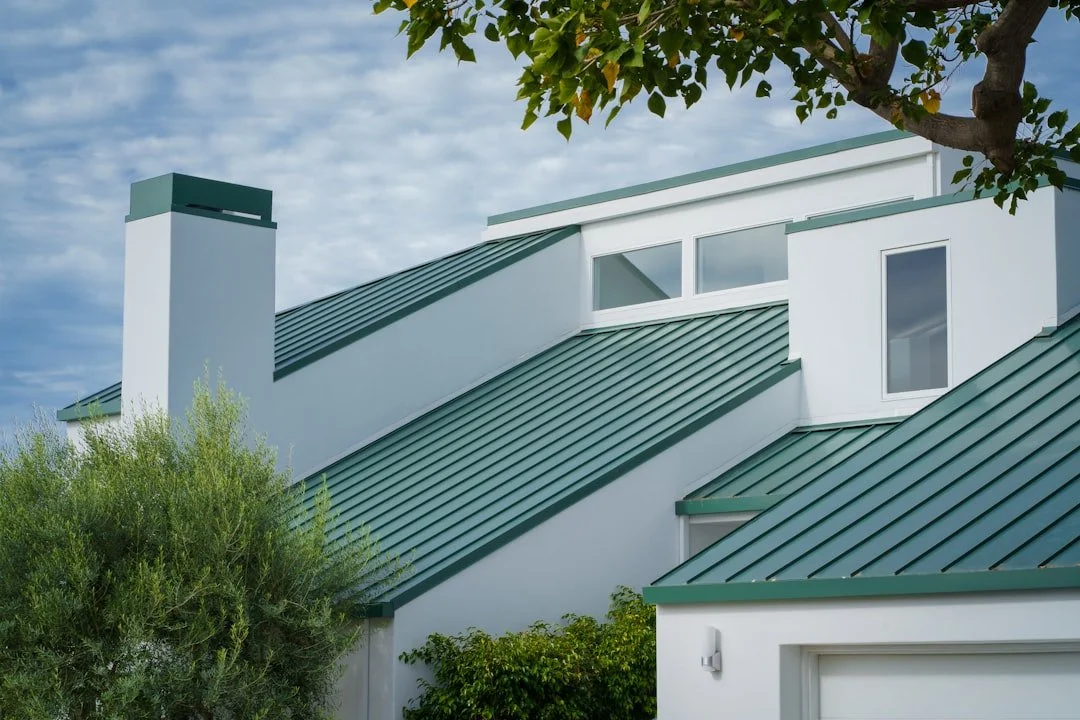
Choosing the right materials is one of the most important decisions in any roofing project, as it directly affects durability, maintenance requirements, and overall performance. Asphalt shingles are widely used due to their affordability and versatility, making them suitable for many residential properties. Metal roofing provides exceptional durability and resistance against extreme weather conditions, often lasting significantly longer than traditional materials. Clay and concrete tiles offer a distinctive appearance and strong resistance to heat, making them ideal for hot climates, while also providing long-term structural stability. Each material has its own advantages and limitations, and selecting the most suitable option depends on budget, environmental conditions, and long-term expectations. When planning roof replacement, careful evaluation of material performance ensures that the new structure delivers maximum value over time.
Step-by-Step Process of Roofing Renewal
A successful roofing project requires careful planning and execution to ensure that every component is properly installed and aligned for maximum performance. The process typically begins with a thorough inspection of the existing roof structure to identify damage, weak points, and underlying structural issues. Once the old roofing material is removed, the underlying deck is examined to ensure it is still strong enough to support the new installation. Any damaged sections are repaired or replaced before proceeding further. A protective underlayment is then installed to provide an additional barrier against moisture and environmental exposure. After this preparation stage, the new roofing material is carefully installed in overlapping layers to ensure proper water drainage and wind resistance. Ventilation systems are also integrated to maintain airflow and prevent heat buildup within the attic space. Every stage of roof replacement must be executed with precision to ensure long-term durability and performance.
Structural Benefits and Long-Term Value
A properly executed roofing upgrade significantly improves the structural integrity of a home, reducing the risk of leaks, water damage, and internal deterioration. It also enhances energy efficiency by improving insulation, which helps regulate indoor temperatures and reduces heating and cooling costs. In addition to functional benefits, a new roof also increases property value and enhances curb appeal, making it a valuable investment for homeowners planning to sell in the future. Many buyers consider the condition of the roof as one of the most important factors when evaluating a property, which makes roof replacement not only a maintenance decision but also a strategic financial improvement.
Common Signs That Indicate the Need for Replacement
Recognizing the warning signs of roofing deterioration is essential in preventing severe structural damage. Common indicators include frequent leaks, missing or broken shingles, sagging roof sections, and visible water stains on ceilings or walls. Excessive granule loss from shingles and rising energy bills due to poor insulation are also strong signals that the roofing system is no longer performing efficiently. When these issues become widespread, repairs may no longer be sufficient, and a full roofing upgrade becomes necessary. Ignoring these signs can lead to more severe problems such as structural weakening, mold growth, and interior water damage, which can be significantly more expensive to repair than planned roof replacement.
Maintenance Practices to Extend Roof Lifespan
Even after installation, proper maintenance plays a crucial role in extending the lifespan of a roofing system. Regular inspections help identify early signs of damage before they become major issues. Cleaning debris such as leaves and branches prevents moisture buildup, which can lead to rot and deterioration over time. Ensuring that gutters and drainage systems are functioning properly also helps protect the roof from standing water and overflow damage. Small repairs should be addressed promptly to prevent further deterioration. Although a new roof is designed to last for many years, consistent maintenance ensures that its performance remains optimal throughout its lifespan after roof replacement.
Common Mistakes to Avoid During Roofing Projects
One of the most common mistakes homeowners make is delaying necessary action even when clear signs of deterioration are visible, which often results in more extensive damage to the structure. Another frequent issue is choosing low-quality materials in an attempt to reduce initial costs, which often leads to higher maintenance expenses in the long run. Improper installation techniques, such as poor alignment or insufficient sealing, can also significantly reduce the lifespan of a roofing system. Inadequate ventilation is another critical mistake that can cause heat buildup and moisture retention, leading to long-term structural issues. Avoiding these mistakes ensures that roof replacement delivers maximum durability and long-term protection.
Energy Efficiency and Environmental Impact
Modern roofing systems are designed not only for durability but also for improved energy efficiency and environmental sustainability. Reflective roofing materials help reduce heat absorption, lowering cooling costs during warmer months. Proper insulation and ventilation systems contribute to better energy regulation, reducing overall energy consumption. Some materials are also recyclable, making them an environmentally responsible choice for homeowners concerned about sustainability. By investing in a high-quality roofing system, property owners contribute to both energy conservation and environmental protection while also benefiting from reduced utility costs.
Professional Installation and Long-Term Reliability
While some homeowners may consider handling roofing projects independently, professional installation ensures a much higher level of precision, safety, and long-term reliability. Experienced roofing specialists understand structural requirements, material behavior, and installation techniques that ensure optimal performance. They are also able to identify hidden structural issues that may not be visible during a basic inspection. Professional work reduces the risk of leaks, improper alignment, and premature deterioration, making it a more reliable option for long-term protection. In most cases, warranties provided by professional contractors also add an extra layer of security for homeowners investing in roof replacement.
Final Conclusion on Roofing Investment and Protection
A well-maintained roofing system is essential for protecting a home from environmental damage, improving energy efficiency, and maintaining structural stability over time. When repairs are no longer sufficient, a full roofing upgrade becomes the most effective solution to restore safety and performance. Understanding the materials, installation process, and maintenance requirements allows homeowners to make informed decisions that maximize long-term value. Proper planning and professional execution ensure that roof replacement provides lasting durability, improved comfort, and enhanced property value. Ultimately, investing in a strong roofing system is not just about repairing damage but about securing the long-term future and safety of the entire structure.
HOW DO YOU FEEL ABOUT FASHION?
COMMENT OR TAKE OUR PAGE READER SURVEY
Featured



BAPE® brings its streetwear legacy into the ring with UNDEFEATED’s wrestling-inspired Fall/Winter 2026 collection while expanding its design vocabulary through the TYPE 10 BAPEX®, an automatic timepiece that translates the brand’s signature camouflage into contemporary watchmaking.