
Deep Skin Renewal Facial Treatments Designed to Cleanse, Balance, and Restore Natural Glow
PAGE
By PAGE Editor
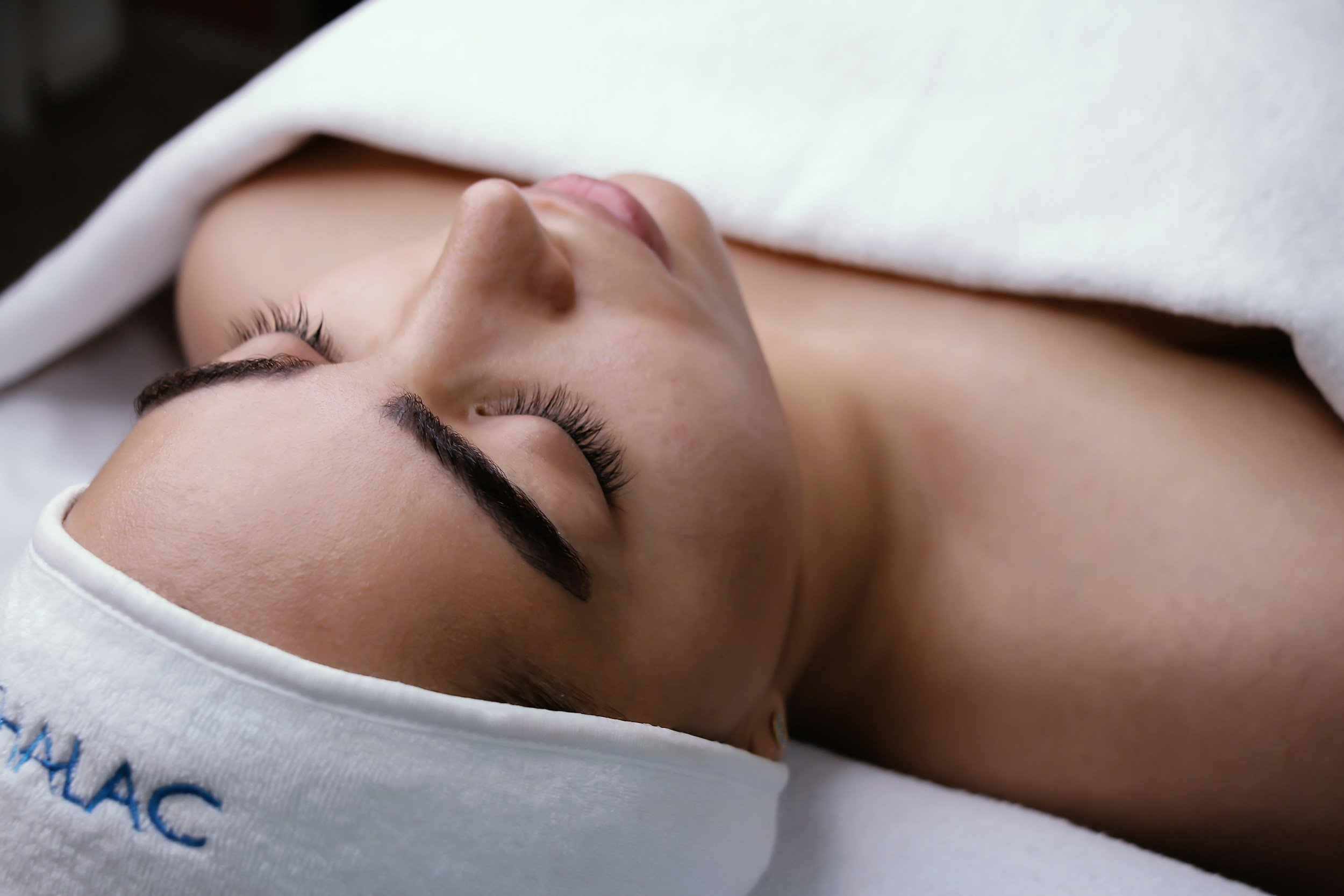
Healthy, glowing skin is often seen as a reflection of overall wellness, lifestyle habits, and proper self-care. Among the many skincare treatments available today, facials remain one of the most effective and widely practiced methods for improving skin texture, maintaining clarity, and addressing a variety of skin concerns. Whether performed in a professional spa or dermatology clinic, facials are designed to deeply cleanse, nourish, and rejuvenate the skin in ways that daily skincare routines often cannot achieve.
A facial is more than just a cosmetic treatment. It is a structured skin therapy process that involves cleansing, exfoliation, extraction, hydration, and targeted treatment of specific skin issues such as acne, dryness, aging, pigmentation, or sensitivity. With advancements in skincare technology and product formulations, modern facials have become highly customizable, allowing professionals to tailor treatments according to individual skin types and concerns.
Understanding how facials work, what benefits they offer, and how different techniques are used can help individuals make informed decisions about incorporating them into their skincare routine.
Understanding What Facials Are and How They Work
Facials are professional skincare treatments designed to improve the health and appearance of the skin on the face. The process typically involves multiple steps that work together to remove impurities, unclog pores, and restore moisture balance. While the exact procedure may vary depending on the type of facial and the skin condition being treated, the overall goal remains the same: to promote healthier, clearer, and more radiant skin.
The treatment usually begins with cleansing to remove surface dirt, oil, and makeup. This is followed by exfoliation, which helps remove dead skin cells that can accumulate on the surface and cause dullness or clogged pores. In many cases, steam is used to open up pores, making it easier to perform extractions if necessary. Extractions involve the careful removal of blackheads and whiteheads to prevent breakouts and improve skin texture.
After cleansing and extraction, the skin is often treated with serums, masks, or specialized products that target specific concerns. These products may contain ingredients such as hyaluronic acid for hydration, salicylic acid for acne control, or antioxidants for anti-aging benefits. The treatment typically concludes with moisturization and sun protection to lock in hydration and protect the skin from environmental damage.
The Importance of Facials in Skincare Routines
While daily skincare routines such as cleansing, moisturizing, and sunscreen application are essential for maintaining skin health, they are often not enough to address deeper skin concerns. Environmental pollution, stress, hormonal changes, and aging can all affect the skin in ways that require more intensive care.
Facials provide a deeper level of cleansing and treatment that helps maintain skin balance and prevent long-term issues. Regular treatments can help reduce acne breakouts, minimize the appearance of pores, improve skin tone, and enhance overall texture. They also stimulate blood circulation, which promotes healthier skin cell renewal and a natural glow.
Another important aspect of facials is their ability to support long-term skin maintenance. By addressing issues early and consistently, facials can help prevent more serious skin conditions from developing over time. This makes them a valuable part of both corrective and preventive skincare strategies.
Different Types of Facials and Their Purposes
There are many different types of facials, each designed to address specific skin concerns and goals. Understanding these variations helps in selecting the most suitable treatment based on individual needs.
Deep cleansing facials are among the most common types. These are designed to remove impurities, unclog pores, and control excess oil production. They are particularly beneficial for individuals with oily or acne-prone skin.
Hydrating facials focus on restoring moisture levels in the skin. These treatments are ideal for dry or dehydrated skin and often involve the use of hydrating masks, serums, and moisturizing agents that help improve skin elasticity and softness.
Anti-aging facials are designed to target signs of aging such as fine lines, wrinkles, and loss of firmness. These treatments often include collagen-boosting ingredients, antioxidant-rich products, and techniques that promote skin tightening and rejuvenation.
Brightening facials aim to improve skin tone and reduce pigmentation, dark spots, and uneven complexion. They typically use ingredients such as vitamin C and exfoliating agents to promote a more radiant appearance.
Acne facials are specifically designed for individuals struggling with breakouts and congested skin. These treatments focus on deep cleansing, extraction, and the use of antibacterial or anti-inflammatory products to reduce acne-causing bacteria and soothe irritation.
Benefits of Regular Facial Treatments
One of the most noticeable benefits of facials is improved skin clarity. By removing dirt, oil, and dead skin cells, facials help unclog pores and reduce the likelihood of breakouts. This results in smoother and clearer skin over time.
Another major benefit is enhanced hydration. Many facials are designed to replenish moisture levels in the skin, which is essential for maintaining elasticity and preventing dryness or flakiness. Well-hydrated skin also appears more youthful and radiant.
Facials also improve blood circulation in the facial area. Increased circulation helps deliver oxygen and nutrients to skin cells, supporting natural repair processes and promoting a healthy glow.
Stress reduction is another often overlooked benefit of facials. The process typically involves massage techniques that help relax facial muscles and reduce tension. This contributes not only to skin health but also to overall well-being.
Long-term use of facials can also improve skin texture and tone. Regular treatments help stimulate collagen production and support cell regeneration, which can reduce the appearance of fine lines, scars, and uneven pigmentation.
The Role of Ingredients in Facial Treatments
The effectiveness of facials largely depends on the ingredients used during treatment. Skincare professionals select products based on individual skin types and concerns to achieve optimal results.
Hyaluronic acid is commonly used for hydration due to its ability to retain moisture and plump the skin. It is especially beneficial for dry or aging skin.
Salicylic acid is often used in acne treatments because it penetrates deep into pores and helps remove excess oil and debris. It also has anti-inflammatory properties that reduce redness and swelling.
Vitamin C is a powerful antioxidant used in brightening facials. It helps reduce pigmentation, even out skin tone, and protect the skin from environmental damage.
Retinol is frequently used in anti-aging treatments due to its ability to stimulate collagen production and accelerate cell turnover. This helps reduce the appearance of wrinkles and fine lines over time.
Natural ingredients such as aloe vera, green tea, and chamomile are often used for their soothing and calming effects, especially for sensitive skin types.
Professional Facials vs At-Home Skincare
While at-home skincare routines are essential for daily maintenance, professional facials offer a level of care that cannot be easily replicated at home. Professional treatments involve advanced techniques, specialized equipment, and high-concentration products that penetrate deeper into the skin.
At-home skincare is important for maintaining results between facial sessions, but it primarily focuses on surface-level care. Professional facials, on the other hand, target deeper layers of the skin and address underlying issues more effectively.
Another key difference is customization. Skincare professionals assess individual skin conditions and tailor treatments accordingly, ensuring that each facial addresses specific concerns. This level of personalization is difficult to achieve with over-the-counter products alone.
How Often Should Facials Be Done
The frequency of facials depends on skin type, concerns, and treatment goals. For general maintenance, many skincare experts recommend getting facials once every four to six weeks. This aligns with the natural skin renewal cycle and helps maintain consistent results.
Individuals with specific concerns such as acne or pigmentation may benefit from more frequent sessions initially, followed by maintenance treatments once improvements are achieved.
It is important not to overdo facials, as excessive treatments can sometimes irritate the skin or disrupt its natural balance. A balanced approach ensures that the skin receives adequate care without becoming overly dependent on external treatments.
Common Misconceptions About Facials
One common misconception is that facials are purely cosmetic and do not provide long-term benefits. In reality, regular treatments can significantly improve skin health by addressing underlying issues and supporting natural regeneration processes.
Another misconception is that facials are only for individuals with skin problems. In fact, facials are beneficial for all skin types and can be used as preventive care to maintain healthy skin and avoid future issues.
Some people also believe that facials are painful, especially due to extractions. While extractions may cause slight discomfort, professional techniques are designed to minimize pain and ensure safety.
Long-Term Impact of Consistent Facial Care
Consistent facial treatments can have a profound long-term impact on skin health. Over time, the skin becomes more resilient, balanced, and better able to maintain hydration and elasticity. Regular facials also help slow down visible signs of aging by supporting collagen production and improving overall skin structure.
In addition to physical benefits, facials can also improve confidence and self-esteem. Clear, healthy skin often contributes to a more positive self-image and overall well-being.
When combined with a proper skincare routine and healthy lifestyle habits, facials can play a significant role in maintaining youthful, radiant skin for years.
Conclusion
Facials are an essential part of modern skincare, offering deep cleansing, hydration, rejuvenation, and targeted treatment for a wide range of skin concerns. They go beyond surface-level care to support long-term skin health and address underlying issues that daily routines may not fully resolve.
By understanding different types of facials, their benefits, and how they work, individuals can make informed decisions about incorporating them into their skincare regimen. When performed regularly and combined with proper home care, facials can significantly improve skin texture, clarity, and overall appearance.
Ultimately, facials are not just a luxury treatment but a valuable investment in long-term skin health and confidence.
HOW DO YOU FEEL ABOUT FASHION?
COMMENT OR TAKE OUR PAGE READER SURVEY
Featured





Finding the right job in human resources or recruitment can take time, especially when you're searching online.