
Expert Playground Installation Services Focused on Safety, Design, and Durability
PAGE
By PAGE Editor
Introduction
Outdoor play areas have always played an essential role in childhood development, offering spaces where physical activity, creativity, and social interaction come together naturally. These environments are more than just recreational zones; they are carefully designed systems that support cognitive growth, motor skill development, emotional resilience, and social learning. In modern urban planning and educational environments, significant attention is given to how these spaces are constructed, maintained, and integrated into communities.
Over time, the design of recreational spaces has evolved from simple swings and slides into highly structured environments built with safety standards, durability requirements, and developmental psychology in mind. Today’s recreational environments are carefully engineered to balance fun, safety, accessibility, and educational value.
This article explores the importance of outdoor recreational design, the types of structures commonly used, safety standards, material considerations, developmental benefits, maintenance practices, and long-term planning strategies for creating effective and engaging play environments.
The Evolution of Recreational Play Environments
Historically, outdoor play spaces were simple and often improvised, consisting of basic equipment such as wooden swings, metal slides, and open fields. While these early designs encouraged physical activity, they lacked the safety considerations and developmental planning seen in modern designs.
As research in child development expanded, designers and urban planners began to understand the importance of structured play in supporting physical coordination, social interaction, and problem-solving skills. This led to the introduction of more complex recreational systems that incorporate multiple play zones, sensory experiences, and interactive elements.
Modern environments are now designed not only for entertainment but also for developmental enrichment. This includes climbing structures for strength building, interactive panels for cognitive stimulation, and social zones that encourage teamwork and communication.
Understanding the Role of Playground Structures
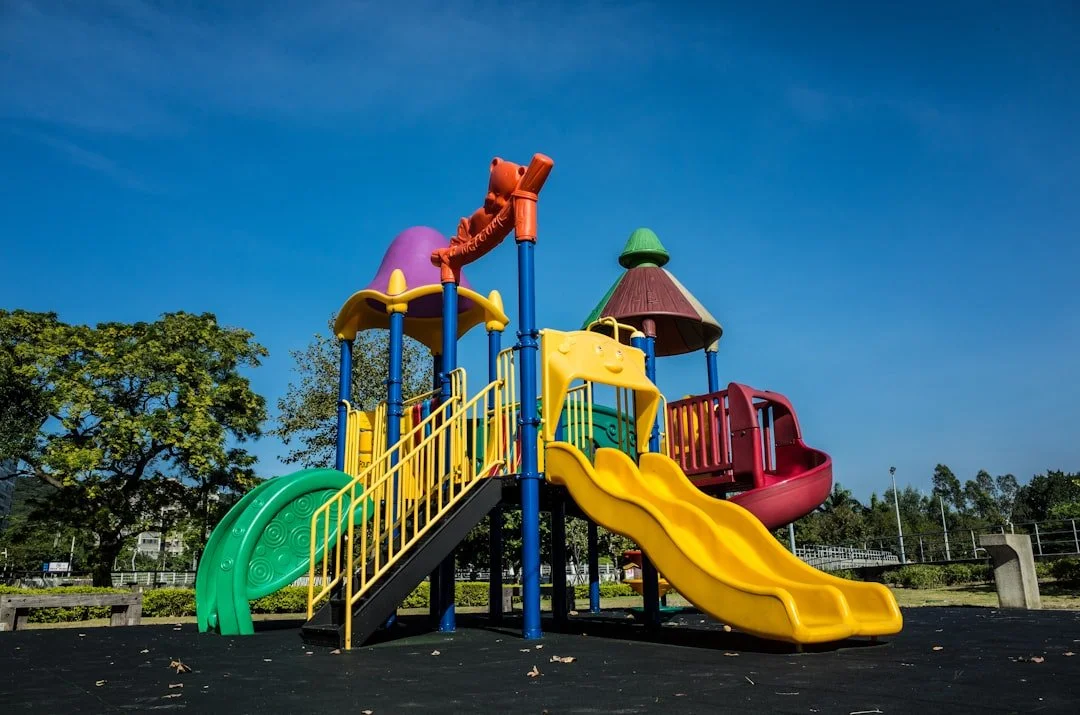
Recreational equipment forms the core of any play environment, shaping how children interact with the space and with each other. These installations are designed to support different types of physical and cognitive development, including balance, coordination, strength, and imagination.
Well-designed playground structures are built to accommodate multiple age groups and abilities, ensuring inclusivity and accessibility. They often include a combination of climbing frames, slides, swings, bridges, tunnels, and interactive panels that encourage both independent and group play.Beyond physical activity, these structures also support emotional development by allowing children to take controlled risks, solve problems, and build confidence through exploration.
Materials and Construction Standards
The materials used in modern recreational environments are selected for durability, safety, and environmental resistance. Common materials include treated wood, powder-coated steel, high-density polyethylene, and reinforced plastics. Each material is chosen based on its ability to withstand weather conditions, heavy use, and long-term wear.Safety is a primary concern in construction, and all installations must comply with strict guidelines that regulate height limits, spacing, impact zones, and structural stability. Surfaces beneath equipment are often designed to absorb impact, using materials such as rubber mulch, sand, or synthetic cushioning systems.
High-quality playground structures are engineered to minimize injury risks while maintaining durability and aesthetic appeal. This balance between safety and engagement is a key factor in modern recreational design.Safety standards play a critical role in the design and installation of recreational environments. Regulatory frameworks ensure that equipment is tested for structural integrity, load capacity, and resistance to environmental stress.
Risk management involves identifying potential hazards such as sharp edges, entrapment points, or unstable surfaces. Designers work to eliminate or reduce these risks through careful planning and material selection.
Regular inspections are also essential to ensure that equipment remains safe over time. Wear and tear from constant use, weather exposure, and environmental factors can gradually compromise safety if not addressed promptly.Properly maintained playground structures significantly reduce the likelihood of accidents and provide a secure environment for children to explore and play.
Developmental Benefits of Structured Play
Engaging with outdoor recreational environments provides numerous developmental benefits for children. Physical activities such as climbing, swinging, and running help improve coordination, balance, and overall fitness. These activities also support the development of fine and gross motor skills.Cognitive development is also enhanced through problem-solving activities, imaginative play, and interaction with other children. Many modern designs incorporate elements that encourage decision-making and creative thinking.
Social development is another key benefit. Children learn to share, communicate, negotiate, and cooperate while engaging in group play. These interactions help build emotional intelligence and interpersonal skills that are essential later in life.Well-designed playground structures provide a safe and stimulating environment where all these developmental aspects can occur naturally and simultaneously.
Accessibility and Inclusive Design
Modern recreational design places strong emphasis on inclusivity, ensuring that children of all abilities can participate in play activities. This includes wheelchair-accessible ramps, ground-level play panels, sensory-rich equipment, and wide pathways that accommodate mobility aids.
Inclusive design ensures that no child is excluded from play experiences due to physical or cognitive limitations. It also encourages social integration, allowing children of different abilities to interact and play together.This approach reflects a broader commitment to equality and accessibility in public space design, making recreational environments more welcoming and functional for all users.
Maintenance and Longevity of Recreational Installations
Regular maintenance is essential for ensuring the long-term safety and functionality of recreational environments. Equipment must be inspected for structural integrity, loose fittings, surface damage, and signs of wear.Weather exposure can cause gradual deterioration, especially in outdoor environments. Metal components may rust, wooden elements may crack, and plastic parts may fade or weaken over time. Addressing these issues early helps prevent safety hazards and extends the lifespan of the equipment.
Surrounding surfaces must also be maintained to ensure proper impact absorption. Loose gravel, worn rubber, or uneven ground can increase the risk of injury if not properly maintained.Proper care ensures that playground structures remain safe, visually appealing, and functional for extended periods.
Environmental Considerations in Design
Sustainability has become an important aspect of modern recreational design. Many manufacturers now use recycled or environmentally friendly materials to reduce environmental impact. Additionally, designs are increasingly focused on minimizing waste during production and installation.Natural integration is also a key consideration. Many play environments are designed to blend with surrounding landscapes, incorporating trees, natural shading, and organic layouts that enhance environmental harmony.
These practices contribute to more sustainable communities while promoting environmental awareness among children.Urban planners play a crucial role in determining where and how recreational environments are integrated into communities. Proper placement ensures accessibility, safety, and balanced distribution across residential and educational areas.
Well-planned recreational spaces contribute to community well-being by providing safe areas for children to play, socialize, and develop essential life skills. They also enhance property value and encourage family-friendly neighborhood development.Strategic planning ensures that playground structures are not only functional but also accessible and beneficial to the broader community.
Economic and Social Value of Recreational Spaces
Investing in high-quality recreational environments provides both economic and social benefits. Properties located near well-maintained play areas often experience increased value due to their appeal to families.
Socially, these spaces foster community interaction and cohesion. Parents and caregivers often gather in these areas, creating opportunities for social bonding and neighborhood engagement.
Children benefit from improved physical health, emotional well-being, and social development, making recreational environments a valuable community asset.The future of recreational design is expected to focus on interactivity, technology integration, and sustainability. Smart play environments that incorporate digital elements, interactive sensors, and adaptive features are becoming increasingly popular.
Conclusion
Designers are also exploring ways to make play spaces more inclusive and environmentally sustainable, using renewable materials and energy-efficient lighting systems.Despite technological advancements, the core purpose of playground structures remains unchanged: to provide safe, engaging, and developmentally enriching environments for children.
Recreational environments are essential components of community infrastructure, supporting physical, cognitive, and social development in children. Through thoughtful design, careful material selection, and adherence to safety standards, these spaces provide lasting benefits for individuals and communities alike.
Well-designed playground structures create opportunities for learning, exploration, and social interaction in safe and engaging environments. They also contribute to community well-being, property value, and environmental sustainability.
Ultimately, investing in high-quality playground structures is an investment in future generations, ensuring that children have access to safe, inclusive, and enriching spaces that support their overall growth and development.
HOW DO YOU FEEL ABOUT FASHION?
COMMENT OR TAKE OUR PAGE READER SURVEY
Featured



Finding the right job in human resources or recruitment can take time, especially when you're searching online.