
High-Quality Flooring Contractor Solutions for Wood, Tile, Vinyl, and Laminate Floors
PAGE
By PAGE Editor
Introduction to Flooring Contractors and Their Importance in Modern Construction
A flooring contractor is a highly specialized professional who focuses on the installation, repair, replacement, and maintenance of various types of flooring systems in residential, commercial, and industrial buildings, and their role has become increasingly important in modern construction because flooring is no longer treated as a simple finishing layer but rather as a critical structural and aesthetic component that directly influences comfort, durability, safety, and property value; whether the project involves hardwood flooring for a residential home, vinyl or laminate flooring for a commercial office, ceramic or porcelain tiles for high-traffic areas, carpet installations for hospitality environments, or epoxy flooring for industrial facilities, a skilled flooring contractor ensures that every material is installed with precision, proper surface preparation, and technical accuracy so that the final result is both visually appealing and long-lasting while also meeting building standards and user expectations.
Responsibilities and Work Process of a Professional Flooring Contractor
The responsibilities of a flooring contractor go far beyond simply laying down flooring materials, as the entire process begins with a detailed assessment of the site conditions where the contractor evaluates the subfloor quality, measures the area accurately, identifies moisture levels, and determines which flooring type will be most suitable based on usage requirements, budget limitations, and environmental conditions, followed by careful planning where old flooring may need to be removed and the base surface must be cleaned, leveled, and repaired to ensure proper adhesion and stability because even the highest quality flooring materials can fail prematurely if installed on an uneven or damaged subfloor, and once preparation is complete the contractor proceeds with installation using specialized tools and techniques specific to each flooring type, such as nailing or gluing hardwood planks, locking laminate panels, applying adhesive for vinyl sheets, setting tiles with mortar and grout, or coating surfaces with epoxy layers, and after installation the contractor completes finishing work including sealing, polishing, trimming edges, and inspecting the entire surface to ensure durability, smoothness, and a flawless appearance that meets both functional and aesthetic standards.
Types of Flooring Materials and Their Installation Requirements
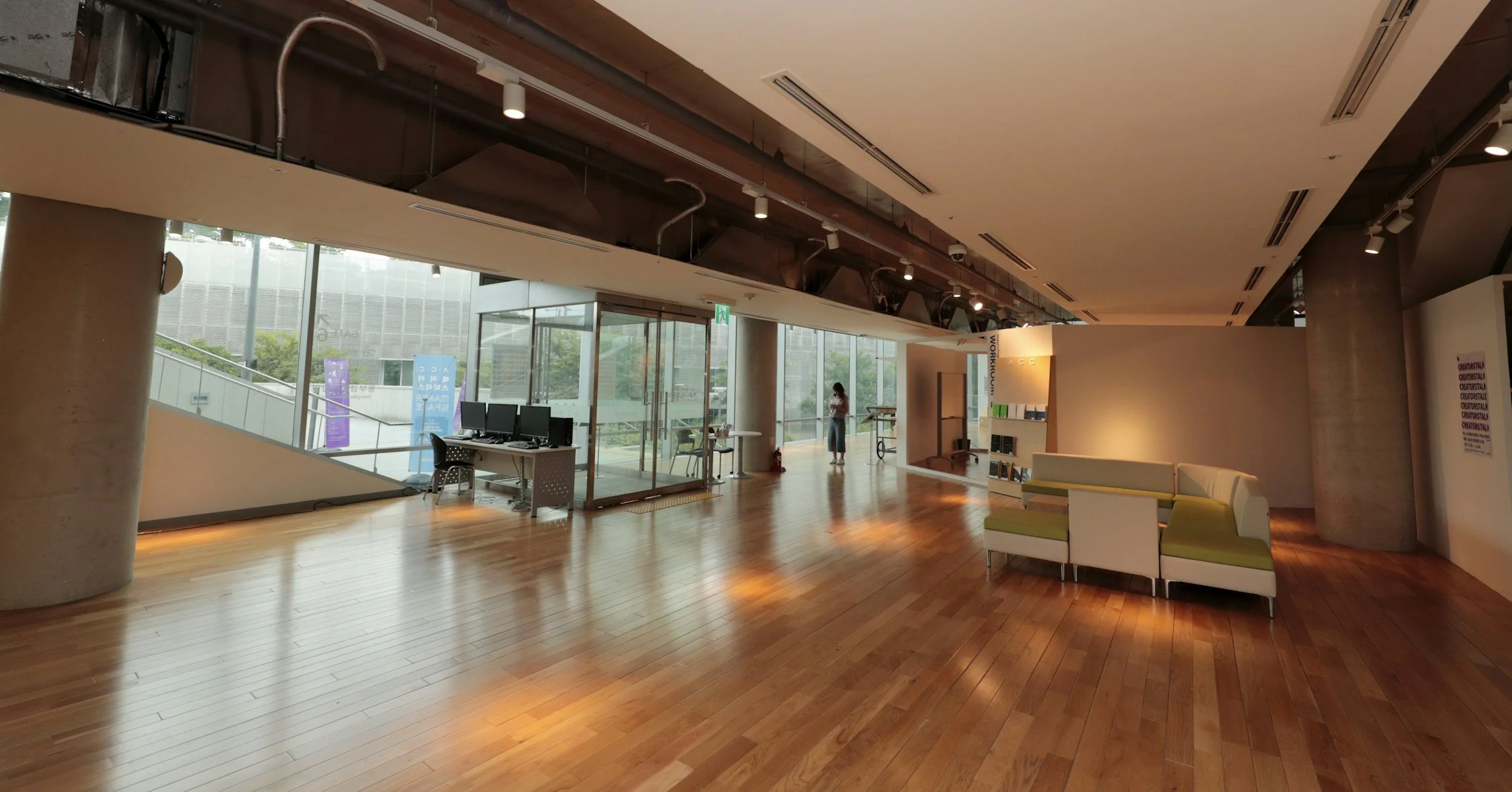
Flooring contractors work with a wide variety of materials, each of which requires different levels of expertise and installation methods, for example hardwood flooring is valued for its natural beauty, strength, and long lifespan but requires precise installation and controlled environmental conditions to prevent warping, gaps, or moisture damage, while laminate flooring offers a more affordable alternative that replicates the look of wood but depends heavily on proper underlayment and locking mechanisms to ensure stability and noise reduction, and vinyl flooring has become increasingly popular due to its water resistance, durability, and ease of maintenance making it suitable for kitchens, bathrooms, and commercial spaces, whereas tile flooring such as ceramic and porcelain demands high precision in leveling, spacing, and grouting to avoid cracks and uneven surfaces especially in high-traffic areas, carpet flooring provides comfort, insulation, and sound absorption but requires accurate stretching and fitting techniques to avoid wrinkles or uneven surfaces, and epoxy flooring used in warehouses and industrial facilities requires chemical preparation and expert application to ensure a seamless, highly durable, and resistant surface that can withstand heavy loads, chemicals, and continuous usage.
Importance of Hiring a Skilled Flooring Contractor for Quality Results
Hiring a professional flooring contractor is essential because flooring installation is a technical process that requires experience, accuracy, and knowledge of materials, and without professional expertise there is a high risk of issues such as uneven surfaces, premature wear, moisture damage, loose tiles, or separation between flooring sections, whereas an experienced contractor ensures that every stage of the process from planning to finishing is handled correctly using industry standards and best practices, which not only improves the durability and appearance of the flooring but also saves time and money in the long run by reducing the need for frequent repairs or replacements, and another major advantage of hiring professionals is that they provide warranties and quality assurance which gives property owners peace of mind that the work has been completed to a reliable standard while also ensuring compliance with safety regulations and building codes.
Flooring Installation Process and Technical Execution
The flooring installation process follows a structured sequence that begins with consultation and planning where the contractor understands client requirements, evaluates design preferences, and recommends suitable flooring options based on durability, budget, and usage conditions, followed by precise measurement of the space to ensure minimal material waste and perfect fitting, then comes the most critical stage which is surface preparation where the subfloor is cleaned, leveled, dried, and repaired because any imperfections at this stage can lead to long-term structural issues such as cracks or uneven flooring, after that the actual installation process begins using techniques specific to each material type ensuring that alignment, spacing, and bonding are done correctly to achieve a strong foundation, and finally finishing touches such as sealing joints, polishing surfaces, trimming edges, and conducting a detailed quality inspection are performed to ensure that the flooring not only looks visually perfect but also performs efficiently under daily usage conditions.
Common Flooring Problems and Professional Repair Solutions
Over time, flooring systems can develop various problems due to heavy usage, environmental conditions, or poor installation practices, and some of the most common issues include surface scratches, fading, moisture damage, loose tiles, cracks, lifting edges, and carpet wrinkles, all of which require professional attention to prevent further deterioration, and a flooring contractor addresses these issues by identifying the root cause before applying repair solutions such as refinishing hardwood surfaces, replacing damaged planks or tiles, re-stretching carpets, sealing gaps, or correcting subfloor moisture problems, and in cases where damage is extensive partial or full replacement may be recommended to restore structural integrity and appearance, ensuring that the flooring continues to perform effectively while maintaining its aesthetic value.
Role of Flooring Contractors in Commercial and Industrial Projects
In commercial and industrial environments, flooring contractors play an even more critical role because these spaces experience significantly higher foot traffic, heavier loads, and stricter safety requirements, which means flooring materials must be selected and installed with greater durability and performance in mind, and contractors working in such environments must ensure compliance with safety standards such as slip resistance, fire resistance, and load-bearing capacity while also coordinating with architects, engineers, and project managers to ensure that flooring installation integrates seamlessly with overall building design, and in addition commercial projects often require strict timelines so contractors must complete installations efficiently without compromising quality to avoid business disruptions while ensuring long-term durability under continuous usage conditions.
Maintenance, Durability, and Long-Term Performance of Flooring Systems
Proper maintenance is essential for extending the lifespan of any flooring system because even the most durable materials can degrade over time without regular care, and flooring contractors often provide maintenance guidelines that include routine cleaning, avoiding excessive moisture exposure, using protective pads under furniture, and applying sealants or polish where necessary, and different flooring types require different maintenance approaches such as periodic refinishing for hardwood, resealing grout lines for tiles, deep cleaning for carpets, and surface polishing for vinyl or laminate flooring, and when these maintenance practices are followed correctly flooring systems can last for many years while retaining both their appearance and structural strength, ultimately reducing long-term repair and replacement costs.
Cost Considerations and Value of Professional Flooring Services
The cost of hiring a flooring contractor varies depending on several factors including material type, project size, labor complexity, surface preparation requirements, and design specifications, where premium materials such as natural hardwood or stone tend to be more expensive than laminate or vinyl options, and additional costs may arise from subfloor repairs, old flooring removal, or custom design work, however despite the initial investment professional flooring services often prove more cost-effective over time because proper installation reduces the risk of damage, minimizes maintenance needs, and extends the overall lifespan of the flooring system, making it a valuable long-term investment for property owners.
Conclusion: The Essential Role of Flooring Contractors in Modern Spaces
A flooring contractor plays a crucial role in shaping the functionality, safety, and aesthetic quality of indoor environments by ensuring that every flooring system is installed with precision, durability, and technical expertise, and from residential homes to large commercial complexes their work directly impacts comfort, design appeal, and long-term structural performance, making professional flooring services an essential part of modern construction and renovation projects, where proper installation, regular maintenance, and skilled craftsmanship together create flooring systems that not only enhance visual beauty but also deliver lasting value, efficiency, and reliability for years to come.
HOW DO YOU FEEL ABOUT FASHION?
COMMENT OR TAKE OUR PAGE READER SURVEY
Featured




Finding the right job in human resources or recruitment can take time, especially when you're searching online.