
How Lifestyle Brands Can Expand Their Product Range
PAGE
By PAGE Editor
Most lifestyle brands begin with one clear idea. It might be activewear, skincare, travel gear, or something else entirely. As the business grows, expanding into new product categories can create new revenue opportunities and give customers more ways to interact with the brand. Xingcai, a stainless steel vacuum insulated drinkware manufacturer in China, works in one category that lifestyle brands often consider when moving into practical everyday products such as bottles and tumblers.
But growth does not have to mean filling the catalog with whatever happens to be popular. Moving into a new category, often described as a brand extension, works best when the connection feels easy to understand. Before deciding what to launch next, it helps to look at how customers already live, what they use every day, and where your brand could reasonably fit into that routine.
Start With How Your Customers Actually Live
Before adding a new product, look beyond what customers already buy from you. Think about where they use it, what they do before and after, and which other products are part of the same routine.
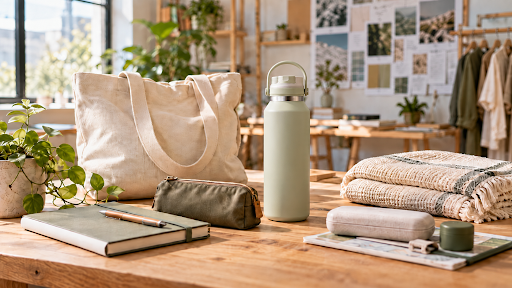
A fitness brand, for example, might move from activewear into bottles, gym bags, or towels. Those products already belong in the same environment. A wellness brand could explore drinkware, journals, or self-care accessories. Fashion brands may find opportunities in bags and travel accessories, while outdoor brands can extend into bottles, food containers, or portable gear.
These adjacent categories are usually easier for customers to understand because they build on an existing connection. Someone who already trusts an outdoor brand for clothing does not need much explanation if that company introduces a practical travel bottle. Moving into a completely unrelated category would require a much stronger reason.
Choose Products That Still Feel Like Your Brand
Once you have identified a possible category, the next question is whether the product actually looks and feels like something your brand would offer.
Consistency goes well beyond putting a familiar logo on the packaging. Materials, colors, price point, design, functionality, and even the way the product is presented all shape how customers perceive it.
Two lifestyle brands can enter the same category and create very different products. A premium wellness company might favor muted colors, simple forms, and understated packaging. A more energetic fitness brand could choose brighter finishes, larger formats, and features designed for frequent use.
Drinkware shows how much flexibility a category can offer. A bottle or tumbler can be adapted through its shape, finish, color palette, packaging, and customization. Those choices should reflect the wider product range rather than making the item feel like generic merchandise with a logo added at the end.
Focus on Products People Will Actually Use
Brand fit matters, but usefulness matters just as much. Products that have a clear role in everyday life have a better chance of becoming part of a customer’s routine.
That is why categories such as drinkware, travel accessories, bags, fitness gear, stationery, and selected home products can work well for lifestyle brands. They are familiar, practical, and often used in several different settings.
Reusable bottles, tumblers, and travel mugs are a good example. The same product might be used during a commute, at work, in the gym, on a flight, or during a weekend trip. Its value comes from being useful in all of those situations, not simply from displaying a brand name.
For brands exploring this category, manufacturers such as Xingcai can help translate a product concept into decisions about materials, finishes, colors, shapes, and packaging. These details can make a familiar everyday item feel more consistent with the rest of the brand rather than like an unrelated piece of merchandise.
Test Before You Build a Bigger Product Range
Entering a new category does not require launching ten products at once. Starting with one or two complementary items gives you a much clearer picture of how customers respond before you commit to larger inventories.
Limited editions, seasonal releases, collaborations, online exclusives, or smaller initial production runs can all help test demand. The results can reveal more than whether a product sells. Look at sell-through, customer feedback, returns, interest in additional colors or sizes, and whether retail or wholesale partners want to reorder.
A smaller launch also gives your team time to identify practical issues. Packaging may need adjusting. A certain finish might not meet quality expectations. Minimum order quantities could affect how many variations are realistic to carry.
This testing stage can also make conversations with suppliers more useful. Instead of trying to develop an entire collection at once, a brand can work with a manufacturer such as Xingcai on a smaller product range, learn which options customers respond to, and use those results to guide the next release.
If the first release performs well, expansion can happen gradually. You might add another size, introduce new colors, or move into a closely related category. Each step is based on what you have learned rather than assumptions about what customers might want.
Conclusion
Expanding a lifestyle brand should not be about making the catalog bigger for its own sake. New products need to fit the customer’s lifestyle, reflect the identity of the brand, and offer enough practical value to earn their place.
A focused approach also makes growth easier to manage. Start with categories that feel connected, pay attention to quality and usefulness, and test demand before going wider.
When each new product has a clear reason to exist, the range can grow without losing the identity that made customers notice the brand in the first place.
HOW DO YOU FEEL ABOUT FASHION?
COMMENT OR TAKE OUR PAGE READER SURVEY
Featured

A comfortable home should offer more than a place to sleep and eat.