
How to Tell If an Etsy Shop Is Dropshipping: A Complete Buyer’s Guide to Finding Authentic Handmade Products
PAGE
By PAGE Editor
It is important to recognize that dropshipping itself does not always mean a store is dishonest. Many successful businesses use supplier partnerships, print-on-demand services, or outsourced manufacturing to deliver products efficiently.
The key difference is transparency and added value. A responsible seller may use external suppliers while providing original designs, customization, quality control, or strong customer service. The issue arises when a seller misrepresents mass-produced products as handmade creations.
How to Identify If an Etsy Shop Is Dropshipping Based on Product Images, Pricing, and Listings
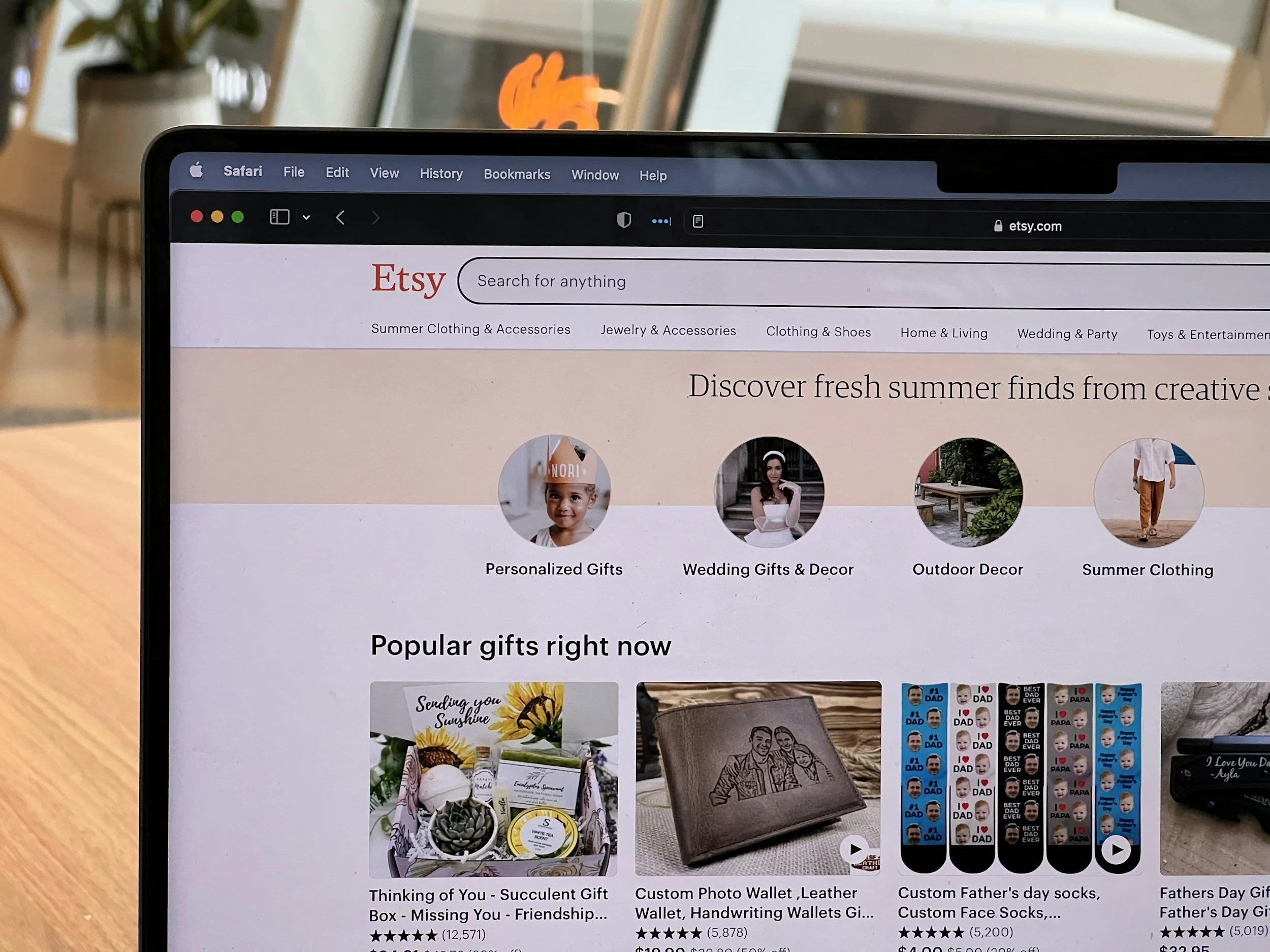
Etsy has built its reputation as a marketplace for handmade, vintage, and creative products. Many buyers visit the platform expecting to find unique items created by independent sellers rather than mass-produced goods available on large e-commerce platforms. However, as e-commerce continues to grow, some Etsy shops use dropshipping models, where sellers market products online without keeping inventory and rely on third-party suppliers to fulfill orders.
For buyers who want authentic handmade products, learning how to tell if an Etsy shop is dropshipping can help them make better purchasing decisions. Although dropshipping itself is a legitimate business model, the problem often appears when sellers present factory-made products as handmade creations or significantly increase prices without adding meaningful value. Several clues in product images, pricing strategies, and listing details can reveal whether an Etsy store may be operating through dropshipping.
Product Images Often Reveal the Real Source Behind an Etsy Listing
One of the easiest ways to identify potential dropshipping products is by carefully analyzing the product images. Genuine handmade sellers usually create original photography that shows their own workspace, production process, packaging, or unique product details. The images often have natural backgrounds, different angles, and small variations because the seller personally handles the products.
Dropshipping stores, on the other hand, frequently use supplier-provided images. These photos may look highly professional but appear across multiple websites. A simple reverse image search can sometimes reveal whether the same product images are used on platforms such as AliExpress, Amazon, or other online marketplaces.
Another common signal is when every product image looks like a factory catalog. If a shop has dozens or hundreds of listings with identical lighting, backgrounds, and model styles, it may indicate that the seller is importing product images directly from a supplier instead of creating original content.
Unusually Low Prices or High Markups Can Indicate a Dropshipping Model
Pricing is another important factor when evaluating an Etsy shop. Handmade products usually reflect the cost of materials, labor time, craftsmanship, and creative design. If a product appears to be handmade but is priced much lower than similar handmade items, buyers should investigate further.
At the same time, extremely high prices can also be a warning sign. Some dropshipping sellers purchase inexpensive products from overseas suppliers and resell them at premium prices by positioning them as unique or customized products.
For example, a product that appears to be a handcrafted decoration but is available on multiple wholesale websites for a fraction of the Etsy price may not be genuinely handmade. Price differences alone do not prove dropshipping, but they become more meaningful when combined with other signals such as identical images or generic descriptions.
Product Descriptions Can Show Whether a Seller Actually Creates the Product
The language used in Etsy listings can provide additional clues. Handmade sellers usually describe their creative process, materials, inspiration, and customization options in detail. Their descriptions often include specific information about how the product is made.
Dropshipping listings frequently rely on generic marketing language. They may focus heavily on emotional selling points while avoiding details about production. Phrases such as “high quality,” “perfect gift,” or “premium design” are common across many online stores and do not necessarily demonstrate that the seller created the item.
Another sign is when product descriptions contain unusual wording, inconsistent measurements, or specifications that appear copied from supplier pages. This often happens when sellers import product information directly from third-party sources.
Large Product Collections May Suggest Automated Supply Chains
The size and structure of an Etsy shop can also provide useful information. Many independent creators specialize in a limited number of product categories because handmade production requires time and resources.
A store selling hundreds of unrelated products, such as jewelry, home decorations, clothing, pet accessories, and electronics at the same time, may operate more like a general online retailer than a traditional handmade shop.
This does not automatically mean the shop is dropshipping. Some established sellers outsource production or work with multiple suppliers. However, a very broad catalog combined with generic images and descriptions can be a strong indication that the seller depends on external fulfillment.
Shipping Information Is One of the Strongest Dropshipping Indicators
Shipping times and locations can reveal important information about a seller’s fulfillment process. Many handmade Etsy sellers ship products from their own country or clearly explain their production timeline.
Dropshipping stores often have longer processing and shipping times because products are shipped directly from overseas suppliers. Buyers may notice estimated delivery periods that are much longer than expected or inconsistent shipping locations.
Some sellers also avoid clearly explaining where products are made or shipped from. While international shipping is normal on Etsy, unclear fulfillment information can be a reason to investigate further.
Reviews Can Help Confirm Whether a Shop Is Using Dropshipping
Customer reviews provide valuable evidence because buyers often mention product quality, packaging, delivery speed, and whether the item matches the description.
Dropshipping stores may receive complaints about differences between product images and actual products, generic packaging, delayed delivery, or lower-than-expected quality. Reviews that mention “arrived in factory packaging” or “found the same item elsewhere” can be important signals.
However, buyers should analyze reviews carefully. A few negative reviews do not necessarily mean a store is dropshipping. The goal is to identify patterns rather than individual complaints.
Analyzing Suppliers, Shipping, and Product Sources
Etsy is widely known as a marketplace for handmade products, creative goods, and unique designs. However, behind some Etsy stores is a more complex supply chain where sellers rely on external suppliers, manufacturers, or fulfillment partners to deliver products directly to customers. This business model can sometimes make it difficult for buyers to understand whether they are purchasing from an independent creator or a dropshipping operation.
Learning how to tell if an Etsy shop is dropshipping requires more than looking at product photos or prices. A deeper analysis of supplier sources, shipping patterns, and product availability can reveal important clues about how a store operates.
Checking Whether Products Exist on Other E-Commerce Platforms
One of the most effective ways to identify potential dropshipping is by investigating whether the same products are available from large online marketplaces or supplier platforms. Many dropshipping businesses source products from international suppliers and list them on Etsy with different branding, descriptions, or pricing.
Platforms such as AliExpress, Alibaba, and other wholesale marketplaces often contain millions of products supplied by factories. If an Etsy product appears with identical photos, specifications, colors, and variations on multiple supplier websites, it may indicate that the Etsy seller is not producing the item themselves.
However, finding a similar product does not always prove dropshipping. Many legitimate Etsy sellers also purchase materials or work with manufacturers for certain components. The key factor is whether the seller adds creative value, customization, or original design to the final product.
Analyzing Product Categories and Supplier Relationships
The type of product a shop sells can provide additional clues about its supply chain. Certain categories are more commonly associated with dropshipping because they are easy to manufacture, store, and ship globally.
Examples include mass-produced accessories, generic home decorations, phone accessories, clothing basics, and simple gift items. When a store offers a large number of products in these categories without clear evidence of customization or craftsmanship, it may rely heavily on external suppliers.
In contrast, products requiring specialized skills, personal creativity, or significant handmade work are less likely to follow a traditional dropshipping model. For example, a seller creating personalized artwork, handcrafted jewelry, or custom-made items usually has a more direct production process.
Shipping Locations Can Reveal Hidden Fulfillment Networks
Shipping information is one of the strongest indicators when researching whether an Etsy shop uses dropshipping. Many customers assume that an Etsy seller personally stores and ships products, but some shops may rely on suppliers located in different countries.
Long delivery times, unclear shipping origins, or tracking information that starts from overseas locations can suggest that products are being fulfilled by third-party suppliers. Some dropshipping businesses use international fulfillment centers where products are shipped directly from manufacturers to customers.
Another signal is a mismatch between the seller’s claimed location and the actual shipping route. For example, a shop presenting itself as a local handmade business but consistently sending packages from overseas warehouses may indicate a different supply chain structure.
At the same time, international sourcing is common in e-commerce. Many legitimate sellers work with global manufacturers, so shipping data should be combined with other evidence before making conclusions.
Comparing Product Specifications Across Different Websites
Product specifications can reveal whether an Etsy listing comes directly from a supplier catalog. Dropshipping sellers often import product information from supplier platforms, including measurements, material descriptions, and technical details.
Identical wording across multiple websites is a common sign. If an Etsy listing uses the exact same product description, unusual phrases, or incorrect translations found on another marketplace, it may suggest that the seller copied information from the original supplier.
Authentic creators usually describe their products from personal experience. Their listings often include details about the design process, production challenges, material choices, or customization methods. These elements are difficult for a dropshipping store to replicate because they come from direct involvement with the product.
Examining Store Updates and Product Expansion Patterns
The speed at which an Etsy shop adds products can also provide insight into its supply chain. Handmade businesses usually have natural limits because creating new products requires design, testing, production, and photography.
Dropshipping stores can upload hundreds of new products quickly because suppliers already provide ready-made images and product information. A shop that suddenly expands into many unrelated categories may be relying on external product databases rather than developing original products.
A professional buyer should look at the overall consistency of the store. A clear brand identity with a focused product range usually indicates a more intentional business model, while random product expansion may suggest a supplier-driven approach.
How to Tell If an Etsy Shop Is Dropshipping vs Handmade
Etsy has become one of the world’s most recognizable platforms for handmade goods, personalized gifts, vintage products, and creative designs. Many customers visit Etsy because they want something different from traditional online marketplaces. They expect products with a personal story, unique craftsmanship, and a closer connection with the seller.
However, as e-commerce continues to evolve, the difference between handmade products and dropshipped products has become increasingly difficult to identify. Some Etsy shops operate with external suppliers, while others combine handmade elements with outsourced production. This creates uncertainty for buyers who want to know whether they are purchasing a truly handmade item or a mass-produced product marketed as something unique.
The difference between handmade and dropshipping can often be found through product details, seller transparency, store behavior, and the overall shopping experience.
The Difference Between Handmade Products and Dropshipping Models
A handmade business typically involves direct involvement from the seller. The creator may design the product, select materials, produce the item, customize orders, or personally manage quality control. The value comes not only from the physical product but also from the creativity and labor behind it.
Dropshipping follows a different structure. In this model, the seller does not usually keep inventory. Instead, when a customer places an order, the seller purchases the product from a supplier, who then ships it directly to the customer.
Neither model is automatically good or bad. Many modern businesses use suppliers, manufacturers, or fulfillment partners to improve efficiency. The main concern on Etsy is whether the seller accurately represents the origin and nature of the product.
A product that is factory-made but presented as a handmade creation can create unrealistic expectations for buyers.
Product Customization Is One of the Biggest Differences
One of the clearest differences between handmade and dropshipping stores is the level of customization available.
Handmade sellers often provide personalized options because they are directly involved in production. They may offer custom sizes, unique designs, personalized messages, or modifications based on customer requests.
Dropshipping stores usually offer limited customization because products come from existing supplier catalogs. They may allow customers to select colors, patterns, or basic variations, but deeper customization is often unavailable.
When evaluating an Etsy shop, buyers should examine whether customization appears meaningful or simply involves choosing from pre-existing options. A product that claims to be personalized but follows a standard supplier template may require further investigation.
Store Branding Can Reveal the Seller’s Real Business Model
Authentic handmade shops usually develop a strong brand identity. Their product photography, descriptions, packaging, and storytelling often reflect the creator’s personality and creative process.
For example, handmade sellers frequently explain why they started creating their products, how materials are selected, or what inspires their designs. These details help customers understand the human element behind the product.
Dropshipping stores often focus more on product features than brand stories. Their descriptions may emphasize benefits, discounts, and general marketing messages without explaining the creative process.
A store with hundreds of unrelated products and no clear theme may operate more like a general online retailer than a traditional handmade shop.
Product Photography Can Separate Real Creators From Resellers
Images are one of the strongest indicators when comparing handmade and dropshipping businesses.
Handmade sellers often create original product photos showing their actual items. Small differences between images are common because each product may be individually made. Photos may include workspaces, packaging, production stages, or close-up details.
Dropshipping stores often rely on supplier images. These images are usually highly polished but may appear across multiple websites. The same product photos, identical backgrounds, and professional catalog-style images can indicate that the seller is using supplier materials.
Using reverse image search tools can help buyers determine whether a product appears elsewhere online.
Reviews Can Show Whether Products Match Their Description
Customer reviews provide valuable insight into whether a product is genuinely handmade. Buyers often mention details about craftsmanship, packaging, quality, and whether the item matches the listing.
Handmade products may have slight variations because they are individually created. Customers often appreciate these differences because they represent uniqueness.
Dropshipping products may receive different types of feedback. Common complaints include receiving items that look different from the photos, generic packaging, longer-than-expected shipping times, or lower-quality materials.
When reviewing customer feedback, buyers should focus on repeated patterns rather than isolated comments. A single negative review does not define a store, but consistent complaints can reveal problems with product authenticity.
Why Etsy’s Handmade Image Creates More Consumer Questions
The popularity of Etsy’s handmade marketplace has created both opportunities and challenges. Many sellers now combine creative design with external manufacturing, making the traditional definition of handmade more complex.
For example, a designer may create an original product concept but use a manufacturing partner to produce it at scale. Another seller may use print-on-demand services while controlling the artwork and branding.
These approaches are different from simple dropshipping because the seller contributes intellectual property, design, or customer experience.
Therefore, the key question is not only whether a seller uses suppliers, but whether the seller adds meaningful value beyond simply reselling existing products.
HOW DO YOU FEEL ABOUT FASHION?
COMMENT OR TAKE OUR PAGE READER SURVEY
Featured





A comfortable home should offer more than a place to sleep and eat.