
Lawn Mowing: Essential Practices for Healthy Turf, Clean Landscapes, and Long-Term Outdoor Maintenance
PAGE
By PAGE Editor
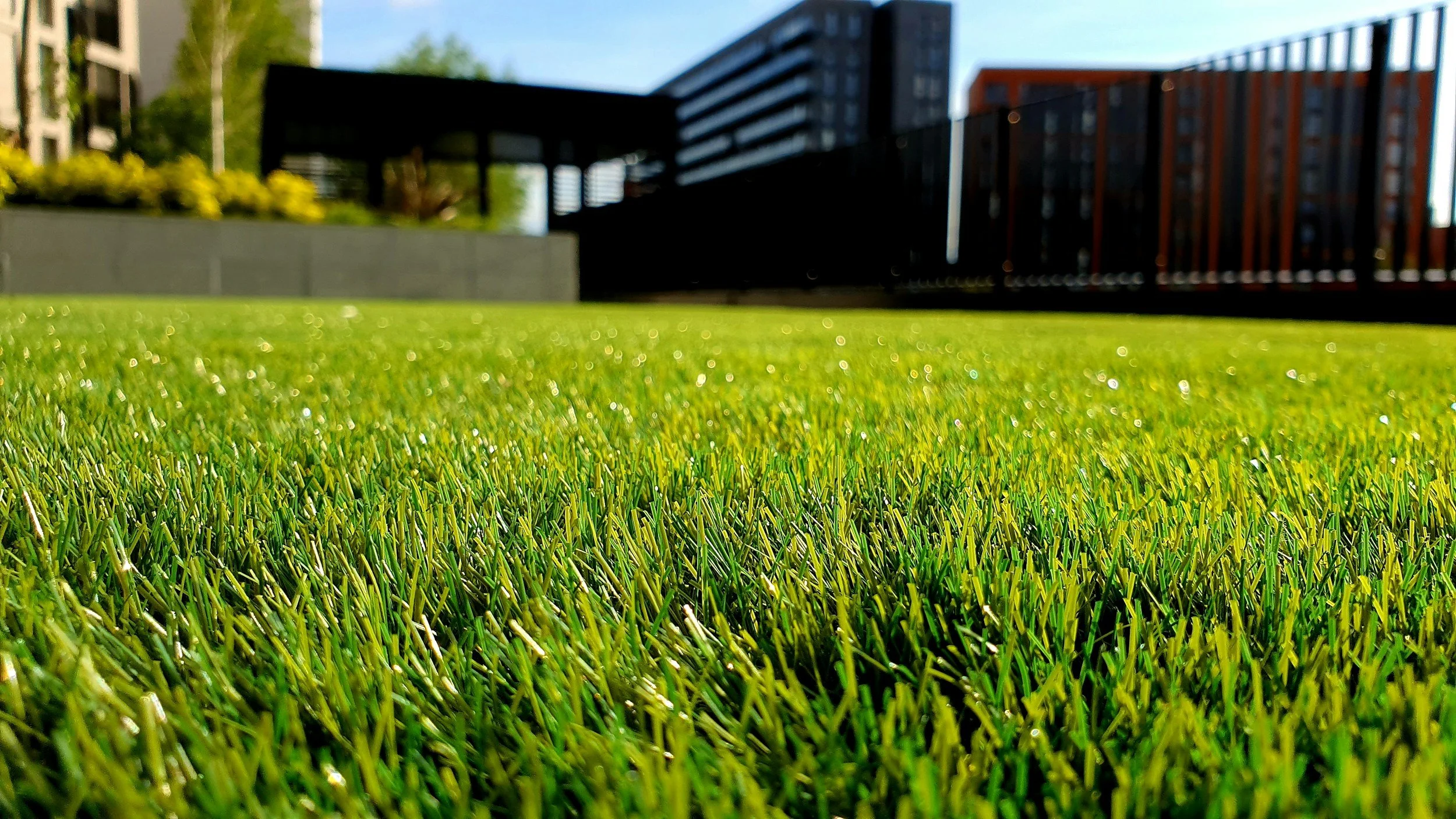
Lawn mowing is one of the most fundamental aspects of landscape maintenance, playing a crucial role in the health, appearance, and overall sustainability of outdoor green spaces. Whether applied to residential yards, commercial properties, parks, or recreational areas, regular mowing helps maintain grass at an optimal height, promotes even growth, and enhances the visual appeal of the entire landscape. While it may appear to be a simple task, proper mowing involves timing, technique, equipment selection, and ongoing care practices that directly influence the condition of the lawn.
A well-maintained lawn contributes significantly to property value and curb appeal. It also supports environmental benefits such as improved air quality, soil protection, and temperature regulation. Understanding the principles behind effective lawn mowing helps property owners and maintenance professionals achieve healthier, greener, and more resilient turf over time.
Understanding the Importance of Lawn Mowing in Turf Health
Grass is a living organism that responds actively to cutting, watering, and environmental conditions. Regular mowing encourages lateral growth, which results in thicker and denser turf. This density helps prevent weed growth by limiting the space and sunlight available for unwanted plants to establish themselves.
When grass is cut at the proper height, it develops stronger root systems. These deeper roots improve drought resistance and nutrient absorption, making the lawn more resilient to environmental stress. Conversely, improper mowing practices such as cutting too short can weaken the grass, expose soil, and increase vulnerability to pests and disease.
Lawn mowing also plays a role in maintaining uniformity across the landscape. Uneven grass growth can create patchy or unkempt appearances, while consistent mowing ensures a smooth, well-manicured surface.
Choosing the Right Lawn Mowing Equipment
Selecting appropriate mowing equipment is essential for achieving clean and efficient cuts. Push mowers are commonly used for smaller residential lawns due to their affordability and precision. They allow for greater control and are ideal for areas with tight spaces or intricate landscaping.
Riding mowers are better suited for larger properties, as they reduce physical effort and significantly speed up the mowing process. These machines are often used in commercial landscaping or expansive residential areas.Self-propelled mowers offer a balance between manual control and ease of use, making them suitable for medium-sized lawns with varying terrain.
Blade quality is also an important consideration. Sharp blades ensure clean cuts, while dull blades tear the grass, leading to brown edges and increased susceptibility to disease. Regular blade maintenance is essential for optimal mowing performance.
Optimal Grass Cutting Height and Frequency
One of the most important factors in lawn mowing is determining the correct cutting height. Different grass species have specific height requirements, but a general rule is to avoid cutting more than one-third of the grass blade at a time. Cutting too much at once can shock the plant and slow down regrowth.
Maintaining the proper height helps shade the soil, reducing moisture loss and preventing weed germination. Taller grass generally promotes deeper root systems, while shorter grass may require more frequent watering and maintenance.
Mowing frequency depends on growth rate, which is influenced by weather conditions, soil quality, and fertilization. During peak growing seasons, lawns may require weekly mowing, while slower growth periods may reduce the need to every two weeks.
Seasonal Considerations in Lawn Mowing
Lawn mowing practices vary throughout the year depending on seasonal changes. In spring, grass typically experiences rapid growth due to increased rainfall and warmer temperatures. This season requires more frequent mowing to maintain consistent height and shape.
During summer, heat and drought conditions may slow growth. In this period, mowing height is often raised slightly to help protect soil moisture and reduce stress on the grass.
In autumn, growth gradually slows, and mowing frequency decreases. This is also an important time to prepare the lawn for winter by removing excess debris and maintaining a healthy grass height.Winter mowing is generally minimal or unnecessary in colder climates, as grass enters a dormant phase. However, in milder regions, occasional mowing may still be required.
Proper Lawn Mowing Techniques for Best Results
Effective mowing involves more than simply cutting grass. One important technique is alternating mowing patterns. Changing the direction of mowing each time prevents soil compaction and encourages upright grass growth rather than leaning in one direction.Keeping mower blades sharp is essential for clean cuts. Clean cuts heal quickly and reduce stress on the grass, while torn blades can lead to discoloration and disease.
It is also important to mow when the grass is dry. Wet grass tends to clump, resulting in uneven cutting and potential clogging of equipment.Grass clippings can either be collected or left on the lawn as natural mulch. When left in place, they decompose and return valuable nutrients to the soil, supporting healthier growth.
One of the most common mistakes in lawn mowing is cutting the grass too short, often referred to as scalping. This weakens the grass and exposes soil to sunlight, encouraging weed growth and moisture loss.Using dull mower blades is another frequent issue that leads to uneven cuts and damaged grass tips. This can make the lawn appear brown and unhealthy.
Mowing in the same direction every time can also cause long-term issues such as soil compaction and uneven growth patterns.Neglecting regular maintenance of mowing equipment can reduce efficiency and increase the likelihood of mechanical problems during operation.
The Role of Lawn Mowing in Weed Control and Pest Prevention
Regular mowing plays an important role in controlling weeds by preventing them from reaching maturity and spreading seeds. A dense, well-maintained lawn leaves little space for weeds to establish themselves.
Shorter mowing intervals can also disrupt the life cycle of certain pests that thrive in overgrown grass. However, mowing alone is not sufficient for complete pest control and should be combined with proper fertilization and lawn care practices.
Maintaining proper grass height also improves air circulation within the lawn, reducing moisture buildup that can attract pests and promote fungal growth.
Environmental Benefits of Lawn Mowing
Well-managed lawns contribute positively to the environment. Grass acts as a natural air filter, capturing dust, pollutants, and carbon dioxide while producing oxygen. Regular mowing helps maintain healthy grass that can perform these functions effectively.Lawns also help reduce soil erosion by stabilizing the ground with root systems. Proper mowing encourages strong root development, enhancing this protective function.In addition, healthy lawns help regulate temperature in urban environments by reducing heat absorption and providing cooling effects through natural evaporation.
A neatly mowed lawn significantly enhances the visual appeal of any property. It creates a clean, organized, and well-maintained appearance that reflects positively on homeowners and businesses alike.
Uniform grass height and well-defined edges contribute to a polished landscape design. This is especially important for commercial properties where first impressions matter.Consistent mowing also complements other landscaping elements such as flower beds, trees, walkways, and outdoor structures.
Professional Lawn Mowing Services vs. DIY Maintenance
Some property owners prefer to handle lawn mowing themselves, while others opt for professional services. DIY mowing offers flexibility and cost savings but requires time, effort, and equipment maintenance.Professional lawn care services provide expertise, consistency, and access to advanced equipment. They are particularly beneficial for larger properties or complex landscapes that require specialized care.
Professionals also understand proper mowing techniques, seasonal adjustments, and turf health management, ensuring optimal results throughout the year.Lawn mowing is only one part of a broader lawn care strategy. Fertilization, watering, aeration, and pest control all contribute to maintaining a healthy lawn.
Regular aeration helps improve soil structure and allows nutrients, water, and oxygen to reach the roots more effectively. Fertilization provides essential nutrients that support growth and resilience.Proper irrigation ensures that grass receives adequate moisture without overwatering, which can lead to root rot or fungal issues.When combined with consistent mowing, these practices create a strong foundation for long-term lawn health.
Conclusion
Lawn mowing is a vital practice that goes beyond simple grass cutting. It plays an essential role in maintaining turf health, improving property aesthetics, controlling weeds, and supporting environmental benefits. When performed correctly, it encourages strong root development, uniform growth, and long-lasting lawn vitality.
Understanding proper mowing techniques, equipment selection, and seasonal adjustments ensures that lawns remain healthy and visually appealing throughout the year. Whether managed independently or through professional services, consistent mowing is a key component of effective landscape maintenance.Ultimately, regular lawn mowing helps create cleaner, greener, and more sustainable outdoor spaces that enhance both property value and quality of life.
HOW DO YOU FEEL ABOUT FASHION?
COMMENT OR TAKE OUR PAGE READER SURVEY
Featured




Finding the right job in human resources or recruitment can take time, especially when you're searching online.